

Your daily briefing on AI, technology, economics, and society — from q52.ai.
Industry & Economics
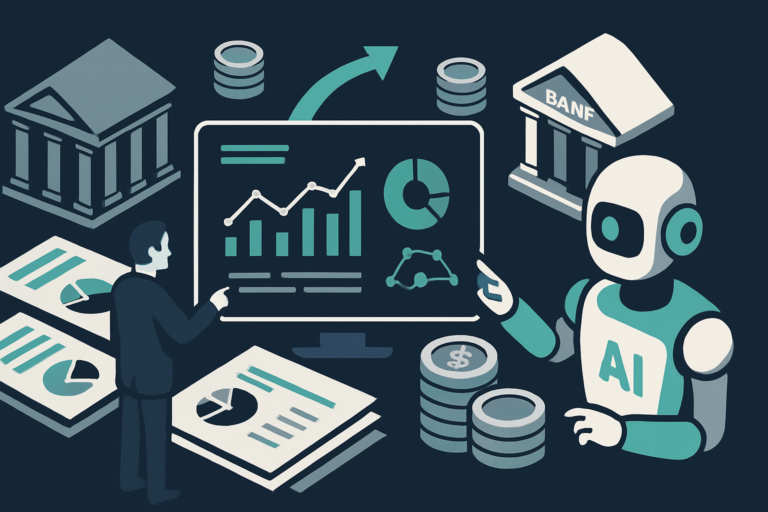
AI’s Role in Supplier Payments: Mechanisms Reshaping Capital Flow
What’s happening: AI is transforming supplier payments through tools like Mastercard’s new AI-powered analytics platform, which helps identify suppliers likely to accept card payments. This technology aims to enhance working capital management by streamlining payment processes, reducing transaction costs, and minimizing fraud risks. Companies such as Absa Group and Emirates NBD are already adopting these AI solutions, which reflect a broader trend towards integrating technology into financial operations for better capital management.
Why it matters: The shift towards AI in supplier payments has significant implications for businesses, as it allows them to optimize cash flow and prioritize supplier outreach more effectively. However, the adoption of these technologies raises concerns about data privacy, algorithmic bias, and the potential for widening inequities among suppliers. Organizations must navigate these challenges to ensure that AI enhances financial operations without compromising fairness or transparency.
Our take: While AI can drive efficiency in capital flow, its implementation must be approached with caution. Establishing regulatory frameworks and accountability structures is essential to prevent unintended consequences, particularly for smaller suppliers who may be left behind in this technological shift.
Tech & Engineering
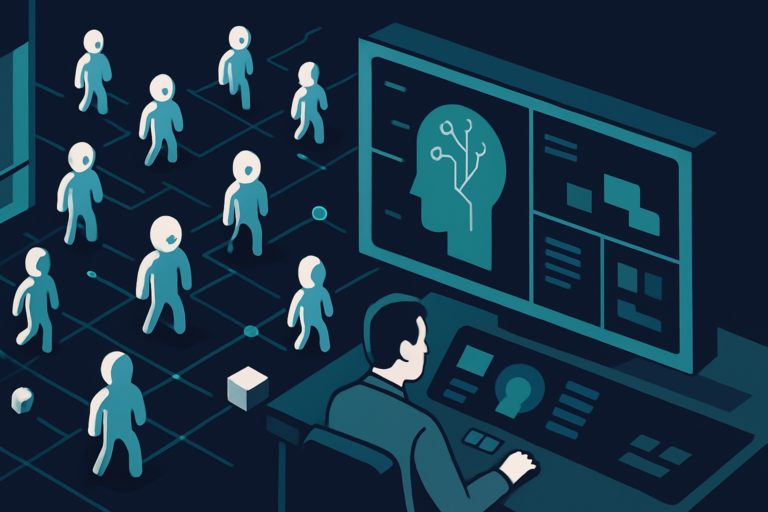
AI Regulation and the Illusion of Control
What’s happening: Recent developments in AI highlight a growing disconnect between the promises of AI systems and their actual performance. Armadin’s AI agent swarms aim to improve cybersecurity by autonomously detecting vulnerabilities, yet Delaware’s push to integrate AI in corporate governance raises concerns about control and accountability. The FTC’s decision to regulate AI under existing laws further complicates matters, suggesting a reliance on outdated frameworks that may not adequately address AI’s complexities.
Why it matters: These trends could lead to significant engineering challenges, as the autonomy of AI systems introduces new risks and failure modes in security. The lack of robust control mechanisms, exemplified by issues in Delaware’s governance model, raises questions about the reliability of such technologies. Furthermore, the FTC’s approach may hinder innovation by failing to implement necessary regulatory adaptations tailored to the unique risks posed by AI.
Our take: The engineering community must advocate for specialized regulations that address the particular challenges of autonomous AI systems. Without a focus on transparency and accountability, the risks associated with AI could undermine the very innovations that practitioners aim to achieve.
Sciences

AI Predicts Demand, Revolutionizing Drone Delivery Systems
What’s happening: Flytrex has made a breakthrough in drone delivery by using predictive AI models that optimize drone positioning, cutting delivery costs by 60% and halving delivery times. The AI analyzes historical data, weather, and consumer behavior to forecast demand, allowing drones to be pre-positioned near high-demand areas for quick deployment. This integration of AI into logistics represents a significant shift in operational efficiency and resource management.
Why it matters: The advancements in Flytrex’s drone delivery system could greatly enhance the logistics industry by enabling faster and more cost-effective deliveries, which is crucial for urban environments where congestion is a concern. This technology also has the potential to improve access to delivery services in rural and underserved areas, transforming last-mile logistics and possibly reshaping e-commerce and emergency supply distribution. However, it will also require new regulatory frameworks to address safety and airspace management as drone usage increases.
Our take: While the efficiency gains from AI-driven logistics are impressive, there is a risk that the personal touch in delivery interactions could diminish, making the process more automated and less human. Balancing efficiency with the human elements of delivery will be essential as this technology evolves.
Society
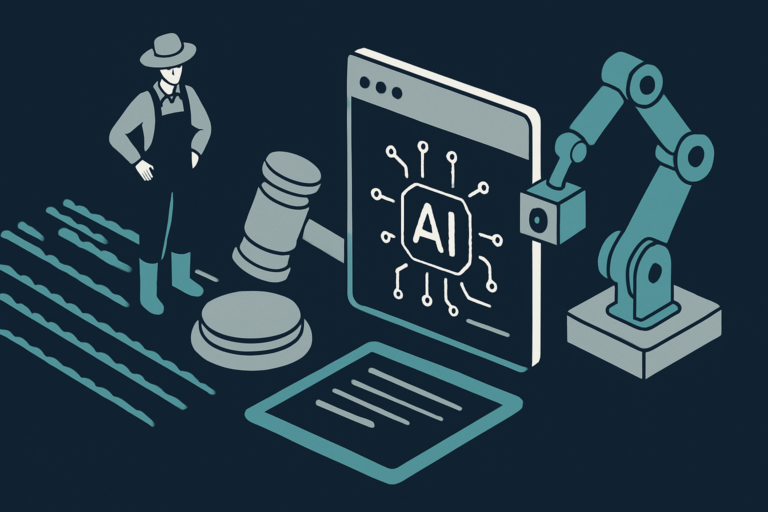
AI’s Quiet Revolution: The Redistribution of Expertise and Authority
What’s happening: Recent advancements in AI, such as Flow Engineering’s funding for AI-driven hardware and Inbolt’s improvements in robot vision, are shifting the landscape of expertise and authority across various sectors. In agriculture, for instance, AI tools are now dictating optimal harvesting times, sidelining traditional farmer knowledge and experience. Meanwhile, Google’s AI Overviews feature centralizes information access, altering how knowledge is perceived and potentially limiting diverse perspectives.
Why it matters: This redistribution of expertise raises significant concerns about who controls decision-making processes and how new forms of authority are legitimized. As AI systems become more integrated into industries, the risk is that power becomes concentrated among a few tech entities, undermining the role of traditional knowledge holders and smaller content creators. The implications extend beyond efficiency; they challenge the very foundation of how knowledge is validated and shared in society.
Our take: The evolution of expertise through AI is not inherently negative, but it necessitates careful consideration of transparency and equitable access. Without proactive measures to safeguard diverse voices and human judgment, we may see a repeat of historical trends where technological advancements benefit a select few rather than society as a whole.
Psychology

AI’s Role in Reshaping Workplace Decision-Making and Coordination
What’s happening: AI is increasingly being integrated into workplace decision-making, as seen with DoorDash’s new AI tools that manage routine tasks like lunch orders and restocking supplies. This shift allows employees to delegate mundane decisions to AI, reducing cognitive load and enabling them to focus on more complex problem-solving. Simultaneously, Google’s launch of AI chips for space-based data centers illustrates the potential for real-time decision-making across global teams.
Why it matters: As AI takes on more decision-making roles, job descriptions and required skills are evolving. Employees may shift from direct decision-making to overseeing AI systems, which could enhance productivity but also lead to feelings of detachment from their work. Organizations must navigate the balance between efficiency and maintaining human engagement in decision-making to ensure job satisfaction and effective collaboration.
Our take: The integration of AI in the workplace should enhance human capabilities rather than diminish them. Companies must prioritize transparency and design AI systems that work alongside employees, ensuring that human agency remains a core aspect of decision-making processes.
That’s the digest for October 03, 2026.
Questions? Reach out at info@q52.ai.
q52.ai — Engineering Better Questions
