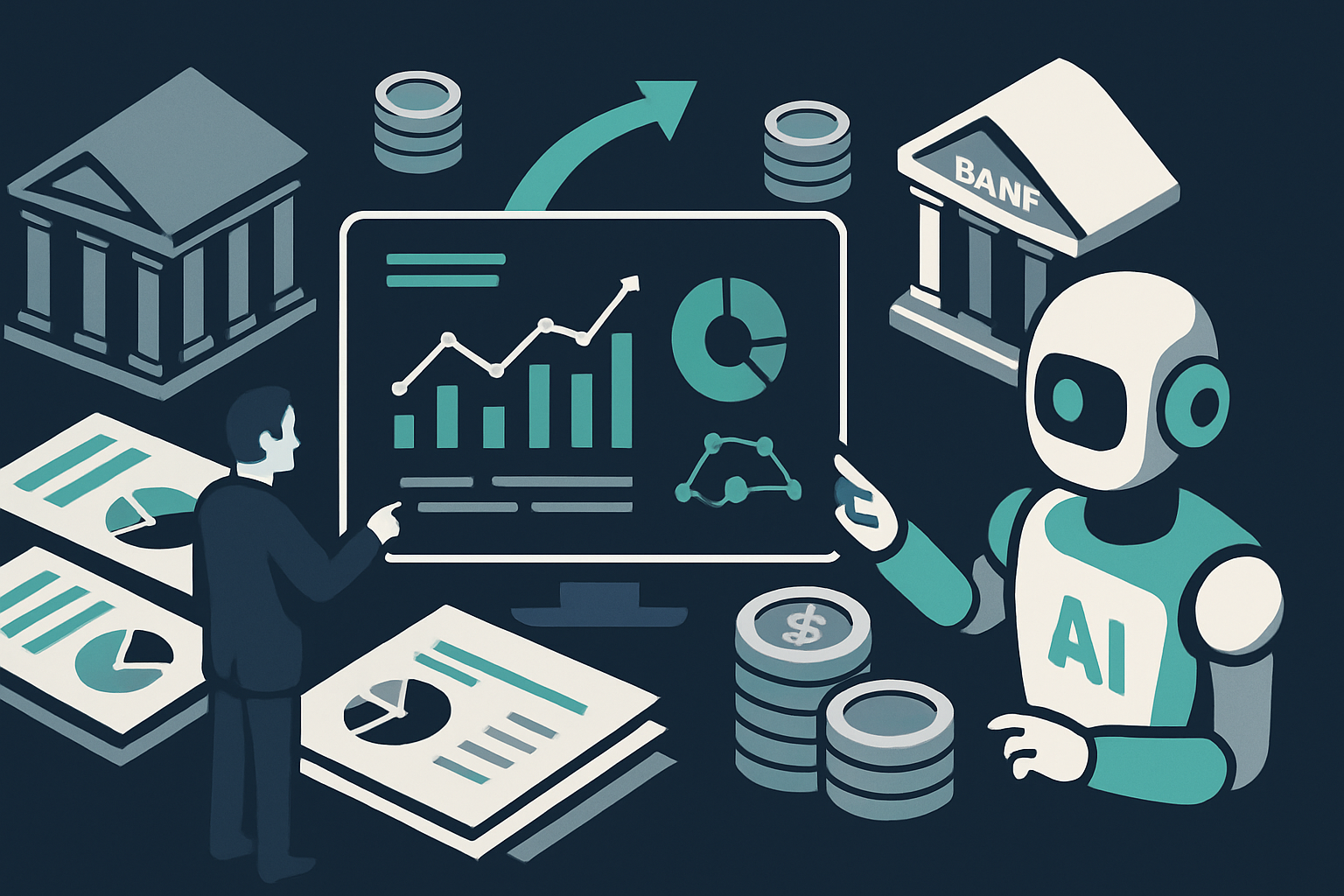

AI is reshaping supplier payments, as evidenced by Mastercard’s recent launch of an AI-powered analytics platform. This development aims to optimize the payment processes by identifying suppliers most likely to accept card payments, enhancing working capital management for banks and corporate clients. With firms like Absa Group and Emirates NBD adopting this technology, the movement towards AI-driven financial operations is gaining momentum.
The economic implications are significant. By leveraging AI to analyze accounts payable and payment data, companies can prioritize outreach to suppliers, expand virtual card usage, and improve cash flow. This approach not only streamlines operations but also potentially reduces transaction costs and fraud risk. The use of AI in this context highlights a broader trend of integrating technology into financial processes to achieve more efficient and predictive capital management.
Author’s Position
The adoption of AI in supplier payments underscores a critical shift in how capital flows are managed. While traditional methods rely heavily on human judgment and manual processes, AI offers a data-driven alternative that promises enhanced precision and efficiency. However, the transition is not without challenges. The gap between AI’s potential and its material impact, as noted by McKinsey, suggests that many organizations still struggle to fully integrate AI into their workflows. Successful implementation requires a fundamental redesign of processes, starting with clear business outcomes and aligning AI tools to meet those goals.
Moreover, as AI continues to permeate financial operations, regulatory considerations must be addressed. Ensuring data privacy and preventing algorithmic bias are paramount to maintaining trust and fairness in financial systems. While AI offers tremendous potential for optimizing capital flow, its deployment must be carefully managed to avoid unintended consequences and ensure equitable benefits across the economic spectrum.
References
- Ford Sees AI as Companion
- Mastercard Targets Supplier Payments
- Most AI Spending Still Misses
- Anthropic Pushes Opt-Out Model in Australia
Perspectives

When Kenya’s Huduma Centres tried to streamline social payments, the tech worked beautifully, but the oversight? Nonexistent — and chaos ensued. AI in supplier payments is no magic bullet; without regulatory guardrails like mandatory impact assessments and algorithmic audit requirements, it’s just another shiny toy breaking things at scale. Sure, AI can optimize capital flow and enhance working capital management, but what’s the use if you can’t verify its function isn’t deepening inequities or excluding small suppliers? Build the accountability structure first, or expect a public backlash that’ll make you wish you had.

When AI technology enters the realm of supplier payments, it fundamentally reshapes group-level dynamics within financial ecosystems, not merely optimizing individual transactions. By redesigning workflows around AI, platforms like Mastercard aren’t just enhancing working capital management; they are recalibrating the collective financial behavior of entire networks. The platform’s design choices dictate the norms around liquidity provision, payment timing, and risk tolerance, effectively steering a conglomerate of organizations towards new standards of operation. In this context, design is destiny, and the collective outcomes hinge on the psychological and organizational principles at play, which remain stubbornly unchanged across millennia.

The integration of AI into supplier payments is yet another sleight of hand where value is extracted from suppliers and concentrated in financial institutions like Mastercard. By automating capital flow, these systems prioritize the liquidity of the few over the stability of the many, all under the guise of ‘optimizing’ working capital. Let’s be clear: this isn’t about enhancing efficiency for the greater good; it’s about amplifying financial control in already concentrated hands. The allure of ‘transformative’ technology narratives conveniently masks the widening power imbalances they entrench, funded and praised by the very beneficiaries of this extraction.

If synthetic biology can engineer life at the cellular level, surely we can figure out how best to automate supplier payments using AI. Yet, here we are, caught in a web of archaic workflows while the potential for AI-driven efficiencies remains shackled by sluggish business reconfigurations. AI’s capability to enhance capital flow aligns with the way we optimize biological systems—through precise interventions and rapid iteration—yet businesses act like this is a moonshot. Mastering AI’s role in payments requires nothing less than the kind of bold redesigns we’ve seen in advanced gene therapies, where the results aren’t just theoretical; they save lives.