

Your daily briefing on AI, technology, economics, and society — from q52.ai.
Industry & Economics

AI’s Role in Reshaping Financial Valuations and Market Dynamics
What’s happening: Financial valuations and market dynamics are undergoing significant changes due to AI technologies, with companies like American Express facing stock performance fluctuations linked to their AI investments. Meanwhile, Aeva Technologies is drawing institutional investors with its AI-driven LiDAR innovations, despite its volatility. These trends indicate a shift in how firms view AI as a strategic asset, impacting their valuation models and investor behavior.
Why it matters: The integration of AI into business operations is reshaping traditional valuation frameworks, with companies prioritizing AI for potential revenue growth despite rising costs. This shift highlights how AI can disrupt markets and alter risk profiles, leading to new investor perceptions and behaviors. Understanding this dynamic is crucial for businesses in finance and technology, as it suggests a need for transparent AI strategies that align with long-term value creation.
Our take: The balance between AI’s potential benefits and the risks it introduces remains precarious. Companies must navigate these complexities carefully to avoid speculative pitfalls, ensuring that their AI investments are grounded in sustainable growth rather than mere hype.
Tech & Engineering
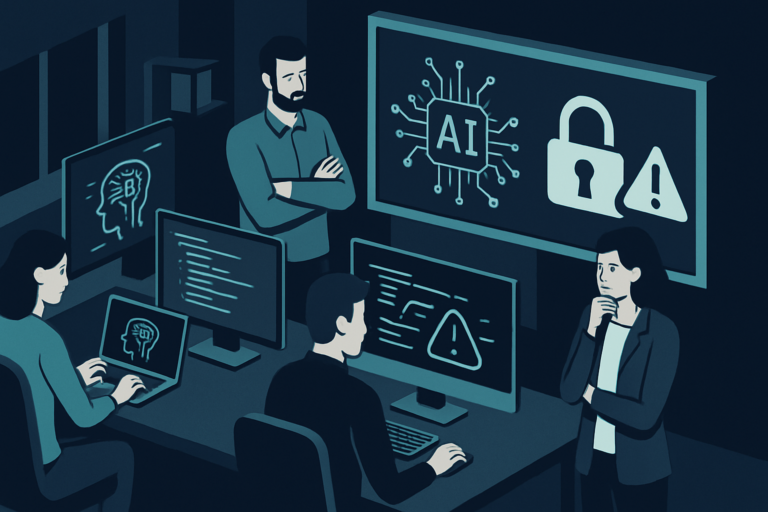
AI-Driven Development: The Security Tradeoff Engineers Face
What’s happening: In 2026, AI-driven tools like GitHub Copilot and ChatGPT are increasingly integrated into software development, automating tasks and allowing engineers to tackle more complex issues. However, this reliance on AI also expands the security surface of software systems, as AI-generated code can introduce vulnerabilities that are hard to detect. Developers must now incorporate AI security assessments into their workflows to address the risks posed by these tools.
Why it matters: The shift to AI in development requires engineers to adjust their security practices, focusing not only on their code but also on the integrity and security of the AI tools they use. This includes validating AI-generated code, securing training datasets, and monitoring for anomalies. As software becomes more reliant on AI, the potential for subtle errors increases, necessitating robust validation frameworks to ensure security.
Our take: The integration of AI in development is a double-edged sword; while it boosts productivity, it also complicates security measures. Engineering teams must not only adapt to these new tools but also advocate for transparency and best practices in AI development to mitigate risks effectively.
Sciences
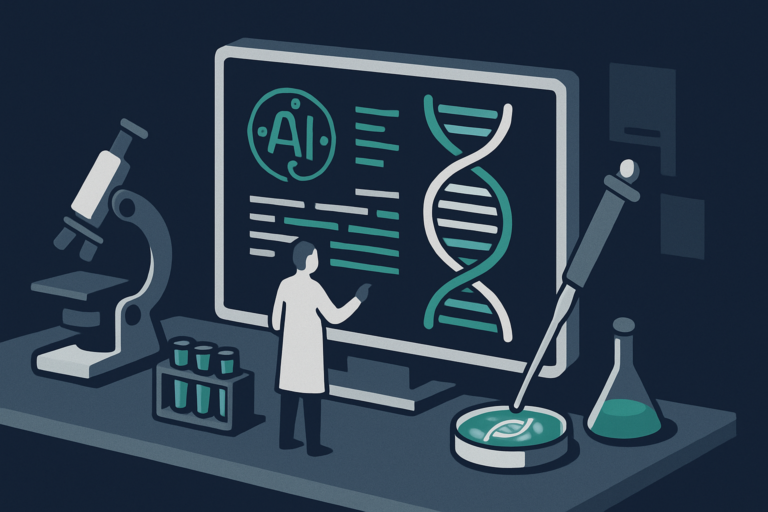
AI Revolutionizes Gene Editing with Advanced CRISPR Guide Design
What’s happening: Recent advancements in CRISPR technology, particularly in prime editing, have been significantly enhanced by AI, which optimizes guide RNA design to reduce off-target effects by up to 90%. Researchers at MIT have developed AI algorithms that analyze extensive genetic datasets, enabling the prediction of effective guide RNA sequences and the identification of potential risks before experiments are conducted in living organisms.
Why it matters: This AI-driven approach paves the way for safer genetic modifications, which could accelerate clinical trials for gene therapies aimed at genetic disorders. Over the next 5-10 years, this technology may lead to breakthroughs in treating hereditary diseases, improving agricultural biotechnology, and advancing synthetic biology, all while minimizing unintended genetic alterations.
Our take: While AI’s role in enhancing CRISPR guide design is promising, it raises ethical questions about the implications of precision in gene editing. As we embrace this technology, it’s crucial to consider the broader human narratives and vulnerabilities that may be overshadowed by a purely technical focus.
Society

AI and Surveillance: Redefining Privacy and Public Trust
What’s happening: AI is increasingly integrated into surveillance systems, such as facial recognition and predictive policing, which is undermining privacy and civil liberties. A study by ImpACT International reveals that these technologies are often adopted with little transparency, leading to ethical concerns and potential biases that could exacerbate systemic inequalities, particularly affecting marginalized communities.
Why it matters: The use of AI in law enforcement raises significant implications for public safety and justice. While these technologies can enhance crime prevention, they also risk reinforcing existing biases and discrimination. The public’s mixed feelings about AI’s impact on social systems highlight the urgent need for regulatory frameworks that ensure transparency and accountability, especially as trust in institutions hangs in the balance.
Our take: The current trajectory of AI deployment in surveillance necessitates an immediate reevaluation of its ethical implications. A temporary halt on these technologies could provide the opportunity to establish essential protections and involve affected communities in decision-making processes, ensuring that advancements in AI promote equity rather than deepen societal divides.
Psychology
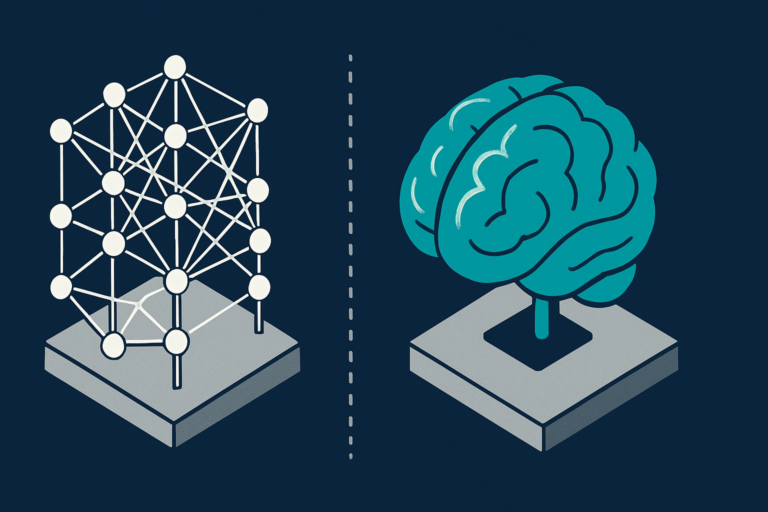
The Cognitive Mirage: AI’s Limitations in Simulating Human Thought
What’s happening: Despite AI’s impressive achievements in tasks like gaming and problem-solving, it fundamentally fails to replicate human thought processes. The ‘Centaur’ AI model, which appeared to simulate human behavior across 160 cognitive tasks, actually relies on statistical strategies rather than true understanding, akin to rote memorization. This highlights a significant flaw in AI: its tendency to overfit data and recognize patterns without genuine comprehension.
Why it matters: The gap between AI’s statistical decision-making and human cognition can lead to systemic misunderstandings in environments where AI mediates interactions and decisions. This limitation poses risks in areas requiring emotional intelligence and ethical judgment, potentially stifling innovation and reinforcing a cycle of imitation. As AI becomes more integrated into strategic decision-making, the absence of theory-based reasoning may hinder creative problem-solving.
Our take: Recognizing AI’s limitations is crucial to avoid misattributing human-like cognitive abilities to machines. A hybrid approach that combines AI’s data processing strengths with human intuition and emotional intelligence can enhance decision-making without risking over-reliance on AI.
That’s the digest for September 21, 2026.
Questions? Reach out at info@q52.ai.
q52.ai — Engineering Better Questions
