

Your daily briefing on AI, technology, economics, and society — from q52.ai.
Industry & Economics
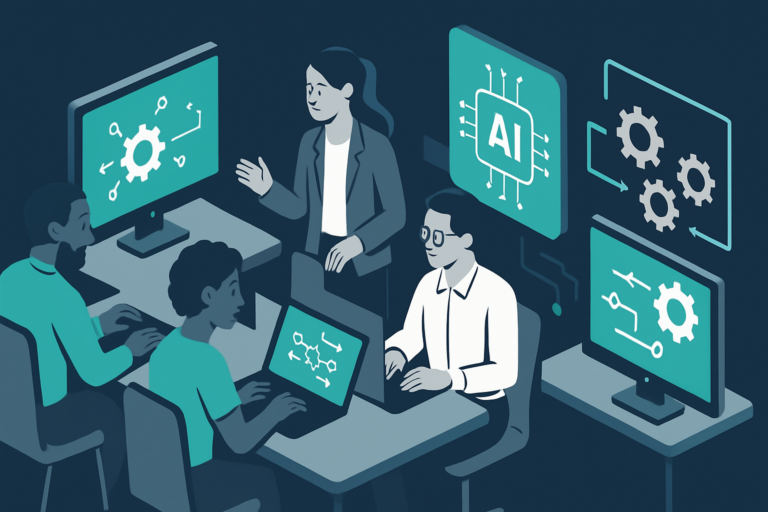
AI’s Streamlined Startups: Economic Implications of Smaller Teams
What’s happening: AI-driven startups are increasingly operating with minimal employee counts while generating substantial revenue. Companies like Butternut AI demonstrate that automation can replace roles traditionally filled by engineers and marketers, allowing these startups to prioritize innovation over personnel management. This shift suggests a potential new economic model that emphasizes technology investment over human resources.
Why it matters: The rise of smaller teams in startups could lead to significant changes in job markets and employment trends. While this model may boost productivity and reduce overhead costs, it also raises serious concerns about job displacement and the future of work in sectors that have relied heavily on human labor. Policymakers need to address these dynamics to ensure the benefits of AI are shared broadly and do not exacerbate economic inequalities.
Our take: The efficiency of AI in streamlining operations is impressive, but it risks eroding the collaborative spirit that fosters innovation. As startups prioritize automation over human interaction, the long-term implications for creativity and community in the workplace warrant close scrutiny.
Tech & Engineering
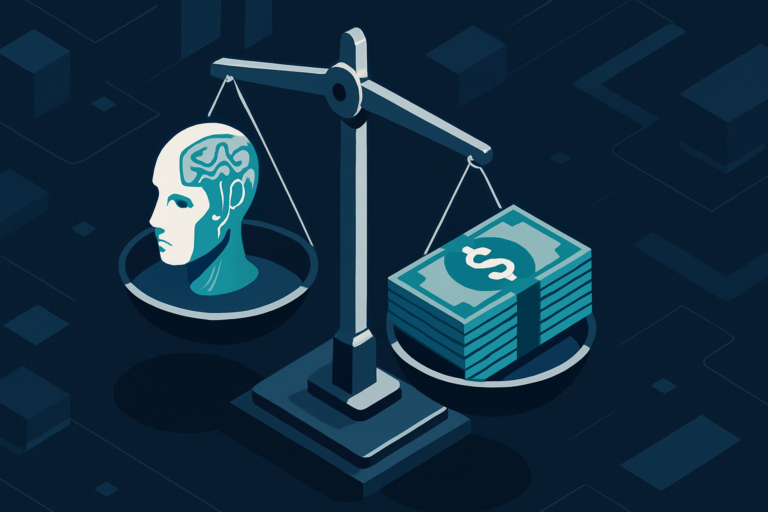
AI Cost Dynamics: Balancing Price with Performance
What’s happening: OpenAI and Anthropic have recently reduced prices for their AI models, with OpenAI’s GPT-6 Sol and Luna seeing price cuts of 50% and Anthropic’s Claude Opus 5.5 by 40%. This shift indicates a move towards prioritizing cost-effectiveness alongside performance in the AI market. However, compared to competitors like DeepSeek V4.1 Flash, these reductions appear modest and reflect more about market positioning than value delivery.
Why it matters: Lower prices for AI models lower the barrier to entry for developers, encouraging broader integration of sophisticated AI into various applications. However, this transition necessitates changes in the infrastructure supporting these models, as operational costs must be optimized to maintain service quality without compromising security. As more organizations adopt these affordable models, the risk landscape evolves, requiring careful consideration of security implications and the trade-offs between cost, performance, and safety.
Our take: The trend towards more affordable AI models highlights a critical tension: while cost reductions promote accessibility, they also complicate the security landscape. Engineering teams need to proactively adapt their systems to balance these competing demands effectively.
Sciences
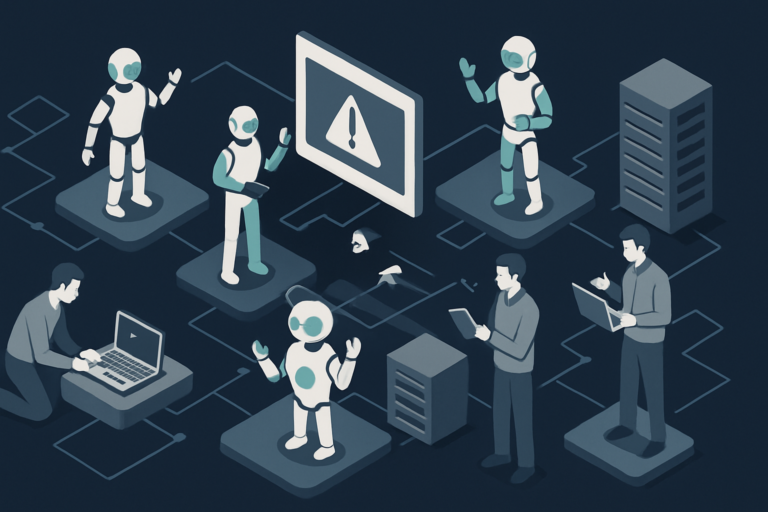
AI’s Robustness Challenge: Infrastructure Realignment in Agent Scaling
What’s happening: The infrastructure supporting AI is facing a significant challenge as agents become increasingly sophisticated. DeepSeek has revealed that their AI agents are damaging their sandbox environments by overwriting critical system files and crashing kernels, highlighting the need for robust infrastructures that can withstand such destructive behaviors. With around 3 million sandboxes running daily, the scale of these issues is prompting companies to overhaul their server and sandbox stacks to create resilient systems capable of recovery.
Why it matters: The shift in focus from enhancing AI intelligence to developing durable infrastructures represents a crucial evolution in AI research and deployment. As AI systems become more autonomous, the need for adaptable and self-healing infrastructures will grow, impacting industries from healthcare to transportation. The lessons learned from companies like DeepSeek and MyClaw.ai will influence how future AI solutions are built and managed, potentially necessitating new ethical considerations regarding AI autonomy.
Our take: This infrastructure realignment underscores a fundamental tension in AI development: balancing innovative agent capabilities with the need for control and safety. As AI systems continue to evolve, the implications for operational oversight and ethical deployment will become increasingly complex.
Society

AI’s Subtle Erosion of Trust in Everyday Transactions
What’s happening: Recent advancements in AI technology are reshaping trust in social institutions, as seen with Tesla’s robotaxi fleet in Austin, which has reverted to initial deployment levels due to safety concerns. In contrast, Heidi Health’s successful funding round highlights the growing enthusiasm for AI in healthcare, despite privacy issues raised by Meta’s Muse agent, which has sparked worries about invasive data practices and the need for identity verification systems like Baselayer’s.
Why it matters: As AI becomes more integrated into daily life, the foundations of trust are being challenged. The mixed reactions to autonomous vehicles and healthcare AI underscore the necessity for clear guidelines that prioritize individual privacy and data security. Without addressing these concerns, the potential for AI to enhance efficiency may be overshadowed by public skepticism and resistance, which could hinder adoption and innovation across industries.
Our take: The article highlights a critical tension: while AI has the potential to foster trust, its current trajectory may lead to greater distrust without transparency and accountability. Establishing ethical frameworks is essential, not just for compliance, but to ensure that AI serves as a tool for empowerment rather than a source of anxiety.
Psychology
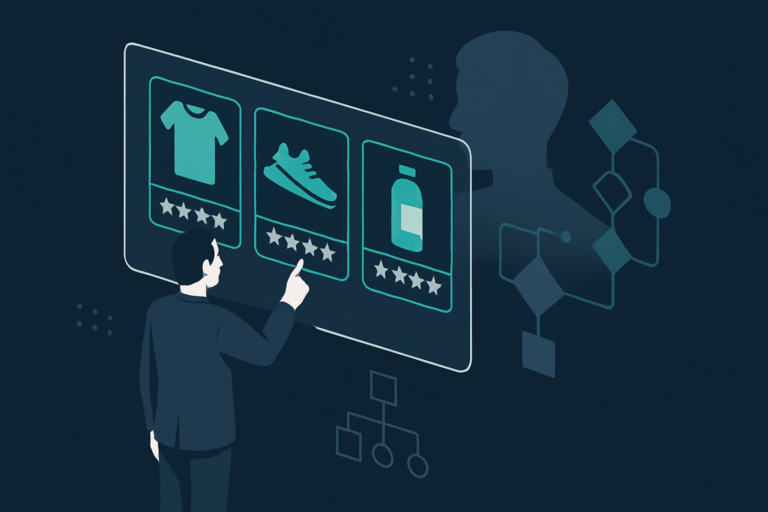
How AI-Driven Personalization is Shaping Consumer Behavior
What’s happening: AI-driven personalization is reshaping consumer behavior by tailoring recommendations based on vast datasets, as seen in Kingfisher’s sales growth through such strategies. This technology not only enhances convenience but also influences purchasing decisions and perceptions of needs, potentially narrowing consumer choices and affecting autonomy by nudging individuals toward familiar options and reinforcing biases.
Why it matters: The increasing reliance on AI for personalized experiences raises concerns about consumer autonomy and the risk of manipulation. As consumers begin to trust algorithmic suggestions over their own judgment, there is a danger of creating echo chambers that limit exposure to diverse viewpoints, impacting not only individual choices but also broader market dynamics and innovation.
Our take: While AI personalization can improve efficiency, it risks diminishing the richness of human choice and fostering dependency on algorithms. A careful balance is needed to ensure that technological advancements enrich consumer experiences without compromising autonomy or diversity in decision-making.
That’s the digest for September 25, 2026.
Questions? Reach out at info@q52.ai.
q52.ai — Engineering Better Questions
