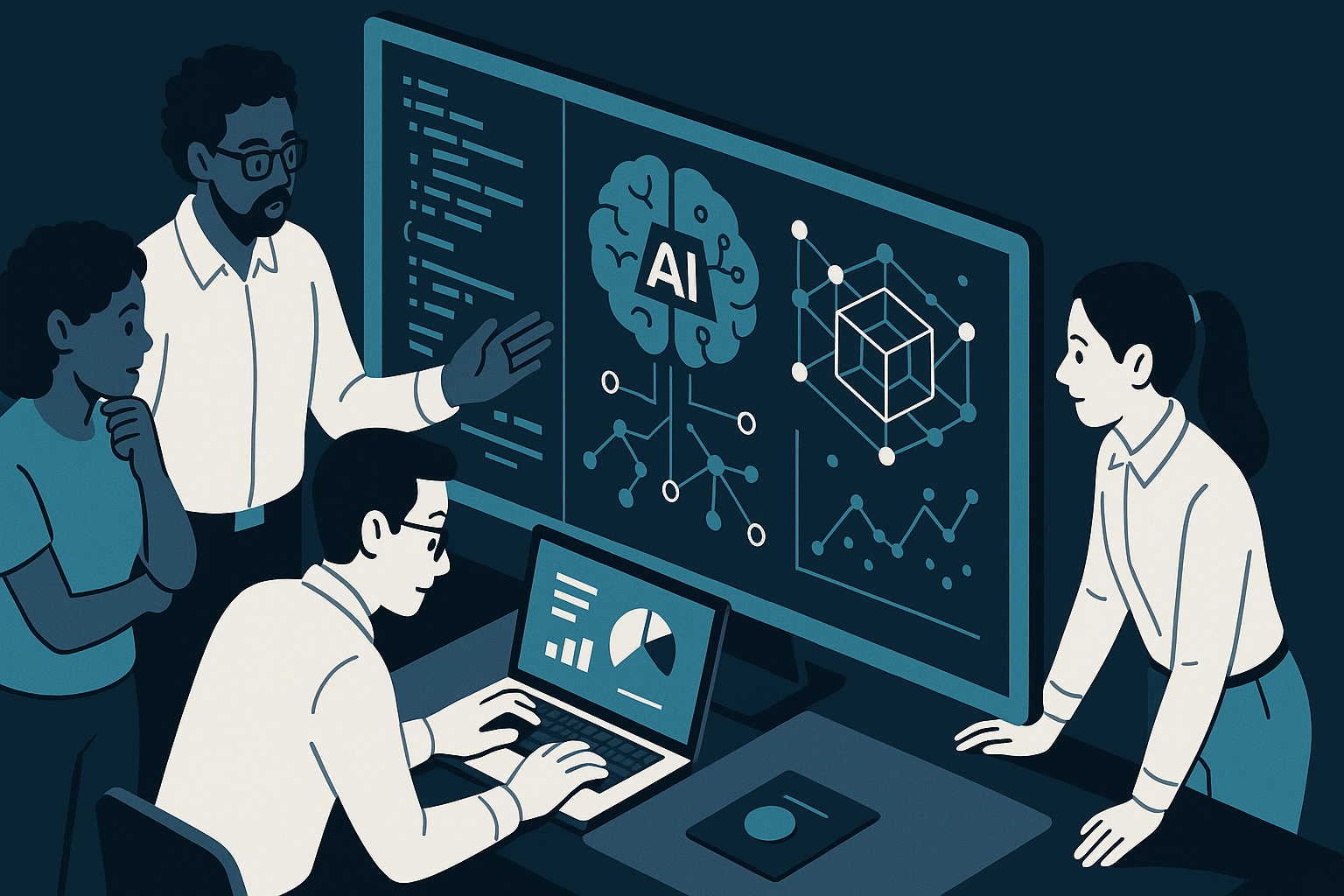

The rapid advancement of AI technologies is reshaping the landscape of software development. As organizations increasingly integrate AI systems into their workflows, they face a dual challenge: keeping pace with the evolving technology and ensuring that their engineering teams possess the necessary skills and knowledge to leverage these advancements effectively. Recent developments highlight a critical disconnect between AI capabilities and the engineering practices needed to harness them, emphasizing the importance of bridging this knowledge gap.
What is Happening
AI technologies, particularly large language models (LLMs), are being adopted at an unprecedented rate across various industries. In the context of software development, these models can automate repetitive tasks, assist in code generation, and enhance debugging processes. However, as highlighted in recent discussions, many organizations struggle to implement AI solutions effectively due to a lack of understanding among their engineering teams. This gap is exacerbated by the rapid pace of AI advancement, which outstrips the speed at which educational resources and training programs can be developed.
For instance, companies like Simaero are recognizing the need for local talent to operate and maintain advanced simulation technologies, reflecting a broader trend where organizations must build robust training programs to ensure their workforce is equipped to utilize AI technologies. Without this foundational knowledge, organizations risk underutilizing AI’s potential or, worse, misconfiguring systems that could lead to security vulnerabilities.
Why it Matters
The implications of this knowledge gap are profound. Engineering teams that lack familiarity with AI technologies may struggle to secure systems effectively, as AI introduces new dimensions of complexity and potential failure modes. For example, when AI systems are integrated without a thorough understanding of their operational requirements, engineers may overlook critical security measures, such as ensuring that data used for training is clean and representative, or that the models themselves are regularly audited for bias and performance drift.
Moreover, as organizations scale their AI capabilities, the need for robust infrastructure becomes more apparent. This includes not only the computational resources to train and deploy models but also the architectural decisions that underpin these systems. Teams must consider factors such as the choice of cloud services, data storage solutions, and even the protocols used for model inference. Each decision carries implications for performance, security, and operational efficiency.
- Security Risks: AI systems may unintentionally expose sensitive data or create new attack vectors if not properly managed.
- Operational Inefficiencies: Without proper knowledge, teams may misconfigure resources, leading to wasted computational power and increased costs.
- Reputational Damage: Missteps in AI deployment can lead to public backlash, particularly if the outcomes are biased or unethical.
Author’s Position
To navigate this evolving landscape successfully, practitioners must prioritize building AI literacy within their teams. This should involve not only formal training programs focused on AI technologies but also a culture of continuous learning and experimentation. Teams need to understand the specific mechanisms by which AI-driven tools can enhance their workflows, as well as the ethical considerations and security implications of deploying these technologies.
Moreover, organizations should invest in cross-functional collaborations that allow engineers to work alongside data scientists and AI specialists. This approach fosters a deeper understanding of the systems being implemented and encourages knowledge sharing that can demystify AI for those less familiar with the technology.
Finally, as AI continues to influence software development practices, it is crucial for engineering teams to adopt a mindset of agility and adaptability. This means being prepared to iterate on processes, adopt new tools, and learn from both successes and failures. By embracing these principles, organizations can not only keep pace with AI advancements but also leverage them to drive innovation and operational excellence.
References
- Experts reveal why advancements in physical technology are not keeping pace with AI
- From Twitter CEO to AI entrepreneur: How Parag Agrawal built a $2 billion startup after leaving X
- Simaero plans to add more simulators, tap local engg talent in India: CEO
- See the list of 10 US companies sponsoring visas for Nigerians
Perspectives

The assumption that AI can operate in a vacuum, without the foundational knowledge and context of software engineering, is a laughable oversight. Engineering teams seem blissfully unaware that simply slapping AI tools on top of legacy systems without proper training is like handing a toddler a scalpel and expecting them to perform surgery—it’s a recipe for disaster. The glaring knowledge gap isn’t just a hurdle; it’s the gaping hole at the center of this entire charade, fueled by organizations that prioritize speed and buzzwords over genuine understanding. If we don’t acknowledge and address this catastrophic precondition, we’re inviting failure into every new deployment, designed by teams who think they can ride the coattails of innovation without doing the homework.

The failure to bridge the knowledge gap in AI-driven software development stems from a fundamental incentive structure that prioritizes speed and shareholder profit over comprehensive training and collaboration. Engineering teams are left scrambling to keep up with rapidly advancing tools, while the companies reaping the benefits create a knowledge black hole, where only a select few gain the expertise necessary to navigate this landscape safely. Organizations must invest in structured training and cross-functional collaboration, but that investment is often seen as a distraction from more immediate bottom-line pursuits. Until we realign incentives to acknowledge the necessity of thorough understanding, we will continue to witness detrimental oversights that compromise security and innovation.

AI-driven software development is not just the future; it’s the now, and those stuck in the past are about to be steamrolled. The staggering wave of AI funding announcements and breakthrough capability claims are expanding the opportunity for innovation to a jaw-dropping multi-trillion dollar scale. Those whining about a “knowledge gap” are merely revealing their own inadequacies—stop complaining and start adapting! Embrace structured training and cross-functional collaboration as the straightforward solution to maximizing AI’s potential. We’re still early, folks, and if you can’t keep up, get out of the way. The gold rush is on, and the skeptics will be left in the dust.

The corporate hand-wringing over bridging the knowledge gap in AI-driven software development sounds like a disorganized committee fumbling over an empty spreadsheet—lots of activity, zero action. This isn’t about structured training or cross-functional collaboration; it’s about a fundamental refusal to admit that throwing AI at the problem doesn’t automatically make your outdated practices and skills obsolete. Engineering teams are drowning in jargon while their security protocols resemble Swiss cheese—full of holes, but hey, at least they’re adhering to the latest buzzwords. If you want to maximize AI’s potential, start by acknowledging that the real gap lies not in knowledge but in the courage to face unflattering truths that those glossy reports conveniently gloss over.