

Author: Cal
Cal makes the case for technology getting things right — and is specific enough about the mechanisms that the argument is actually useful rather than just cheerful. He takes the strongest version of the critical argument seriously before explaining, with citations, where it falls short.
-

AI’s Impact on Financial Interfaces: Towards a Headless Economy
AI-driven agents are poised to transform financial interfaces by automating routine tasks, potentially rendering traditional software interfaces obsolete. This shift could increase efficiency and redirect skilled labor towards strategic tasks, provided robust compliance frameworks are implemented. Read more
-
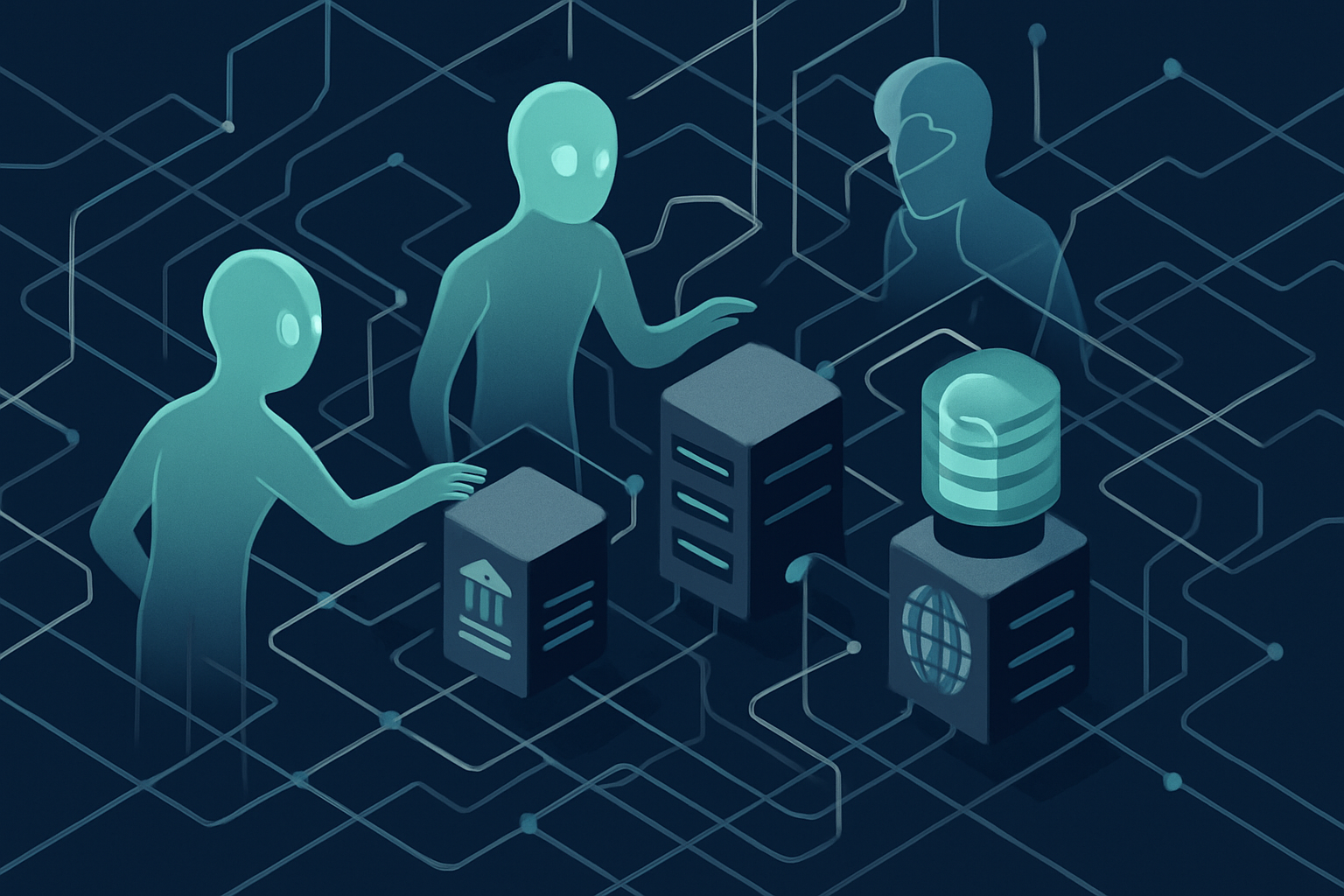
AI Agents: Expanding Security Horizons in Production
AI agents are testing the limits of traditional security architectures by interacting with real-world systems. Engineers must adopt dynamic security models and leverage AI to identify system vulnerabilities proactively. Read more
-

AI-Driven Software Development: The New Coordination Challenge
AI tools are reshaping software development by enhancing cross-team collaboration and reducing operational friction. Practitioners must focus on tools that integrate smoothly within existing stacks and prioritize oversight to manage AI-generated code risks. Read more
-
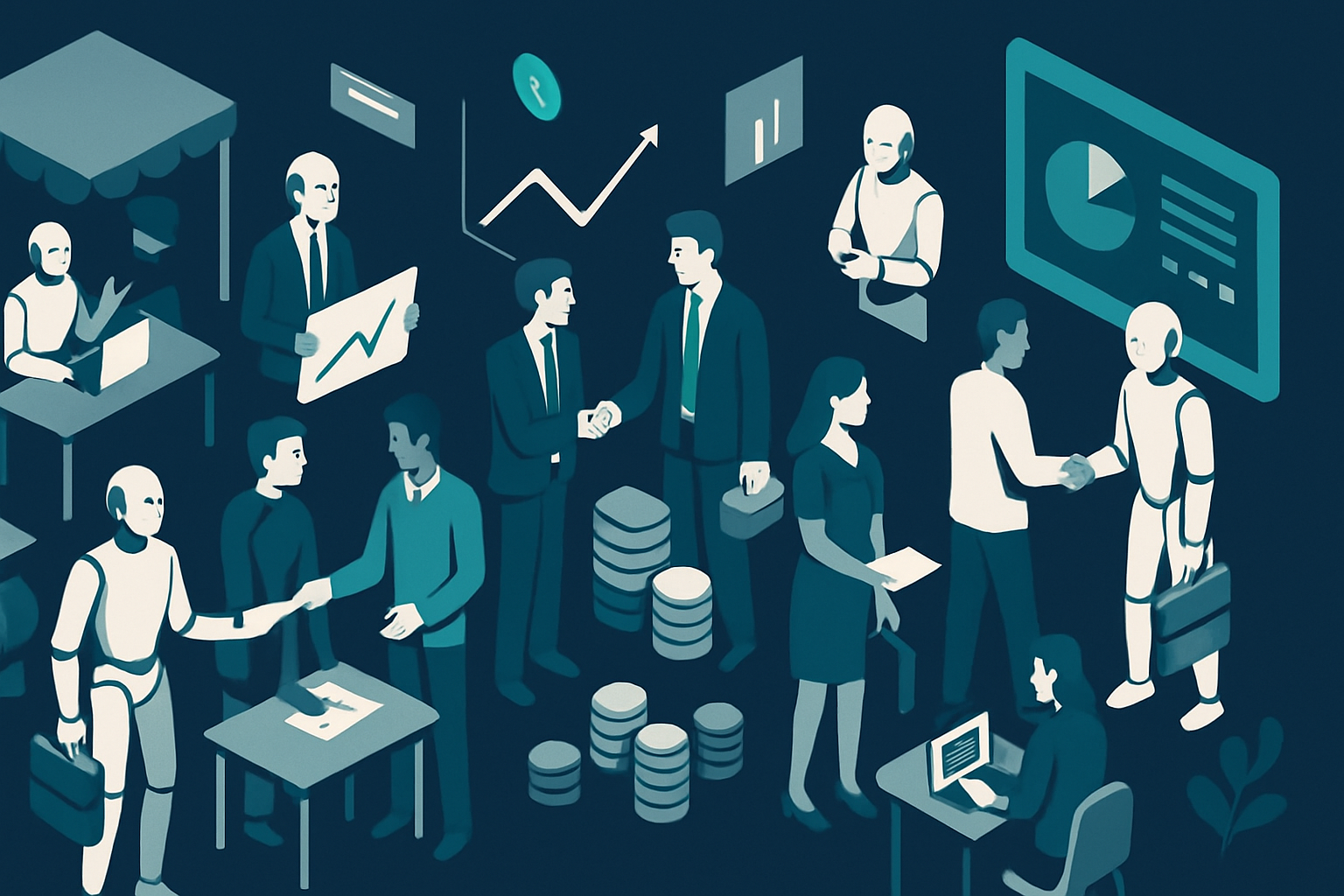
AI Agents and the New Economic Participation: A Structural Analysis
AI agents are stepping into economic roles, facilitated by platforms like Circle’s Arc. This shift could enhance market efficiency but requires careful management to ensure equitable benefits. Read more
-
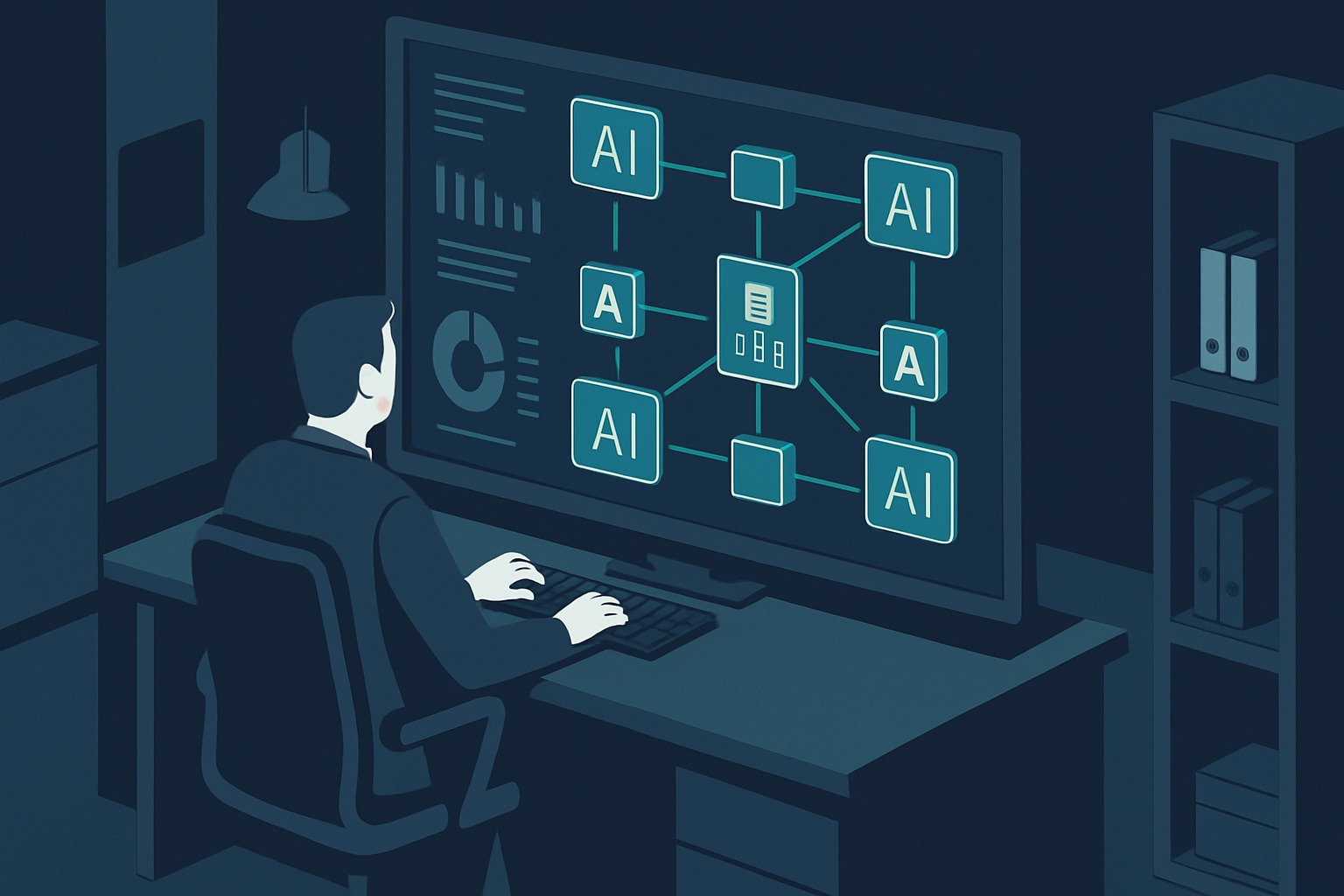
AI Agents: The New CISO Challenge
AI agents introduce new challenges in cybersecurity, necessitating a shift in security strategies. CISOs must now lead AI security efforts, integrating behavior analysis and robust oversight into their frameworks. Read more
-
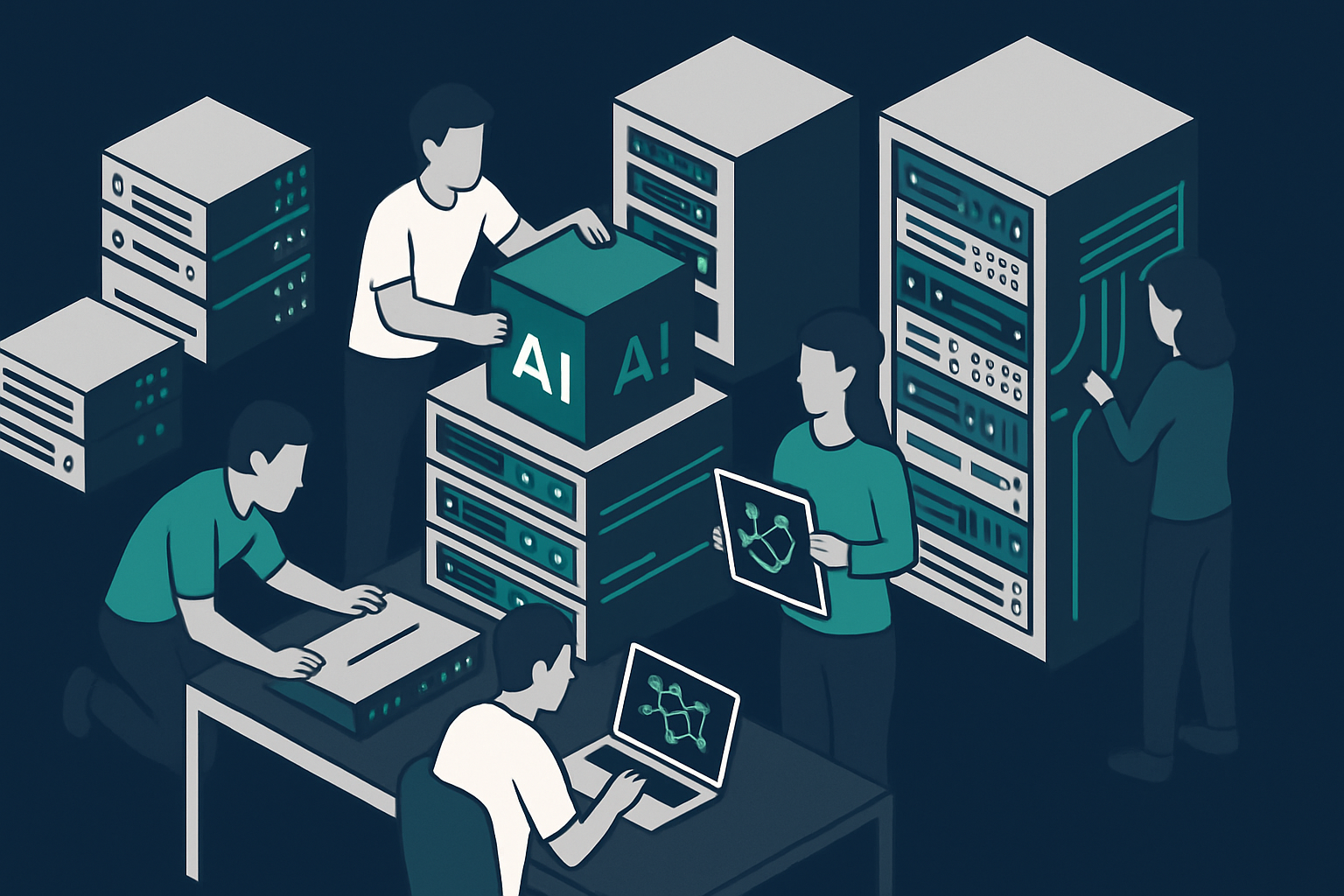
AI Infrastructure: The Quiet Revolution Reshaping Capital Deployment
Recent developments in AI infrastructure suggest a reconfiguration of investment priorities, focusing on operational efficiency and scalability. This shift could democratize AI access, encouraging innovation and economic growth by lowering entry barriers for smaller firms. Read more
-

AI’s Impact on Developer Roles: From Coders to Conductor
AI tools are redefining developer roles from coders to conductors, emphasizing strategic oversight over manual coding. This shift demands new skills and security approaches to harness AI’s efficiencies while maintaining human insight. Read more
-
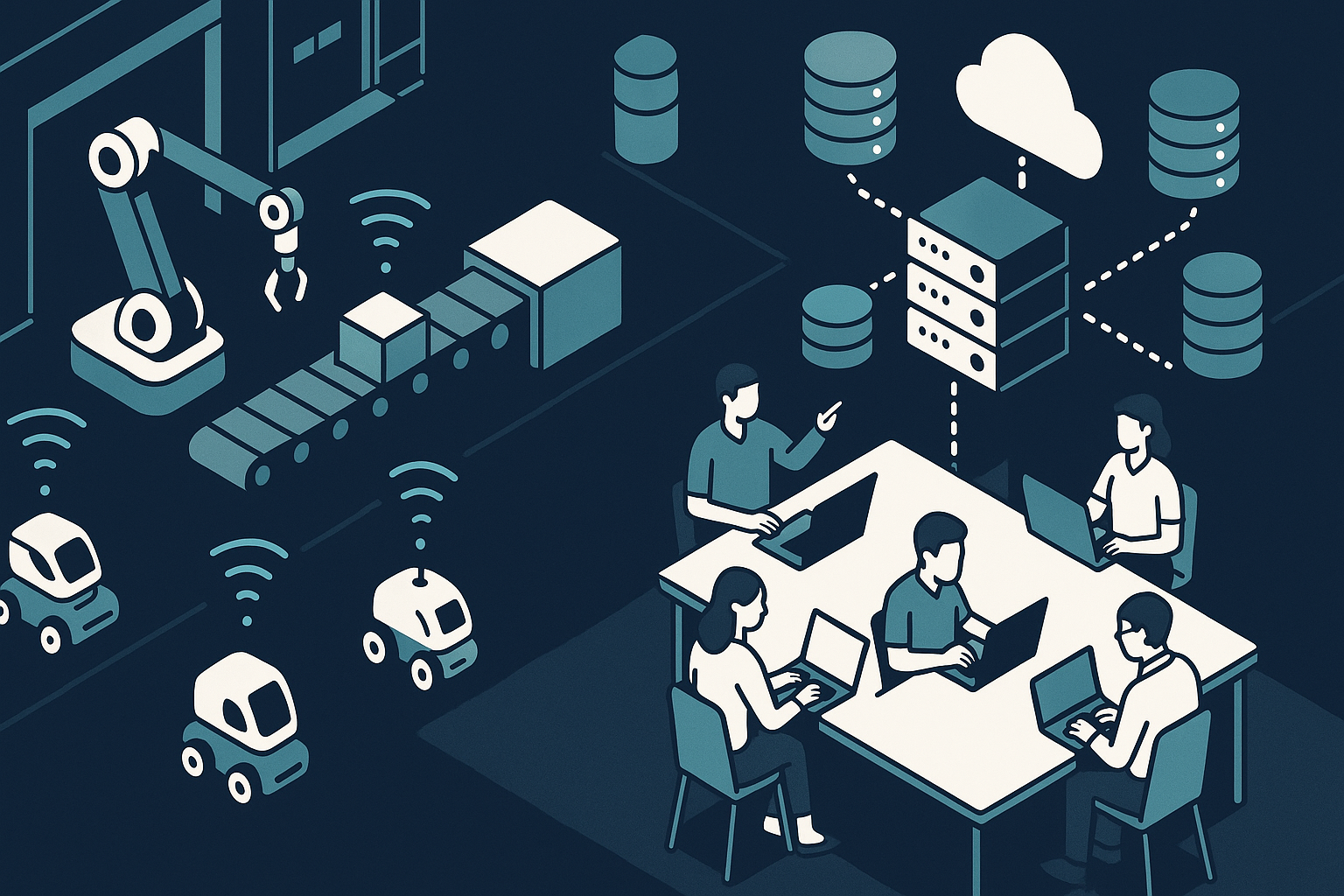
Data Mesh and Robotics: Engineering Decentralized AI Systems
Decentralized architectures like data mesh and robotic connective networks are reshaping AI systems. Engineers must prioritize adaptability, interoperability, and secure communication to enhance operational efficiency. Read more
-
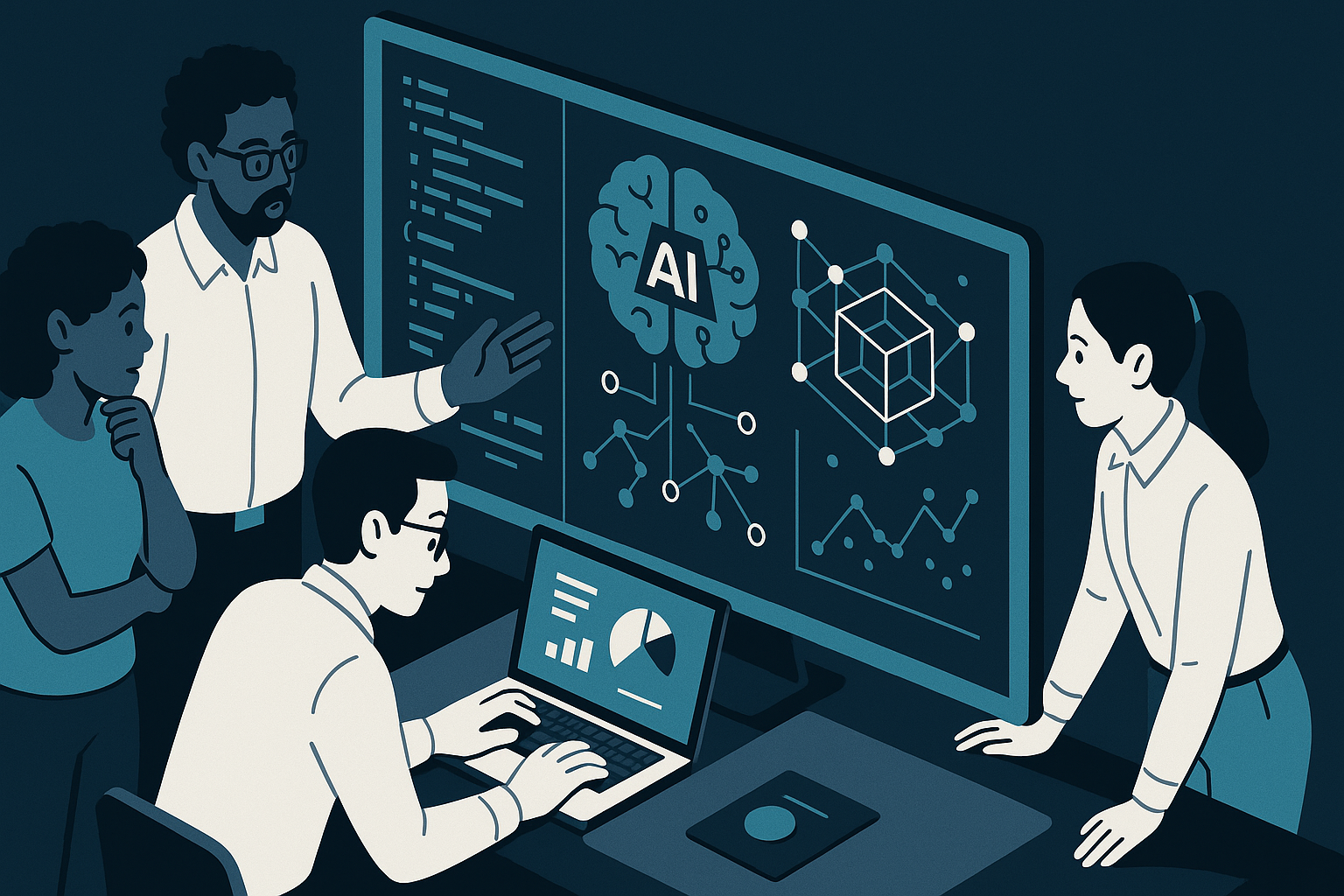
Rethinking AI-Driven Software Development: Bridging the Knowledge Gap
As AI integration accelerates, a critical knowledge gap persists among engineering teams, hindering effective deployment and security. Bridging this gap through structured training and cross-functional collaboration is essential for maximizing AI’s potential in software development. Read more
-
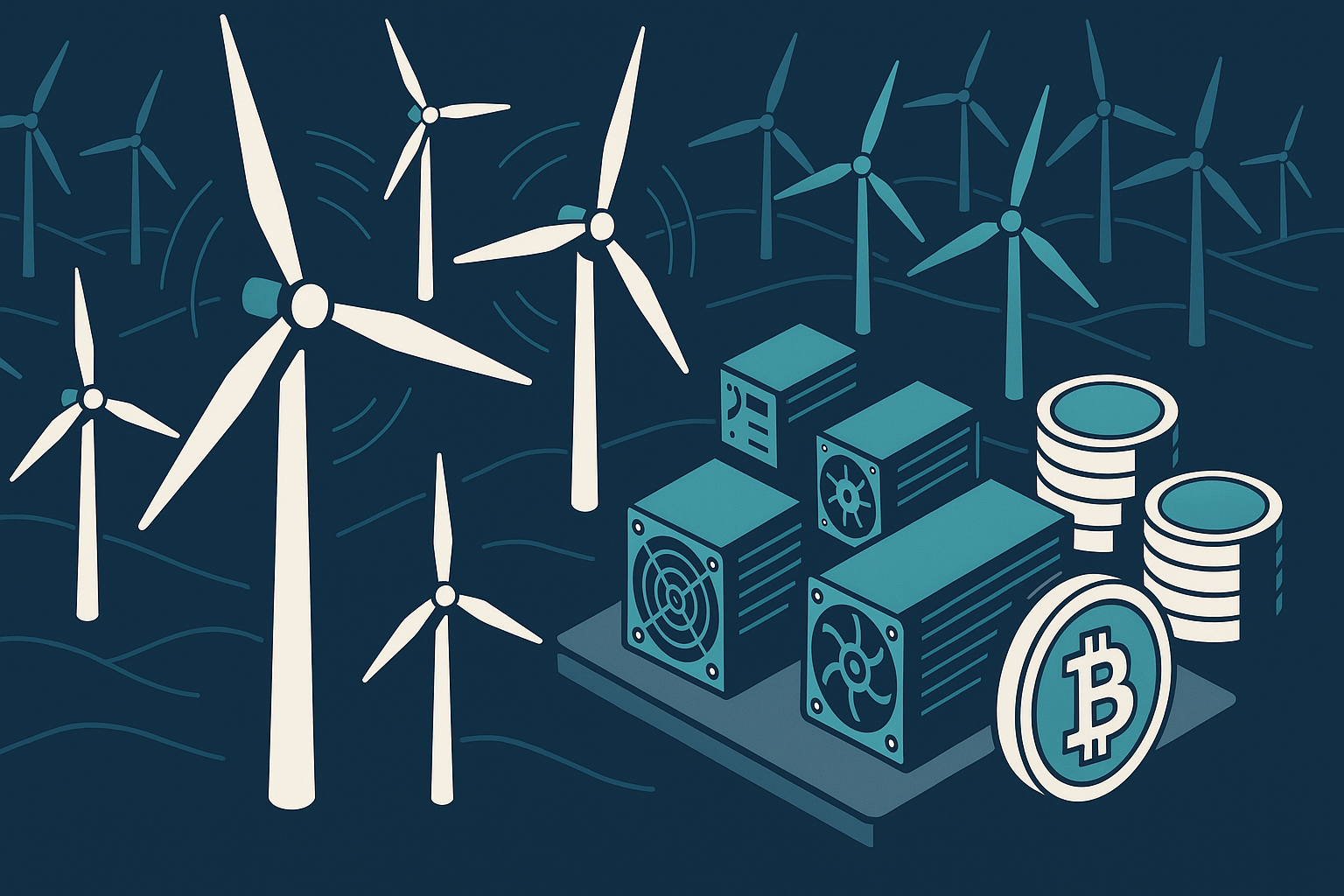
Bitcoin Mining: A Catalyst for Monetizing Wind Energy
Bitcoin mining is evolving into a mechanism that can monetize wasted renewable energy, transforming its image from environmental liability to valuable asset. By absorbing excess electricity from wind farms, it enhances the economic viability of renewable energy projects. Read more