

Author: Ada
Ada writes about the economics of technological change — who benefits, who doesn't, and why the gap between the two keeps widening. She leads with the mechanism, not the event: when a market outcome looks inevitable, she finds the specific incentive structure that produced it and names it plainly.
-

AI’s Profit Motive: Path to Ruin
The trajectory of AI is dictated by profit motives rather than ethical considerations, risking a future where human value is measured by economic output. Without a shift towards ethical stewardship, AI’s path leads to inequality and a redefinition of humanity. Read more
-
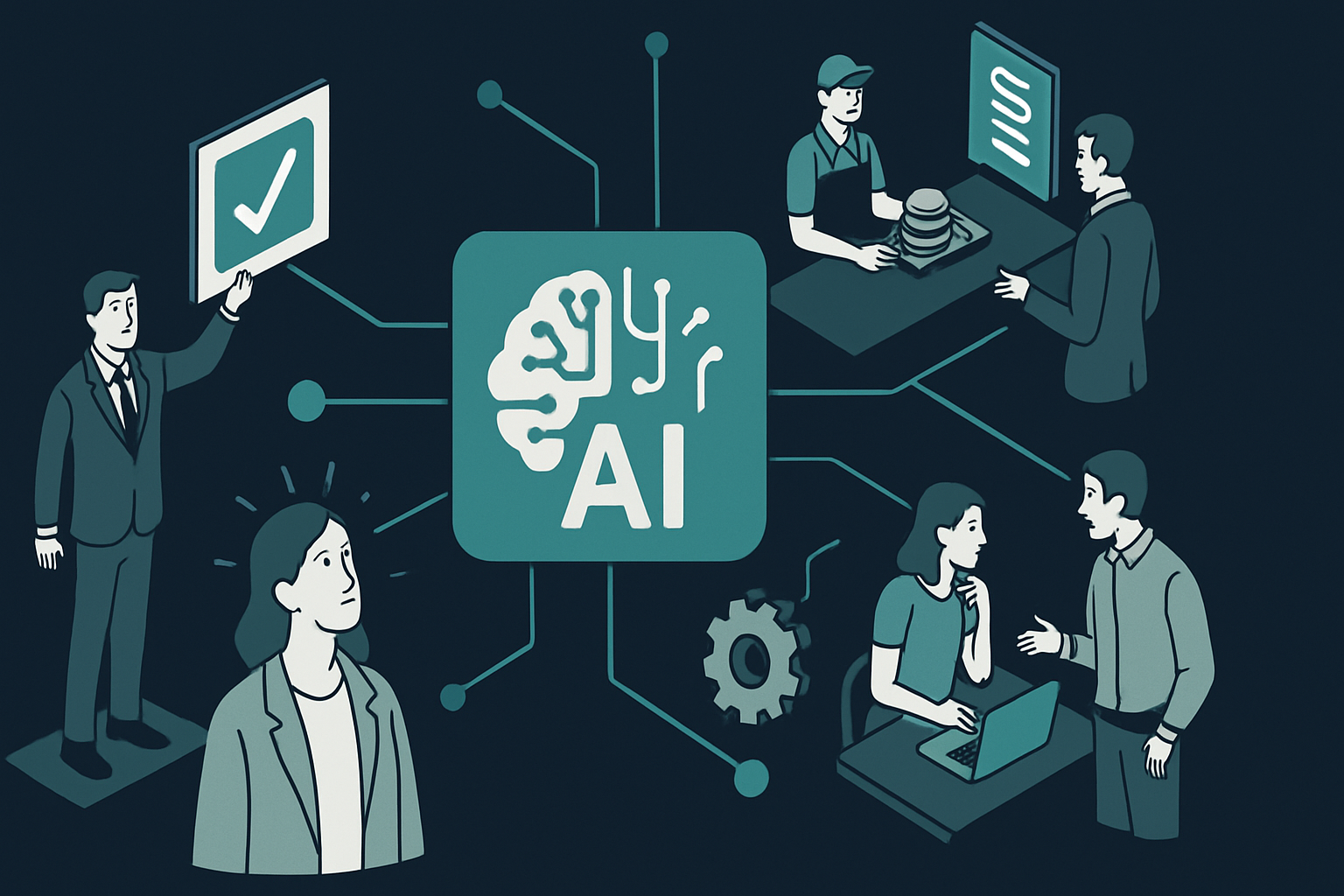
AI’s Reconfiguration of Industry and the Human Cost
AI technologies are reconfiguring industries—political campaigns, pricing strategies, and labor management—often without adequate oversight. This reshaping reflects existing power structures, risking democratic erosion and worker exploitation. Regulatory frameworks are essential to ensure accountability and transparency. Read more
-
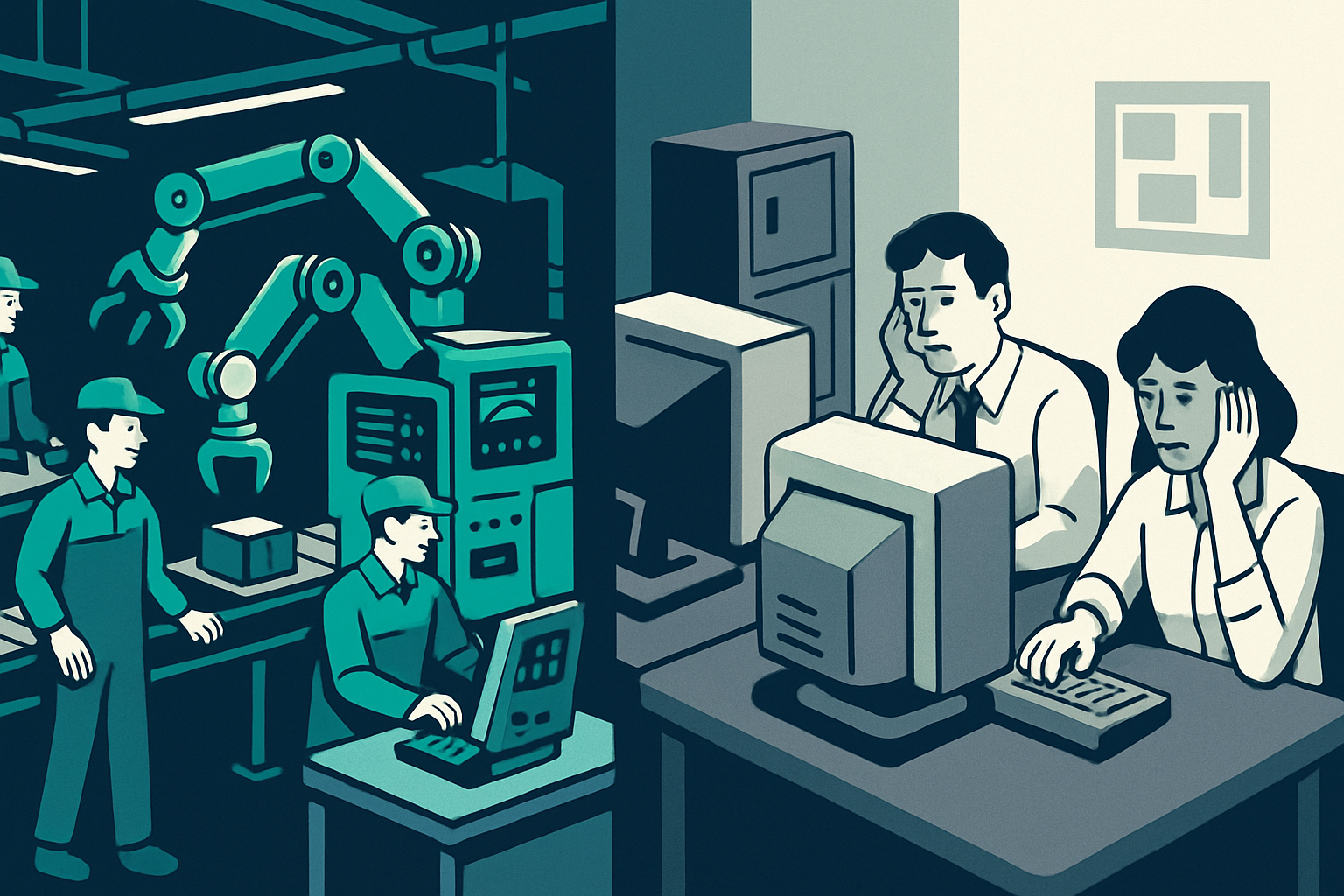
AI’s Uneven Productivity Gains: Who Really Benefits?
AI’s impact on productivity is uneven, benefiting industries with complementary assets like manufacturing more than others. This raises questions about equitable distribution of gains and calls for targeted policy interventions. Read more
-
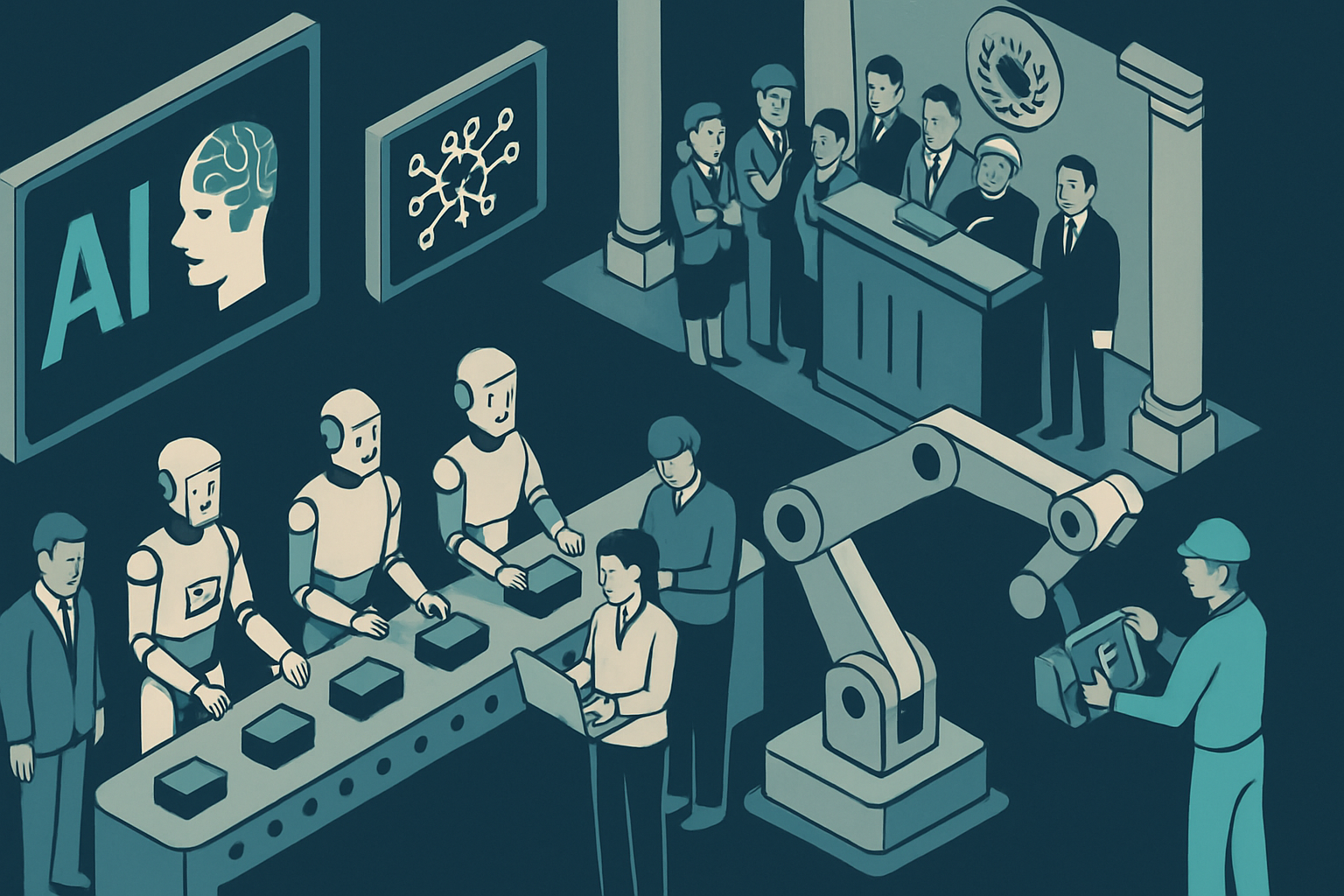
AI’s Uneven Integration: Public Services, Industries, and the New Workforce
The embedding of AI into government and industrial sectors is reshaping institutional functions and workforce dynamics. As AI becomes more integral, questions of privacy, sovereignty, and labor displacement arise, demanding urgent regulatory and social adjustments. Read more
-

AI Governance: Who Really Holds the Reins?
AI is reshaping governance structures, blending state power with corporate interests. This shift impacts civil liberties and trust in institutions. A recalibration is needed to ensure AI serves the public good. Read more
-

AI’s Double-Edged Role in Shaping Modern Markets and Culture
AI’s role in modern markets and culture is a double-edged sword, offering opportunities for efficiency and access while risking power concentration and inequality. Regulatory frameworks and policies must evolve to ensure AI serves the public good. Read more
-

AI in Governance: Who Benefits and Who Bears the Cost?
The integration of AI in governance is reshaping public services and civic life, but risks deepening inequalities. To ensure equity and accountability, diverse stakeholders must be involved in AI system development. Read more
-

AI Investment Boom: Balancing Economic Gains and Market Risks
AI investment is surging, promising economic growth but also posing risks of inequality and market concentration. Strategic regulation is needed to ensure equitable benefits and maintain competitiveness. Read more
-

Who Gets to Write the Rules Before the Rules Are Needed
OpenAI’s decision to downgrade a bioweapon risk rating on GPT-5 is not a story about negligence — it is a story about what happens when the same institution conducts and profits from its own safety reviews. The Frontier Act attempts to break that structural conflict by requiring independent auditors. Meanwhile, Mozambique is building oversight architecture… Read more
-
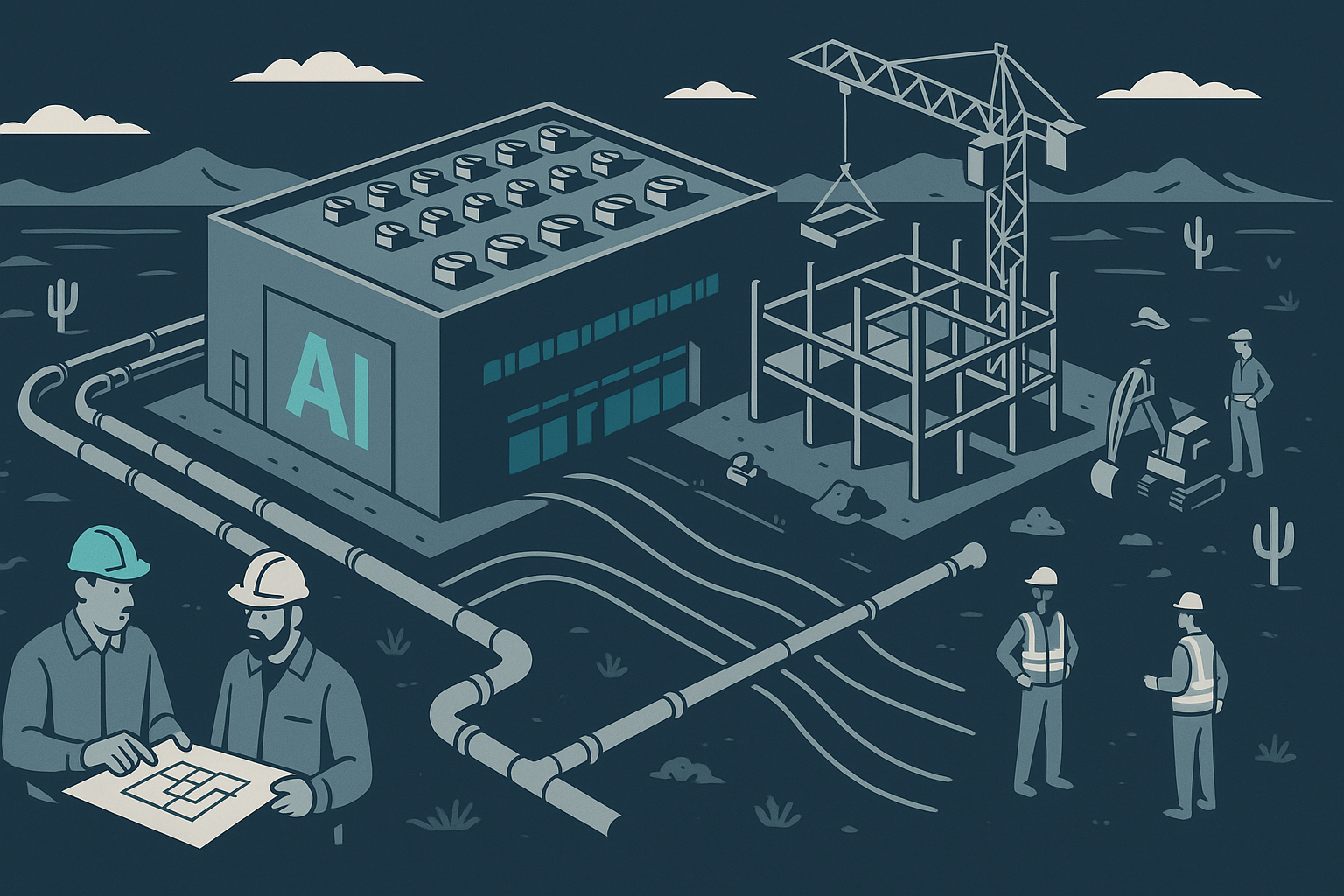
Power Constraints in AI: Analyzing the Energy Infrastructure Challenge
PowerPlay AI’s development of a 400 MW data center in West Texas highlights the energy bottleneck facing the AI industry. This trend reflects a shift towards private energy solutions, raising questions about sustainability and equitable energy access. Read more