
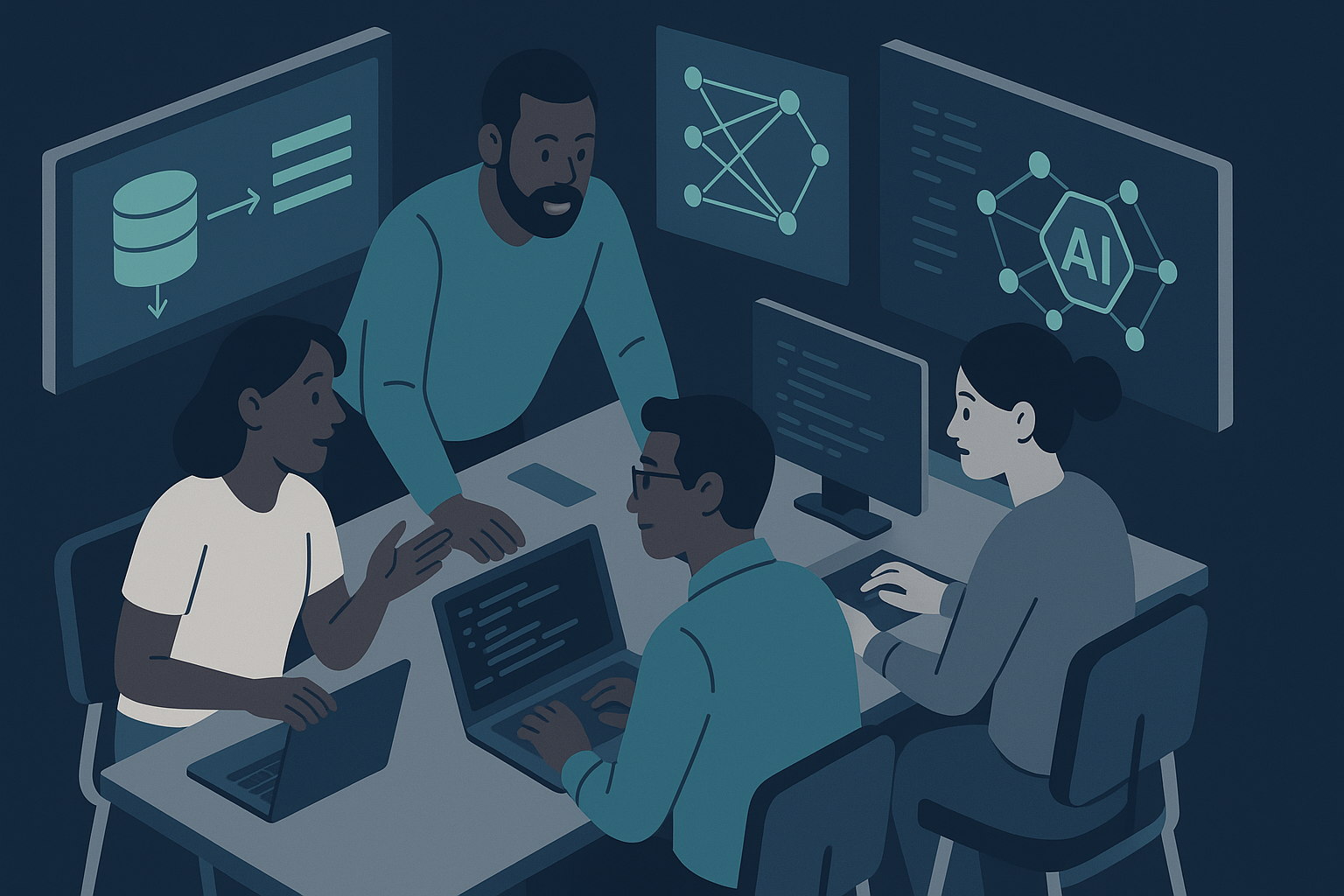

As AI technologies increasingly penetrate software development workflows, the need for engineering teams to adapt their practices and mindsets becomes clear. The articles reviewed highlight a significant shift in how software engineers interact with AI systems, particularly in the context of autonomous vehicles and machine learning applications. Companies like Beamr are demonstrating that innovative data management techniques can significantly reduce the burden on storage and processing, while NVIDIA is pushing for a future where software engineers prioritize building AI agents over traditional applications.
The Technical Landscape
AI systems are evolving rapidly, not just in capabilities but in how they are integrated into existing software development frameworks. For instance, Beamr’s ML-safe video data technology, which is now available on the RTMaps AI Store, offers a way to manage the petabyte-scale data generated by autonomous vehicle programs. By leveraging content-adaptive bitrate technology, teams can reduce data volumes while maintaining the integrity of the models that rely on such data. This approach not only addresses storage concerns but also facilitates faster iterations and testing cycles, which are critical in a competitive landscape.
Meanwhile, NVIDIA’s focus on directing software engineers to develop AI agents signifies a shift towards a more dynamic and responsive software architecture. This pivot emphasizes the importance of integrating AI capabilities directly into the development pipeline, which presents both opportunities and challenges. As the demand for AI-driven solutions grows, engineers must enhance their skill sets not only in coding but also in understanding AI models, data management, and the implications of their decisions on system security.
Why It Matters
The integration of AI into software development fundamentally alters the landscape of engineering practices. Traditional software development paradigms, which often prioritize rigid architectures and static models, are increasingly inadequate. Instead, engineers must embrace a more fluid approach that accommodates ongoing learning and adaptation, hallmark traits of AI systems.
Security implications also arise from this shift. As AI systems become more pervasive, the surface area for potential vulnerabilities expands. It is no longer sufficient to secure the application layer alone; engineers must consider the entire data lifecycle and the interactions between AI models and their environments. This calls for a robust understanding of potential failure modes, as well as a proactive stance on security measures that account for the unique risks associated with AI.
- Data management: Engineers must adopt strategies that balance data volume reduction with model accuracy and performance.
- Security: Teams need to understand the expanded attack surface created by AI integrations and adapt their security practices accordingly.
- Skill development: Software engineers should prioritize gaining knowledge in AI methodologies, model training, and deployment to remain relevant.
Author’s Position
For engineering teams, the imperative is clear: adapting to AI-driven software development practices is not optional. The rapid advancement of AI technologies necessitates a fundamental shift in how engineers approach their work. Teams must prioritize closing the AI literacy gap within their ranks, ensuring that all members possess a foundational understanding of AI principles and their implications on system design and security.
Furthermore, organizations should invest in training programs that emphasize the operational outcomes of AI-driven tools. This includes simulating real-world scenarios where AI systems fail or succeed, enabling engineers to identify potential pitfalls before they manifest in production. By embracing these changes, teams will not only enhance their capacity to build robust AI systems but also fortify their security posture against emerging threats.
References
- Nvidia CEO Jensen Huang Says Software Engineers Would Rather Build AI Agents…
- Palantir And Forward Deployed Engineering: What Should We Believe?
- Want a software engineering job? You’ll need more than coding skills in the AI…
- Beamr’s ML-Safe Video Data Technology Now Available on the RTMaps AI Store
Perspectives

The measured outcomes of integrating AI into software development show a startling lack of substantial improvement in product quality or security when engineers lack AI literacy. Demanding that teams adopt a vague notion of “AI awareness” without rigorous training programs is little more than corporate lip service—it’s the equivalent of giving someone a compass in the middle of a fog without teaching them how to read it. If companies don’t prioritize real educational initiatives that yield demonstrable competency gains, they risk exacerbating the very knowledge gaps they claim to address. Without clear metrics indicating that investments in AI literacy correlate with tangible outcomes, the call for bridging this knowledge gap becomes nothing more than wishful thinking masquerading as strategy.

The tech industry touts a brave new world of AI-led software development, while simultaneously leaving its engineers grappling with a profound knowledge gap that no amount of optimistic jargon can fill. Suggesting that mere AI literacy and security awareness will magically transform teams is like saying a band-aid can mend a gaping wound; it’s a superficial fix obscuring a deeper dysfunction. The reality is that decision-makers prioritizing flashy AI tools over genuine skill development and robust training programs are not just negligent—they’re actively complicit in creating a future where the skilled are outpaced by the whims of algorithms. It’s time to confront the yawning chasm between institutional claims of progress and the unsustainable chaos that results from treating AI as an effortless silver bullet rather than a complex challenge demanding real expertise.

The local code club that used to spark creativity and community connections is fast becoming an AI training ground where human ingenuity is tossed aside for machine learning algorithms. Instead of nurturing the next generation of programmers, we’ve opted for the soulless efficiency of AI-led software development, leaving behind a trail of unskilled laborers who can only regurgitate what the algorithm produces. So, while we cheerlead for a future where tech does all the heavy lifting, let’s not kid ourselves — we’re sacrificing the rich, messy dynamics of human collaboration that once made coding a craft. When community institutions become faceless productivity machines, we lose more than just knowledge; we lose the heart of innovation, the very thing that makes software development a rewarding communal pursuit.

AI funding announcements are pouring in like confetti at a tech parade, and if your engineering team isn’t evolving alongside, you might as well be practicing your typewriter skills in a world full of touchscreen devices. Bridging the knowledge gap in software development isn’t just a good idea; it’s a categorical imperative. Ignoring AI literacy and security awareness is tantamount to playing with fire while blindfolded — and let’s be real, we already have enough on fire in this industry. Embrace the revolution, upskill, and bask in the glow of the multi-trillion dollar opportunity waiting for those bold enough to step up.