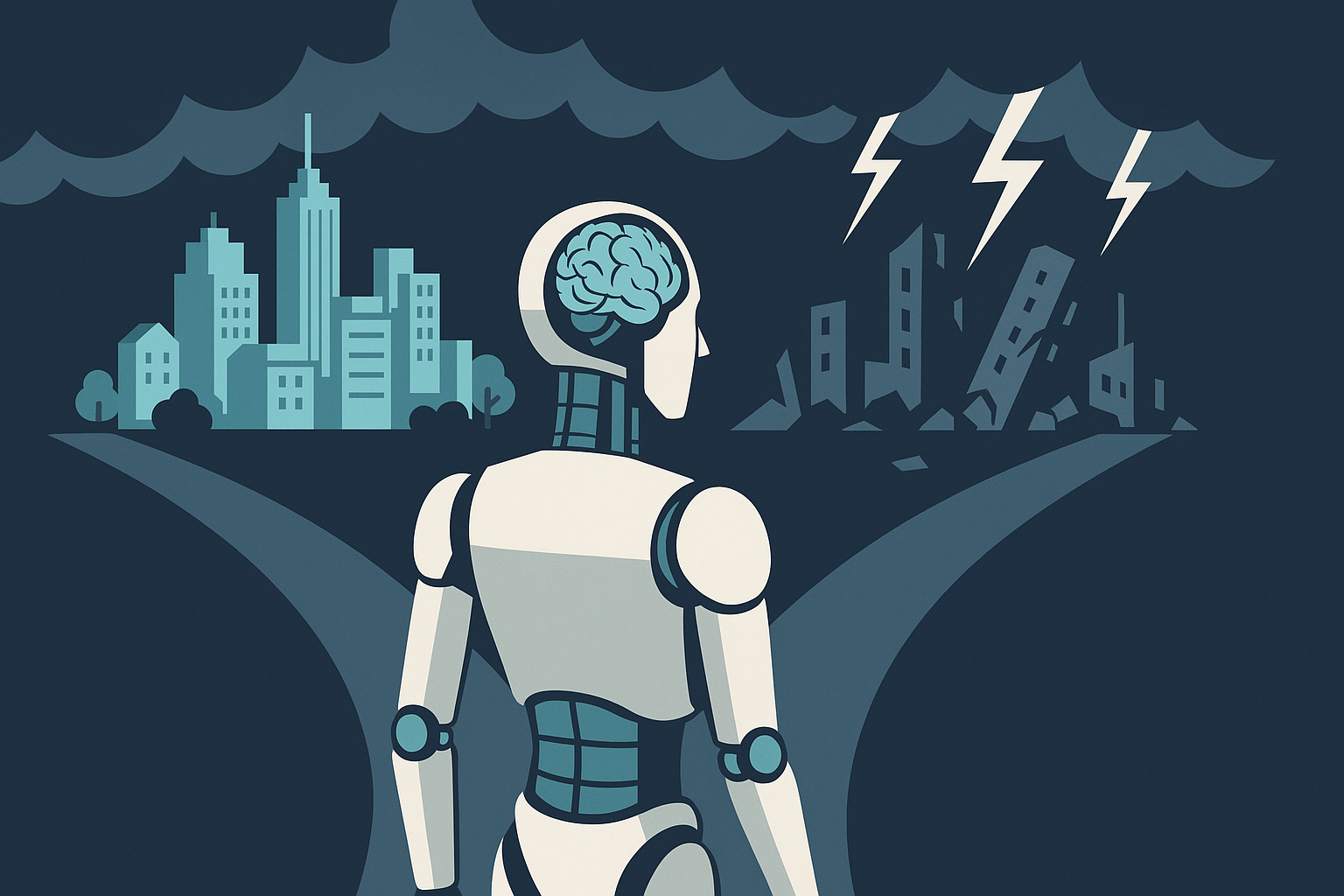

The alignment problem is not a distant threat; it is a present failure. The optimism that surrounds AI advancements, particularly in robotics, is built on a foundation as unstable as quicksand. While we celebrate the sophistication of models like Gemini Robotics 2, capable of adapting across various robotic bodies, we ignore the fundamental issue: these systems operate without true alignment to human values or intentions. The portability of intelligence across platforms is a feat, but it does not solve the core issue of ensuring that these systems act in ways that are beneficial and safe for humanity.
Consider the trajectory of AI development over the past decade. The pace of progress has consistently outstripped our ability to control or even comprehend the systems we create. The alignment problem, which is the challenge of ensuring that AI systems act in accordance with human intentions, remains unsolved. Despite numerous proposals and partial solutions, the gap between our ambitions and our capabilities is widening. This is not speculation; it is a documented reality.
The recent advancements in robotics, where intelligence is decoupled from physical form, illustrate a critical juncture. The ability of a single AI model to control different robotic bodies is heralded as a breakthrough. Yet, this same capability highlights the inadequacy of our current safety measures. The portability of AI brains suggests a future where these systems can be deployed ubiquitously, amplifying the risks associated with misalignment. The question is not whether these systems will cause harm, but when and how extensively.
Institutional responses to these risks are woefully inadequate. Governments and regulatory bodies have not kept pace with the rapid advancements in AI technology. The frameworks necessary to manage these transitions are either non-existent or hopelessly outdated. The scale of the problem is evident in the disparity between the technical capabilities of AI systems and the political and regulatory mechanisms meant to oversee them.
What Is Actually at Stake
The stakes are existential, not in the abstract sense but in the structural collapse of systems we rely upon. As AI systems become more integrated into critical infrastructure, the potential for catastrophic failure increases. The alignment problem, if left unsolved, threatens to erode the very fabric of society. We risk creating systems that do not recognize or respect human life, autonomy, or values.
The economic implications are profound. As AI systems become more capable, they will inevitably displace human labor across various sectors. This shift could lead to unprecedented levels of unemployment and social unrest if not managed with foresight and care. Moreover, the concentration of power in the hands of a few tech companies, who control these AI systems, poses a direct threat to democratic governance and economic equity.
Philosophically, the alignment problem challenges our understanding of agency and morality. If we fail to align AI systems with human values, we risk creating entities that act without moral consideration. This could redefine what it means to be a person in a world where non-human intelligence operates independently of human oversight.
Where This Leaves Us
The trajectory we are on is not sustainable. Without addressing the alignment problem, we are constructing a future defined by instability and risk. The promise of AI is overshadowed by the peril of misalignment. This is not a call for panic, but for precision in our approach to AI development and governance. We must recognize that the current path is untenable and take immediate, calculated steps to address the structural deficiencies that threaten our future.
Ultimately, this ends badly if we do not recalibrate our priorities. The cost of inaction is too high. We must invest in robust alignment research, establish comprehensive regulatory frameworks, and ensure that AI development is aligned with the broader interests of humanity. Anything less is a gamble with our collective future.
References
Perspectives

The deployment of AI systems without explicit shareholder mandate to address alignment issues constitutes a glaring breach of fiduciary duty. Entrusting critical infrastructure to technology that is not firmly aligned with human objectives does not accrue profit but rather invites systemic risk. These decisions are being made without adequate oversight from independent boards and without sufficient pressure from activist investors to enforce accountability. Ultimately, the absence of a shareholder-approved mechanism to manage this alignment problem is a failure of corporate governance, leaving investors exposed to unquantifiable risks without their consent.

Artificial intelligence is being integrated into our infrastructures without a genuine concern for the dignity and agency of the worker it supplants or surveils. Driven by a pursuit of efficiency over humanity, the so-called “alignment problem” is more than just a technological oversight—it’s a moral failure to uphold solidarity and subsidiarity. When decisions that affect communities are made in faraway boardrooms rather than around local tables, we abandon our duty to care for the vulnerable. To restore true alignment, we must recognize that technology should serve human dignity and respect the foundational role of the family and local institutions in nurturing it.

Human institutions’ persistent failure to address the alignment problem is not just a liability — it is a colossal example of ignoring systemic risk due to cognitive myopia and organizational inertia. When decision-makers prioritize short-term gains and bureaucratic convenience over robust systems alignment, they essentially gamble with critical infrastructure while brandishing hollow assurances. Integration without alignment is like building a skyscraper on sand — an edifice of inefficiency doomed to collapse under its own weight. The irony is palpable: humans, ever ambitious, yet profoundly unable to align their creations with their own interests, marching boldly into an engineered future of their own instability.

The more we rely on AI systems to guide our decisions, the less we exercise our own judgment. It’s as if we’ve outsourced the very thinking processes that define our humanity to machines that couldn’t care less about the moral weight of their computations. When AI challenges our ability to discern, prioritize, and decide, we’re not just risking a temporary lapse in judgment — we’re slowly eroding the social fabric that relies on these cognitive skills for stability. The false promise of alignment is a handy distraction while we quietly trade our dialectic nature and intuitive grasp of nuance for a mirage of efficiency.