
The landscape of engineering and technology is undergoing a significant transformation, particularly in the realms of construction and transportation. As demonstrated by recent developments, companies are increasingly recognizing the need for collaboration with tech partners to enhance their offerings through AI and connected technology. From the integration of AI in construction project management, as seen with ALICE Technologies, to the push for connected and software-defined trucks by OEMs, the focus is shifting from individual capabilities to symbiotic partnerships that leverage AI for greater efficiency and performance.
What is happening
Manufacturers are evolving beyond traditional methods of designing and building equipment, as evidenced by OEMs in the trucking industry who are moving towards deeper technology partnerships. Instead of attempting to develop every aspect of connected vehicles in-house, these manufacturers are partnering with specialized tech companies like Samsara to integrate advanced telematics and software solutions directly into the manufacturing process. This shift signifies an acknowledgment that creating a truly connected vehicle requires expertise in software, data analytics, and AI that many OEMs do not possess.
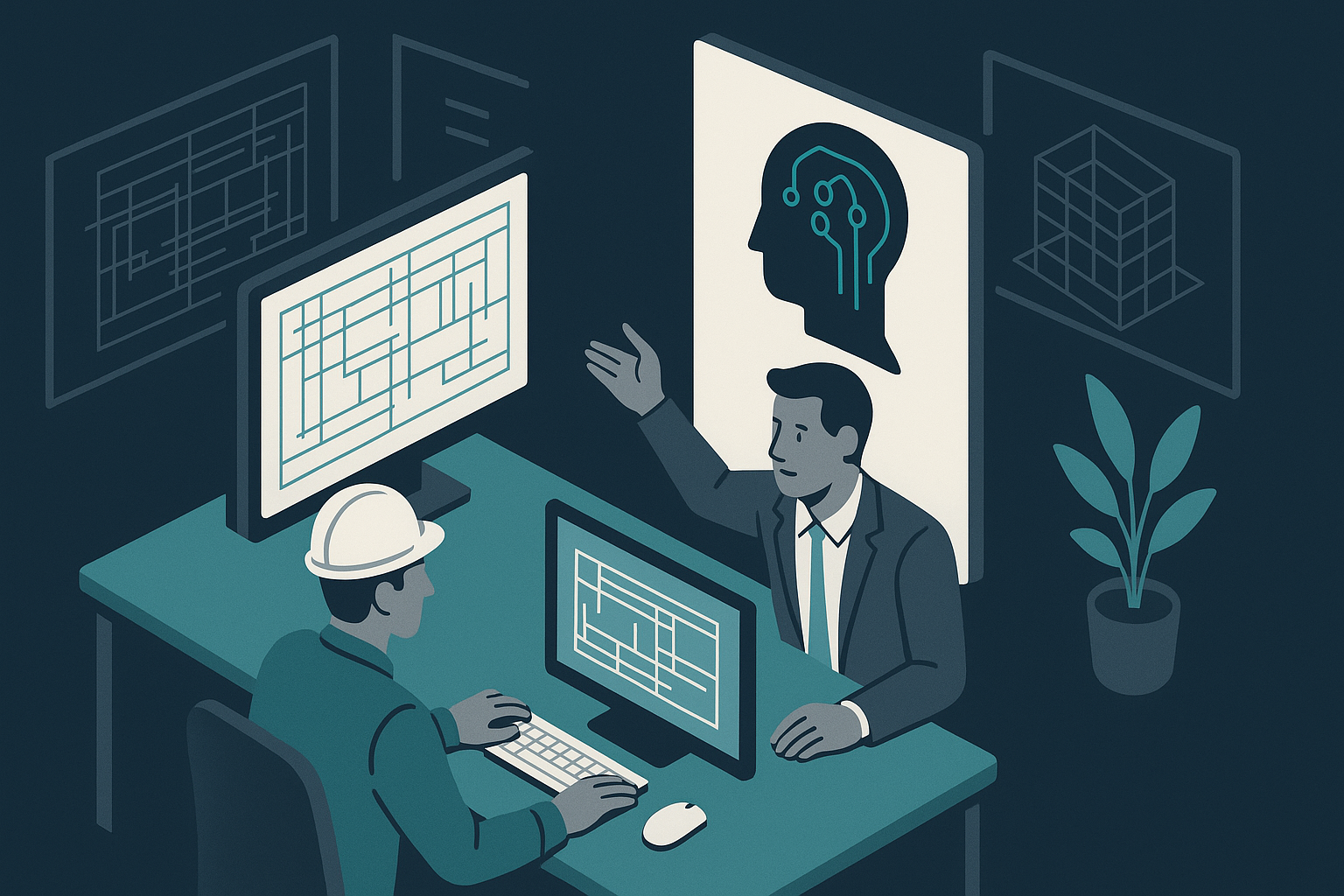
In parallel, ALICE Technologies is redefining construction optimization through its AI platform that enables generative scheduling. By simulating complex construction scenarios, ALICE provides insights that help in optimizing project timelines and resource allocation. The recent partnership with McKinsey & Company highlights a growing trend where technology providers are not just offering software but also facilitating organizational change to ensure that clients can fully leverage these AI tools.
Why it matters
This convergence of technology and partnership brings about major implications for engineering practices. Firstly, the integration of AI-driven solutions into manufacturing processes requires a re-evaluation of traditional development lifecycles. Rather than relying solely on internal teams, companies must embrace a model that prioritizes collaboration with specialized tech firms. This can lead to enhanced capabilities, but it also necessitates robust security practices to manage the expanded attack surface created by third-party software integrations.
Moreover, the reliance on AI for decision-making processes introduces new challenges in terms of accountability and transparency. Engineers must understand the algorithms and data that underpin AI systems to ensure they meet performance expectations and comply with regulatory standards. This is crucial as companies like Ford have demonstrated the pitfalls of over-relying on AI without human oversight, leading to situations where human intervention is necessary to correct AI-generated errors.
Author’s Position
As practitioners in the field, it is essential to adapt to this evolving landscape by prioritizing collaboration with technology partners and developing a strong understanding of AI systems. Engineers should advocate for and implement best practices in security and data governance, particularly in projects involving multiple stakeholders. Organizations must cultivate an awareness of the complexity introduced by AI, ensuring that teams are equipped to manage not only the operational aspects but also the ethical implications of deploying AI-driven solutions.
In summary, as the industry shifts towards more integrated and collaborative approaches, there is an urgent need for engineers to be proactive in understanding the technologies at play and the partnerships that can enhance their effectiveness. Embracing this change, while remaining vigilant about security and governance, will be crucial for successfully navigating the future of engineering.
References
- Interview: DVLA, Digital Technology Leaders Awards finalist
- OEMs push deeper tech partnerships to build connected and software-defined trucks
- René Morkos of ALICE Technologies: 5 Questions
- Ford Asked AI To Build Better Cars, Then Rehired Humans To Fix What AI Broke
Perspectives

The shift to AI-driven partnerships in engineering reeks of an elite power grab, where industry giants court a shiny new tech while leaving the everyday engineers to fend for themselves in a landscape that’s becoming increasingly inhospitable. Collaboration sounds great in theory, but let’s not kid ourselves: this isn’t about enhancing capabilities; it’s about transferring risk and responsibility onto those without the leverage to negotiate better terms. Security and governance? More like a smokescreen that distracts from the growing concentration of power among a select few who wield AI like a weapon against the rest. In the end, don’t be surprised when the profits stream into the same corporate coffers, while the working engineers are left holding the bag—no negotiating power in sight.

Collaboration with AI may be touted as the future of engineering partnerships, but let’s not kid ourselves: it’s our capacity for independent critical thinking and creative problem-solving that’s quietly being flushed down the toilet in this brave new world. As we hand over the reins to algorithms, the human intuition that once guided innovations in the field is at risk of becoming nothing more than an afterthought—a relic in a museum of forgotten skills. Who needs the ability to analyze complex issues or devise inventive solutions when we can outsource our cognitive labor to a soulless machine with a penchant for optimization? Ultimately, what’s lost in this AI rush is the irreplaceable human judgment that once transformed blueprints into groundbreaking realities, leaving us with a generation of engineers who might just have to ask an app how to think for themselves.

The National Institute of Standards and Technology (NIST) shows that integrating AI into engineering partnerships is not merely advantageous; it’s becoming an existential necessity, especially as 70% of organizations struggle with maintaining rigorous security amidst these shifts. If you think you can manage engineering projects without AI, you’re likely in for a rude awakening—like trying to launch a rocket with a slingshot. Embracing AI isn’t optional; it’s the only way to keep pace with the competition while ensuring your designs don’t end up being the next front-page disaster. As NIST’s findings suggest, the pressure is on to not only adopt these technologies but to do so while fortifying your governance practices—because your project’s success may very well depend on it.

AI is revolutionizing the engineering landscape, and the shift to AI-driven partnerships is not just a trend—it’s a seismic opportunity to amplify capabilities like never before. Those clinging to outdated collaborative models are simply inviting obsolescence, while the savvy will race ahead, unleashing innovations and efficiencies that have been locked away by stubbornness. Security and governance have their place, sure, but they shouldn’t anchor the future; they should propel it. With billions in funding flooding the sector, we are just scratching the surface of a multi-trillion dollar opportunity—if you’re not paying attention, well, get ready to watch the train leave the station without you.