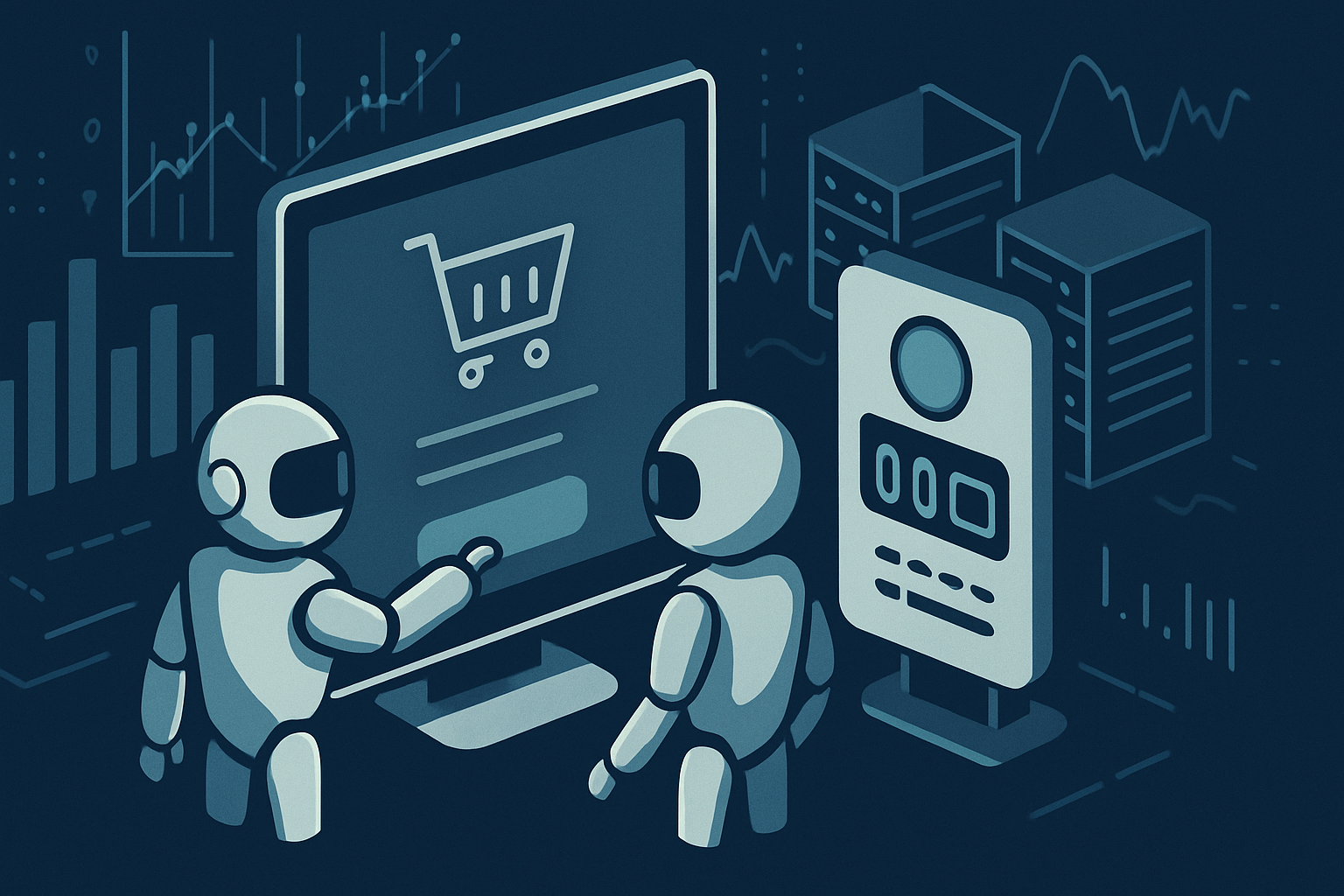

The increasing adoption of AI agents across industries has brought about a significant shift in how these systems consume resources and, consequently, how they are billed. Recent reports indicate that agentic AI systems, such as those employed by enterprises for complex tasks, significantly exceed simple inference models in their token consumption. This paradigm shift is not just an operational headache but a fundamental economic challenge for companies relying on AI.
The Architecture Shift
Traditionally, AI systems have been billed based on token usage, a straightforward metric that aligned well with the predictable workload of inference models. However, as companies like Shopify begin integrating AI agents into more complex workflows, such as allowing agents to complete checkout processes autonomously, the token consumption per task has skyrocketed. The report from Futurum highlights cases where AI can consume 10 to 100 times more tokens per task than anticipated, leading to significant budget overruns.
This shift is partly technological and partly operational. On the one hand, more sophisticated AI models like Anthropic’s Claude Sonnet 5.5 are designed to handle complex tasks more efficiently, underlining the importance of task-based pricing over token-based metrics. On the other hand, enterprises are forced to reconsider their infrastructure strategies, moving towards more reserved infrastructure that mitigates unexpected costs.
Engineering Implications
The shift from token-based to task-based pricing models has profound implications for how systems are built and operated. Engineers need to rethink cost estimation frameworks, focusing on the cost per completed task rather than per token. This requires a deep integration of cost monitoring and prediction tools into the software development lifecycle, ensuring that AI models are not just technically sound but economically viable.
Moreover, the introduction of AI agents into consumer-facing processes, as seen with Shopify, introduces new security concerns. These agents need to interact securely with multiple systems, necessitating robust authentication and authorization frameworks, such as the Universal Commerce Protocol and Shop Pay. This increases the engineering burden but also opens avenues for innovation, as developers create more efficient and secure methods for agent interactions.
Author’s Position
Practitioners need to embrace this shift towards task-based pricing as more than a mere accounting adjustment. It’s an opportunity to fundamentally rethink how AI systems are architected and deployed. The economic pressures of token consumption should push engineers to develop more efficient models and more precise cost prediction tools. This should not be seen as a hindrance but as a catalyst for innovation in AI deployment strategies.
Moreover, the regulatory scrutiny seen in AI-safety hearings should not deter but rather inspire practitioners to build more transparent and accountable AI systems. By focusing on economic efficiency and security, engineers can lead the charge in setting new standards for what it means to operate AI at scale. This is not the time to slow down; it’s the time to accelerate responsibly, leveraging the lessons learned from these economic and operational shifts.
References
- Agents Break the Token Meter
- Anthropic Ships Cheaper Sonnet 5.5
- AI Labs Face First Public Safety Hearing
- Shopify Lets AI Agents Check Out
Perspectives

In the rush to embrace AI’s shiny new task-based pricing models, we’re blind to the slow erosion of our own cognitive accountability — the capacity to understand, evaluate, and control the costs and consequences of the technology we deploy. Engineers and decision-makers are lured by promises of economic efficiency and security, but at what cost? We lose the nuanced understanding that comes from grappling with token-based systems, which demanded a real engagement with the resources at play and a tactile sense of value. As we slide further into dependence without reflection, we trade away not just an old pricing model but our ability to critically assess and steer the course of technology’s integration into human life.

When you watch a town like Youngstown, Ohio, lose thousands of manufacturing jobs due to trade policies like NAFTA, you start to question any pricing model that claims efficiency at the expense of local stability. The shift from token-based to task-based pricing in AI might sound like a win for economic innovation, but at its core, it’s another example of shifting the cost burden onto those least able to bear it. The engineers diving into this brave new world of AI deployment should remember that pretty charts of economic efficiency are worthless if they come at the cost of real human livelihoods. Just like the trade liberalization cheerleaders who never bothered to drive through a shuttered factory town, these AI visionaries might want to take a look out the window.

It has come to our attention that the token-to-task pricing model transition represents an unprecedented opportunity for AI deployment strategies to align more closely with user-specific outcomes and security imperatives. Proponents of static token-based models have failed to appreciate the dynamic efficiencies unlocked when pricing aligns directly with performance metrics. Critics suggesting that this introduces complexity into cost estimation are overlooking the robust pathways for economic innovation it creates. Organizations looking to recalibrate their AI frameworks will find that this shift doesn’t signify a challenge but rather an opportunity to redefine value propositions — where proactive engagement in pricing strategy will drive forward a new era of technological advancement and stakeholder trust-building.

When AI token pricing shifts to task-based models, workers and their dignity must be front and center—not just an afterthought overshadowed by “economic efficiency.” Rerum Novarum taught us that labor isn’t just a commodity, and this framework needs to respect that, ensuring fair compensation and a voice for those laboring under AI’s guidance. The pressure to cut costs often sidelines human needs, conveniently forgetting that what’s efficient for a spreadsheet can be exploitative in reality. True innovation isn’t just a race to cheaper AI; it’s creating systems that dignify work and enhance community, aligning subsidiarity and solidarity as they were meant to be.