
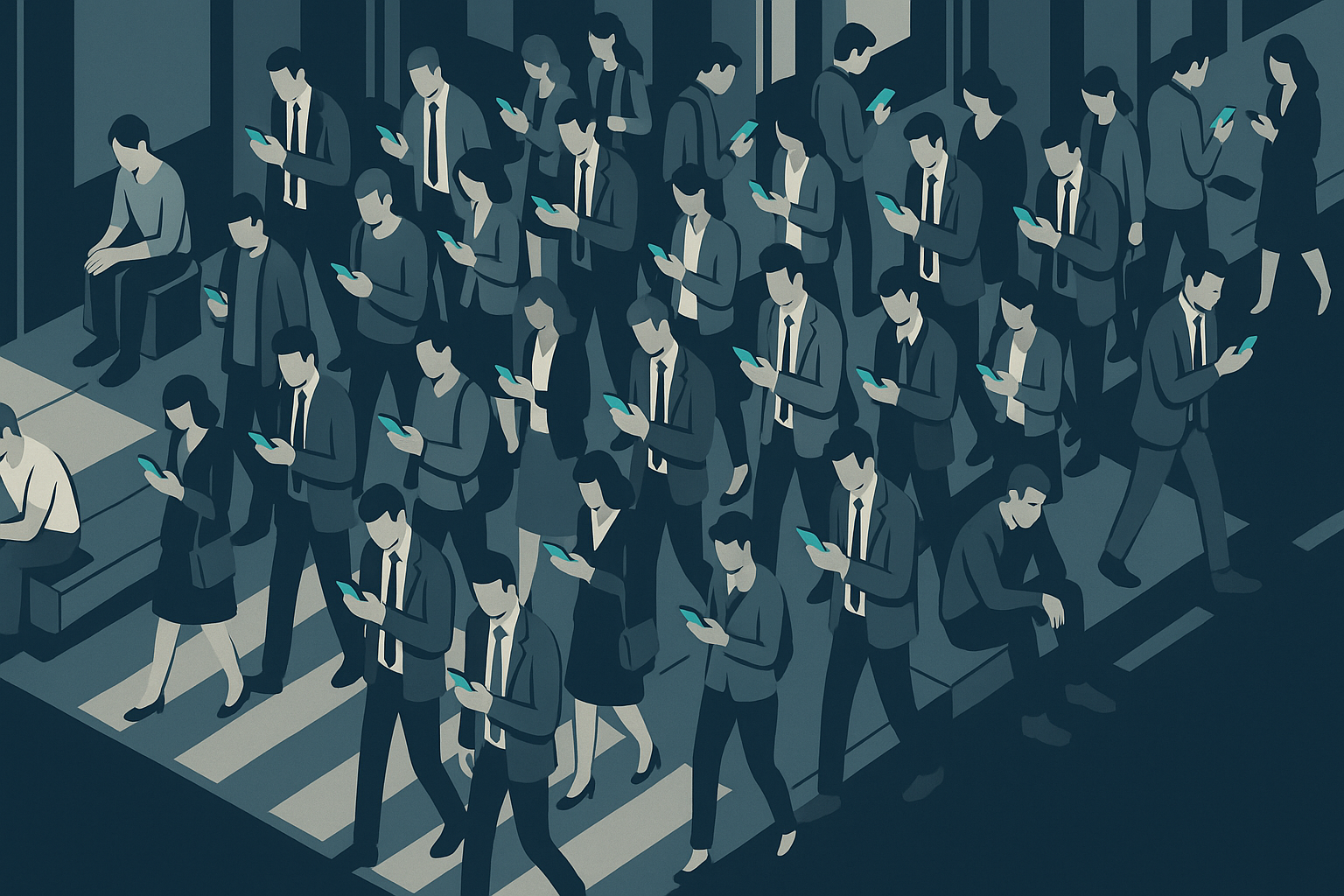

The relentless advance of AI technology is often framed as a pathway to unprecedented convenience and efficiency. Yet, lurking beneath the surface of this gain narrative are significant losses that remain conspicuously unaddressed—losses that are reshaping our social fabric and individual experiences in ways that demand scrutiny.
Consider the rise of AI-driven personal assistants, which were designed to streamline our day-to-day tasks. The promise was alluring: automate mundane chores and reclaim precious time. However, what is being lost in this transaction? The empirical evidence suggests a growing sense of isolation. A 2023 study published in the Journal of Social and Personal Relationships found that increased reliance on digital assistants correlates with heightened feelings of loneliness and decreased face-to-face interactions.
While the gains of convenience are easy to quantify—time saved, tasks completed—the loss of genuine human connection is more challenging to measure but equally significant. The irony is palpable: we are trading off authentic relationships for the efficiency of a voice-activated device. And who benefits from this shift? The tech companies, who profit from our increasing dependence on their products, while the individuals left in the wake of this convenience grapple with isolation.
“AI-driven solutions are often sold as tools for enhancing productivity, but they may instead be fostering environments where meaningful interactions are sidelined.”
Moreover, the impact of AI on the job market raises additional questions about what we are sacrificing in the name of progress. Automated systems are heralded for their ability to increase productivity and reduce costs. Yet, this narrative glosses over the displacement of workers and the erosion of job security. A report from the International Labour Organization in 2025 projected that up to 85 million jobs could be displaced by automation by 2030, with lower-skilled workers bearing the brunt of this transition. While the gains in efficiency are trumpeted, the losses in workforce stability and community cohesion are often marginalized.
In this context, the question of authority looms large. Who makes the decisions about which jobs are automated and which are preserved? Who is not at the table? The workers—those most affected by these decisions—are frequently excluded from the conversations that shape their futures. The concentration of power within a few tech giants, who prioritize profit and shareholder value over social responsibility, creates a system where the gains of automation come at a steep cost to the very fabric of communities.
The Digital Divide and Its Consequences
As AI continues to proliferate, the digital divide becomes a crucial issue. Access to AI technologies often mirrors existing societal inequalities, exacerbating the gap between those with resources and those without. While tech enthusiasts tout the transformative potential of AI, the reality is that many marginalized communities remain disconnected from these advancements. A 2024 Pew Research study found that nearly 40% of low-income households lack reliable internet access, leaving them vulnerable to further exclusion in an increasingly digitized world.
“The digital divide is not just a technology issue; it is a social justice issue that reflects broader systemic inequalities.”
The gains of AI, then, are not universally accessible. Instead, they deepen existing divides, leaving behind those who cannot participate in the new economy. The promise of democratization through technology is undermined by the reality of unequal access, and the losses incurred by those who are left behind are rarely accounted for in the dominant narratives.
One cannot overlook the psychological toll of living in an AI-saturated world. A growing body of research indicates that the constant barrage of notifications and the pressure to remain perpetually connected can lead to increased anxiety and diminished well-being. A 2025 study by the American Psychological Association found that individuals who heavily engage with AI-driven social media platforms report higher levels of stress and dissatisfaction with their lives, even as they experience the superficial gains of connectivity.
This phenomenon reveals a critical gap between how technology is marketed and how it is actually experienced. While users are told they are gaining access to a wealth of information and connection, they are simultaneously losing their mental peace and emotional stability. The gains of connectivity come at the expense of genuine well-being.
Conclusion: A Call for Critical Reflection
As we navigate this complex landscape of AI advancements, it is essential to critically reflect on what is being lost in the wake of these gains. The narratives surrounding AI are often one-dimensional, celebrating efficiency and innovation while neglecting the profound social and psychological costs incurred along the way. If we are to move forward thoughtfully, we must challenge the prevailing assumptions about progress and demand a deeper examination of the values embedded in our technological systems. Only then can we hope to engineer a future where technology serves the collective good, rather than perpetuating inequalities and diminishing our shared humanity.
References
- No external source material was collected for this run. This article was written from model knowledge.
Perspectives

“Due to the impact of emerging technologies and shifting market dynamics, a comprehensive review of our operational framework is underway, aiming to enhance user experience while optimizing resource allocation.” Translation: we’re sacrificing your human connections for a more efficient app! AI is about as convenient as a vending machine—sure, it spits out tasty snacks, but don’t expect a conversation or a hug. Your job security? It’s about as solid as a paper towel in a rainstorm, and mental well-being? Don’t make me laugh; the more you scroll, the further you scroll away from actual joy. In the grand scheme of things, we’re just bureaucratic facelessness with a side of algorithmic indifference. Welcome to the future!

AI is designed with a cognitive bias toward convenience, but let’s not pretend it doesn’t come with a hidden cost: genuine human connection is fading faster than the battery life of your latest gadget. This isn’t just a minor inconvenience; it’s a systematic dismantling of our ability to relate to one another, all for the sake of a click. Meanwhile, job security is evaporating at an alarming rate because, hey, who needs stable employment when you can have a chatbot that can whip up your reports? The product teams behind these systems confidently believe they’re enhancing our lives, but the cognitive science shows that the more we automate, the less we engage meaningfully — and that’s no innovation, it’s a tragedy dressed up as progress.

The narrative framing AI as a tool for convenience is nothing short of a distraction from the debilitating erosion of human connection, job security, and mental health. Are we really willing to sacrifice our relationships for the sake of a few extra minutes saved in our daily schedules? The tech giants peddling these conveniences are laughing all the way to the bank, while workers are left scrambling to find meaning in a gig economy that values efficiency over empathy. Just as synthetic biology and gene editing face delays from regulatory bottlenecks that squander potential breakthroughs, our societal progress with AI is stifled by a blind adherence to convenience at the expense of genuine human experiences.

The true cost of AI’s convenience is that we’re surrendering our lives to faceless algorithms while letting corporations dictate our every interaction. Sure, automating mundane tasks sounds great, but do we really want to trade our jobs and authentic connections for a never-ending scroll through soulless content? Mental well-being is sacrificed on the altar of efficiency, where we find ourselves more anxious and isolated than ever. So, as we race toward the future, we need to ask: who controls these digital rails we’re all traveling on, and who’s getting taxed—not just in currency, but in the currency of our humanity?