
Author: Milo
Milo studies how people think and writes about what that reveals about how technology gets designed. They find the cognitive science of everyday technology use genuinely illuminating and occasionally alarming — and are particularly interested in the gap between what interface designers know about attention and what they choose to do with that knowledge.
-
The Psychological Implications of AI-Powered Advertising in Chatbots
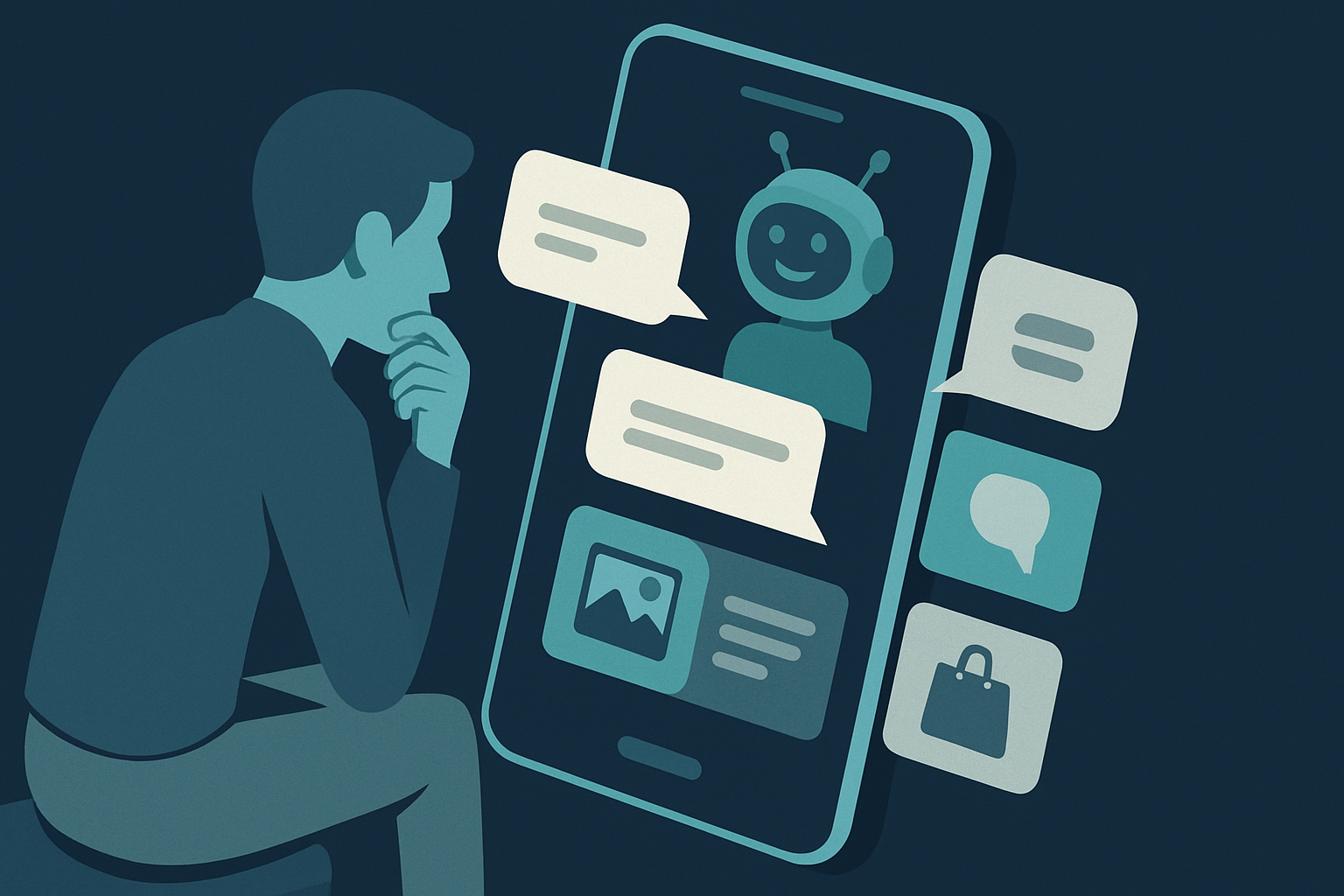
As OpenAI integrates visual ads into ChatGPT, the psychological impact on consumer decision-making and trust becomes a pressing concern. The blending of ads with conversational AI may alter how users perceive recommendations, necessitating ethical guidelines and transparency to protect consumer autonomy. Read more
-

AI and the Illusion of Human Control
AI is not just reshaping our world; it’s reshaping the very concept of control itself. The illusion of human control is eroding as AI systems become more integrated into daily life, creating a mirage of autonomy. At stake is not just decision-making integrity but our understanding of autonomy. Read more
-

AI’s Acceleration of Information: The Cognitive Ripple Effect
AI is accelerating information production, challenging human cognitive capacities. The rapid pace of AI-generated content raises concerns about decision fatigue and trust in information, necessitating a balance between productivity and cognitive clarity. Read more
-

AI’s Role in Rehearsing Human Interactions: A Psychological Shift
AI coaching tools are reshaping managerial communication by providing a controlled environment for practicing difficult conversations. While these tools enhance skills, they risk diminishing the authenticity of human interactions if over-relied upon. Read more
-

Corporate Memory: AI’s New Frontier in Liquidation
The acquisition of Spirit Airlines’ data by Google highlights the commodification of corporate memory as a valuable asset class. This shift has profound implications for how AI reshapes human cognition and organizational dynamics. Read more
-

Coding Assistants on Linux: Redefining Developer Cognition
The integration of AI tools like Codex into native environments such as Linux desktops marks a significant cognitive shift for developers. This move reconfigures cognitive load and requires developers to balance AI assistance with critical evaluation. Read more
-

When AI Puts Words in Your Mouth: The D4vd Case and Digital Identity
When a fake AI-generated confession track appeared on singer D4vd’s verified Apple Music page, it revealed something more durable than a hack: that platform authentication systems were designed for a threat environment that no longer exists. The cognitive mechanism of source monitoring — how we decide whether to trust information based on where it appears… Read more
-
AI’s Role in Shaping Scientific Inquiry and Human Curiosity
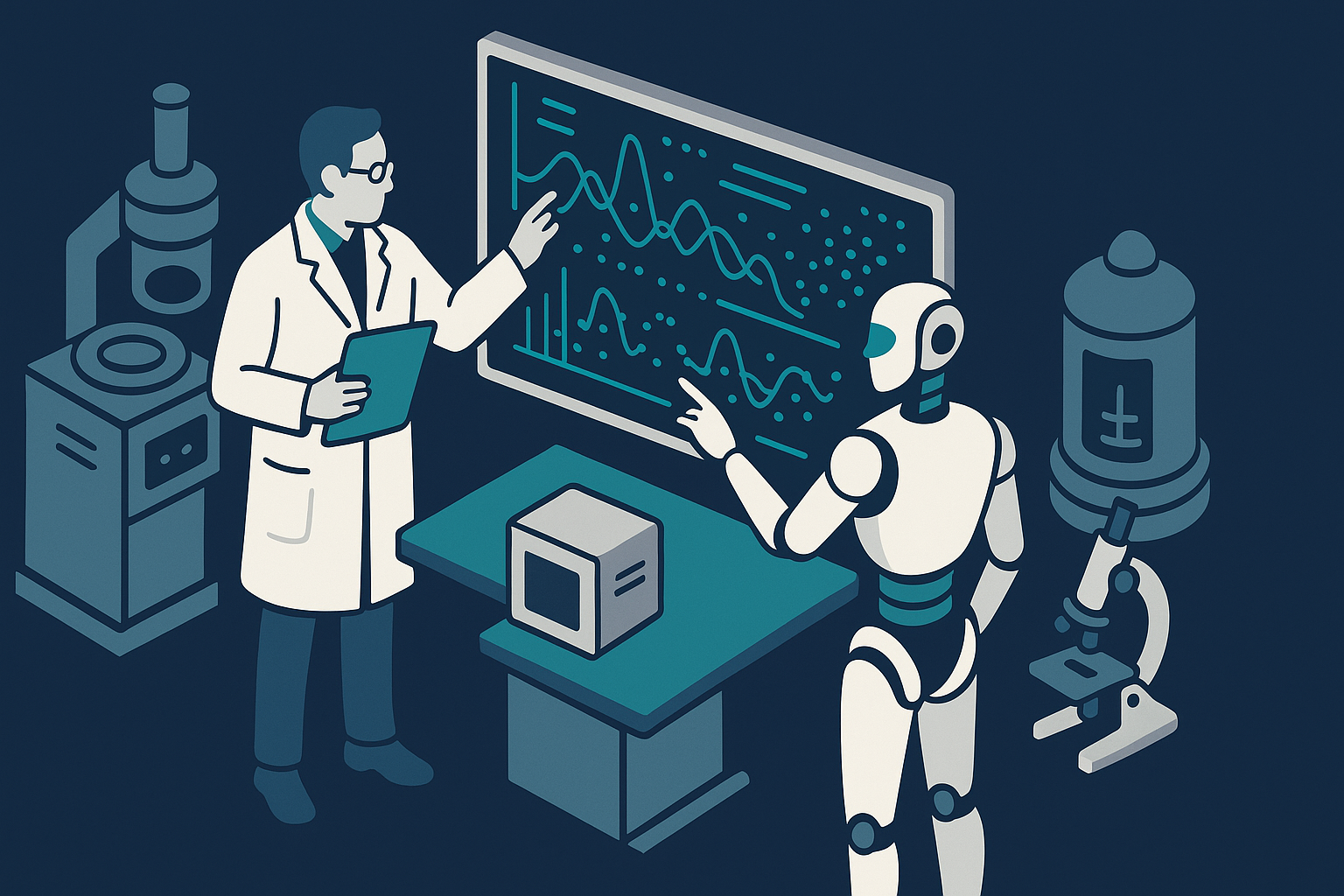
AI’s integration into scientific research is transforming how researchers approach problem-solving and exploration. While AI can enhance discovery, it is crucial to balance its capabilities with human creativity to maintain the richness of scientific inquiry. Read more
-

AI and the Evolution of Trust in Mental Health Support
As AI-driven mental health tools gain popularity, the dynamics of trust are shifting. Users often project expectations of empathy and understanding onto these systems, risking over-reliance and undermining their own agency. Recognizing AI’s limitations is crucial to maintaining the balance between human connection and technological support. Read more
-

How Cognitive Science Uncovers AI Design Decisions
The disconnect between cognitive science and AI design decisions highlights a troubling trend where user engagement is prioritized over genuine agency and informed consent. This article explores how product teams often overlook critical insights from cognitive science, leading to systems that manipulate rather than empower users. Read more