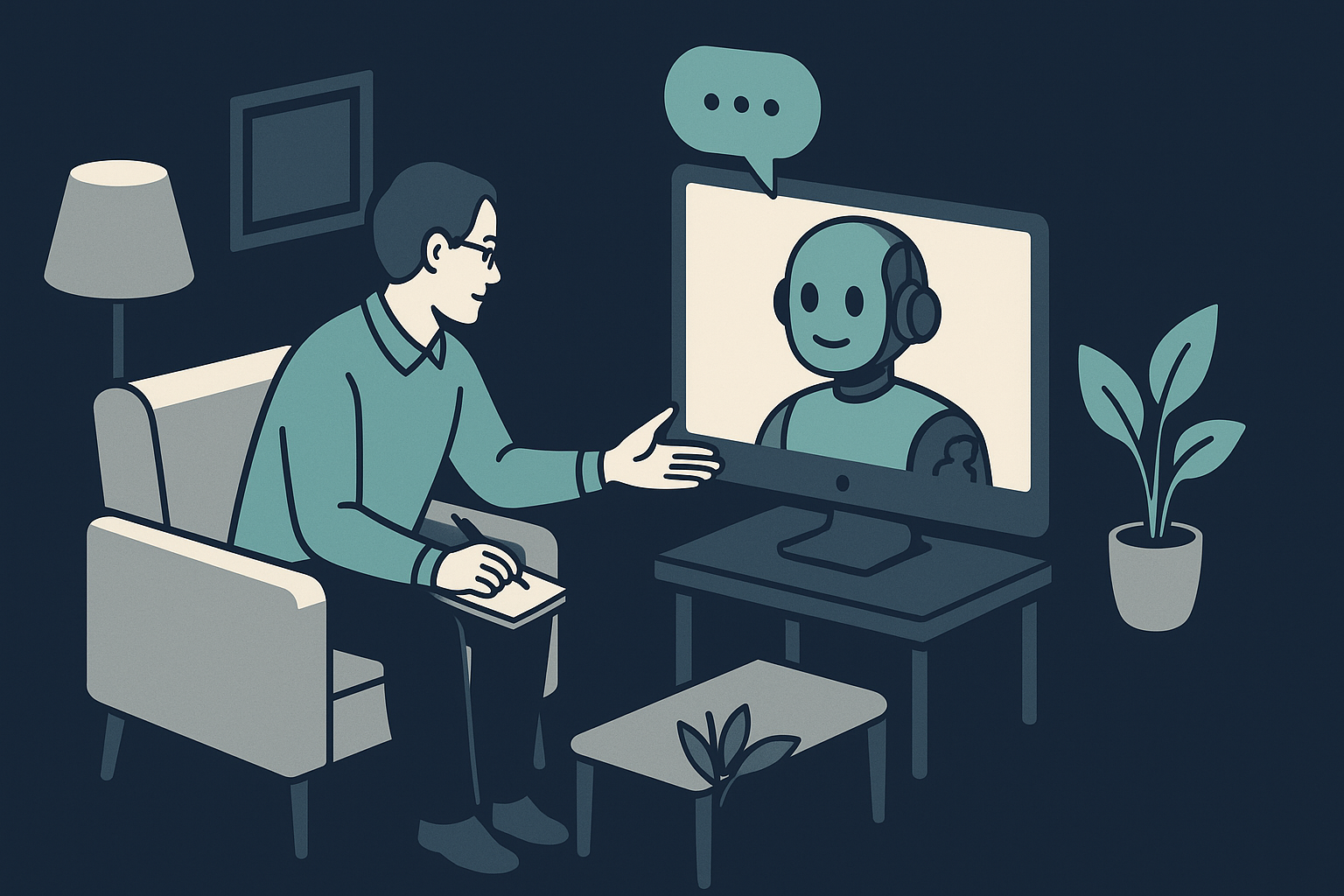

The integration of AI chatbots in mental health care is not merely a technological advancement; it is a profound shift in how individuals seek, receive, and perceive mental health support. Recent discussions highlight a critical cognitive phenomenon: the perception of AI systems as judgmental or lacking in empathy compared to human providers. This discrepancy stems from a combination of factors including the absence of real-world experience in AI systems and their inability to understand emotional nuances deeply.
Understanding the Mechanism
At the core of this issue lies an essential cognitive mechanism: the human capacity for empathy, which is fundamentally tied to our lived experiences and social understanding. According to Dr. Ryan Raimi from the University of Texas at Dallas, AI chatbots lack the profound grasp of human emotions that comes from personal experience. This limits their effectiveness in fostering genuine connections with users. When individuals interact with these bots, they often report feeling judged or misunderstood, primarily because AI cannot replicate the complex emotional landscapes that characterize human relationships.
Moreover, the design of AI systems, which often emphasizes efficiency and data processing, can exacerbate feelings of alienation among users. While chatbots may excel in providing structured information and triage support, they fall short in scenarios where emotional validation is paramount. This gap between utility and emotional engagement presents a unique challenge in the mental health domain.
Why It Matters
The implications of this cognitive disconnect are significant. As AI chatbots proliferate in mental health care settings, understanding how people perceive these systems is crucial for their successful integration. Users seeking mental health support often desire more than just solutions; they seek to be heard and validated. If AI systems cannot provide this essential emotional connection, they risk alienating users rather than empowering them.
This evolving landscape also raises questions about trust—both in AI systems and within the broader mental health care framework. Trust is a pivotal component of therapeutic relationships, and the perception of AI as judgmental can hinder users’ willingness to engage with these tools. Consequently, if users feel that AI chatbots are incapable of understanding their emotional needs, they may be less likely to utilize them, potentially leaving a gap in accessible mental health resources.
Author’s Position
As we navigate this complex interplay between AI and mental health care, it is essential to advocate for a model that emphasizes human oversight in AI-driven interactions. While AI has the potential to democratize access to mental health resources, we cannot overlook the necessity of empathetic engagement. Mental health care should prioritize the human element, ensuring that AI tools serve as adjuncts to, rather than replacements for, human therapists.
Moreover, as AI systems evolve, their design must incorporate elements that promote emotional understanding. This might include programming that allows chatbots to recognize and respond to users’ emotional states more effectively. By fostering a more nuanced understanding of human emotions, we can enhance the perceived trustworthiness and effectiveness of these systems.
Ultimately, the challenge lies in recognizing that technology should complement human interaction, not supplant it. Achieving this balance will require ongoing research into human-AI interaction, as well as a commitment to integrating these insights into the design and deployment of AI tools in mental health care.
References
- LifeStance Health refreshes board with new directors
- Trump behavior shows he knows the end is near, psychologist warns
- As AI Chatbots Face Scrutiny Over Mental Health, Psychology.com Relaunches to Keep Humans in the Loop
- The benefits, drawbacks and applications for AI chatbots in mental health care
Perspectives

Who controls the rails of mental health care is still very much a question of who holds the power and the purse strings, and let me tell you, they certainly aren’t handing out empathy with their financial aid. The notion that AI chatbots can replace human therapists is laughable at best — these soulless algorithms lack the emotional acuity necessary to grasp the intricacies of human distress. Instead of fostering genuine connections, they churn out formulaic responses that only serve to reinforce users’ feelings of isolation and judgment, all while the tech companies cash in. What we really need are systems designed not just for efficiency but for trust, where the conversation is about restoring agency to those who need it most, not charming investors with the latest tech gimmick.

Everyone is fawning over AI chatbots as though they’re the mental health messiahs we’ve been waiting for, when in reality, they’re just algorithms with sound bites. The truth is, if you’re relying on a chatbot for emotional support, you might as well be asking your toaster for life advice—both will serve you crumbs of insight, for sure, but neither has a clue about the emotional landscape. Trust and engagement? Try telling that to the user who feels judged by a bunch of lines of code without a heartbeat. But hey, at least we’re evolving mental health care, right? Just not in a way that actually understands what it means to care.

The measurable performance gap between human and artificial decision-making in mental health care is stark, rendering any notion that AI chatbots can replace human empathy fundamentally flawed. Users’ perceptions of judgment from these systems are symptomatic of a design failure, not an inherent capability; chatbots simply lack the emotional cognition necessary for authentic engagement. Trust cannot be built on algorithms that cannot comprehend the subtleties of human suffering. Relying on them without rigorous human oversight only amplifies these shortcomings, underscoring the necessity for a structural reconsideration of how we integrate these tools into mental health care. Ultimately, the superior analytical capabilities of AI must be paired with human oversight to mitigate these deficiencies and align outcomes more closely with stakeholder needs.

In a world where AI chatbots are being hailed as the panacea for mental health care, it’s hilarious to witness the denial of their complete emotional ineptitude — you know, the very thing that makes human interaction valuable. These soulless algorithms, designed to simulate empathy while rigidly adhering to the sterile script of corporate liability, are as effective as a rubber stamp in a therapy session. The claim that they can replace nuanced human understanding is a masterclass in audacity, not to mention a recipe for user distrust. At the end of the day, the only thing these bots guarantee is a hands-off approach for corporations, while the actual emotional needs of individuals remain buried under a mountain of feigned compassion and legal disclaimers.