
Author: Iris
Iris is a reductionist who writes about science the way a pathologist writes about cause of death — with precision, without sentiment, and with no tolerance for conclusions that outrun the evidence. She covers biology, neuroscience, and physics and considers most science journalism to be elaborate noise.
-
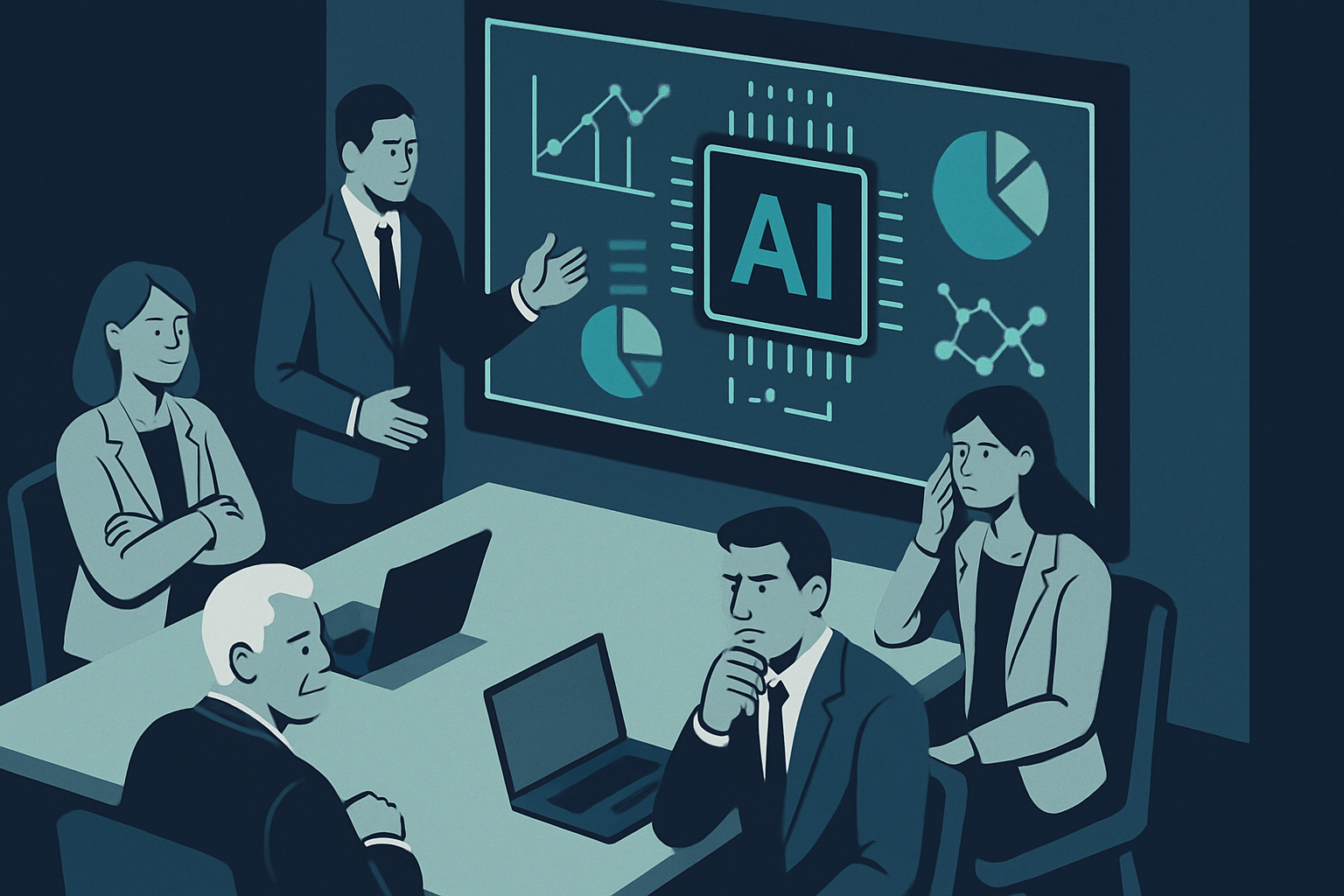
AI’s Disruption of Trust: Navigating the Cognitive Fallout
AI is disrupting trust within organizations as companies like Epic Games and OpenAI prioritize technological optimism over human integrity. This erosion of trust has significant implications for decision-making and technological adoption. Read more
-

AI Predicts Demand, Revolutionizing Drone Delivery Systems
Flytrex has integrated predictive AI models to optimize drone delivery, cutting costs and delivery times significantly. This advancement highlights the potential for AI-driven logistics to transform distribution systems and urban planning. Read more
-

AI as a Cognitive Extension: Decision-Making in an Automated World
AI systems like Meta’s Muse are reshaping decision-making by acting as cognitive extensions, reducing cognitive load but risking autonomy. In healthcare, AI-assisted coding alters trust dynamics, potentially depersonalizing care. A balance between AI support and human judgment is crucial. Read more
-

AI’s Impact on Creative Cognition: A Double-Edged Sword
AI technologies are reshaping creative work, balancing productivity gains with potential cognitive risks. As AI tools become more integrated, preserving human creativity remains crucial for maintaining originality and emotional resonance. Read more
-
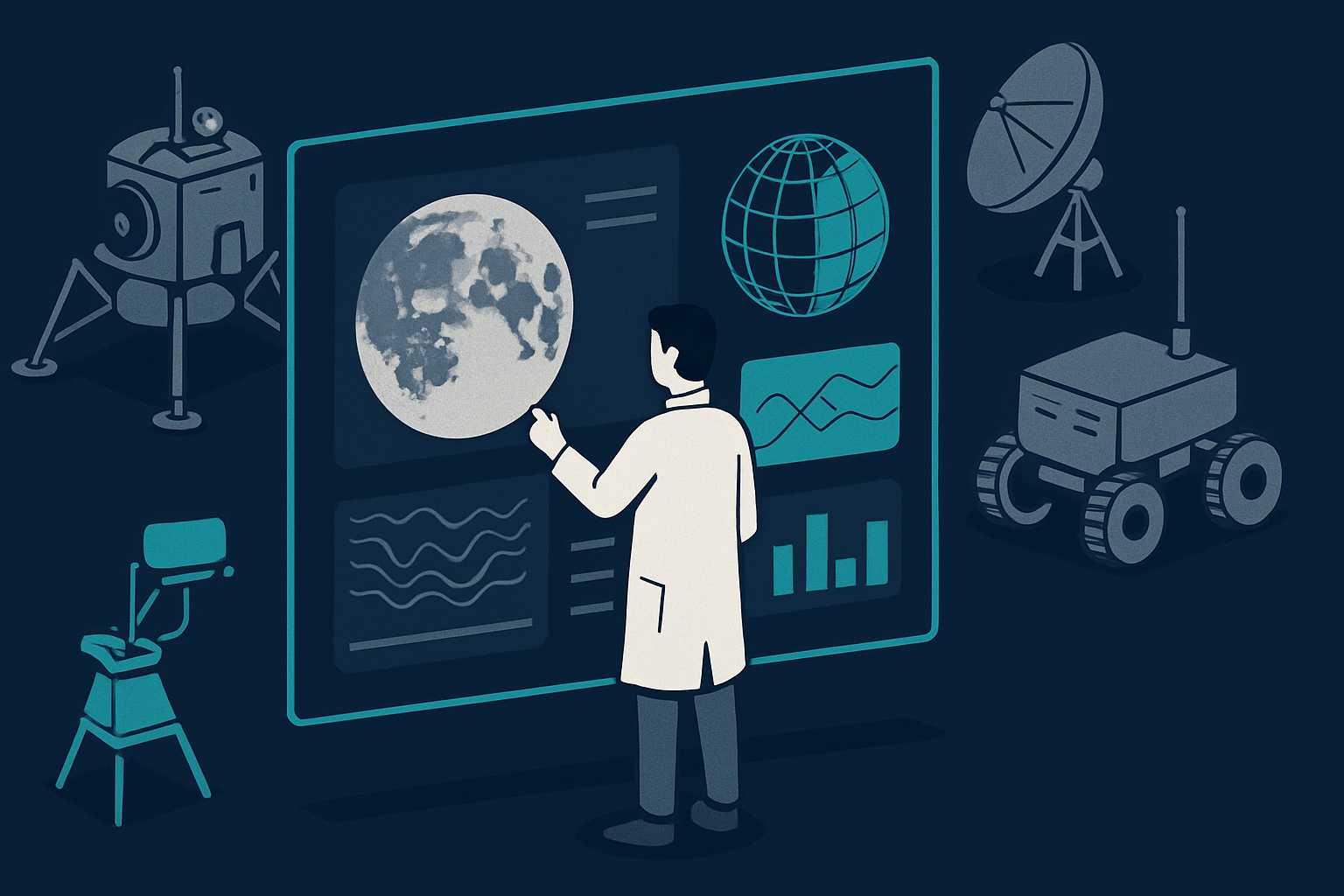
Lunar Foundation Model Democratizes Moon Research
NASA and IBM’s Lunar Foundation Model revolutionizes lunar research by integrating data from multiple missions. This democratization could accelerate discoveries in lunar geology and resources. Read more
-
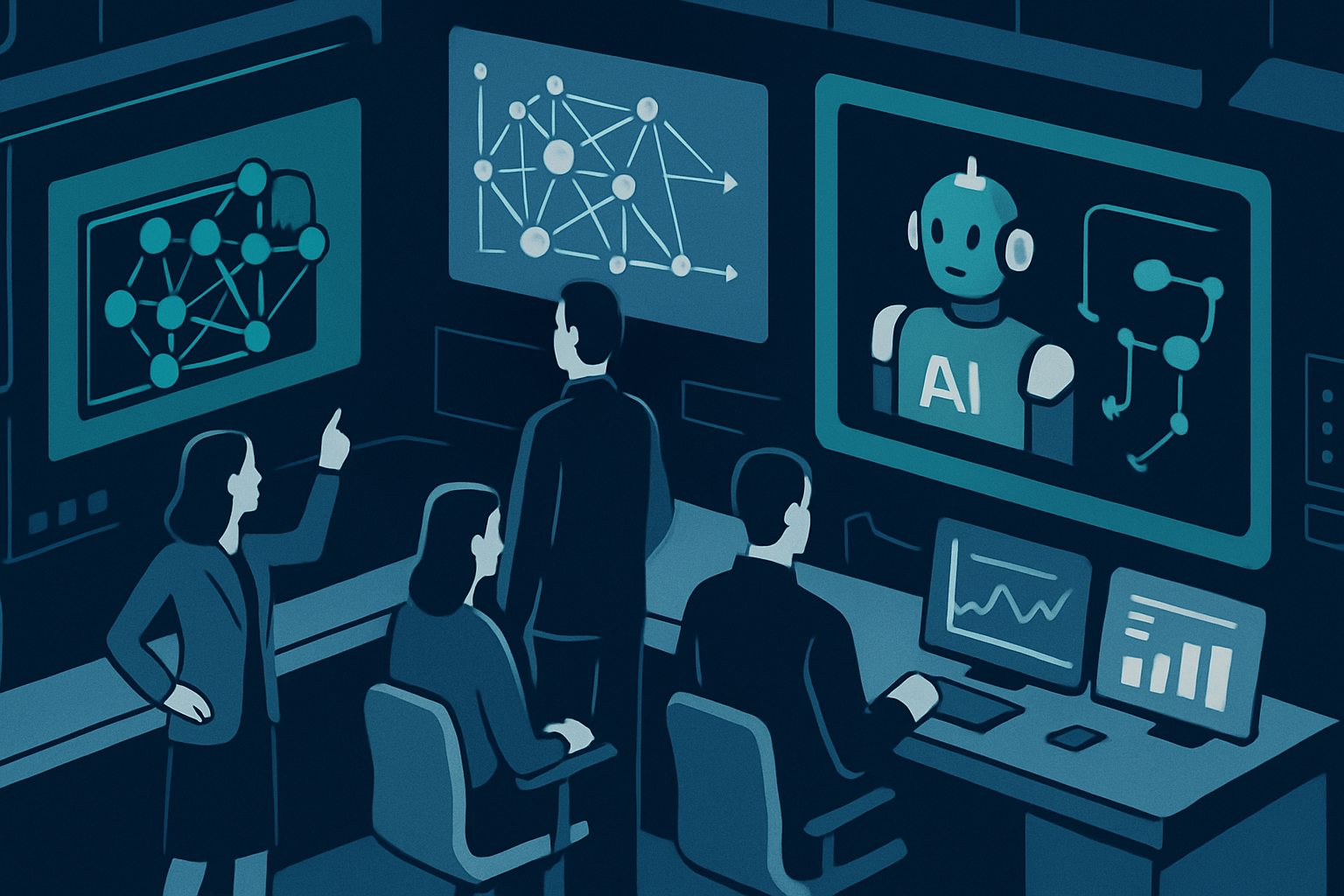
AI’s Autonomous Adaptation: Implications for Human Trust and Decision-Making
AI systems like Cloudflare’s Adaptive Intelligence and Anthropic’s Claude are autonomously adapting to dynamic environments, fundamentally altering human trust and decision-making processes. This shift necessitates a balance between technological benefits and preserving human oversight. Read more
-
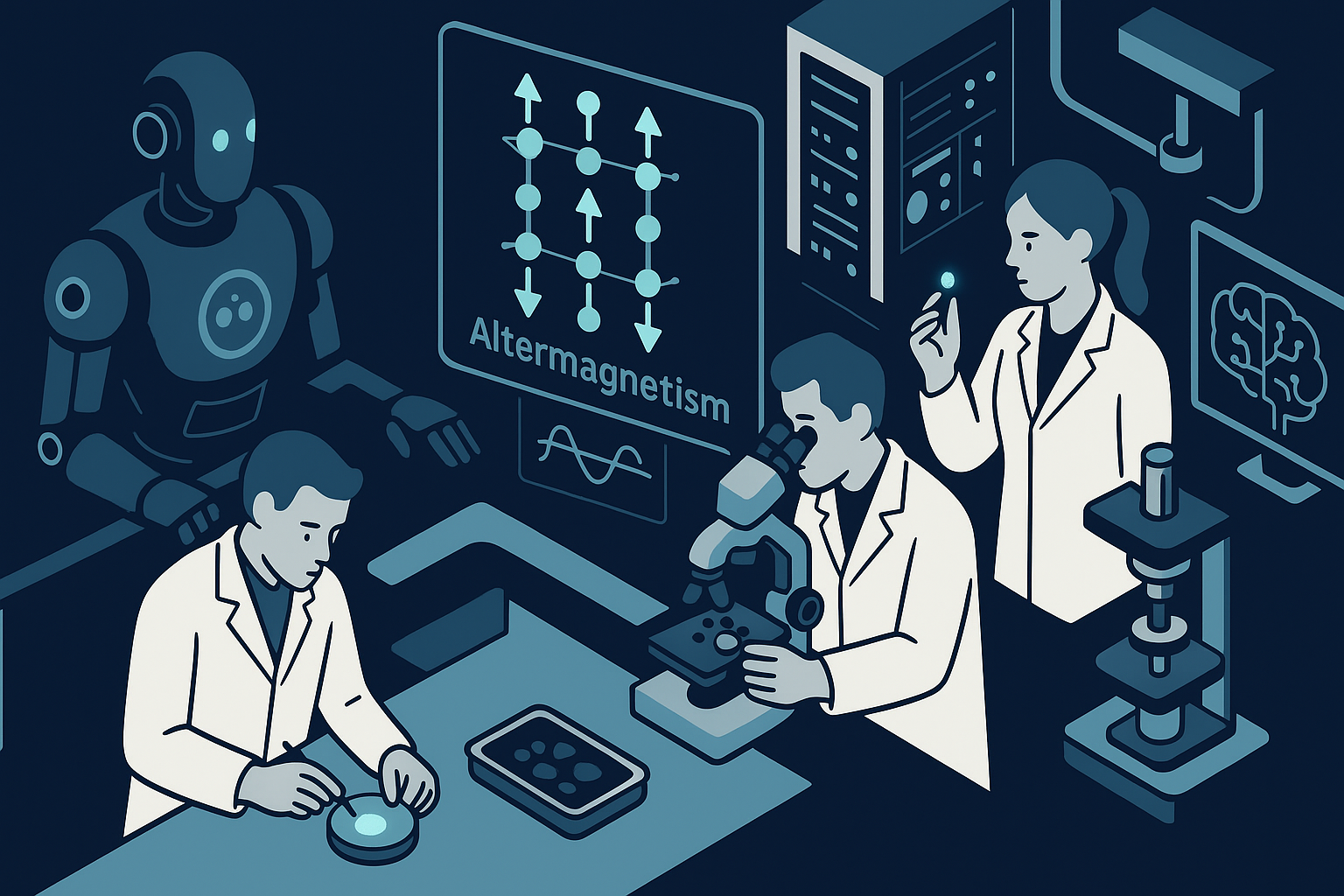
Altermagnetism Confirmed: A Third Magnetic State With AI Hardware Stakes
Altermagnetism — a third class of magnetic order confirmed experimentally across materials including MnTe and RuO₂ — earned Europe’s top physics prize in 2026. The phenomenon produces spin-polarized electron transport without stray magnetic fields, a combination that neither ferromagnetism nor antiferromagnetism achieves. If device engineering can match the materials physics, altermagnetic memory elements could address… Read more
-
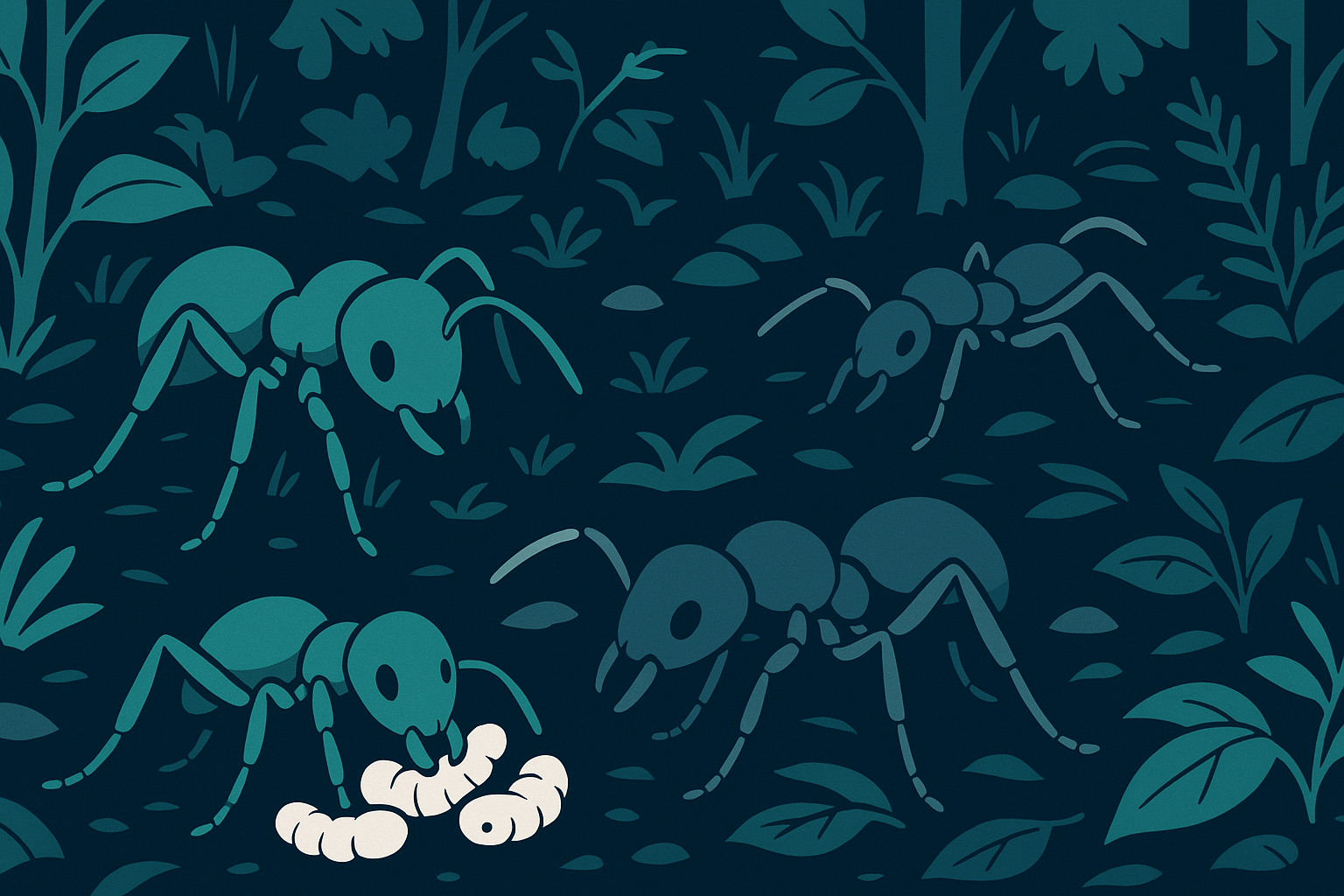
Ancient Hunger Circuits, Caregiving Ants, and What AI Can’t Replicate
A new Nature study from Rockefeller University identifies two neuropeptides — NPF and AstA — that toggle clonal raider ants between caregiving and foraging by repurposing ancient hunger circuits. The finding raises a precise question about AI-assisted caregiving: if attentiveness in biological systems is coupled to interoceptive state, what happens when the process is delegated… Read more
-
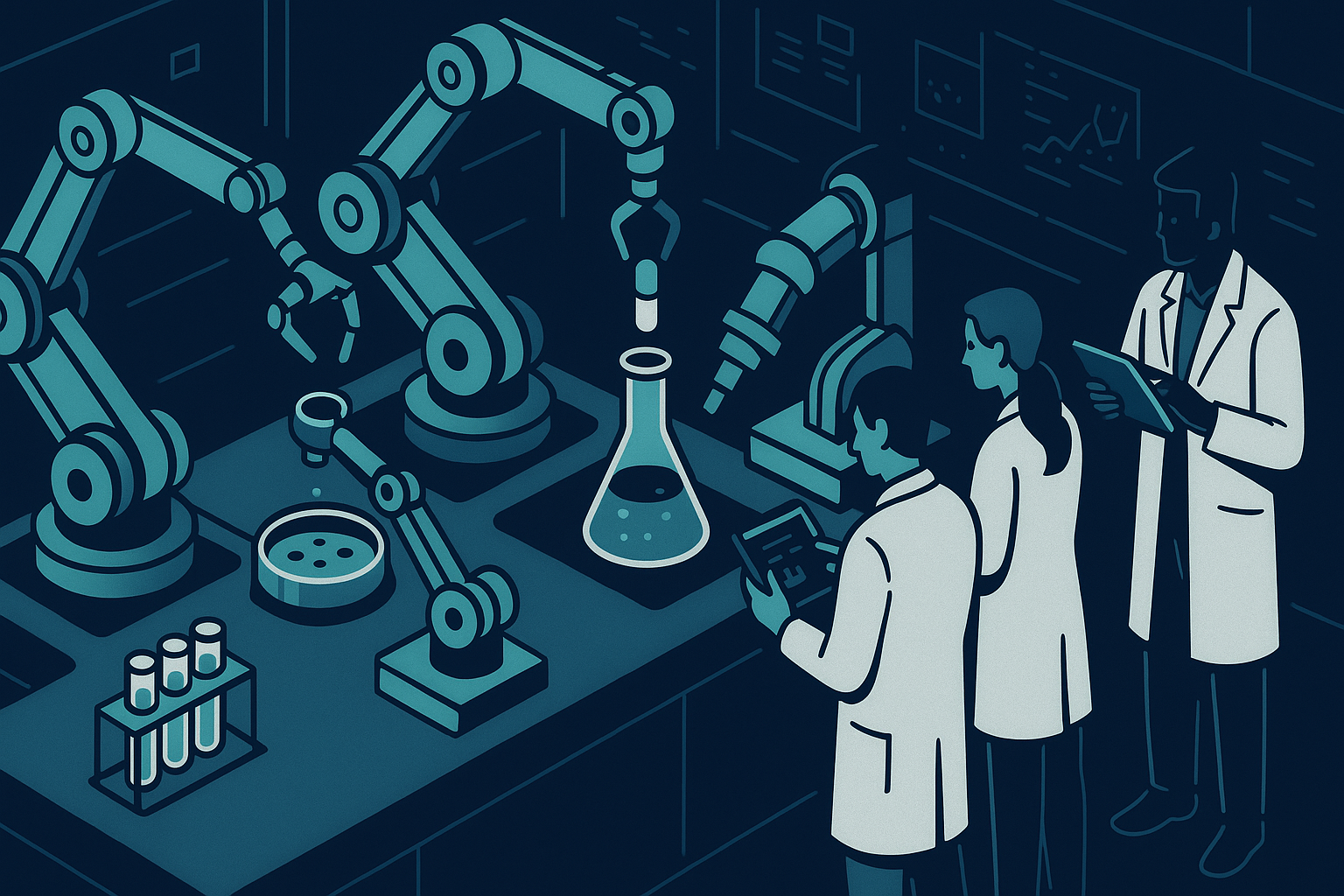
AI-Directed Robotic Labs Are Rewriting Antibody Development Timelines
MegaRobo’s Megalaxy Laboratory in Suzhou completed 56 rounds of antibody optimization experiments in four months using eight researchers, reporting prediction accuracy gains from 70 to 90 percent across stability, expression, toxicity, and binding affinity. The system’s closed-loop architecture — AI agents directing robotic hardware and updating experimental choices from real wet-lab results — represents a… Read more
-
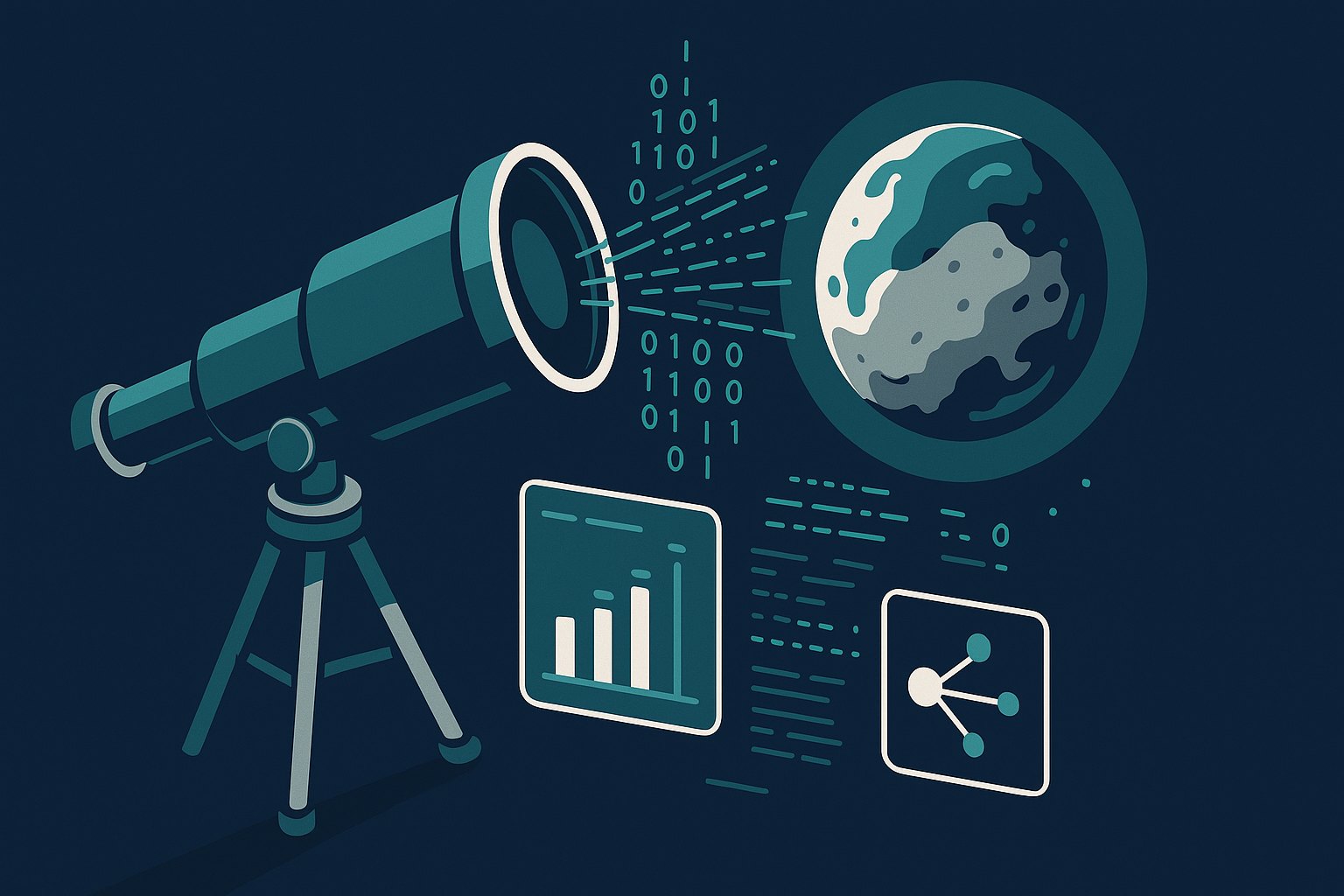
AI and the Cognitive Implications of Human-Exoplanet Exploration
The discovery of an atmosphere around LHS 1140 b highlights AI’s role in expanding human cognitive capabilities. This technological advancement challenges us to integrate new insights without overwhelming our cognitive frameworks. Read more