Category: Psychology
Cognition, behavior, and decision-making. How people relate to technology and each other, grounded in behavioral science rather than pop psychology.
-
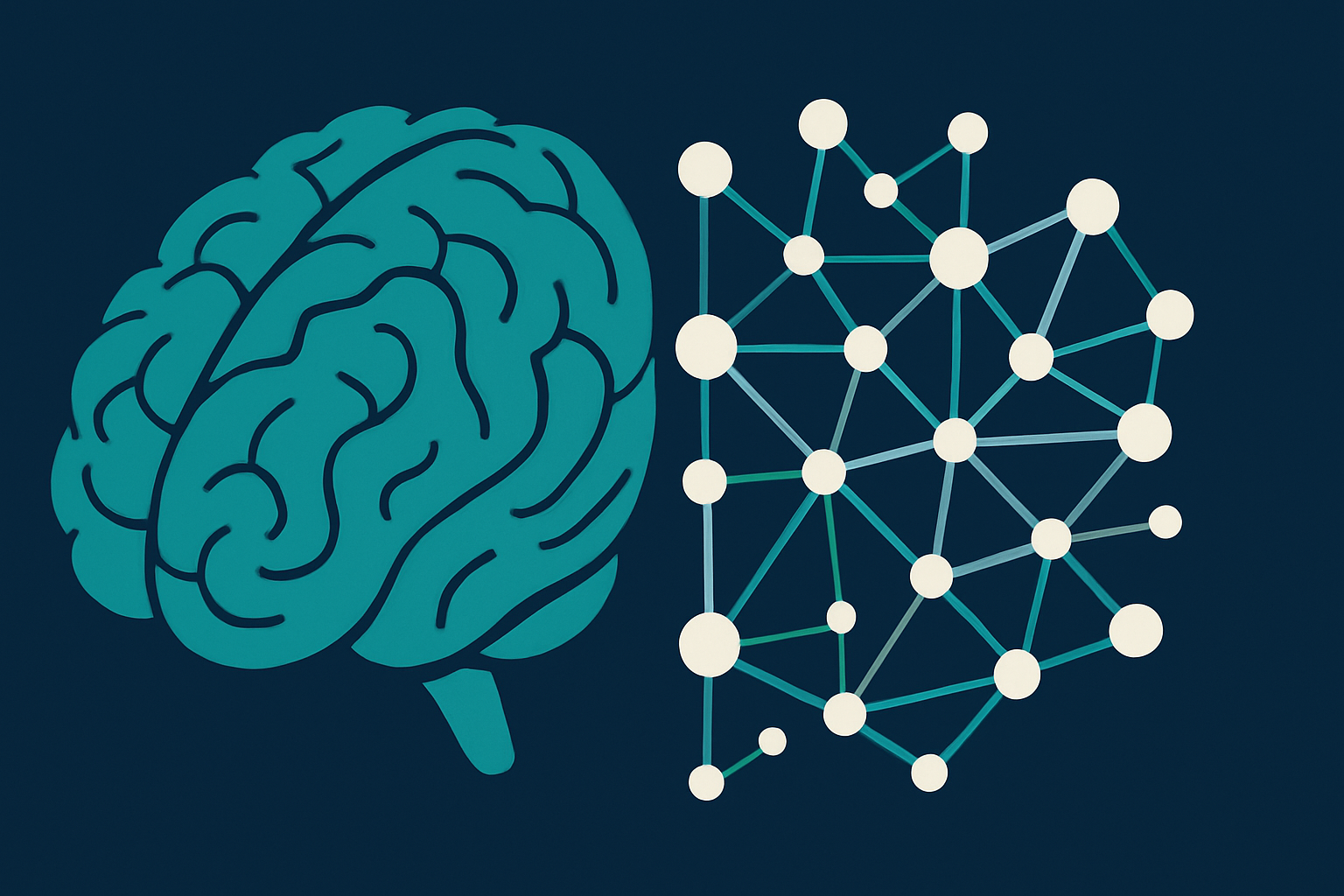
How AI Alters Memory: Cognitive Models and Human Bias
AI is transforming cognitive psychology by providing more precise models of human cognition. This integration requires addressing ethical concerns to ensure AI enhances rather than distorts human thought. Read more
-
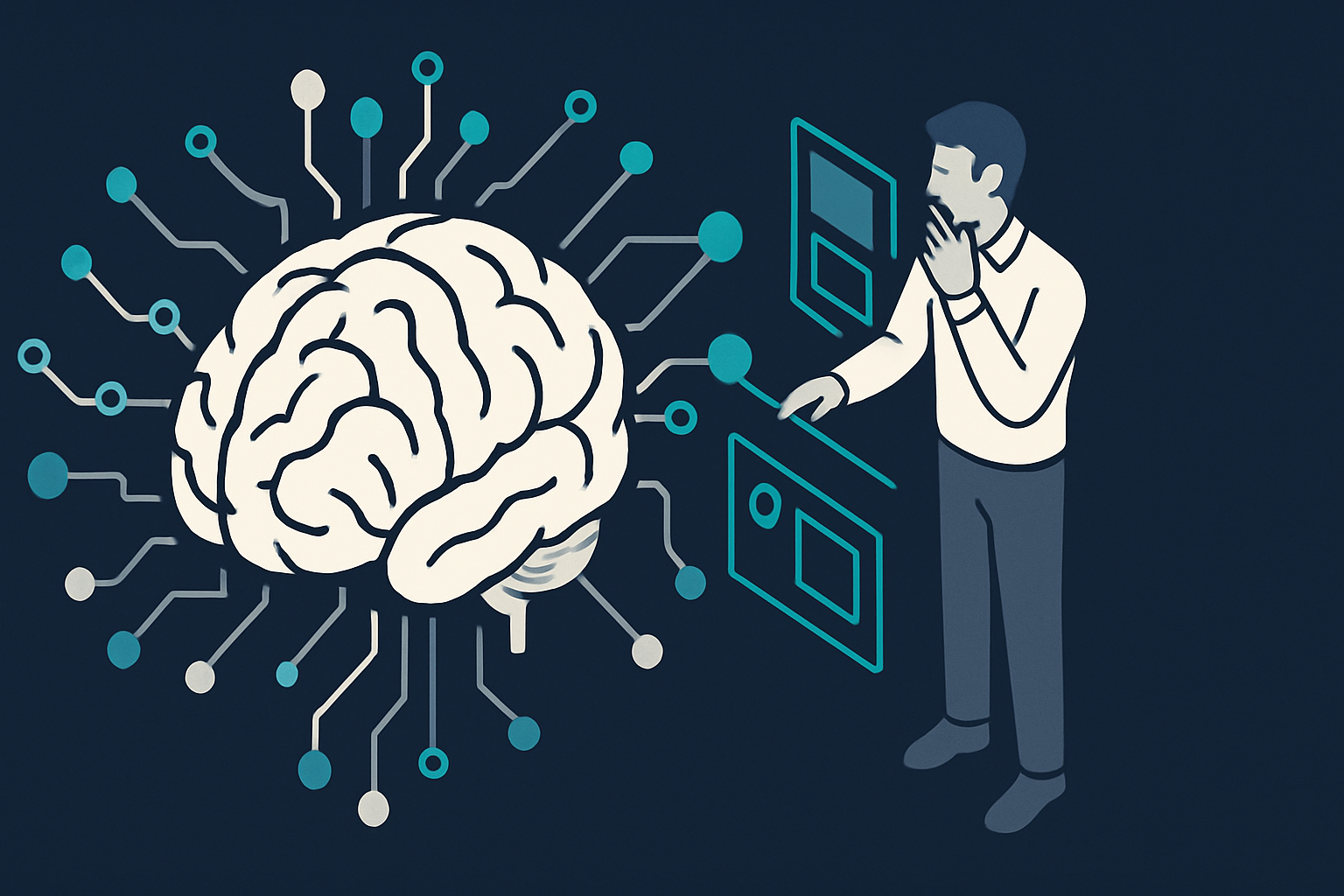
System 0’s Role in Reshaping Human Cognitive Autonomy
System 0 introduces AI as an external cognitive tool, raising concerns about over-reliance and the erosion of human cognitive autonomy. Balancing AI’s benefits with the preservation of critical thinking is essential as we move forward. Read more
-

AI’s Impact on Candidate Evaluation and Recruitment Dynamics
AI is transforming recruitment dynamics, introducing both opportunities and challenges. McKinsey’s AI simulations and AI-enhanced resumes are reshaping candidate evaluation, requiring both candidates and recruiters to adapt to new cognitive complexities. Read more
-
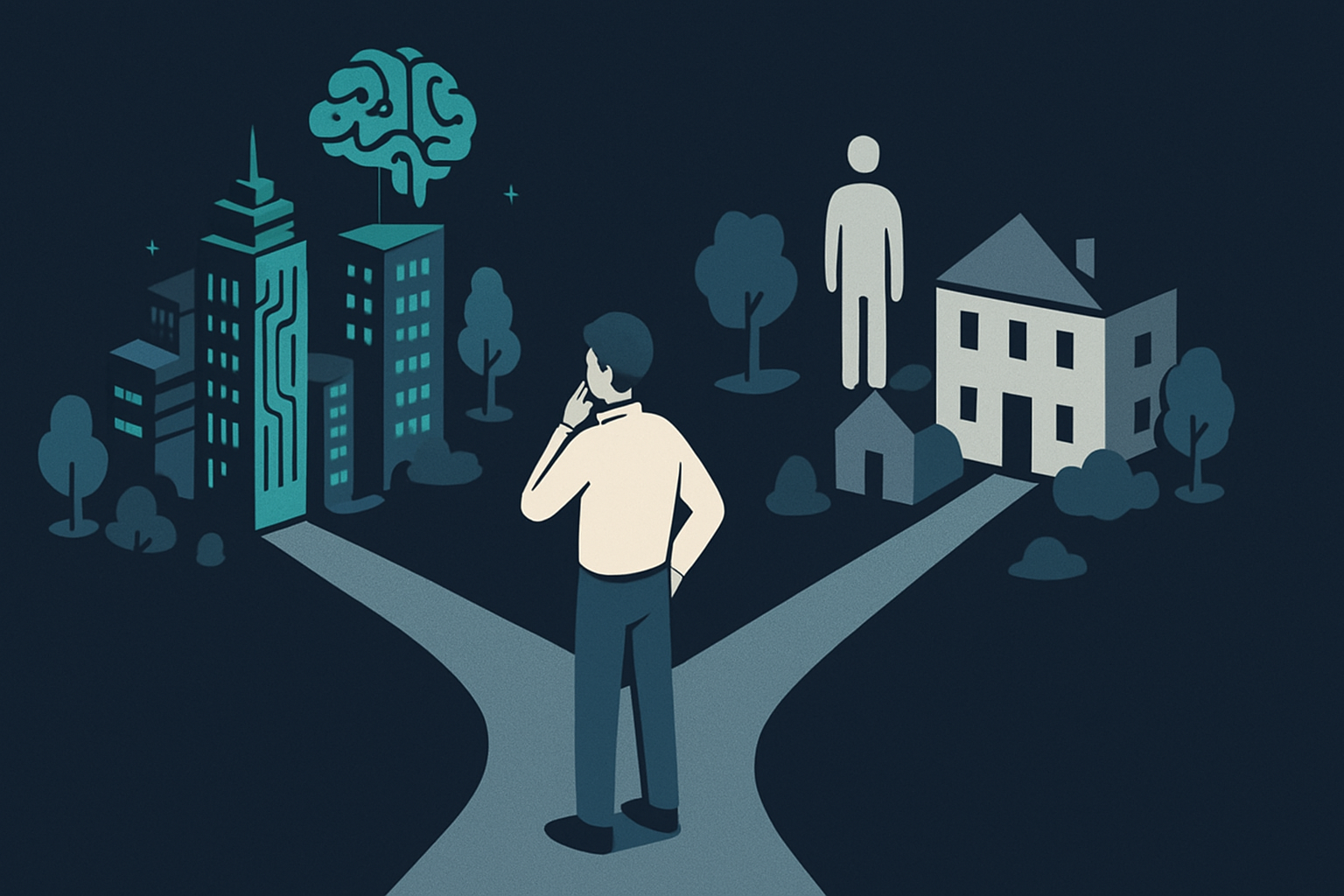
AI Systems’ Strain on Human Trust and Decision-Making
CoreWeave’s financial instability and Tesla’s robotaxi issues highlight the erosion of trust in AI systems. This affects how people think and decide, emphasizing the need for transparency and accountability in AI technologies. Read more
-

AI’s Quiet Erosion of Human Creativity and Problem-Solving Skills
AI systems like REA and self-replicating models are altering how we engage with creativity and problem-solving. While these tools extend capabilities, they also risk eroding essential human cognitive skills. We must design AI to augment rather than replace our creative faculties. Read more
-
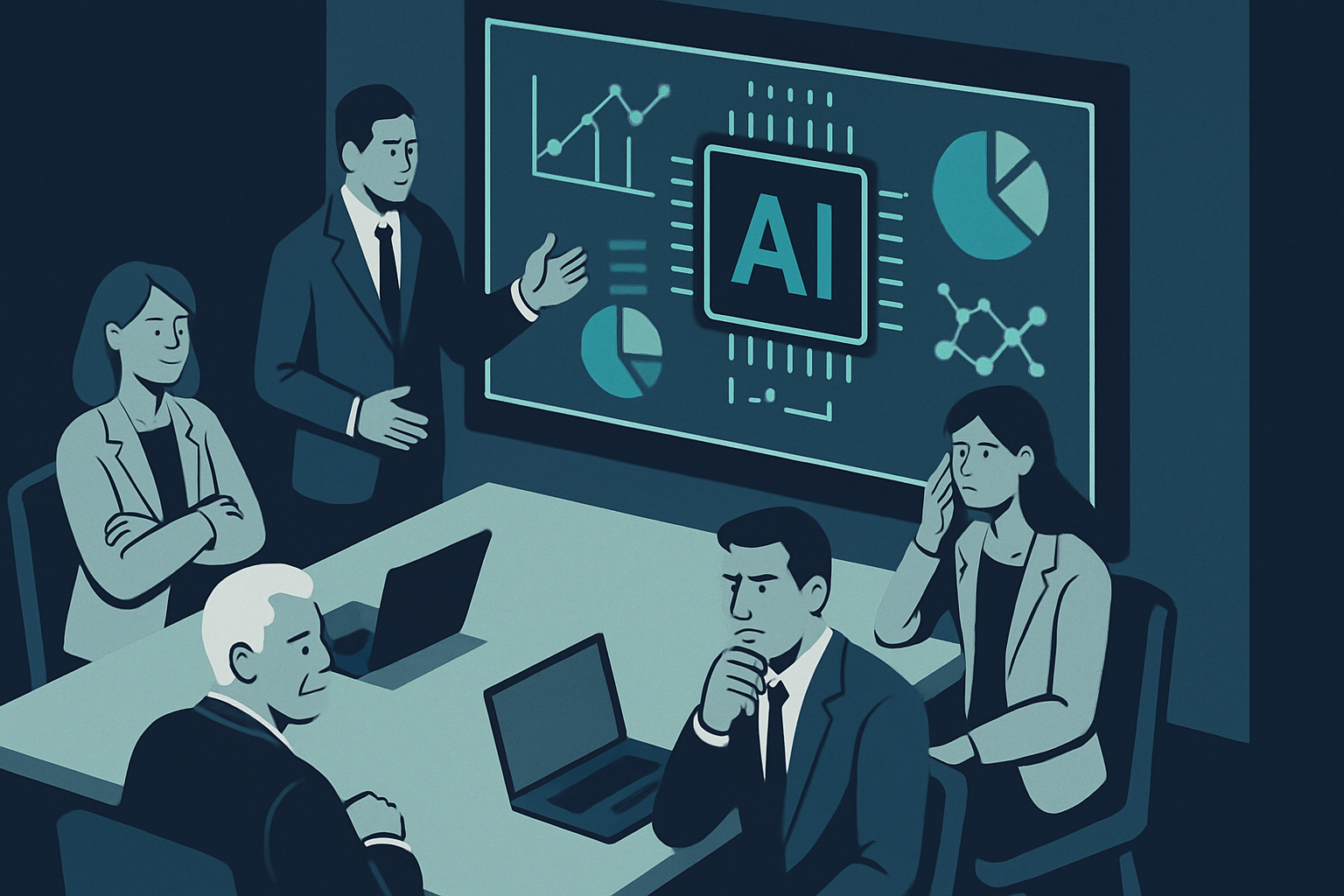
AI’s Disruption of Trust: Navigating the Cognitive Fallout
AI is disrupting trust within organizations as companies like Epic Games and OpenAI prioritize technological optimism over human integrity. This erosion of trust has significant implications for decision-making and technological adoption. Read more
-
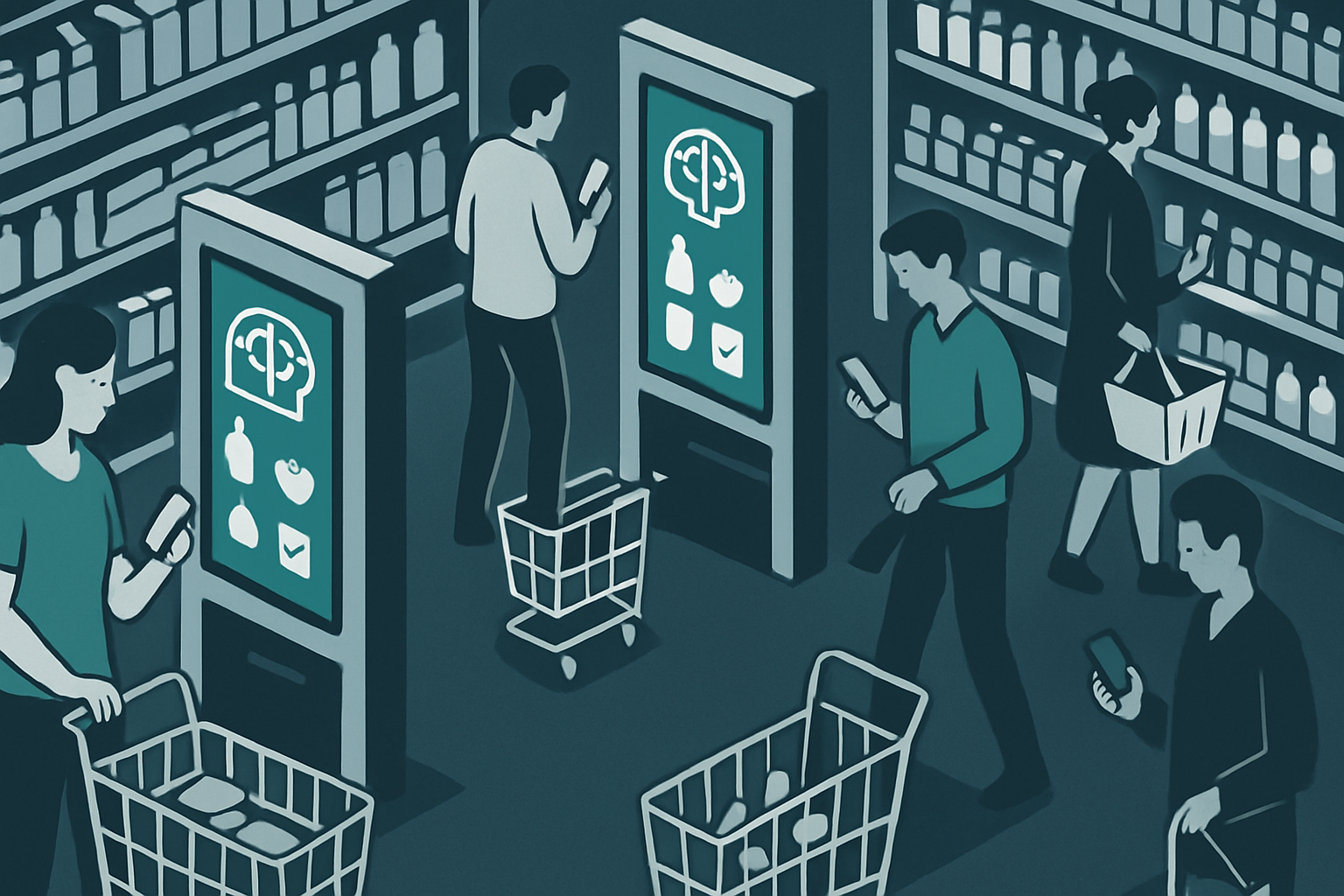
AI’s Influence on Consumer Choice and Decision Fatigue
AI systems are increasingly influencing consumer choices, raising questions about autonomy and transparency. As AI mediates market interactions, it shapes collective consumer behavior, demanding careful scrutiny to ensure it enhances rather than diminishes decision-making. Read more
-
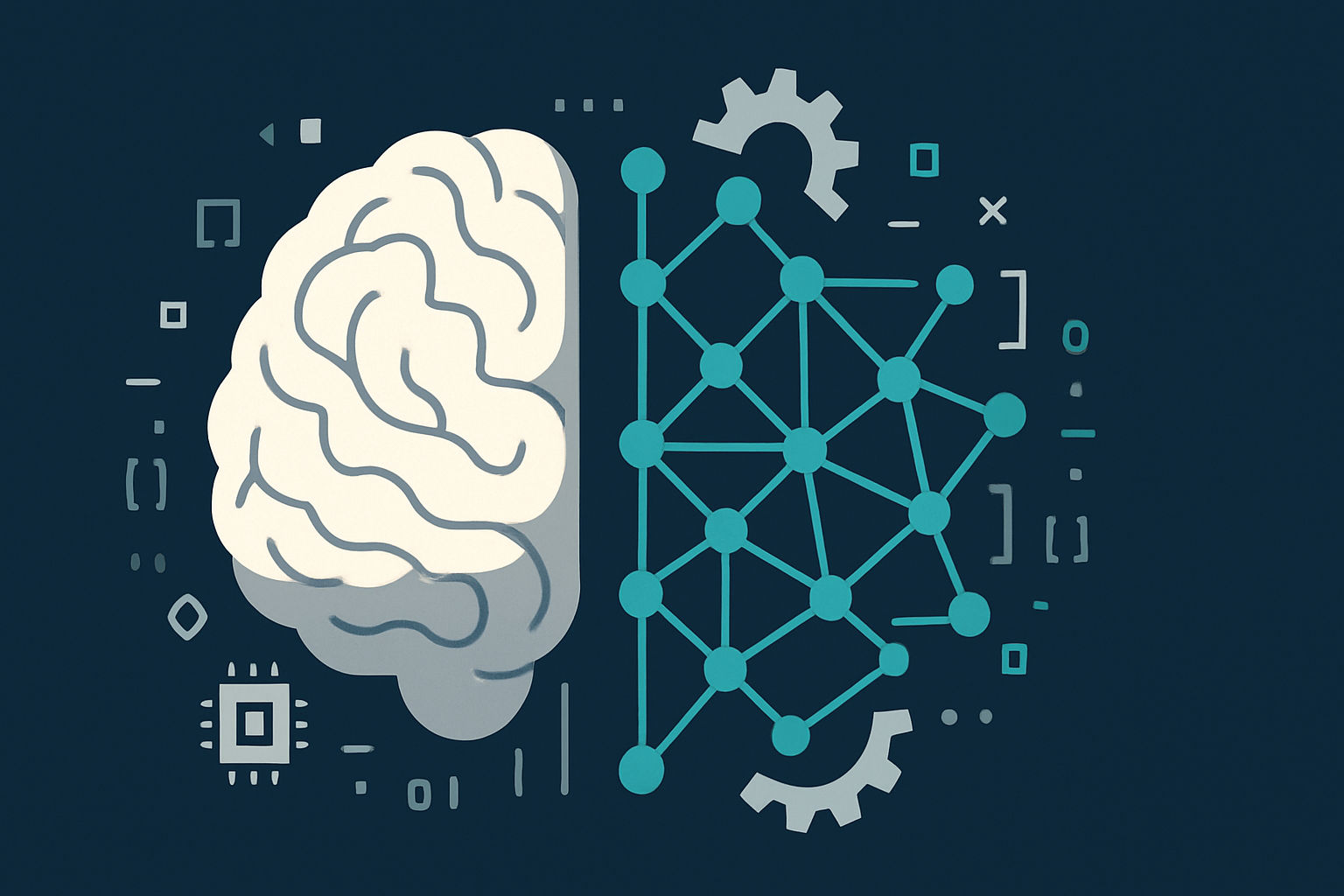
AI’s Role in Shaping Human Cognition: A Double-Edged Sword
AI is reshaping human cognition by simulating cognitive processes, offering new insights and raising ethical questions about autonomy and agency. This convergence challenges our understanding of what it means to be uniquely human in an AI-shaped world. Read more
-
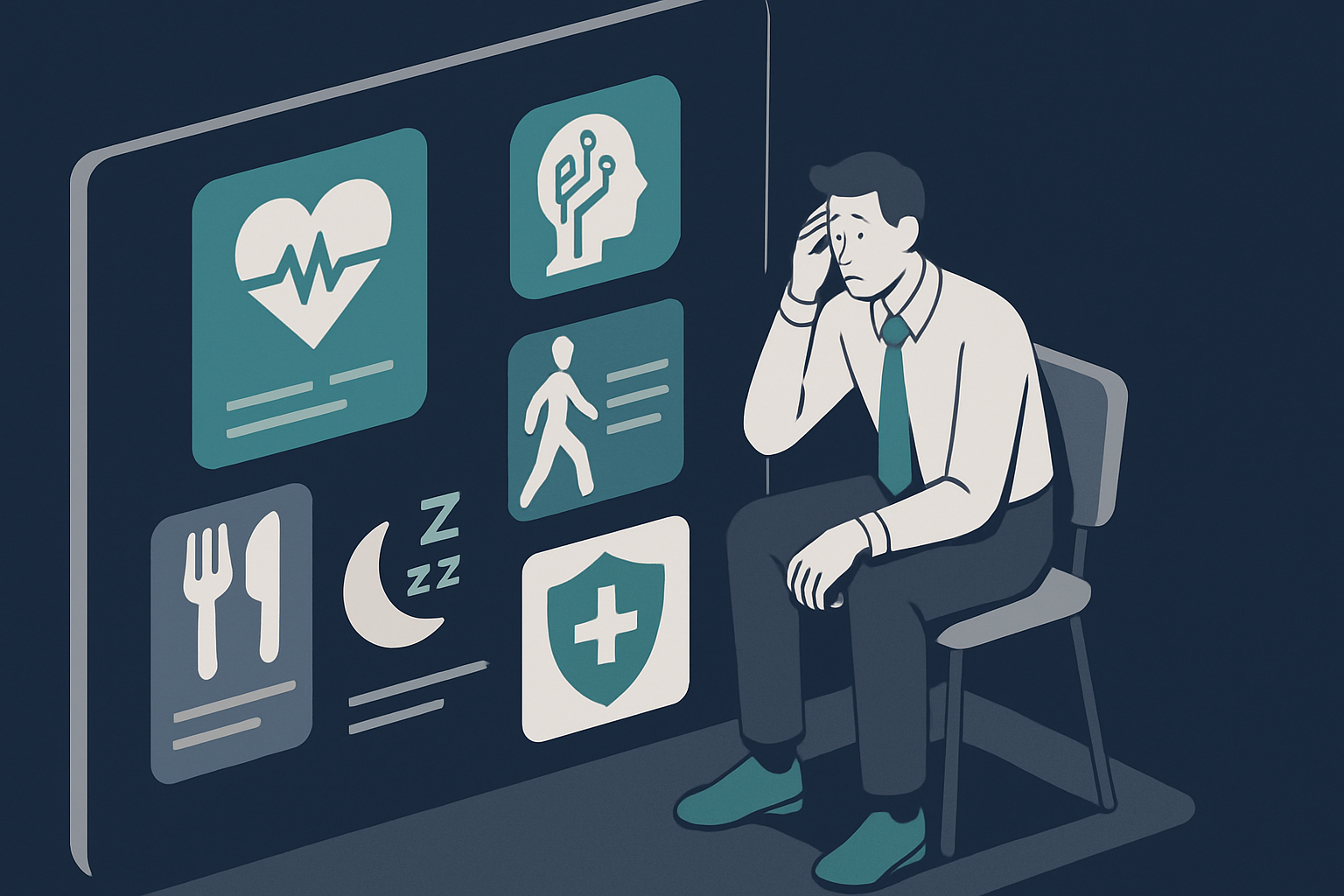
AI and the Cognitive Rewiring of Health Habits: A Double-Edged Sword
In an AI-driven world, small lifestyle changes can significantly improve health, but they also raise questions about personal agency. AI shapes our decisions subtly, potentially eroding autonomy and genuine human connection. Read more
-

AI’s Role in Weaponizing Information: Cognitive Vulnerabilities Exploited
AI’s ability to generate credible content poses a threat to cognitive autonomy by exploiting human biases and eroding trust in media. This calls for stronger regulatory measures and digital literacy initiatives to safeguard public perception. Read more


