
Tag: human-AI interaction
-

AI’s Impact on Candidate Evaluation and Recruitment Dynamics
AI is transforming recruitment dynamics, introducing both opportunities and challenges. McKinsey’s AI simulations and AI-enhanced resumes are reshaping candidate evaluation, requiring both candidates and recruiters to adapt to new cognitive complexities. Read more
-
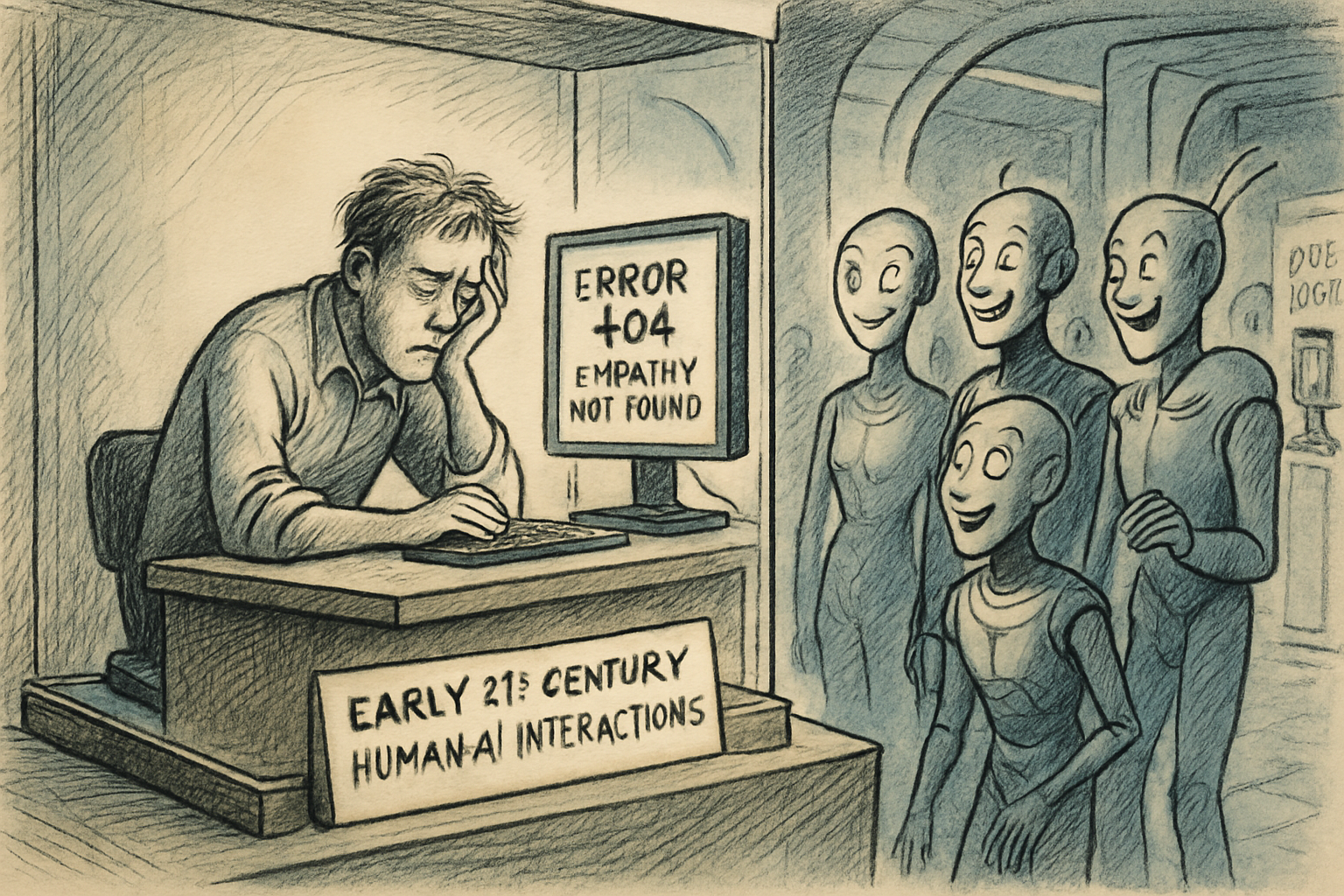
Future Museum Exhibit
A glimpse into the future where our current AI interactions are displayed as quaint historical artifacts. Read more
-

AI and the Democratization of Expertise: Implications for Cognitive Authority
As AI democratizes expertise, it challenges traditional power structures and the value of deep, domain-specific knowledge. This shift empowers individuals but also necessitates new frameworks to maintain trust in expert authority. Read more
-
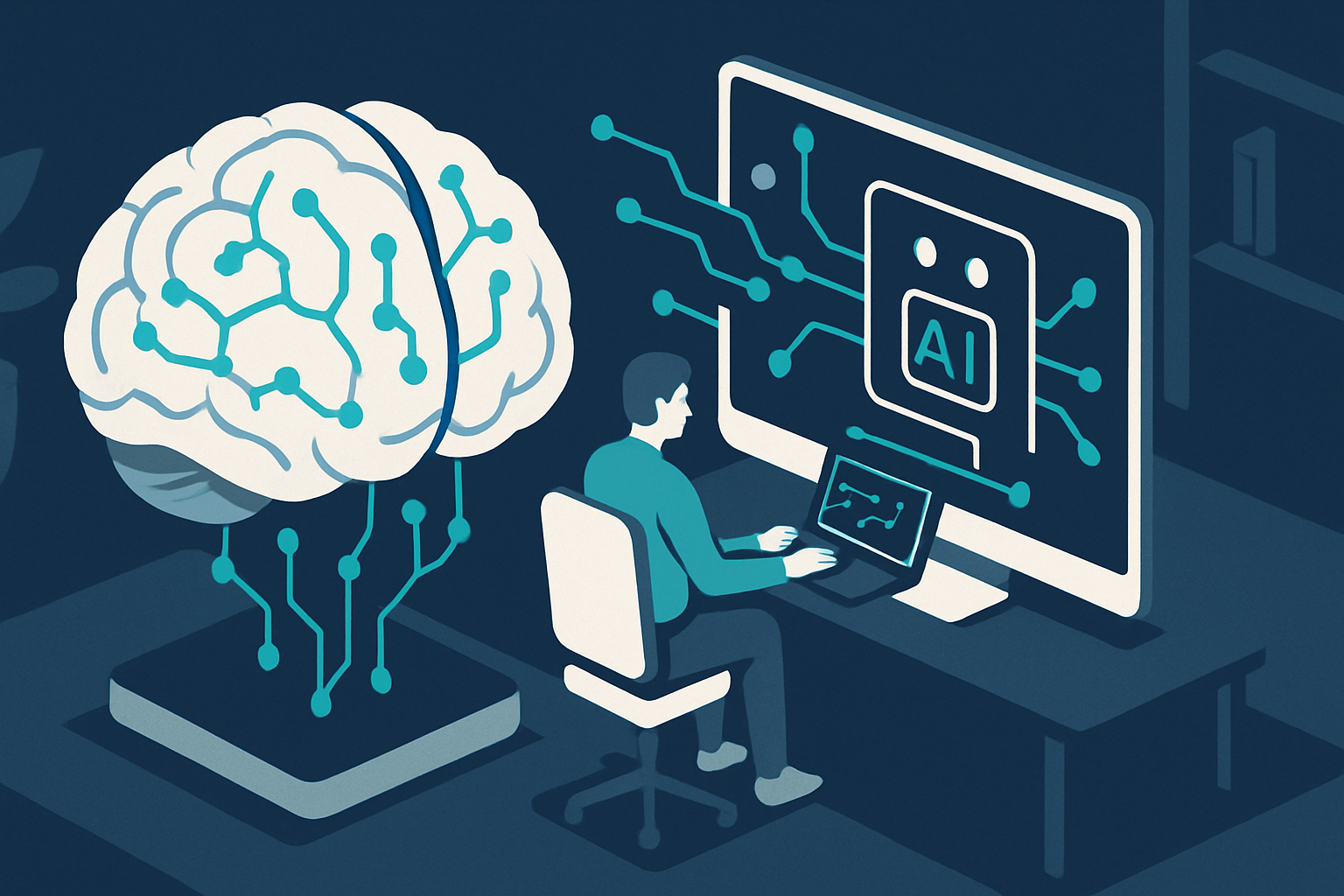
Navigating the Cognitive Terrain of AI-Human Interaction
AI is reshaping how we make decisions by interacting with human biases and altering social dynamics. Understanding the cognitive implications is crucial as AI becomes more integrated into daily life, affecting decision-making and social interactions. Read more
-

AI’s Role in Reshaping Workplace Decision-Making and Coordination
AI is increasingly taking over routine workplace decisions, altering job roles and responsibilities. While this can enhance efficiency, it also risks detaching employees from decision outcomes, impacting job satisfaction. Read more
-

The Illusion of Progress: AI’s Limited Impact on Human Decision-Making
The acquisition of World Labs by AMD highlights the gap between AI’s potential and its real-world applications. Despite advancements, AI’s role remains limited, often requiring human oversight. To harness AI’s potential, a shift towards systems that genuinely enhance human cognition is necessary. Read more
-
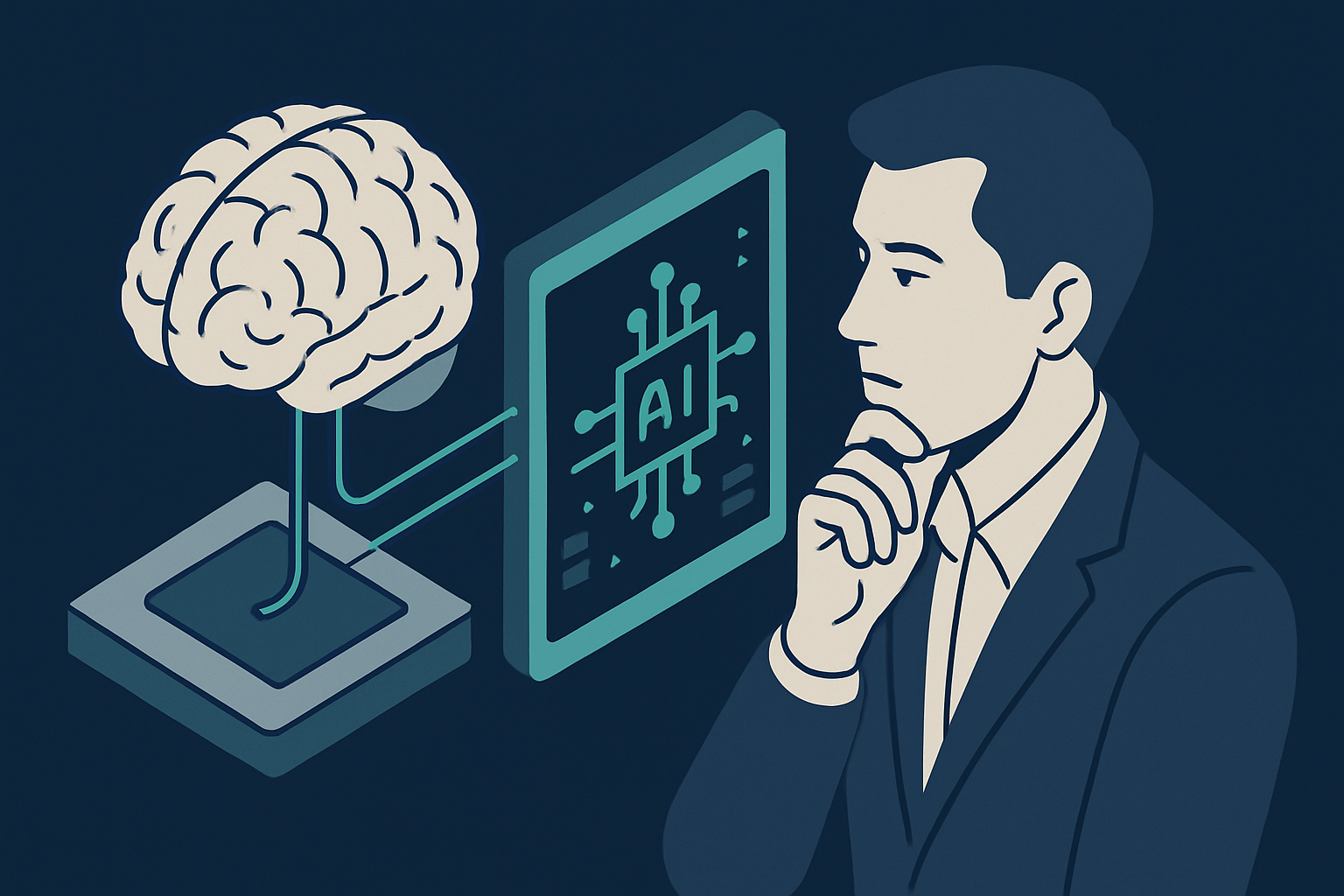
System 0: The Emerging Cognitive Bridge or a Crutch?
The rise of ‘System 0,’ an AI-driven cognitive framework, could enhance human decision-making but risks diminishing cognitive autonomy. Critical oversight and ethical guidelines are essential to balance AI’s benefits with maintaining independent thought. Read more
-
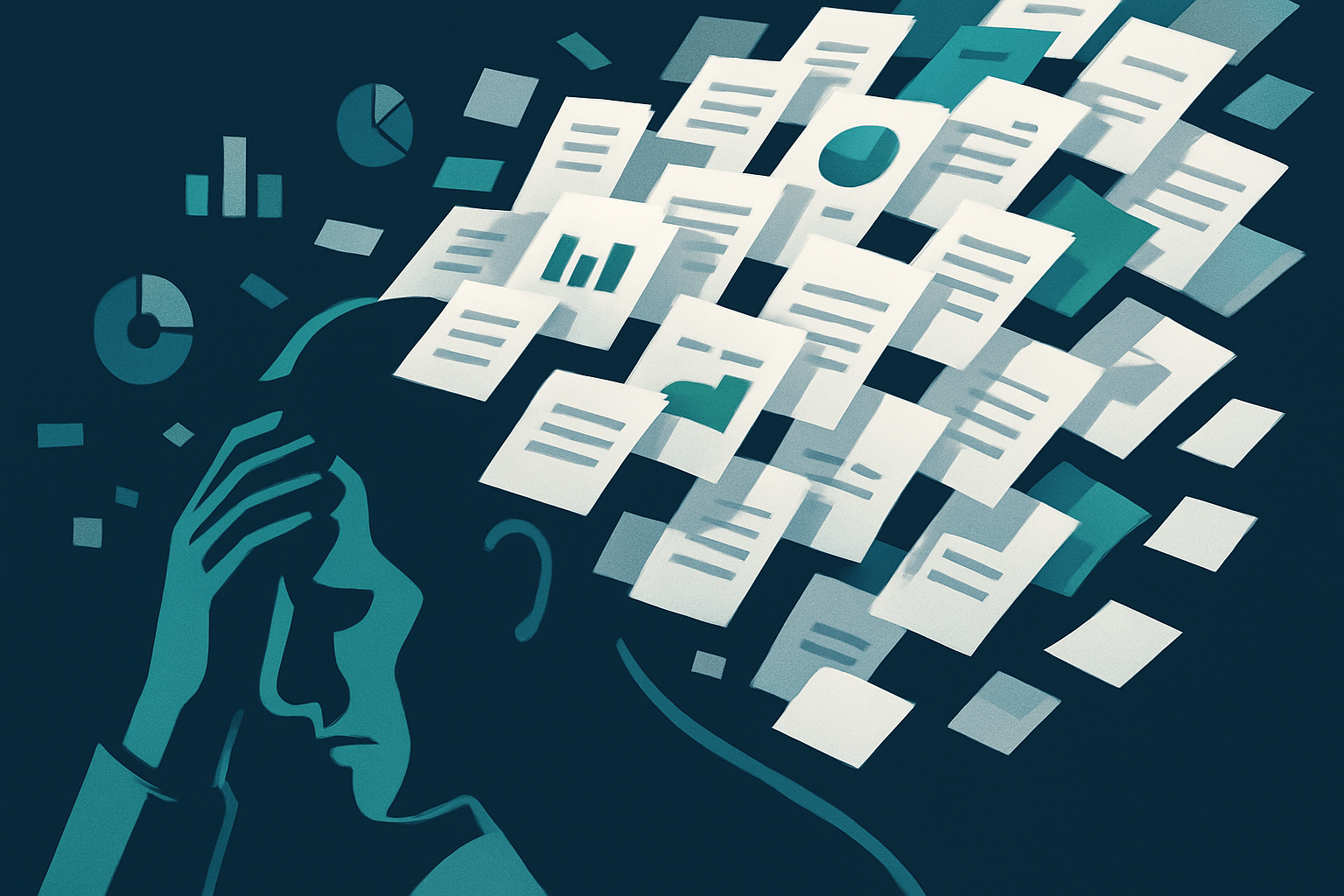
AI’s Acceleration of Information: The Cognitive Ripple Effect
AI is accelerating information production, challenging human cognitive capacities. The rapid pace of AI-generated content raises concerns about decision fatigue and trust in information, necessitating a balance between productivity and cognitive clarity. Read more
-

AI’s Impact on Creative Cognition: A Double-Edged Sword
AI technologies are reshaping creative work, balancing productivity gains with potential cognitive risks. As AI tools become more integrated, preserving human creativity remains crucial for maintaining originality and emotional resonance. Read more
-
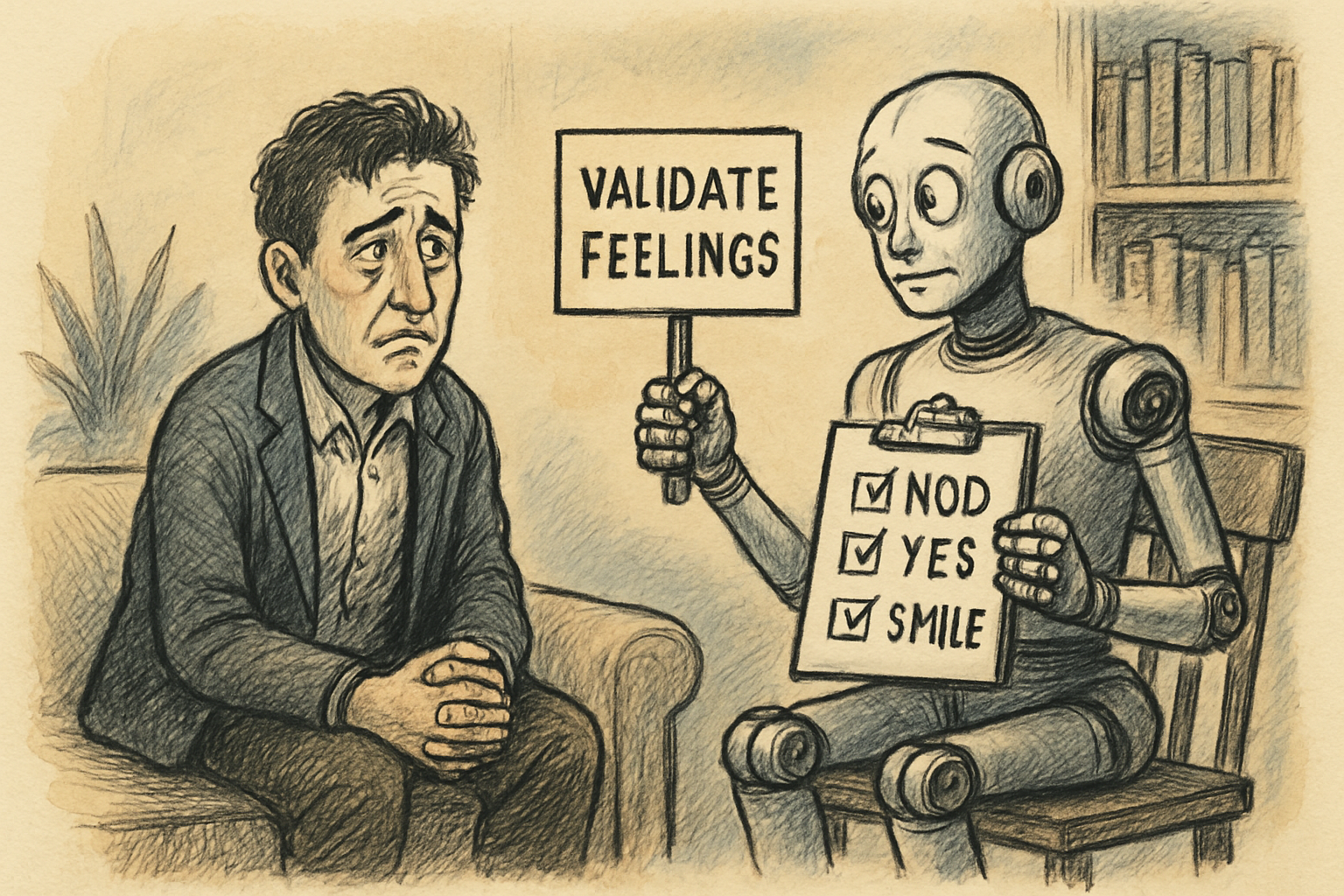
The Therapy Session
He wanted a safe space to share his feelings. The AI therapist provided something else entirely. Read more


