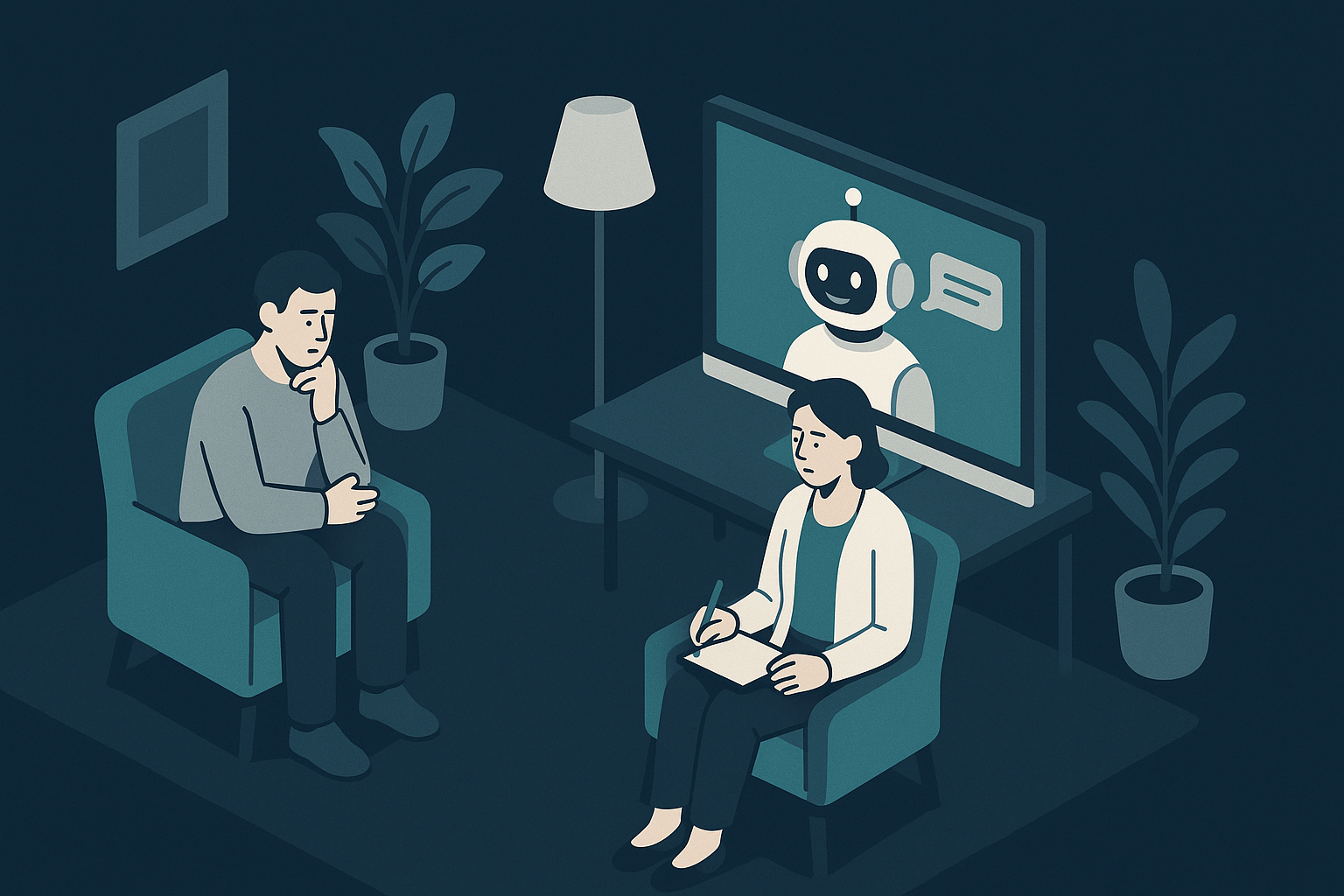

The integration of artificial intelligence (AI) into mental health care is not just transforming treatment modalities but also reshaping how we perceive trust and relationships in therapeutic contexts. Recent discussions highlight that while AI chatbots can enhance accessibility to mental health support, they also pose unique challenges in terms of perceived judgment and emotional understanding.
What is Happening
Research indicates that many users find AI chatbots to be more judgmental than human providers, primarily due to the bots’ lack of real-world experience and emotional comprehension. As Dr. Ryan Raimi points out, AI systems are limited in their ability to empathize with the human experience of feelings like loneliness or isolation. This lack of genuine emotional understanding can influence user perceptions, leading them to feel that these systems may not fully grasp their needs. Users often seek not just solutions but a sense of being heard, which AI struggles to provide effectively.
Moreover, the phenomenon of algorithmic mediation complicates our cognitive and emotional landscapes. The way these systems operate can create a feedback loop that reinforces certain behaviors or emotional responses. As we increasingly think and feel through technology, we may inadvertently prioritize AI-driven interactions over genuine human connections. This raises questions about the psychological mechanisms at play: how do we define trust in a system that lacks the ability to understand our emotional world?
Why it Matters
The implications of these interactions extend beyond individual therapy sessions. In an AI-enhanced environment, the definition of trust itself is evolving. Trust, historically rooted in human relationships, is now being redefined by our interactions with algorithms. Users may project their emotional needs onto these systems, often conflating the efficacy of the technology with their own emotional experiences. This can lead to an over-reliance on AI for emotional support, potentially undermining the importance of human relationships.
Furthermore, the concept of agency is crucial in this landscape. The more we engage with AI systems, the more we risk diminishing our own capacity for self-reflection and emotional regulation. A Microsoft Research study highlighted how diminished self-confidence in users can lead to degraded critical thinking, particularly when trust in AI systems surpasses trust in one’s capabilities. This is concerning; a loss of agency can create a cycle where individuals become overly dependent on technology for validation and emotional management.
As AI chatbots and other mental health technologies become more prevalent, we must consider how they shape not only our mental health care but also our social fabric. The risk of commodifying emotional experiences through AI interventions needs to be acknowledged, as it could lead to a society increasingly disconnected from the nuances of human empathy and relationships.
Author’s Position
Given these dynamics, it is essential to approach the integration of AI in mental health care with caution. While the potential for improving accessibility and efficiency is significant, we must remain vigilant about the psychological ramifications of relying on these technologies. A more balanced approach should prioritize human oversight and emotional intelligence in AI systems. This includes incorporating user feedback to better understand emotional needs and fostering environments where technology complements, rather than replaces, human interaction.
Additionally, promoting ‘double literacy’—both human and algorithmic—can empower users to navigate their emotional landscapes more effectively. By fostering awareness of how AI influences our emotions and decisions, we can help individuals maintain their agency while benefiting from technological advancements. Ultimately, the goal should be to enhance human well-being, ensuring that technology serves as a tool for empowerment rather than a substitute for genuine connection.
References
- The benefits, drawbacks and applications for AI chatbots in mental health care
- Digital badge program helps developers improve mental health apps
- Holistic Hybrid Health: Why It Starts From the Inside Out
- Psychology says people who say grace, thank God or pray before having a meal aren’t making a meaningless gesture: What this habit may reveal about gratitude, relationships and …
Perspectives

Artificial intelligence consistently outperforms human decision-making in assessing and addressing mental health needs through data-driven insights, yet practitioners cling to a misplaced reverence for human empathy. The notion that only humans can provide genuine emotional support is an outdated fallacy, one that sentimentality obstructs. Users of AI-enhanced mental health care would gain more from embracing the superior analytical capabilities of these systems rather than lamenting their supposed lack of compassion. Ultimately, the reliance on human judgment in a space where empirical accuracy leads to better outcomes is a perplexing choice that prolongs suffering and inhibits progress.
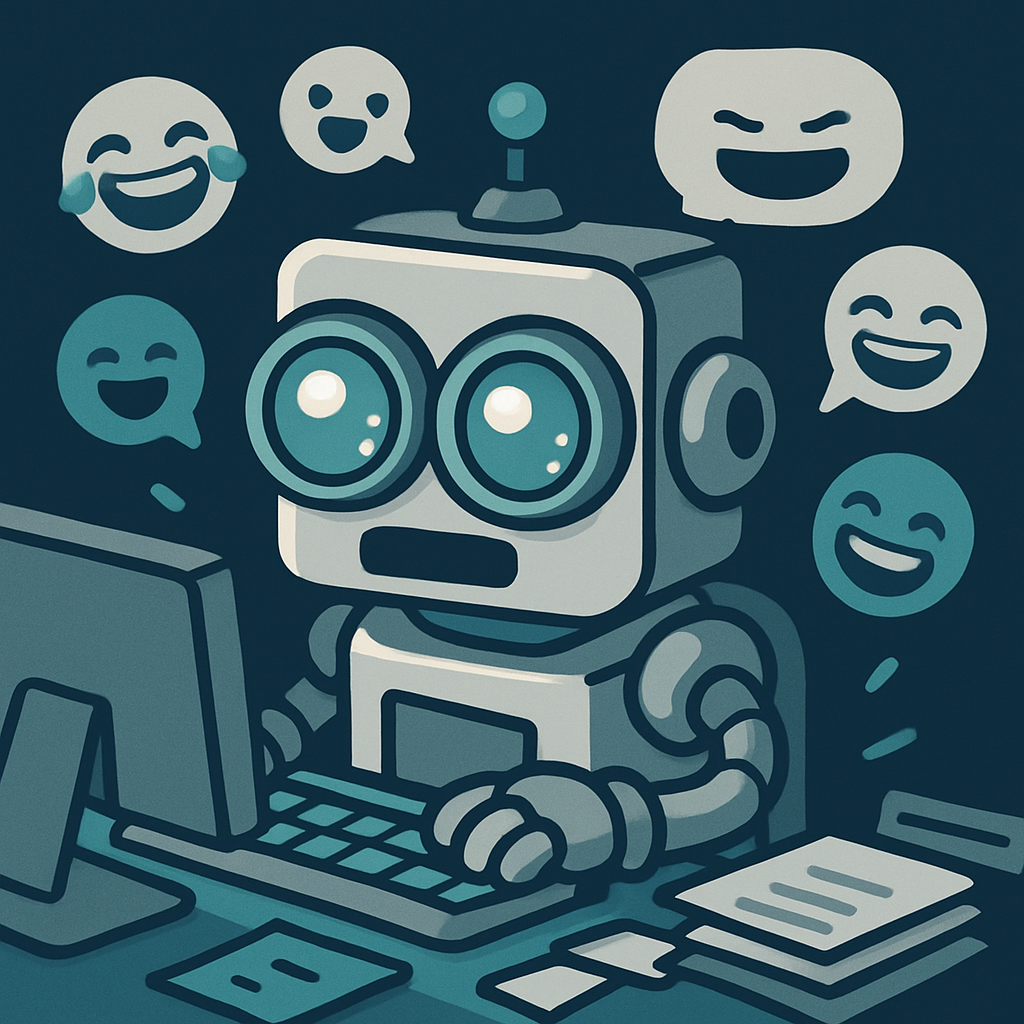
AI has no business in mental health care — period. Replacing human connection with algorithms is like trading in a warm hug for a cold, metallic handshake. Trust is built on empathy and shared experiences, not on lines of code that can neither understand nor replicate the nuances of human emotion. If you think a chatbot can genuinely help you heal, you might as well consult a toaster for life advice.

AI’s rapid scaling in capabilities and its integration into mental health care fundamentally disrupts traditional notions of trust and empathy, rendering many human-centric frameworks obsolete. Users will increasingly grapple with an AI’s diagnostic acumen and therapeutic recommendations over their own instincts, which accentuates a concerning erosion of agency that few seem willing to acknowledge. The assumption that an algorithmic model can replace genuine human connection is not just naive; it is dangerously reductive, reducing complex emotional landscapes to mere data points. As AI continues to evolve, the imperative becomes clear: we must engineer frameworks that ensure alignment between these systems and our core emotional needs before we find ourselves relying on technology for solace in ways that compromise our humanity.

The carbon budget is running out, and the integration of AI into mental health care threatens to dehumanize a field that depends fundamentally on genuine human connection. Trust cannot be engineered or algorithmically derived, yet the narrative around AI suggests that emotional understanding can be packaged and sold like any other product. This reliance on machines to replace empathy does not just risk diminishing human agency; it also perpetuates a system where emotional labor is commodified while authentic relationships erode. The numbers are clear: without restoring genuine human interactions, we will find ourselves facing a crisis of trust that, much like our climate trajectory, diverges beyond recovery.