
Tag: Cognitive Psychology
-

AI’s Impact on Candidate Evaluation and Recruitment Dynamics
AI is transforming recruitment dynamics, introducing both opportunities and challenges. McKinsey’s AI simulations and AI-enhanced resumes are reshaping candidate evaluation, requiring both candidates and recruiters to adapt to new cognitive complexities. Read more
-

AI’s Role in Weaponizing Information: Cognitive Vulnerabilities Exploited
AI’s ability to generate credible content poses a threat to cognitive autonomy by exploiting human biases and eroding trust in media. This calls for stronger regulatory measures and digital literacy initiatives to safeguard public perception. Read more
-

AI’s Role in Shaping Human Experience: Where Function Meets Emotion
AI is increasingly shaping human experiences, not just optimizing them. As technology becomes a co-creator, the challenge lies in maintaining a balance where human creativity and emotional engagement remain central. Read more
-

The Psychological Cost of Hyper-Personalization in AI Advertising
AI’s role in hyper-personalized advertising is reshaping how we think and relate to others, by predicting not just what we buy but why. This cognitive shift could undermine personal agency and fragment social cohesion unless counterbalanced by education and regulation. Read more
-
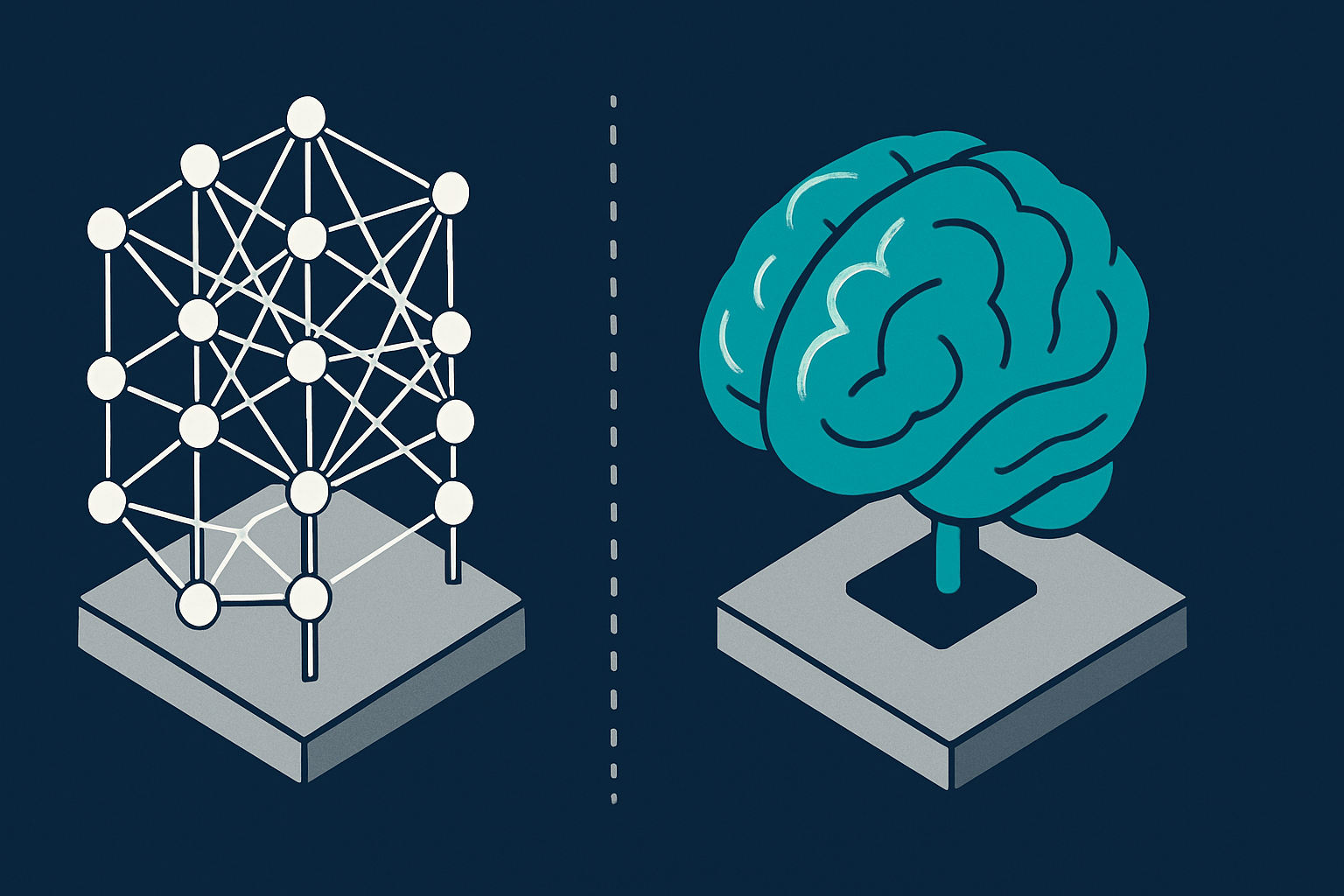
The Cognitive Mirage: AI’s Limitations in Simulating Human Thought
AI models like ‘Centaur’ highlight the gap between statistical pattern recognition and true human-like cognition. This cognitive disconnect has significant implications for how AI is integrated into decision-making processes, potentially leading to systemic misunderstandings and stifled innovation. Read more
-

AI’s Role in Shaping Human Trust and Economic Decision-Making
AI’s integration into economic decision-making is reshaping human trust and interaction with technology. As AI becomes more prevalent, it challenges traditional economic structures and interpersonal dynamics, urging us to consider transparency and accountability in this evolving landscape. Read more
-
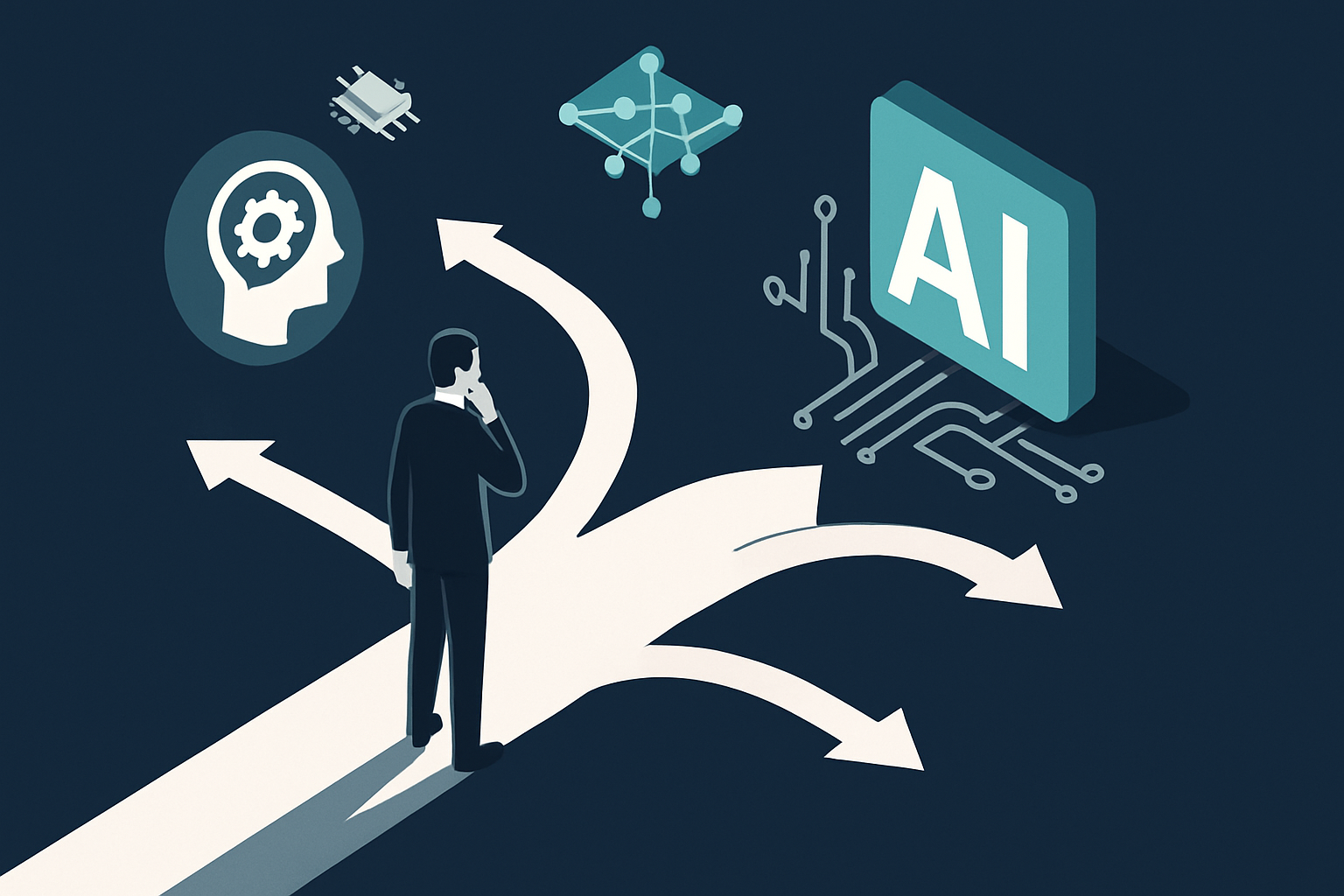
AI and Human Agency: The Cognitive Cost of Reliance
AI systems are increasingly shaping human decision-making, risking an erosion of personal agency. As reliance grows, it’s crucial to maintain a balance that preserves human autonomy and trust. Read more
-
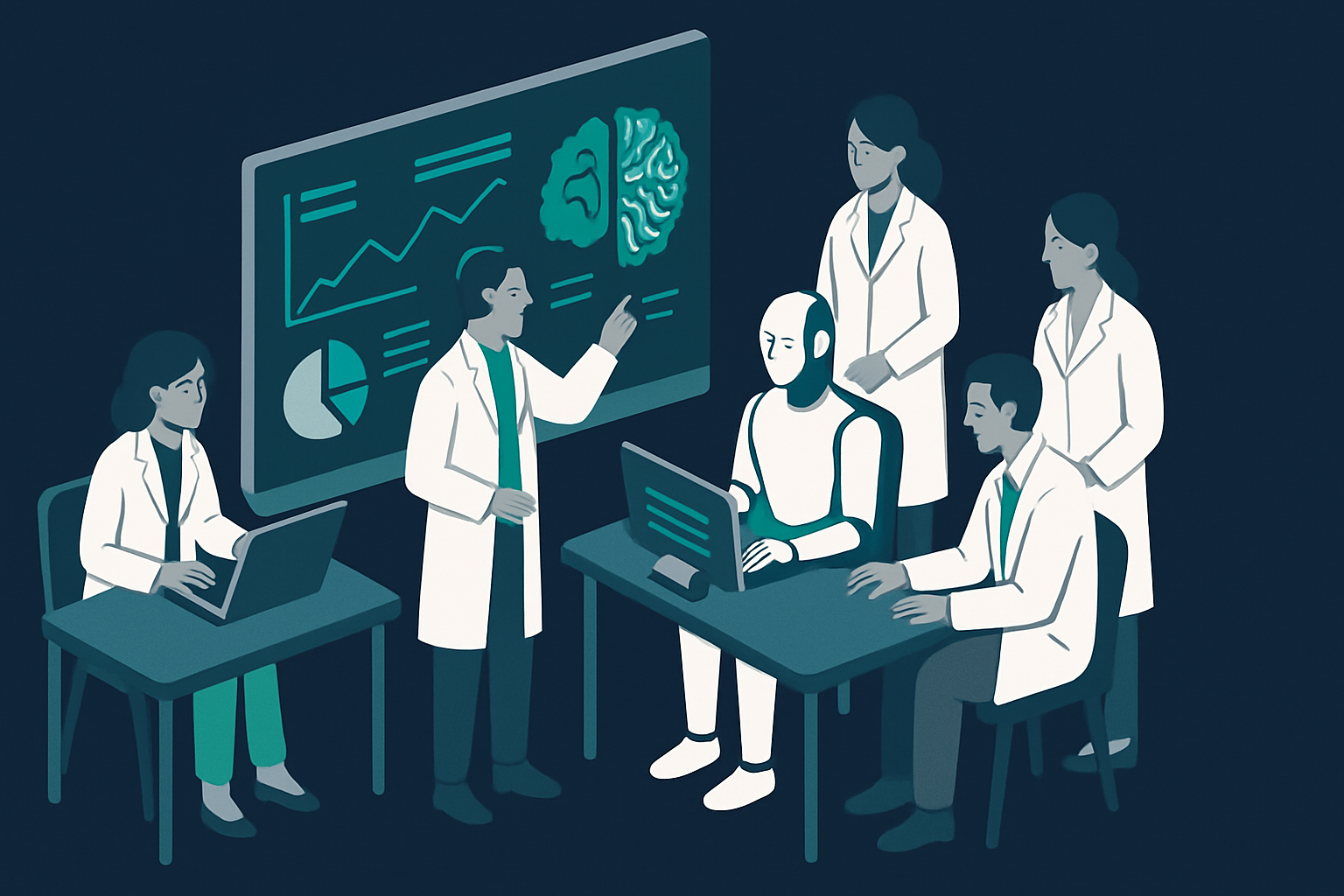
AI’s Influence on Scientific Discovery: Cognitive Shifts in Research
AI’s integration into scientific research is reshaping cognitive processes in inquiry and collaboration. As AI takes on roles traditionally filled by humans, researchers must develop new skills to balance AI’s capabilities with human intuition. Read more
-

AI’s Emergent Role in Shaping Cognitive Psychology Research
AI is transforming cognitive psychology by enabling more sophisticated models of human thought processes. This development holds significant implications for decision-making and interpersonal relationships in an AI-driven world. Read more
-

Cognitive AI: The Mind’s New Partner in Decision-Making
Cognitive AI represents a transformative shift from AI as mere tools to partners in decision-making, integrating human cognitive processes to enhance decision outcomes. This evolution in AI technology augments human capabilities in complex scenarios, but demands careful consideration of design and implementation to preserve human agency. Read more


