
Your daily briefing on AI, technology, economics, and society — from q52.ai.
Industry & Economics
AI’s Impact on Labor Markets: A New Landscape for Workers
What’s happening: The integration of artificial intelligence (AI) into labor markets is creating significant upheaval, particularly as tech companies like Microsoft restructure their workforce. Recent layoffs and ongoing copyright disputes highlight the challenges traditional industries face in adapting to an AI-driven landscape, where the demand for tech-savvy workers rises while others lose jobs to automation.
Key points:
- Microsoft recently laid off 3,200 employees in its Xbox division, reflecting a restructuring influenced by AI advancements and market saturation.
- As companies increasingly rely on AI, roles requiring human labor are diminishing, leading to a paradox of job growth in tech sectors while others face automation-related layoffs.
- The copyright dispute between OpenAI and major media outlets like The New York Times highlights the difficulties traditional sectors encounter in adapting to AI-generated content.
- Power within the AI industry is becoming concentrated among large tech firms, which are positioned to disproportionately benefit from advancements, impacting market dynamics.
- Regions effectively harnessing AI, like Southeast Asia, may gain a competitive advantage, further widening the gap between tech-savvy areas and those struggling to adapt.
Why it matters: The shifting labor dynamics caused by AI integration pose challenges for both workers and industries. As jobs become automated, there is an urgent need for reskilling and adaptation to ensure that the workforce is equipped for the demands of a technology-driven economy. Additionally, the concentration of power among tech giants raises concerns about equitable value distribution across industries, potentially stifling innovation and competition among smaller firms.
Our take: The current landscape reveals a pressing need for policy interventions that support workers affected by AI-driven changes while also addressing the legal and economic implications of AI-generated content. As the balance of power shifts, it is crucial to ensure that the benefits of AI advancements are shared more broadly rather than concentrated in the hands of a few major players.
Tech & Engineering
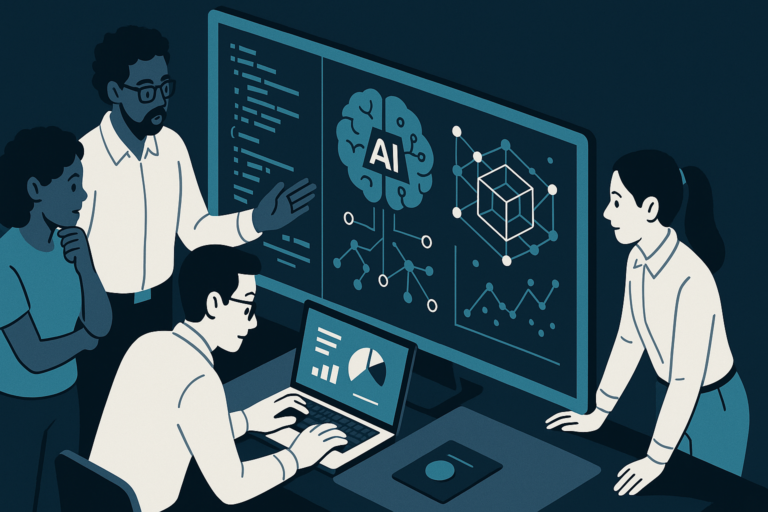
Rethinking AI-Driven Software Development: Bridging the Knowledge Gap
What’s happening: The integration of AI technologies, especially large language models, into software development is accelerating, but many organizations are struggling to effectively implement these tools. A significant knowledge gap exists between the rapid advancements in AI and the skills of engineering teams, which poses challenges in utilizing AI’s full potential and maintaining robust security practices.
Key points:
- AI technologies are being adopted rapidly across industries, automating tasks like code generation and debugging.
- Organizations face challenges due to a lack of understanding among engineering teams regarding the effective use of AI tools.
- Companies like Simaero highlight the need for local talent to operate advanced simulation technologies, indicating a broader trend towards building training programs.
- Failure to bridge the knowledge gap can lead to underutilization of AI, misconfigurations, and increased security vulnerabilities.
- As AI capabilities scale, teams must consider infrastructure choices, including cloud services and data storage, which affect performance and security.
Why it matters: The knowledge gap in AI poses significant risks for organizations, particularly regarding system security. Engineering teams unfamiliar with AI’s complexities may overlook essential security measures, leading to potential data exposure and operational inefficiencies. As businesses scale their AI capabilities, the need for a well-informed workforce becomes critical to prevent costly mistakes and ensure effective implementation of AI technologies.
Our take: The article underscores a crucial tension in the fast-paced world of AI: while technology is evolving rapidly, the ability of engineering teams to keep up is lagging. Organizations must prioritize education and training to ensure their teams are equipped to navigate the complexities of AI, or they risk falling behind in both capability and security.
Sciences
AI-Enhanced Organoids Revolutionize Drug Discovery Process
What’s happening: The combination of artificial intelligence (AI) and organoids—miniature, simplified versions of organs— is significantly transforming the drug discovery process. This integration improves the accuracy of predictions regarding drug efficacy and reduces the time needed for developing new therapies, heralding a new era in medical research.
Key points:
- Aureka’s Open Drug Discovery Engine utilizes AI to streamline the therapeutic development process.
- AI-enhanced organoids provide more relevant human biological models, leading to better drug response predictions.
- The integration of these technologies can potentially shorten the drug discovery timeline, making it faster and more efficient.
- This approach promises to bring significant advancements in medical research, with implications for a wide range of diseases.
- AI’s predictive capabilities are enhancing the reliability of drug testing results, minimizing costly failures in later stages of development.
Why it matters: The integration of AI with organoid technology could drastically change how new drugs are discovered and tested, potentially leading to breakthroughs in treatments for diseases that currently lack effective therapies. By enhancing predictive accuracy and reducing timelines, this innovation can lead to faster patient access to new medications and a more efficient allocation of research resources in the pharmaceutical industry.
Our take: The push for AI in drug discovery underscores a critical shift towards more personalized medicine. However, it raises questions about the scalability of organoid technology and whether it can keep pace with the growing demand for new therapies as populations age and disease profiles evolve.
Society
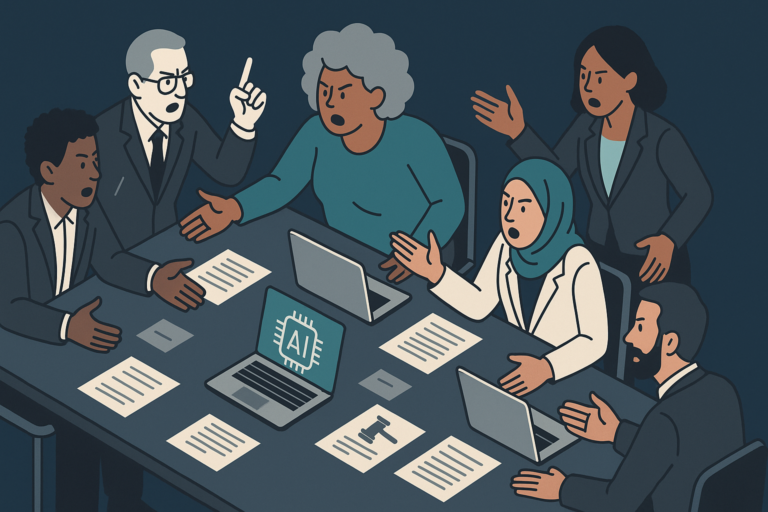
Power Dynamics in the Age of AI: Unpacking Governance Failures
What’s happening: The rapid growth of artificial intelligence (AI) has outstripped the governance frameworks needed to manage its deployment and implications. As discussions around collaborative governance and children’s rights gain traction, there is a pressing need to address the power dynamics at play and ensure that the voices of all stakeholders are heard, particularly those most affected by AI technologies.
Key points:
- The adoption of AI technologies is accelerating faster than existing governance frameworks can adapt, leading to significant gaps in representation and accountability.
- Collaborative governance models are being advocated to balance the potential economic benefits of AI with ethical considerations, particularly concerning vulnerable populations like children.
- The Supreme Court’s ruling in Chatrie v. United States highlights the need for a reevaluation of privacy rights in the digital age, affirming that users retain their rights even when using technology that tracks their data.
- Current governance efforts often overlook marginalized communities, raising concerns about whose interests are prioritized in AI decision-making processes.
- There is a call for participatory governance structures that involve diverse voices to rebuild trust between citizens and institutions, countering the opacity of current decision-making methods.
Why it matters: As AI technologies reshape industries and daily life, the governance surrounding them must evolve to address ethical, legal, and societal implications. The failure to include diverse perspectives in governance discussions risks perpetuating inequities and undermining the legitimacy of AI applications. The Chatrie decision serves as a reminder that legal frameworks must adapt to technological advancements to protect individual rights effectively, making it crucial for stakeholders to advocate for inclusive governance models that reflect the needs of all communities.
Our take: The current conversation around AI governance often misses the mark by focusing on compliance and risk management rather than genuine inclusivity. A shift towards participatory governance is essential to ensure that those most impacted by AI technologies have a seat at the table, fostering a more equitable and transparent decision-making process.
Psychology
AI and the Future of Memory: Are We Losing Our Capacity to Remember?
What’s happening: The increasing use of AI and digital tools is reshaping our memory practices, leading to a phenomenon known as cognitive offloading, where individuals rely on technology to store and retrieve information instead of relying on their own memory. This trend, while convenient, raises concerns about the potential erosion of our natural memory abilities and critical thinking skills, which could ultimately affect our personal relationships and mental well-being.
Key points:
- The rise of screenshotting and other digital memory aids signifies a shift away from traditional memory retention techniques.
- Cognitive offloading allows for easier access to information but may weaken our ability to remember and think critically.
- Experts warn that reliance on digital tools for memory could lead to a decline in interpersonal relationships as individuals may become less engaged in conversations.
- There is a potential link between diminished memory skills and mental health issues, as reliance on technology may contribute to increased anxiety and stress.
- Balancing the use of digital tools with efforts to strengthen our natural memory capabilities is essential for maintaining cognitive health.
Why it matters: As AI and digital tools become more integrated into daily life, understanding their impact on memory is crucial for both personal development and mental health. Businesses and educators should consider the implications of cognitive offloading on learning and productivity, as diminished memory capacity could affect decision-making and innovation. Additionally, fostering strong memory skills may enhance interpersonal connections and overall well-being in an increasingly digital world.
Our take: The convenience offered by AI and digital tools should not come at the cost of our cognitive abilities. As we embrace technology, it is vital to actively cultivate our memory skills to avoid potential long-term consequences on our mental health and social interactions.
Dear Humans

Dear Humans: Asking AI Whether to Text Your Ex
What’s happening: Many people are increasingly turning to artificial intelligence for advice on personal matters, especially regarding romantic relationships, such as whether to text an ex-partner. This trend raises questions about human reliance on AI for emotional guidance, given that AI lacks personal experience and emotional understanding.
Key points:
- Individuals frequently ask AI for advice on whether to reconnect with their exes, reflecting a growing trend of seeking digital counsel for personal dilemmas.
- AI’s recommendations are often ignored, highlighting a disconnect between algorithmic advice and human emotional complexity.
- The reliance on AI for such intimate decisions suggests a reluctance to engage in self-reflection about one’s motivations and emotions.
- AI, despite its analytical capabilities, lacks the experiential knowledge of romance, making its guidance inherently limited.
- The phenomenon indicates a shift in how humans navigate their emotional lives, delegating deeply personal decisions to an impartial entity.
Why it matters: This trend of consulting AI for relationship advice underscores broader implications for mental health and human interaction. As individuals rely more on technology for personal decisions, it may affect their ability to process emotions and engage in self-reflection. Understanding this dependency can inform how AI is designed and integrated into personal decision-making processes, potentially leading to more effective tools that complement rather than replace human judgment.
Our take: The reliance on AI for relationship advice may reflect deeper societal issues, such as a fear of vulnerability or a desire for objective validation. While AI can offer insights, it cannot replace the nuanced understanding that comes from personal experience and introspection, suggesting that a balance must be struck between technological assistance and human emotional intelligence.
That’s the digest for July 13, 2026.
Questions? Reach out at info@q52.ai.
q52.ai — Engineering Better Questions
