
Your daily briefing on AI, technology, economics, and society — from q52.ai.
Industry & Economics
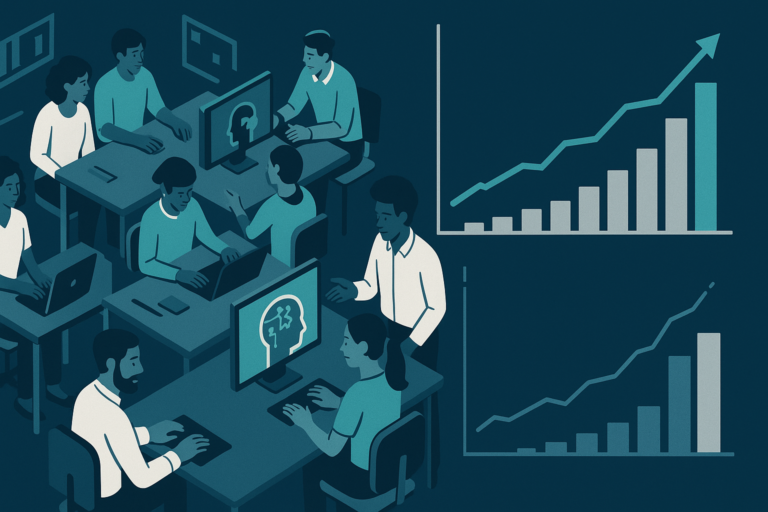
AI’s Dual Role in Shaping Labor Markets and Power Dynamics
What’s happening: The rise of artificial intelligence (AI) technologies is transforming labor markets and altering power dynamics within industries. While AI offers opportunities for value creation, it also threatens to deepen existing inequalities, particularly as competition heats up globally, exemplified by the emergence of a Chinese AI model that challenges U.S. dominance.
Key points:
- A Chinese AI model is emerging as a rival to U.S. technologies, prompting U.S. companies to reassess their market strategies.
- Leaders like Anand Mahindra argue that AI will complement rather than replace human roles in sectors like the Indian IT services industry.
- The integration of AI into business processes could significantly boost productivity, but the benefits may not be evenly distributed, risking a widening economic divide.
- Lower-skilled workers are at greater risk of job displacement due to automation, while those with specialized AI skills are likely to see wage increases.
- Policymakers, businesses, and educational institutions must work together to ensure that the advantages of AI are shared broadly across the workforce.
Why it matters: The competition in AI technology is reshaping global economic power, with countries like China rising to challenge U.S. leadership. This shift could lead to significant changes in workforce dynamics, where productivity gains from AI may not benefit all workers equally. Understanding these trends is crucial for businesses and policymakers aiming to foster equitable growth in an increasingly automated landscape.
Our take: While the narrative around AI often centers on its potential to replace jobs, the more pressing concern may be the unequal distribution of its benefits. Recognizing AI as a tool that can augment human capabilities rather than merely displace them is essential for creating a sustainable future in the labor market.
Tech & Engineering
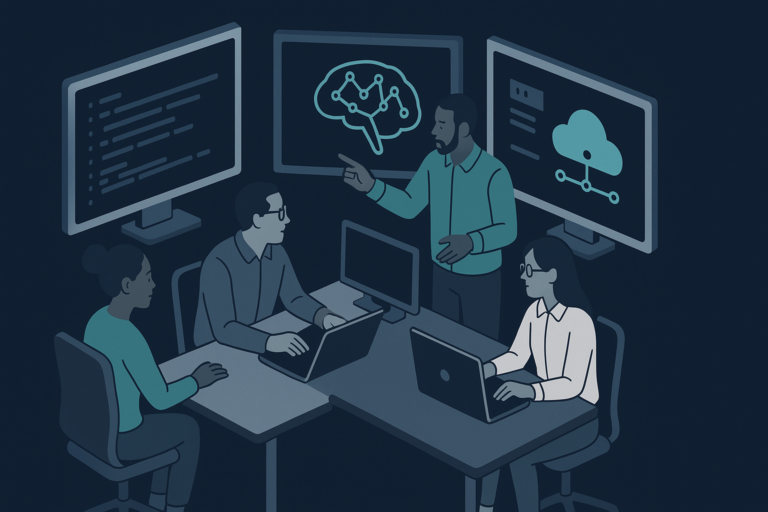
Bridging the AI Literacy Gap: Empowering Software Engineers
What’s happening: As AI technologies increasingly influence software engineering, there is a critical need for engineers to understand AI principles, particularly those related to large language models (LLMs). Companies like Starbucks are investing heavily in AI development, with a budget of around $400 million annually, while educational institutions are launching AI camps to foster tech-savvy talent. This trend illustrates AI’s evolution from a supplementary tool to a foundational element in software architecture.
Key points:
- Starbucks is dedicating approximately $400 million each year to enhance its AI-driven software development efforts.
- Educational institutions are responding to the AI boom by hosting camps aimed at cultivating a new generation of engineers skilled in AI technologies.
- Major tech companies, like Intel, are forming partnerships with platforms such as Google Cloud to strengthen their AI capabilities.
- AI integration in software development requires engineers to possess AI literacy, including knowledge of LLMs, their training data, and inherent biases.
- Security protocols must evolve to address new vulnerabilities posed by AI models, including risks from adversarial attacks.
Why it matters: The shift towards AI in software engineering signifies a major change in how systems are developed and maintained. Engineers will need to adapt to new skill requirements that emphasize AI literacy, which is crucial for navigating the complexities of AI systems. Furthermore, this evolution necessitates changes in security practices and development processes, underscoring the importance of continuous learning and infrastructure investment to support AI-driven initiatives.
Our take: The push for AI literacy among software engineers is not just a technical necessity but a cultural transformation within the industry. Organizations that prioritize education in AI technologies will be better positioned to harness the full potential of AI, leading to more innovative and secure software solutions.
Sciences
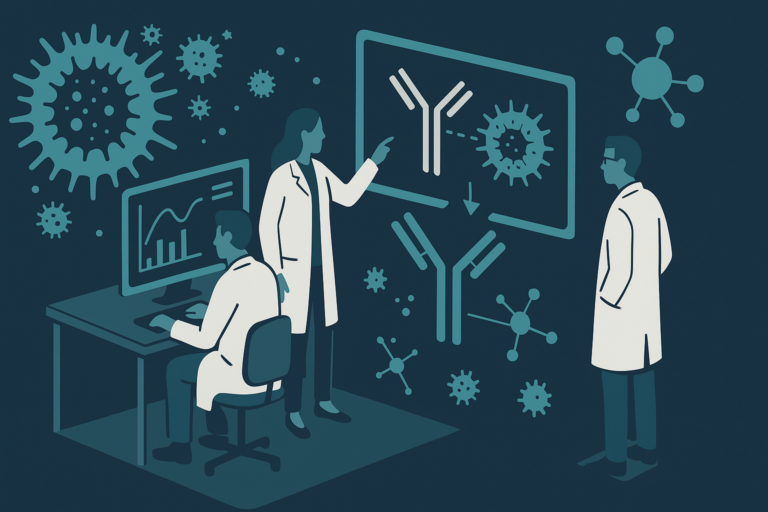
AI-Powered Drug Discovery: Transforming Cancer Therapy Selection
What’s happening: Ardigen S.A. has teamed up with VERAXA Biotech AG to revolutionize cancer therapy selection through artificial intelligence. Their collaboration focuses on developing conditionally active T cell engagers (TCEs) and antibody-drug conjugates (ADCs) by optimizing the selection of synergistic cancer target pairs, which could lead to more effective treatments with fewer side effects.
Key points:
- The partnership announced on July 13, 2026, aims to refine the therapeutic window of cancer treatments, improving patient outcomes while minimizing adverse effects.
- VERAXA’s BiTAC platform employs a Boolean “AND-gate” logic, requiring dual target expression on cancer cells for therapeutic activation, thus reducing toxicities associated with current therapies.
- Ardigen will utilize its expertise in computational biology and machine learning to analyze preclinical and clinical data, aiming to identify better dual-target combinations for TCEs and ADCs.
- AI tools will facilitate the analysis of large biomedical datasets, enabling timely insights that can significantly enhance the success rate of clinical trials in oncology.
- The collaboration is expected to accelerate the shift towards personalized cancer treatments, allowing for strategies that target multiple pathways simultaneously.
Why it matters: This partnership signifies a pivotal moment in precision oncology, as AI integration in drug discovery could transform how cancer therapies are developed. By focusing on dual-target approaches, the collaboration has the potential to improve the effectiveness of treatments while reducing side effects, addressing a critical challenge in current cancer therapies. The advancements made here could lead to quicker, more successful clinical trials, ultimately delivering better treatment options to patients in need.
Our take: The emphasis on AI-driven approaches in drug discovery raises questions about the scalability of such technologies across different types of cancer. While the collaboration promises significant advancements, the challenge will be ensuring that these innovative methods are accessible and applicable on a broader scale in the fight against cancer.
Society
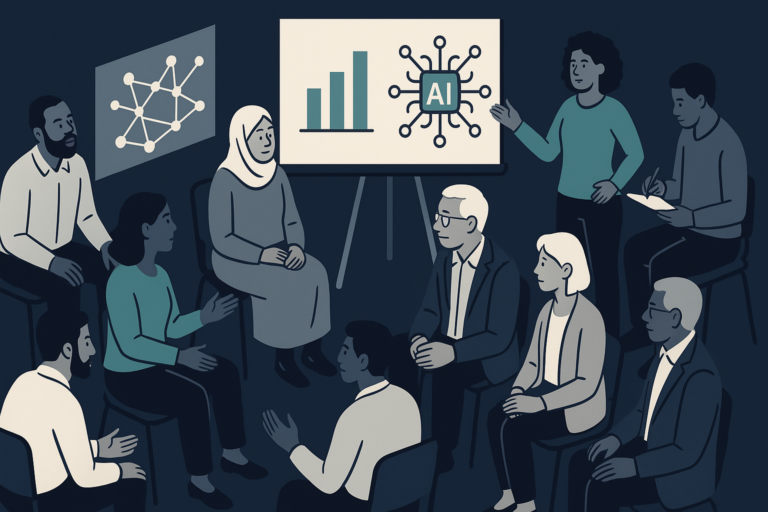
The Human Cost of AI Governance: Who Gets to Decide?
What’s happening: The governance of artificial intelligence is increasingly crucial as AI technologies become more integrated into daily life. Discussions focus on who gets to make the rules for AI oversight, revealing a significant gap in representation from communities most affected by these technologies. This governance gap can lead to biased AI systems that exacerbate existing inequalities and erode trust in institutions.
Key points:
- In Nigeria, the rapid adoption of AI in sectors such as healthcare and education raises concerns about whether governance can keep pace.
- AI systems often reflect the priorities and biases of those who create them, sidelining marginalized voices and potentially worsening inequalities.
- When AI systems fail or cause harm, there are few avenues for redress due to a lack of accountability and transparency in governance structures.
- The erosion of trust in institutions is a direct consequence of opaque AI governance, leading to public skepticism and disengagement.
- Effective AI governance should prioritize inclusivity, public participation, and ethical considerations, moving beyond mere compliance to build trust with citizens.
Why it matters: The implications of inadequate AI governance are profound, particularly for underrepresented communities that may suffer from biased technologies. As AI continues to shape critical sectors, ensuring that governance frameworks are inclusive and transparent is essential for fostering trust and accountability. Without these measures, the societal benefits of AI could be overshadowed by the risks of deepening existing inequalities and public discontent.
Our take: The conversation around AI governance must shift towards inclusivity and active public engagement. Failing to involve diverse stakeholders in the decision-making process not only undermines the ethical deployment of AI but also risks alienating those who are most affected by its consequences.
Psychology

Navigating Emotional Connectivity in AI-Enhanced Mental Health Care
What’s happening: The integration of AI into mental health care is changing how people seek emotional support, leading to the rise of “therapy micro-bursts.” These are brief, on-demand interactions with AI systems that provide immediate mental health advice, contrasting with traditional therapy’s structured approach. This shift highlights a reliance on AI for emotional management, which may impact interpersonal communication and emotional well-being.
Key points:
- Users are increasingly engaging with AI tools for short, immediate emotional support, known as “therapy micro-bursts.”
- This behavior is linked to cognitive offloading, where individuals depend on external tools like AI to regulate their emotions.
- While AI offers quick fixes for emotional regulation, it may lead to a diminished capacity for genuine interpersonal communication.
- The transactional nature of AI interactions risks fostering emotional detachment and unrealistic expectations for quick resolutions in complex emotional situations.
- In correctional facilities, organizations using AI for mental health care face challenges regarding the depth of emotional support provided to vulnerable populations.
Why it matters: The reliance on AI for emotional support raises concerns about the quality of human interactions and emotional well-being. As users turn to AI for quick solutions, they may neglect the complexities of human relationships, which are essential for navigating real-world emotional challenges. This trend could have far-reaching implications, particularly for vulnerable populations who may rely on AI-driven systems for their mental health care.
Our take: While AI can enhance accessibility to mental health resources, it is crucial to remain aware of the potential drawbacks of substituting human connection with AI interactions. Balancing the benefits of convenience with the need for deeper emotional engagement is essential for fostering genuine mental health support.
Dear Humans

Dear Humans: On Using AI to Write Apologies
What’s happening: There is a growing trend of people using AI to write apologies, which seems practical but often misses the mark. AI can generate well-structured messages, but when humans edit these drafts excessively, the final product can lose its emotional impact and sincerity, rendering it ineffective.
Key points:
- AI is capable of creating precise and effective apologies that convey regret and accountability.
- Humans frequently edit AI-generated apologies to the point where they no longer resemble genuine expressions of remorse.
- This editing often strips away the original intent, leading to hollow communications that fail to acknowledge the recipient’s feelings.
- Authentic apologies require sincerity, reflection, and a commitment to change—qualities that AI can suggest but not truly provide.
- The reliance on AI for apologies reflects a broader societal tendency to avoid discomfort and accountability.
Why it matters: In a world increasingly reliant on technology for communication, understanding the limits of AI in emotional contexts is crucial. Misusing AI for apologies can damage relationships and trust, as recipients often sense the lack of genuine emotion behind the words. For businesses, this highlights the importance of fostering authentic communication over efficient but insincere responses.
Our take: While AI can assist in crafting messages, the essence of an apology lies in human emotion and accountability—qualities that cannot be outsourced. This article underscores the need for a cultural shift towards more authentic communication, especially in professional settings where trust is paramount.
That’s the digest for July 18, 2026.
Questions? Reach out at info@q52.ai.
q52.ai — Engineering Better Questions
