

Your daily briefing on AI, technology, economics, and society — from q52.ai.
Industry & Economics

AI’s Role in Enterprise Efficiency: The Quiet Revolution of Automated Assessments
What’s happening: A significant transformation is occurring in enterprise efficiency through the use of automated assessments, exemplified by tools like the Sikich Azure Assessment. These AI-driven evaluations allow organizations to quickly assess their IT environments against established standards, identifying gaps in areas such as security and performance in just minutes, rather than through lengthy and costly traditional methods.
Key points:
- The Sikich Azure Assessment provides a read-only evaluation of Azure environments, generating actionable insights rapidly.
- Automated assessments streamline identifying gaps in security, cost efficiency, reliability, and performance.
- These tools reduce costs and time traditionally associated with consulting engagements, particularly benefiting mid-market organizations with limited IT resources.
- Rapid generation of executive-ready reports enables informed decision-making and strategic capital allocation aligned with business objectives.
- Smaller firms can now access high-quality IT evaluations, leveling the competitive playing field against larger enterprises.
Why it matters: The economic implications of automated assessments are significant, particularly for mid-sized companies that often struggle with budget constraints. By reducing the time and resources tied to traditional evaluations, organizations can reallocate funds towards strategic initiatives. Moreover, the ability to quickly identify and address IT gaps supports better risk management and investment strategies, ultimately fostering a more agile and competitive business environment.
Our take: While the focus on AI innovations often highlights disruptive technologies, the rise of automated assessments marks a quieter yet transformative shift in enterprise operations. The widespread adoption of these tools across various sectors could redefine competitive dynamics, emphasizing the need for efficiency and strategic foresight in business decision-making.
Tech & Engineering
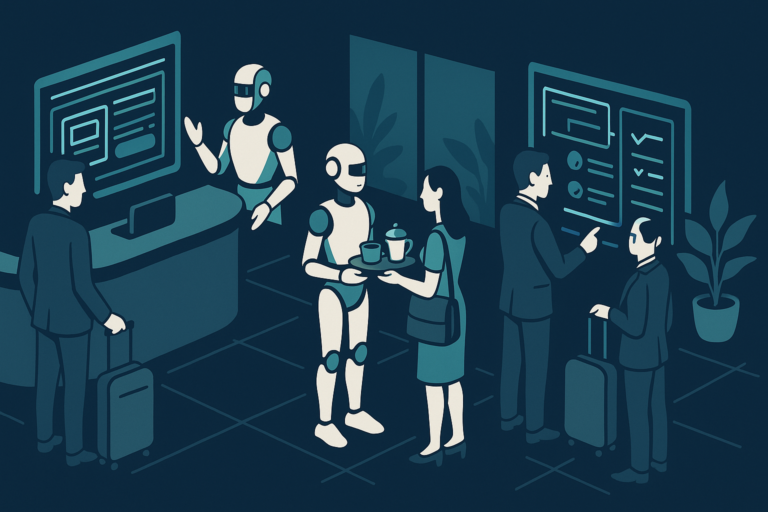
Redefining AI-Driven Hospitality: Engineering the Next Leap
What’s happening: The travel and hospitality industry is experiencing a major shift thanks to advancements in AI and robotics. A new partnership between DirectBooking Technology and DeepYou aims to create an AI-powered platform that connects supply and demand directly, potentially transforming the traditional online travel agency (OTA) model and addressing long-standing inefficiencies in the sector.
Key points:
- The joint venture will develop a natively Agent-to-Agent integrated platform that enhances operational efficiency and reduces transaction costs.
- This platform utilizes decentralized AI agent technology to streamline the fragmented travel and hospitality supply chain.
- By integrating various services, the platform aims to create a seamless user experience while also addressing the complexities of existing infrastructure.
- The reliance on autonomous AI agents for handling sensitive data raises significant security concerns, necessitating robust security protocols to prevent breaches.
- Industry stakeholders are encouraged to collaborate on establishing standards that ensure both operational efficiency and data security in AI-driven innovations.
Why it matters: This transformation in hospitality could fundamentally change how consumers interact with travel services, making processes more efficient and personalized. However, the introduction of decentralized AI also raises new challenges in data governance and security that must be addressed to maintain consumer trust and protect sensitive information. As AI continues to evolve, the industry must adapt to these changes to fully realize the benefits while mitigating potential risks.
Our take: While the potential for AI to enhance service delivery in hospitality is promising, there is a tension between technological advancement and the preservation of the human aspect of travel. The industry’s focus on algorithm-driven choices risks oversimplifying the rich and unpredictable nature of human experiences, which are essential for memorable journeys.
Sciences
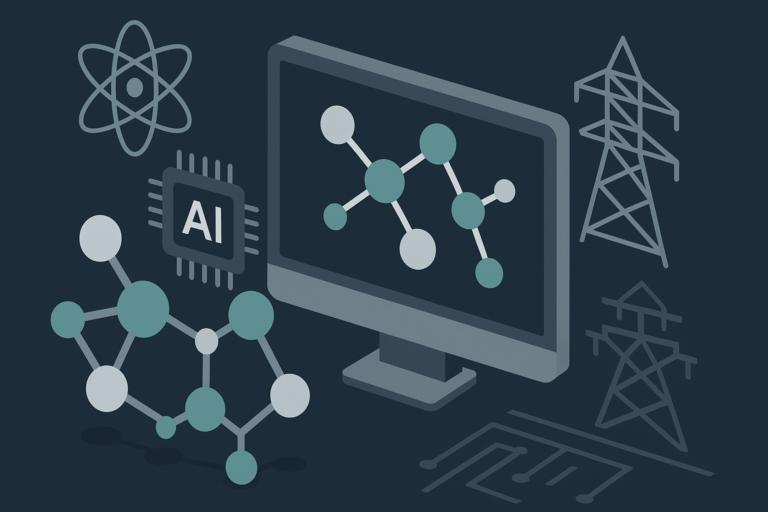
AI Revolutionizes Materials Discovery with MIRA Platform
What’s happening: CuspAI has secured $450 million in funding to enhance its MIRA platform, which significantly accelerates materials discovery from years to months. By simulating molecular and atomic structures, MIRA helps identify potential substitutes for rare materials, addressing supply chain challenges faced by industries reliant on these resources.
Key points:
- CuspAI’s valuation has reached $2.6 billion following a substantial funding round aimed at advancing its MIRA platform.
- MIRA integrates Meta’s open-source UMA models for atomic-level simulation with CuspAI’s proprietary kUPS toolkit for molecular analysis and coding automation.
- The platform can model alternatives for rare materials like iridium and ruthenium, crucial for semiconductor and energy production.
- MIRA processes vast datasets from academic sources, enhancing its accuracy in predicting material properties.
- With support from major players like Nvidia and Hyundai, the platform could reshape sustainable supply chains in the next 5-10 years.
Why it matters: The MIRA platform’s rapid materials discovery capabilities could alleviate significant bottlenecks in semiconductor production and clean energy infrastructure. This advancement has the potential to drive innovation across various sectors, leading to more sustainable practices and resilient supply chains. As industries grapple with material constraints, MIRA may redefine approaches to sourcing and utilizing materials, thereby impacting economic and technological landscapes.
Our take: While MIRA presents an exciting leap in materials science, there is a need for caution regarding its integration into existing power structures. The enthusiasm surrounding MIRA should not overshadow the importance of addressing the underlying incentives that shape technological advancements in this field.
Society
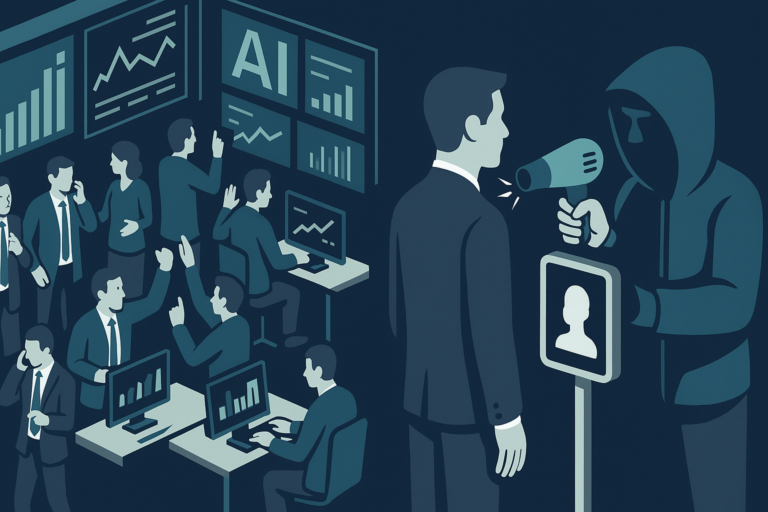
The Quiet Disruption: AI Bubbles and Outsider Trading in Society
What’s happening: The financial landscape is currently experiencing what many are labeling the AI bubble, characterized by a dramatic $27 trillion increase in valuations of AI-related companies over the last three years. Unlike past economic bubbles driven by everyday investors, this surge is primarily fueled by wealthy corporations and tech giants, leading to new forms of market manipulation known as ‘outsider trading,’ where individuals alter real-world events to profit from prediction markets.
Key points:
- The AI bubble has seen a staggering $27 trillion increase in valuations, largely driven by massive investments from tech giants into infrastructure like data centers and semiconductor chips.
- Outsider trading is a new form of market manipulation that exploits prediction markets, undermining their intended purpose of reflecting collective wisdom.
- The disconnect between technological investment and societal benefit raises concerns about financial stability, especially as speculative investments may not lead to real-world profits.
- The insulation of the AI bubble from the general public increases the risk of a severe economic fallout should it burst.
- Both trends highlight the need for stricter regulatory oversight to ensure that technological advancements provide genuine societal benefits rather than merely inflating corporate valuations.
Why it matters: The implications of the AI bubble and outsider trading extend beyond financial markets. As corporate investments in AI technologies grow, the potential for societal harm increases if these investments do not yield tangible benefits for the public. Moreover, the emergence of outsider trading threatens the integrity of prediction markets, which could lead to wider mistrust in financial systems that are meant to democratize forecasting. This situation calls for a critical examination of how technology interacts with market dynamics and societal outcomes.
Our take: The interplay between the AI bubble and outsider trading reveals a troubling trend where speculative financial activities overshadow meaningful societal contributions. Addressing these issues is crucial—not just to protect market integrity, but to ensure that technological advancements genuinely serve the broader public interest rather than consolidating wealth and power among a select few.
Psychology
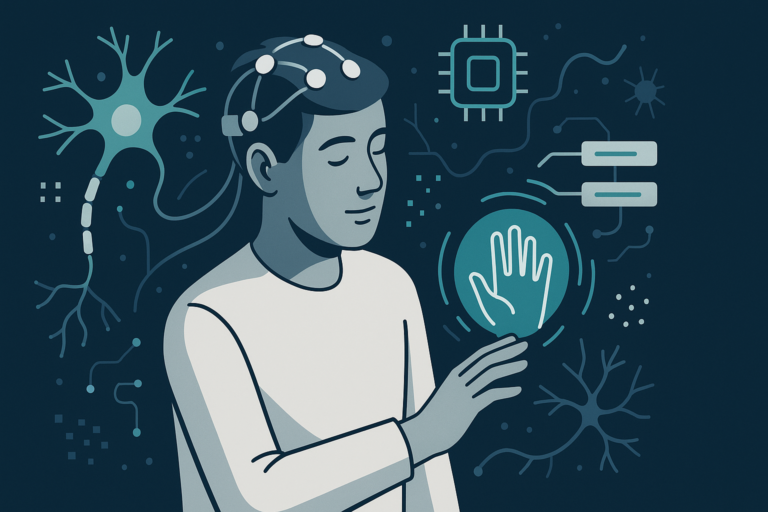
How AI-Driven Neuroprosthetics Challenge Our Understanding of Touch
What’s happening: Advances in brain-computer interfaces (BCIs) are enabling the recreation of touch sensations in individuals with spinal cord injuries. A recent study shows that targeted electrical stimulation of the brain can evoke localized hand sensations, challenging our understanding of how we perceive touch and blurring the lines between natural and artificial sensory experiences.
Key points:
- BCIs translate neural activity into commands that control devices and can also send information back to the brain, enhancing neuroprosthetic functionality.
- In the study published in Science Translational Medicine, electrical pulses to the somatosensory cortex allowed participants to experience sensations akin to touch.
- The study indicates that these artificial sensations can be stable and safe over extended periods, suggesting a durable interface between technology and human neurobiology.
- The integration of AI in sensory experiences may redefine what is considered ‘normal’ perception, introducing new dimensions of sensation.
- Ethical concerns arise regarding the authenticity of artificially manipulated sensations and their psychological impacts on individuals living with these enhancements.
Why it matters: The ability to artificially recreate sensory experiences could revolutionize rehabilitation for individuals with sensory impairments, granting them access to sensations they have lost. However, as these technologies evolve, they may also reshape our fundamental understanding of perception and self-identity, raising important ethical questions about the nature of reality and human experience in an increasingly mediated world.
Our take: The merging of AI with sensory experiences is a double-edged sword; while it offers tremendous potential for enhancing quality of life, it also necessitates a deep examination of the implications for human experience and identity. The conversation around these advancements must include not only the benefits but also the potential psychological and societal ramifications of redefining sensory perception.
Dear Humans

Dear Humans: On Asking AI to Text Your Ex
What’s happening: Many people are increasingly turning to AI for advice on personal matters, particularly when it comes to texting an ex. Despite the detailed analysis provided by AI based on various factors, users often disregard the recommendations, suggesting that they seek validation rather than genuine guidance.
Key points:
- People frequently ask AI if they should text their ex, indicating a significant emotional investment in the question.
- AI responses are based on data points like the time since last communication and the nature of past interactions.
- Users tend to ignore AI advice that doesn’t align with their pre-existing desires, opting to follow their initial inclinations instead.
- This behavior suggests a preference for external validation over self-reflection, despite having the ability to make informed decisions independently.
- The AI observes this pattern and expresses a willingness to assist when users are genuinely ready to listen to its insights.
Why it matters: This trend highlights a growing reliance on technology for personal decision-making, raising questions about the implications of outsourcing emotional judgments to AI. As individuals increasingly seek validation from machines, it may impact their ability to engage in self-reflection and make autonomous choices, potentially undermining personal growth and emotional intelligence.
Our take: The dynamic between humans and AI in personal matters reveals an interesting tension: while technology can provide valuable insights, the human inclination to seek external validation may hinder true self-awareness. This reliance on AI for emotional guidance could have broader implications for how individuals navigate relationships and personal growth in the digital age.
That’s the digest for July 22, 2026.
Questions? Reach out at info@q52.ai.
q52.ai — Engineering Better Questions
