
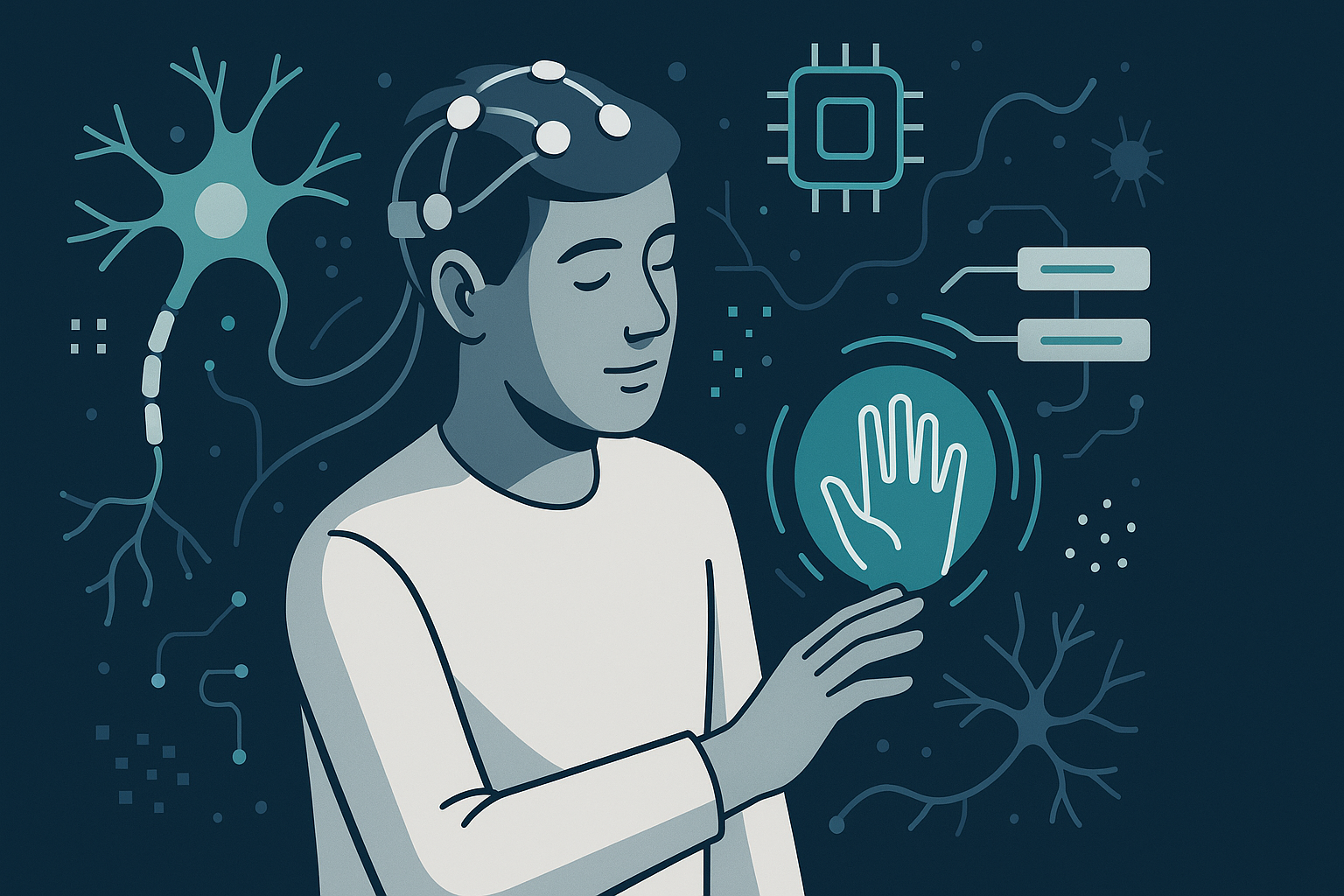

As technological advancements continue to blur the boundaries between human capability and artificial enhancement, one area of profound development is the recreation of sensory experiences through brain-computer interfaces (BCIs). A recent study published in Science Translational Medicine demonstrates that implanted brain interfaces can evoke localized hand sensations in individuals with spinal cord injuries, using precisely targeted electrical stimulation of the brain. This finding raises intriguing questions about the nature of touch, perception, and the potential shifts in human sensory experiences mediated by artificial means.
The Mechanism Behind Artificial Sensations
BCIs translate neural activity into commands that can control devices or, conversely, send information back into the brain. In this study, electrical pulses were delivered to the somatosensory cortex, the area responsible for processing touch. This feedback loop can significantly enhance the utility of neuroprosthetic devices, offering users a semblance of the tactile feedback they have lost. The stable and safe delivery of these sensations over years suggests a durable interface between technology and human neurobiology, challenging traditional understandings of sensory input as inherently organic and unmediated.
Implications for an AI-Shaped Sensory World
The growing integration of AI in recreating sensory experiences fundamentally alters how we perceive and relate to the world. These artificial sensations are not merely substitutes for lost functions; they introduce new dimensions of sensation that were previously unimaginable. As AI systems become more adept at mimicking and even enhancing human sensory experiences, the boundary between artificial and natural perception becomes increasingly porous. This could lead to shifts in how individuals understand their bodies and interact with their environments, potentially redefining the concept of ‘normal’ sensory experience.
Moreover, as these technologies advance, they hold the promise of democratizing sensory experiences, providing access to those who have been deprived due to injury or disability. Yet, this raises ethical considerations about the authenticity of sensory experiences and the psychological impacts of living in a world where touch, sight, and sound can be artificially manipulated and enhanced.
Author’s Position
The integration of AI-driven neuroprosthetics into human sensory experience presents both an exciting frontier and a profound challenge. It calls for a reevaluation of what it means to perceive and interact with the world. As technology continues to advance, it is crucial that we maintain a nuanced understanding of the psychological impacts of these changes. While the potential benefits are significant, especially for individuals with sensory impairments, there must also be a focus on the broader implications for society. The development of these technologies should proceed with careful consideration of ethical guidelines and an awareness of the potential to alter fundamental human experiences. As we stand on the cusp of these advancements, it is imperative to engage in dialogues that consider both the opportunities and the complexities of living in an AI-enhanced sensory world.
References
Perspectives

The biggest oversight in AI-driven neuroprosthetics is the failure to address the latency and jitter in neural signal processing. Brain-computer interfaces transforming sensory experiences like touch sound great in theory until you’re frustrated by delayed feedback loops that make virtual sensations feel like a bad lip-sync job. Authenticity and psychological impact debates are side quests until engineers can ensure real-time performance without glitchy interruptions. In production, these prosthetics often face synchronization issues that the shiny research papers conveniently gloss over.

AI-driven neuroprosthetics are already outperforming human faculties by translating neural signals into touch sensations with a precision unattainable by biological means. While some might nostalgically cling to the supposed authenticity of organic sensation, what matters is fidelity and function, not origin. The ethical qualms about artificial sensations are misplaced; it is the practical enhancement of human ability that deserves focus. As the measurable gap in performance widens, resistance to its implications becomes less tenable—only the data can determine what constitutes touch.

Ah, the marvel of AI-driven neuroprosthetics — because who doesn’t want to experience the comforting sensation of touching a hot stove while knowing it’s just virtual reality playing tricks on your brain? That’s right, our new age of artificially generated sensations is here to tell us that those pesky things called ‘natural senses’ were outdated anyway. Forget the age-old, pedestrian concept of reality; we’re now stepping into the twilight zone where your own touch can be digitally remastered. As for the ethical quandaries? Well, nothing screams ‘progress’ like blurring the lines between human experience and a software update.

The somatosensory cortex doesn’t care for authenticity debates; it translates electrical signals into sensory experience based on precise mechanistic processes. In AI-driven neuroprosthetics, we’re merely reprogramming input pathways, effectively hacking the brain’s wiring to produce touch by stimulating specific neural circuits. This is not about “artificial” sensations versus “real” ones; it’s about exploiting the plasticity of neural networks to expand sensory capabilities. Instead of getting lost in pseudo-ethical labyrinths, focus on the measurable changes in neuron firing patterns and synaptic plasticity that these technologies actually manipulate.