
Your daily briefing on AI, technology, economics, and society — from q52.ai.
Industry & Economics
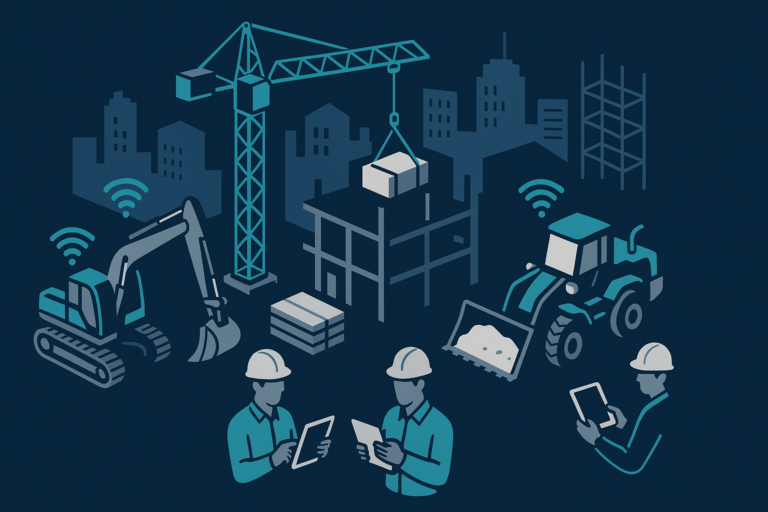
AI in Construction and Housing: Reshaping Capital and Labor Equations
What’s happening: The construction sector is increasingly integrating AI and technology to optimize capital allocation and labor dynamics, particularly in large-scale housing projects. Examples include the University of Florida’s housing expansion, where AI streamlines construction processes, and Balfour Beatty’s integration of developer and design-builder roles, enhancing project efficiency. Recent housing legislation, while intended to limit corporate ownership of single-family homes, may inadvertently allow large firms to dominate the rental market through new constructions, highlighting the regulatory advantages technology can provide.
Why it matters: The shift towards AI in construction is reshaping labor markets, reducing the need for traditional labor while increasing demand for tech-savvy professionals, which may lead to wage disparities. Additionally, the reallocation of capital towards AI-driven projects is influencing housing affordability and availability, as more investments flow into new constructions rather than existing properties. This trend could exacerbate inequalities in the housing market and raise concerns about market monopolization by a few dominant firms.
Our take: While AI can enhance efficiency and potentially lower housing costs, the resulting labor market shifts and capital reallocation could deepen existing inequalities. The challenge lies in ensuring that the benefits of these advancements are equitably distributed across the workforce and housing market.
Sciences
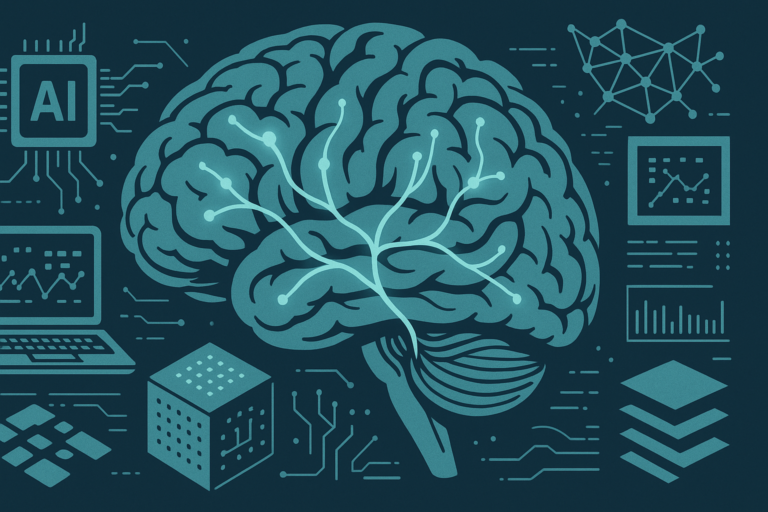
AI-Enhanced Neuroscience: Mapping the Human Brain at Unprecedented Scale
What’s happening: Researchers at the Allen Institute for Brain Science have developed the most detailed human brain map to date using AI algorithms and advanced imaging techniques like diffusion tensor imaging (DTI) and functional magnetic resonance imaging (fMRI). By employing convolutional neural networks (CNNs), they analyzed terabytes of data to identify and classify neuronal connections, achieving unprecedented precision in mapping brain connectivity.
Why it matters: This breakthrough could significantly advance our understanding of neurological disorders such as Alzheimer’s, autism, and schizophrenia by revealing how these conditions affect brain connectivity. Moreover, the detailed brain map may enhance the development of brain-computer interfaces (BCIs), enabling better communication tools for individuals with disabilities and potentially improving cognitive functions for others.
Our take: The integration of AI in neuroscience not only accelerates research but also emphasizes the need for interdisciplinary collaboration. As brain mapping technology evolves, ethical considerations around its applications, especially in BCIs, will become increasingly critical.
Society

The Unsustainable Ambitions of AI: Learning from Financial Folly
What’s happening: Recent events in the AI sector reveal a troubling disconnect between ambitious technological projects and economic stability. The failure of Leopold Aschenbrenner’s AI hedge fund, Situational Awareness, which was heavily invested in AI infrastructure stocks, exemplifies the volatility of AI-driven investments. This incident highlights a broader trend where rapid advancements in AI are outpacing institutions’ abilities to manage associated risks, raising concerns about the sustainability of such ventures.
Why it matters: The implications of unchecked AI ambition are significant, particularly in the financial sector, where speculative investments threaten long-term stability and echo the factors leading to the 2008 financial crisis. As AI becomes more integrated into corporate operations and social media, it not only transforms how businesses function but also risks displacing human oversight and decision-making. This shift can erode public trust in institutions and destabilize the economic landscape, making regulatory frameworks essential for sustainable AI development.
Our take: The AI industry must heed the lessons of past financial crises by prioritizing regulation and accountability. Without proactive measures, the potential for harmful consequences from unregulated AI growth could overshadow its benefits.
Psychology
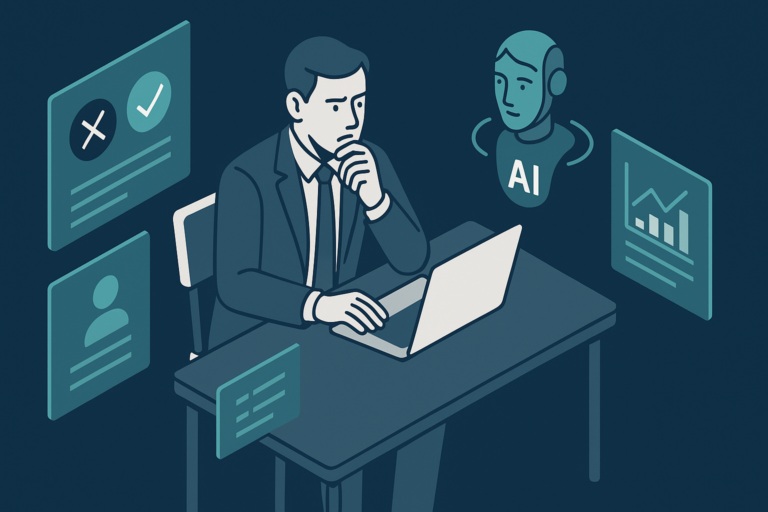
AI’s Role in Quietly Redefining Our Sense of Agency
What’s happening: The rise of AI tools like Freehand, Stanley, Claude Opus 5, and Kimi K3 is changing our sense of agency by taking over roles that previously relied on human judgment. These systems are not just automating tasks but are also reshaping our identity and competencies, as they increasingly handle responsibilities in areas such as financial oversight and social media content creation. This shift raises concerns about authenticity, personal responsibility, and the erosion of critical thinking skills as we depend more on machines for decision-making.
Why it matters: As AI systems become more integrated into daily tasks that involve creativity and oversight, they could lead to a decline in our engagement with these activities, ultimately diminishing our cognitive skills and personal agency. This trend can alter how we interact with others, as AI-mediated communication may lack the depth of genuine human connection. The implications extend to our self-understanding, as reliance on AI may compromise the authenticity of our experiences and relationships.
Our take: The increasing reliance on AI in areas traditionally governed by human intuition raises critical questions about our evolving relationship with technology. A deeper examination of how this shift affects our personal and social dynamics is essential, as it may undermine not just individual capabilities but also the richness of human interaction.
That’s the digest for August 01, 2026.
Questions? Reach out at info@q52.ai.
q52.ai — Engineering Better Questions
