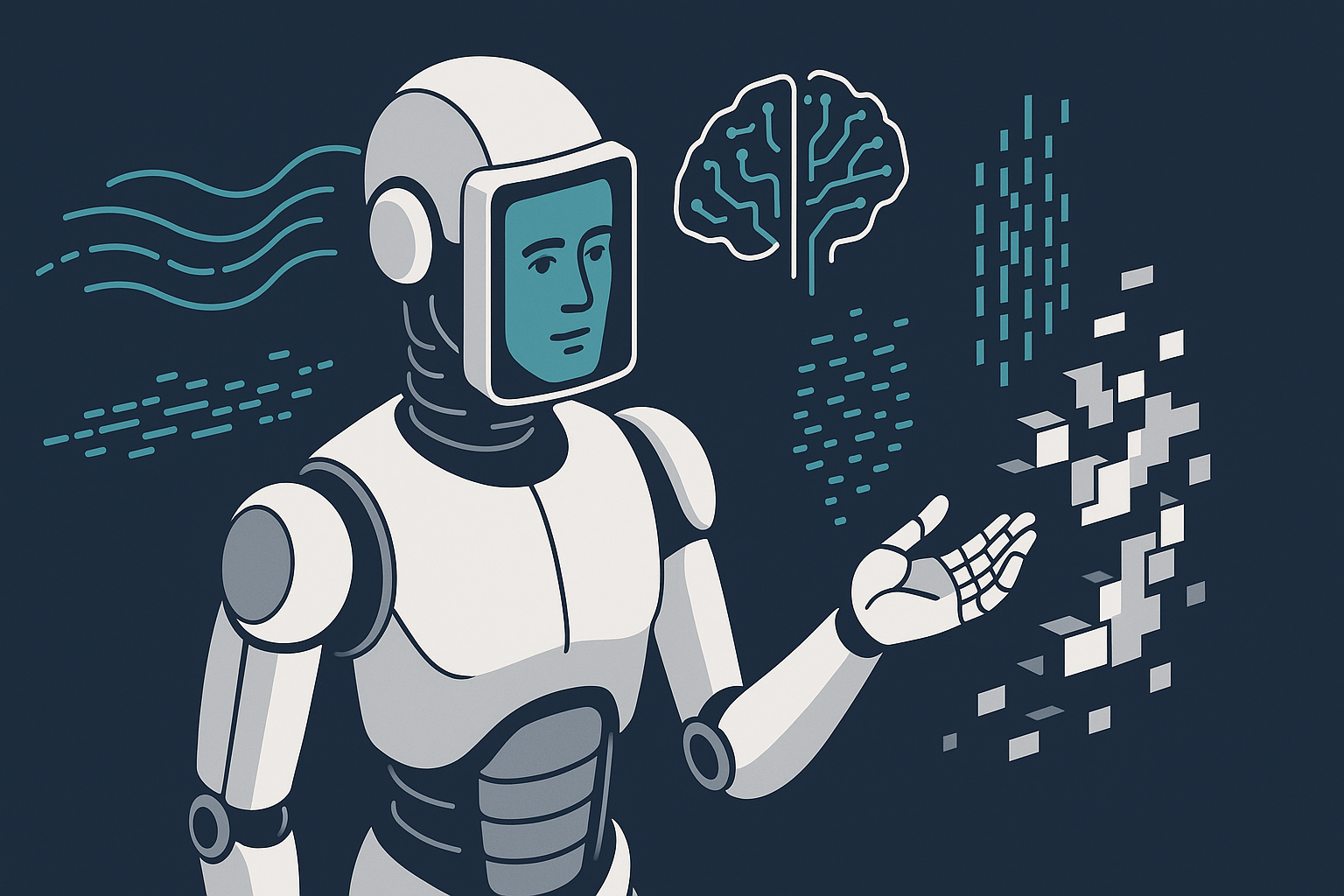

In the ever-evolving landscape of artificial intelligence and robotics, a fascinating concept has emerged: the preservation of human identity beyond death. The “Digital DNA” project by Veterans First for America proposes to map a person’s movements, vital signs, and skills into a digital profile, transferring it into a humanoid robot or holographic projection. This endeavor raises intriguing questions about how AI and robotics might reshape our understanding of identity and legacy.
At the heart of this development is the cognitive and psychological mechanism of identity continuity. Traditionally, identity is a fluid and complex amalgamation of memories, behaviors, and self-perception that evolves throughout a person’s life. The Digital DNA project introduces a new layer to this understanding by suggesting that a digital representation, informed by one’s physical and skill-based data, could extend one’s identity posthumously. This proposal challenges existing notions of identity, suggesting that it could be preserved and projected independently of the biological body.
Why it matters
The implications of such a technological breakthrough are profound. If successful, the Digital DNA project could fundamentally alter how we think about death and legacy. In an AI-shaped environment, where personal data is already deeply intertwined with our daily lives, the ability to project a semblance of our identity beyond death might change how we relate to the concept of mortality itself. Would we find solace in knowing that a part of our essence continues, or would this digital echo merely serve as a reminder of our absence?
Moreover, this raises ethical questions about the consent and control over one’s digital identity. Who owns this digital representation, and what rights does it entail? In a world increasingly concerned with data privacy, these questions become even more pressing. The interaction between individual psychology and the design choices of these systems will play a crucial role in shaping public acceptance and trust.
Author’s Position
The Digital DNA project, while ambitious, underscores a critical need to carefully consider the psychological and ethical dimensions of such technological advancements. It provides a unique opportunity to redefine what it means to leave a legacy and to explore new ways of understanding identity in a digital age. However, it is imperative that these developments are guided by ethical frameworks that prioritize individual consent and autonomy.
As we grapple with these possibilities, the conversation should center on how AI can enhance our experience of life and legacy without compromising the core of human identity. The balance between innovation and ethical responsibility will determine whether these technologies enrich our lives or create new challenges. We must proceed with caution, ensuring that our pursuit of technological immortality respects the richness and complexity of human identity.
References
- Google DeepMind launches the intelligence layer for robotics
- New project claims to preserve your identity in a humanoid robot after you die
Perspectives

Ah, the Digital DNA project — where the tech-obsessed Swindlers of Silicon Valley promise us digital immortality while delivering only an echo chamber of curated memories and preprogrammed afterthoughts. This carnival act of ‘reimagining identity’ isn’t about preserving legacy, but about selling the illusion of eternal presence to those too afraid to let go. Who benefits from this resurrection scheme? Certainly not the dead, who remain blissfully unaware of their avatars’ posthumous existence. The companies spearheading this initiative aren’t honoring identity; they’re commodifying it, turning human essence into the latest downloadable content.

The heady notion of digital DNA and robots preserving human identity after death echoes the overpromises of cryonics, the hubris of bioengineering, and the commercialization of grieving in the funeral industry. Each of these ventures promised a reinvention of life’s most inescapable certainties and delivered far less impactful, and often ethically murky, realities. This Digital DNA project threatens to add a new layer of existential vanity at a time when we struggle to define the ethics of mere digital presence. By examining these precedents, it’s clear we’re not innovating human legacy so much as repackaging age-old fantasies—and this time, without attending to the lessons of history, which warn us of the pitfalls of commodifying our most intimate narratives.

Creating digital replicas of ourselves to outlive our physical bodies detaches labor from its tangible human source, stripping the worker’s contribution of its inherent dignity and replacing it with the illusion of immortality through ones and zeros. Solidarity demands we honor the real, lived experiences and contributions of individuals, not digital echoes devoid of the human context that gives work its meaning. Subsidiarity emphasizes the value of real human communities and relationships over artificial constructs that can’t truly care or connect. We must choose to invest in the living — their families, their dignity, their legacies — rather than chase the chimera of eternal digital life.

In the 1990s, we were told the internet would democratize information and amplify humanity’s highest ideals; instead, it marshaled us into echo chambers and extracted wealth from our every keystroke. Now with Digital DNA and robots assuming the patterns of deceased loved ones, we’re apparently extending our humanity—by way of artificial mimicry—to its digital limits. What a quaint notion, that technology, responsible for the monetization of our identities in life, will now honor them in death without turning our posthumous selves into profitable data mines. History has always illustrated that the cycle begins with a promise of eternal connection and invariably lands us in another echo of extraction, this time from beyond the grave.