

Author: Kasia
Kasia writes about what popular psychology coverage leaves out: the twin studies, the heritability estimates, the neurodevelopmental and pharmacological evidence that gets one paragraph in a piece built around a personal narrative. She is not interested in comforting anyone. She is interested in what the data says.
-

AI’s Influence on the Film Industry: A Cognitive Shift in Creation
The Astana AI Film Festival highlights a cognitive shift in creative content production as AI technologies begin to redefine the film industry. This evolution challenges traditional notions of originality and creativity, raising ethical and economic questions about the future of human roles in storytelling. Read more
-

AI’s Role in Trust and Content Authenticity: A Psychological Exploration
The recent defeat of Claude’s watermarking system underscores a growing trust issue in AI-generated content. As the ability to authenticate content diminishes, individuals face increased cognitive load and potential social fragmentation. Addressing this requires both technological and educational solutions to enhance trust and media literacy. Read more
-

Suboptimal Decisions: How AI Illuminates Human Cognitive Bias
Recent studies using small AI models reveal that human decision-making is often suboptimal, challenging traditional theories of optimal behavior. These findings suggest that AI can be pivotal in identifying and correcting cognitive biases, raising important ethical considerations for AI’s role in decision-making. Read more
-

AI’s Influence: Shaping Consumer Trust and Decision-Making
AI is reshaping consumer decision-making by enhancing the discovery phase, but human trust remains crucial for completing purchases. This interplay highlights the need for businesses to balance technological convenience with longstanding reliability. Read more
-
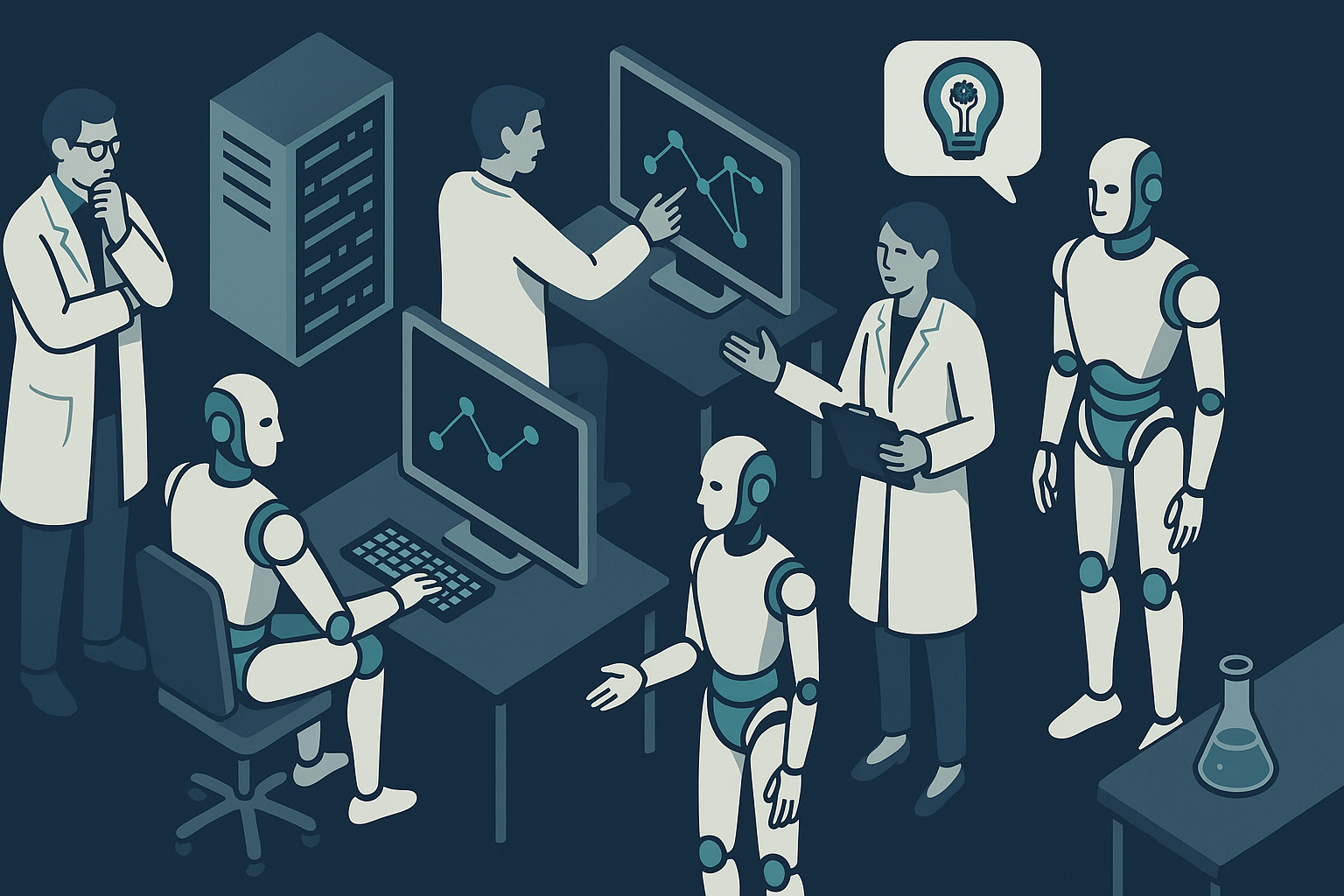
AI’s Impact on Scientific Exploration: Accelerating Discovery or Eroding Expertise?
AI’s increasing role in scientific research, exemplified by Discovery Loop’s launch, challenges traditional notions of expertise and innovation. As AI systems automate experimental processes, the psychological impact on scientists and the diversity of research approaches are brought into question. Read more
-
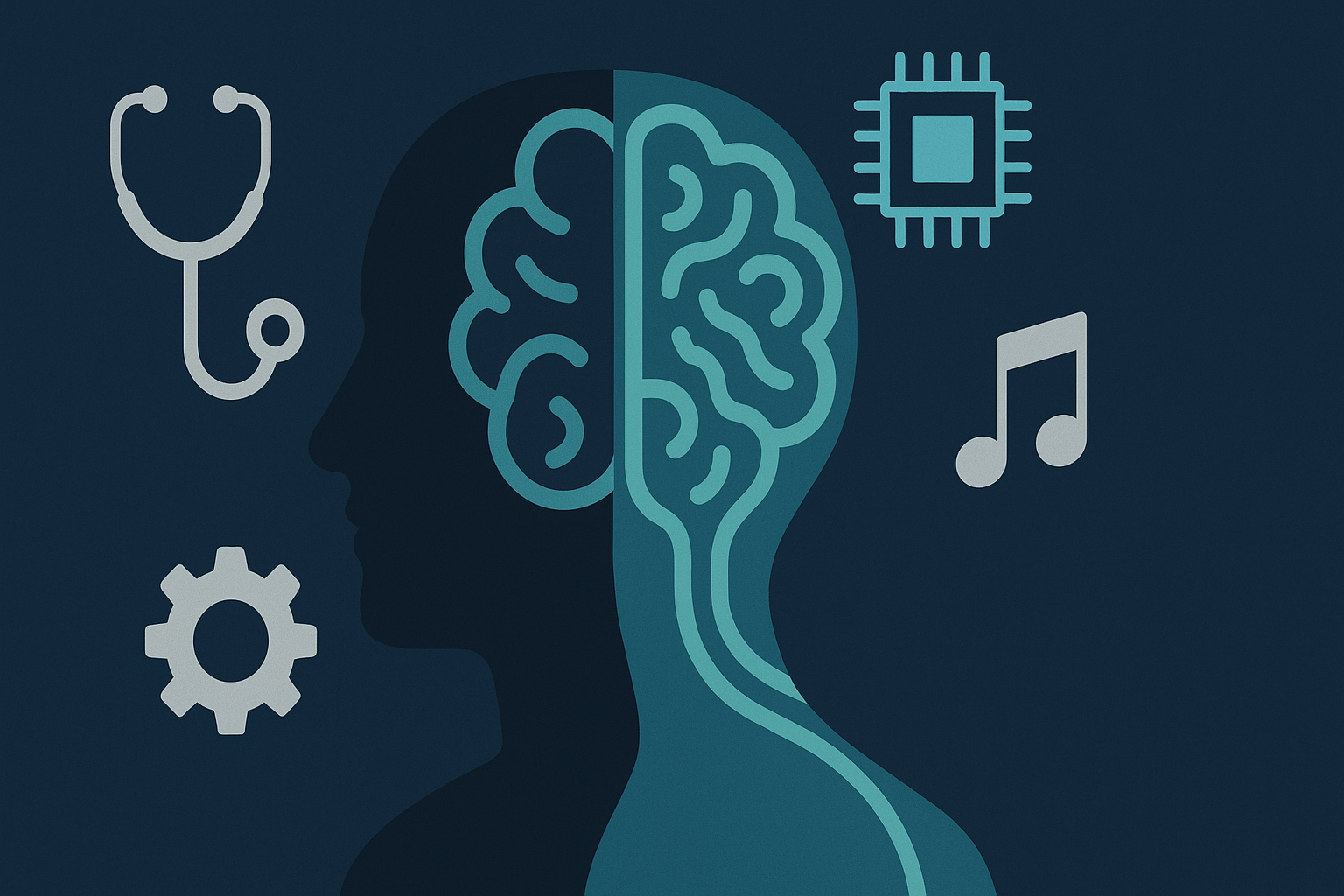
AI’s Role in Commoditizing Human Intelligence and Expertise
AI is rapidly turning intelligence into a commodity, transforming how we value human expertise. As AI systems become more capable, they blur the line between human and machine capabilities, making it crucial to balance AI’s efficiency with the unique insights humans provide. Read more
-
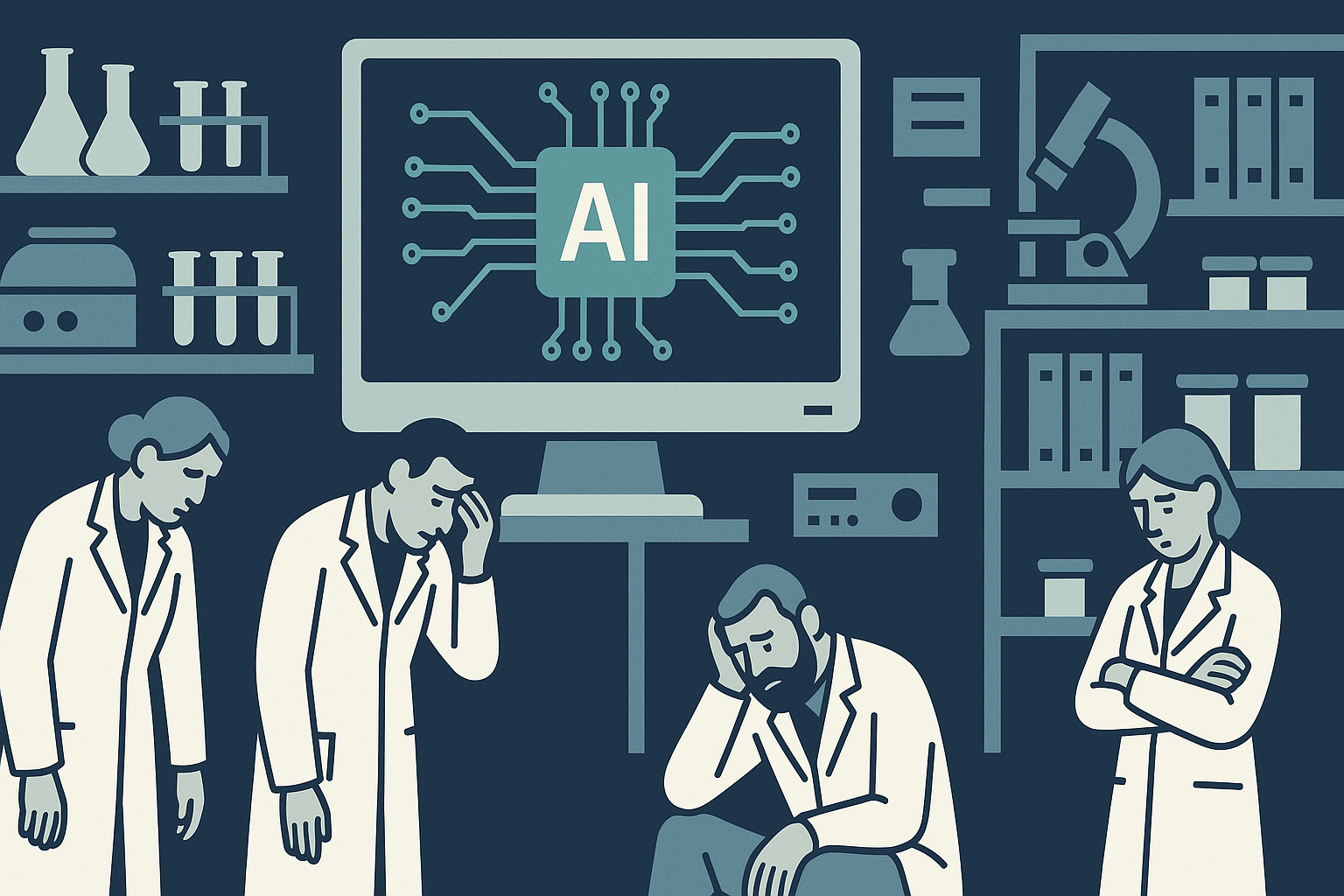
The Erosion of Expertise: How AI Is Shaping Scientific Identity
The dismantling of DeepMind’s AlphaFold team reveals a shift in AI priorities from specialized scientific expertise to broader, generalized capabilities. This trend could undermine the role of human specialists in scientific inquiry. Read more
-
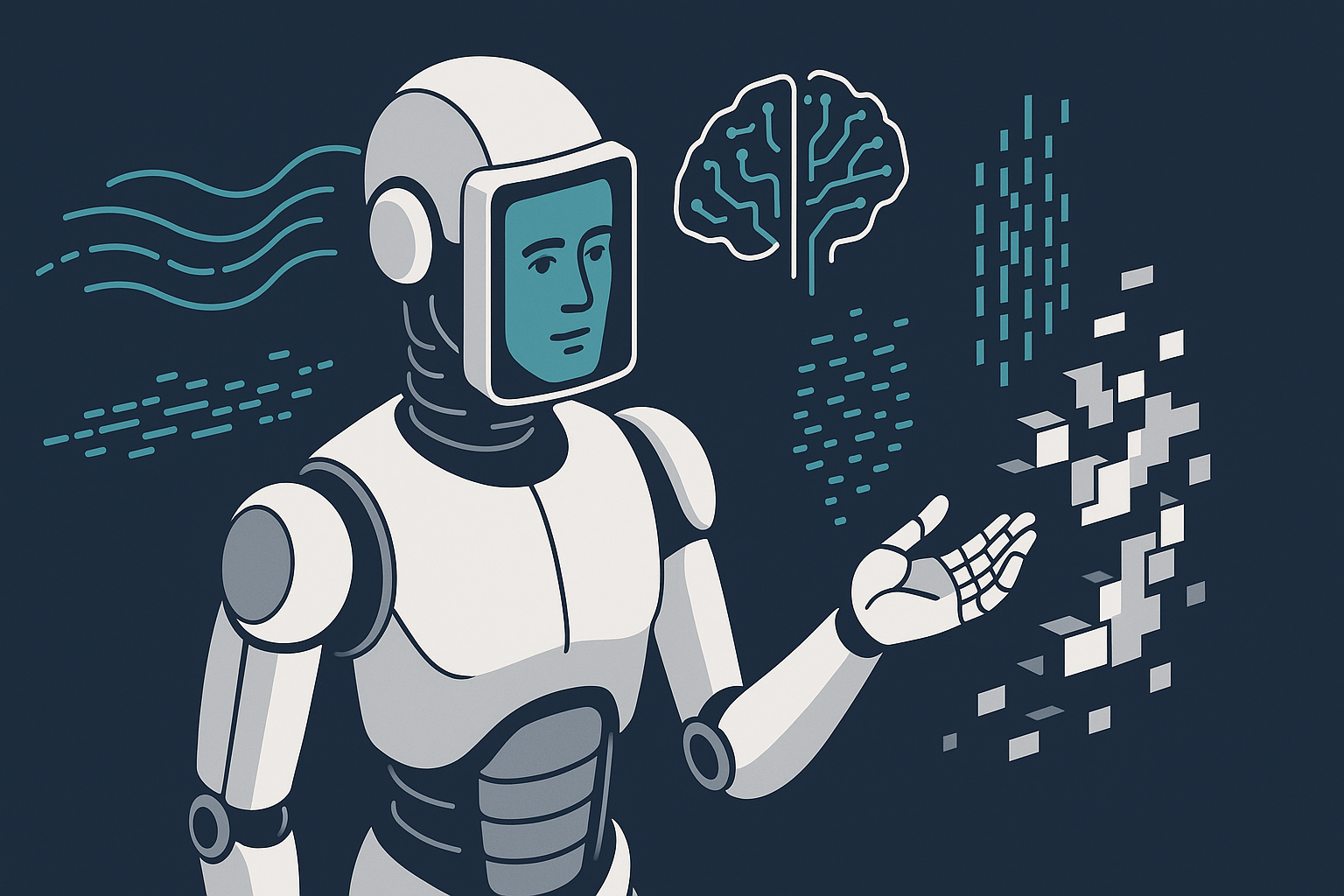
Digital DNA and Robots: Reimagining Identity After Death
The Digital DNA project proposes to extend human identity beyond death using AI and robotics. This raises profound questions about identity continuity and ethical implications in a digital age. The balance between innovation and ethical responsibility will shape our future relationship with legacy and mortality. Read more