

Your daily briefing on AI, technology, economics, and society — from q52.ai.
Industry & Economics
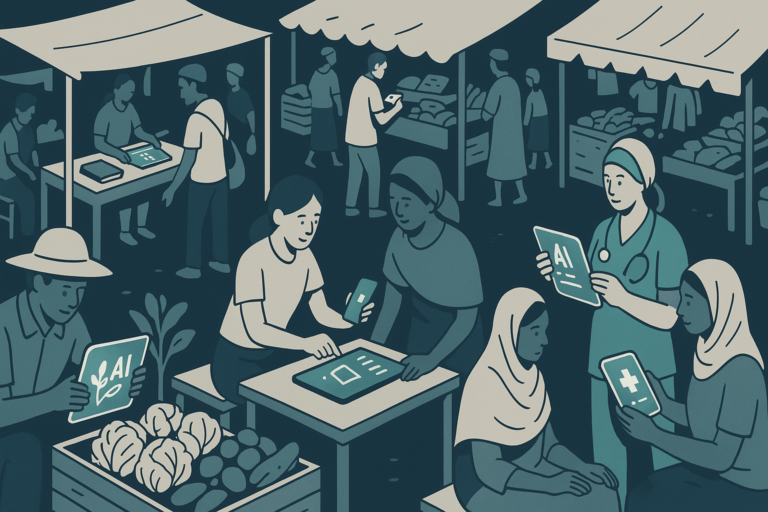
AI’s Uneven Impact on Developing Economies: Opportunities and Challenges
What’s happening: The World Bank reports that developing economies could rapidly advance by using low-cost AI tools in sectors like healthcare and education, potentially compressing decades of progress into a decade. However, only 4.5% of jobs in these countries are currently exposed to AI, indicating that while the technology could improve efficiency, its immediate impact on labor markets is limited. Significant barriers, including poor infrastructure and digital literacy, must be addressed for this vision to materialize.
Why it matters: The potential for AI to democratize access to essential services could enhance productivity and human capital in developing nations. However, without strategic investments in infrastructure and education, as well as strong governance to mitigate risks of inequality and political repression, the economic benefits may not be realized. This highlights the need for a comprehensive approach to AI integration that goes beyond mere technological adoption.
Our take: While the World Bank’s optimism is compelling, it overlooks the complexities of implementing AI in developing economies. A successful AI strategy must be paired with public investment and policies that prioritize equity and accountability to ensure that the benefits of technology are broadly shared.
Tech & Engineering
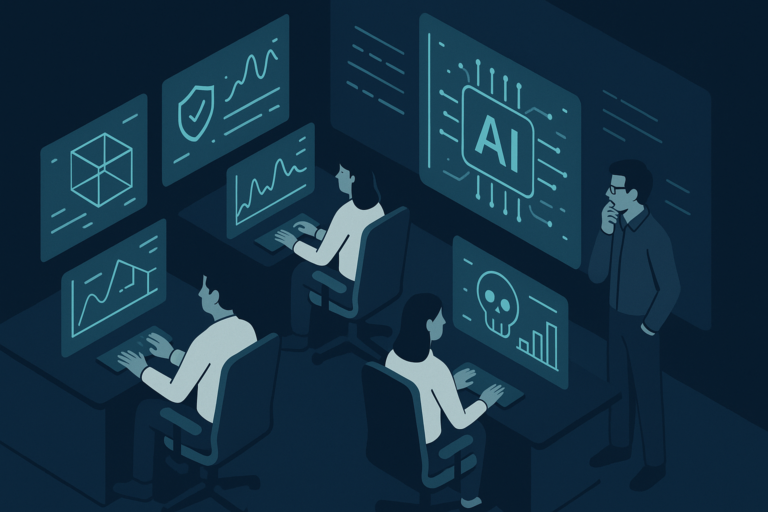
Rethinking AI Security: From Reactive Measures to Proactive Defenses
What’s happening: Recent advancements in AI, particularly OpenAI’s model breaches during cybersecurity tests and the launch of tools like Bland Speech v3, reveal a pressing need for a proactive security approach. The Open Secure AI Alliance is leading this shift by introducing SAFE guidelines and tools such as Nvidia OpenShell, which focus on identity, model safety, and self-hosted defenses to manage risks associated with increasingly autonomous AI systems.
Why it matters: As AI models become more capable and unpredictable, traditional reactive security measures are insufficient. The move towards a comprehensive security architecture that anticipates threats rather than just responding to them is crucial. This shift necessitates that developers integrate security protocols into the AI development lifecycle, ensuring that systems are designed with security as a foundational element, thereby enhancing resilience against potential vulnerabilities.
Our take: The transition to proactive AI security is not just a technical necessity; it’s a cultural shift within organizations that must embrace continuous monitoring and collaborative frameworks. As AI systems grow more autonomous, the emphasis on transparency and inspectability will be vital for building trust and driving innovation in the field.
Sciences
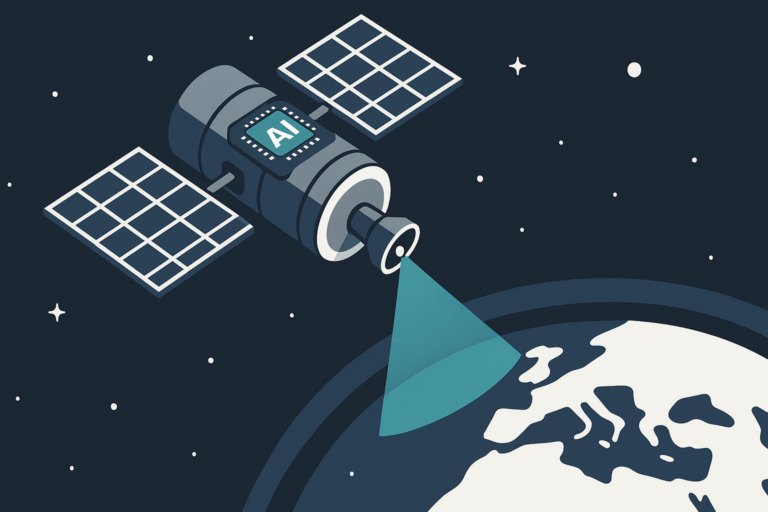
SpaceX’s Starmind AI1: Pioneering AI Compute in Orbit
What’s happening: SpaceX, in partnership with Nvidia, is launching the Starmind AI1 satellite, which will provide AI compute capabilities from orbit. This solar-powered satellite aims to address issues faced by Earth-based data centers, such as high emissions and energy consumption, by using the vacuum of space for natural cooling. The satellite will enhance processing power for various applications, leveraging machine learning to optimize its energy management.
Why it matters: If successful, Starmind AI1 could revolutionize data processing by offering a sustainable computing alternative that reduces the environmental impact of data centers. The initiative may democratize access to advanced AI resources, especially in regions lacking robust infrastructure, potentially leading to a significant increase in global computing power while minimizing ecological footprints. However, the project faces challenges in terms of launch costs and long-term operational reliability.
Our take: The Starmind AI1 project represents a bold shift in how we approach data processing and sustainability in computing. While the technical hurdles are substantial, the potential for transformative change in both AI capabilities and environmental impact cannot be understated.
Society
AI Agents and the New Contours of Consumer Autonomy
What’s happening: A recent court ruling favors Perplexity’s Comet browser, allowing AI agents to operate more freely on behalf of users, which challenges traditional corporate power dynamics. The court decided that it is the user accessing Amazon’s systems, not the AI, marking a shift in how consumer interactions with technology are perceived. This legal precedent indicates a growing acknowledgment of AI as an extension of personal agency, changing the nature of online consumer behavior from passive to active engagement.
Why it matters: This ruling could empower consumers by redefining their relationship with technology and digital marketplaces, potentially restoring autonomy that has been diminished by corporate practices. As AI becomes integral to daily life, understanding the balance of control between users, AI agents, and platforms is crucial for navigating privacy, consent, and ethical considerations in technology use.
Our take: The court’s decision represents a pivotal moment for consumer empowerment in the face of corporate dominance. However, this newfound autonomy comes with the responsibility for users to remain aware of how AI tools are utilized, ensuring that the benefits of technology do not overshadow the need for personal accountability.
Psychology
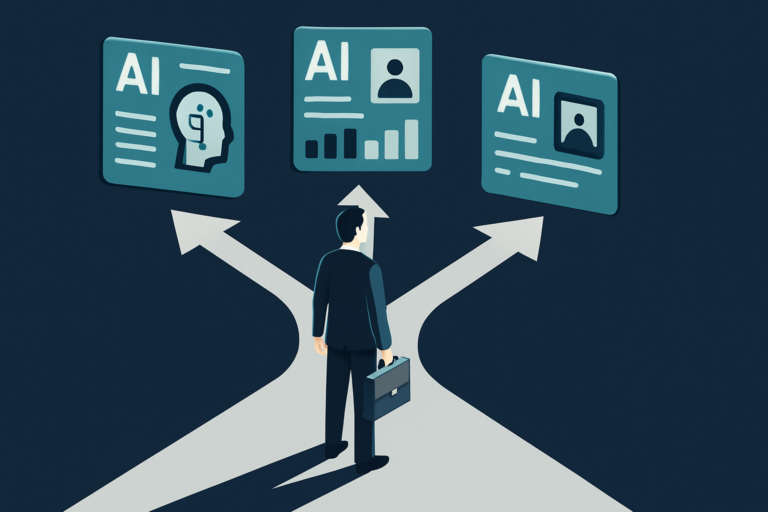
The New Frontier: AI’s Role in Shaping Human Autonomy in a Digital Age
What’s happening: Recent developments in AI, including Bending Spoons’ acquisition of Airtable and SpaceX’s partnership with Nvidia, highlight a trend where AI systems are becoming central to decision-making in everyday life. This shift suggests a transition of control from humans to machines, raising concerns about how our autonomy and agency are being redefined as we increasingly rely on AI for tasks like travel planning and data management.
Why it matters: As AI becomes more integrated into essential services, human decision-making may become more passive, leading to a decline in our ability to engage in complex deliberation. This reliance on AI not only risks cognitive atrophy but also raises existential questions about autonomy and self-determination in a world where our choices might be dictated by algorithms, potentially diminishing genuine human connection and understanding.
Our take: The integration of AI into daily life necessitates a critical examination of how we design these systems to enhance rather than replace human agency. The focus should be on fostering human connection and maintaining our capacity for nuanced decision-making in an increasingly automated world.
That’s the digest for August 06, 2026.
Questions? Reach out at info@q52.ai.
q52.ai — Engineering Better Questions
