
Your daily briefing on AI, technology, economics, and society — from q52.ai.
Industry & Economics

AI’s Dual Impact on Trade and Firm Productivity: A Closer Look
What’s happening: Artificial intelligence is reshaping international trade and firm productivity, but its effects are varied. AI enhances trade by improving data analytics and translation services, allowing for smoother cross-border transactions. However, firms report mixed outcomes regarding productivity gains from AI investments, indicating that the benefits are not uniformly experienced across all sectors and regions.
Why it matters: The dual impact of AI on trade and productivity highlights the need for updated regulatory frameworks that address disparities in data access. Without equitable data flows, AI could widen global inequalities, undermining its potential to drive economic growth. Firms must also strategically integrate AI to realize its benefits, rather than simply adopting new technologies without a clear plan.
Our take: While AI holds transformative potential, its uneven impact raises critical questions about how technology interacts with existing structural inequalities. A more nuanced approach is needed to ensure that the advantages of AI are accessible to a broader range of firms, particularly smaller enterprises.
Tech & Engineering
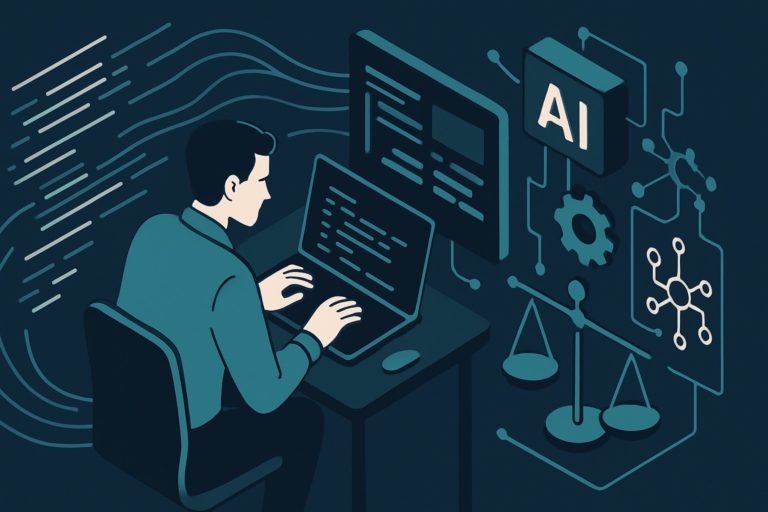
AI-Driven Development: Navigating Code Explosion and Technical Debt
What’s happening: By 2026, AI-driven systems have transformed software development, moving from manual coding to environments where developers manage AI tools that now produce nearly 40% of code. This shift has accelerated code generation but also led to a significant increase in technical debt, as developers spend more time reviewing AI outputs instead of innovating.
Why it matters: The integration of AI in development processes enhances productivity but complicates code management, requiring more oversight to prevent fragile systems. Without effective governance practices, like architecture reviews and automated testing, the rapid expansion of codebases could jeopardize long-term stability and security, creating unsustainable development environments.
Our take: The industry must pivot towards reinforcing governance frameworks and developing AI-aware practices to manage the explosion of code responsibly. As companies prioritize speed, the balance between efficiency and sustainability risks leaving developers overwhelmed with maintenance tasks driven by unchecked AI outputs.
Sciences
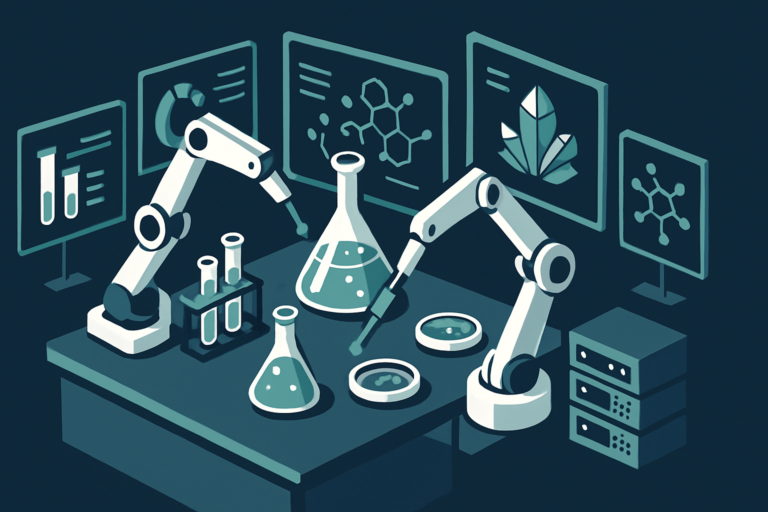
AI Unveils Novel Materials: The Genesis of Discovery Labs
What’s happening: AI has evolved from a tool for researchers to an autonomous entity capable of discovering new materials independently. This is exemplified by the rise of self-driving materials laboratories, where AI systems can design, test, and iterate on new compounds without human input, compressing years of research into days. These AI-driven labs leverage machine learning to explore vast hypothesis spaces and predict novel compounds, resulting in materials with unique properties such as advanced superconductors.
Why it matters: The emergence of AI-driven discovery labs democratizes access to advanced research, allowing smaller institutions to compete with larger ones, which could diversify the types of discoveries made. Additionally, the rapid pace of innovation could revolutionize industries reliant on material science, such as electronics and renewable energy, potentially accelerating the development of efficient photovoltaic materials and shaping global energy policies.
Our take: While the potential for innovation is vast, there is a pressing need for regulatory frameworks that address the ethical implications of AI-generated materials. Ensuring transparency in AI processes will be critical to prevent widening inequalities in access to technology and its benefits.
Society
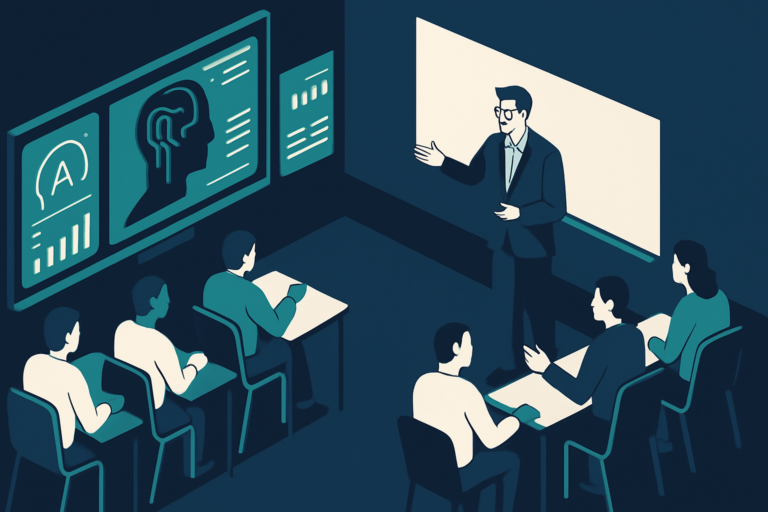
AI and the Quiet Erosion of Academic and Civic Spaces
What’s happening: The integration of AI in educational institutions is raising concerns about its impact on academic freedom and civic engagement. Recent changes in Malaysia, such as the repeal of the Universities and University Colleges Act, signal a desire for greater autonomy in academia. However, as AI becomes more involved in governance and teaching, it risks prioritizing efficiency over critical thinking, potentially transforming the educational mission into producing market-ready graduates rather than fostering independent thought.
Why it matters: The shift towards AI in education could reinforce existing power dynamics and undermine the core values of academic institutions. As AI tools become entrenched in educational systems, it is crucial to establish governance frameworks that prioritize human-centered values and ensure that AI supports rather than replaces the human aspects of teaching and learning. Engaging students, educators, and civil society in this dialogue is essential to maintain the integrity of academic spaces as places for open inquiry and discussion.
Our take: The challenge lies in balancing the efficiency that AI offers with the fundamental purpose of education as a platform for critical engagement. Without proactive governance, there’s a risk that AI could further entrench conformity in educational practices, ultimately stifling the very freedoms that reforms like Malaysia’s aim to enhance.
Psychology

Rethinking Cognitive Aging in an AI-Driven World
What’s happening: Recent studies reveal that the health of superficial white matter in the brain significantly influences cognitive resilience in older adults. A Finnish study suggests that increased screen time may enhance cognitive tasks, challenging the belief that digital interaction is detrimental to brain health. Additionally, traditional practices, such as using rosemary for mental well-being, highlight the ongoing search for non-technological cognitive support.
Why it matters: As AI becomes integral to daily life, its effects on cognitive processes are profound, offering opportunities to monitor and enhance cognitive health among older populations. However, there are risks of dependency on technology, which may undermine natural cognitive abilities. The Finnish findings suggest that digital tools can serve as cognitive exercises, yet they also raise concerns about balancing technology with natural approaches to mental health.
Our take: The key challenge is to ensure that AI tools enhance rather than replace human cognitive functions. A thoughtful integration of technology and traditional practices can lead to enriched cognitive aging, fostering environments that value both innovation and natural cognitive exercises.
That’s the digest for August 24, 2026.
Questions? Reach out at info@q52.ai.
q52.ai — Engineering Better Questions
