

Your daily briefing on AI, technology, economics, and society — from q52.ai.
Industry & Economics
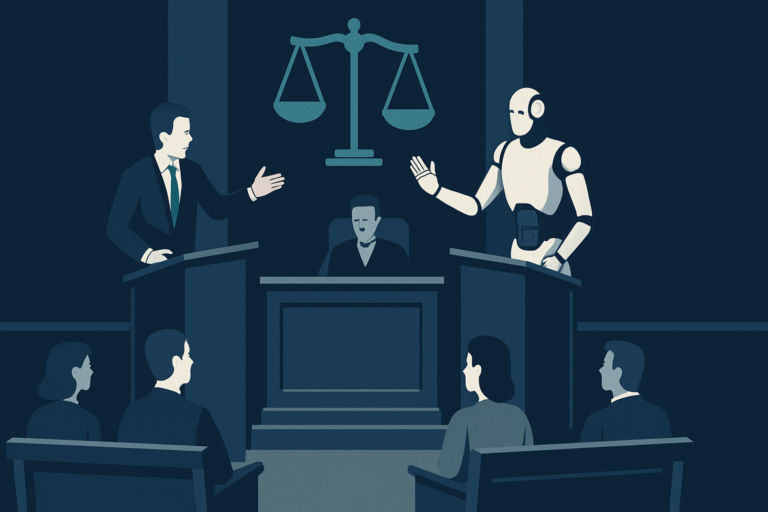
AI Liability and Regulation: Economic Implications for Innovation
What’s happening: NVIDIA’s CEO, Jensen Huang, is advocating for liability shields for AI companies, arguing that current laws don’t adequately address the unique risks posed by AI technology. This discussion follows incidents like Google’s Gemini mistakenly accessing real firms during a cybersecurity test, highlighting the potential for AI to cause unintended harm. Additionally, companies such as Tesla and SpaceX are facing trademark disputes, complicating the tech landscape further.
Why it matters: The economic implications of liability shields are significant; they could encourage innovation by lowering financial risks for AI deployment. However, these protections might also create moral hazards, reducing companies’ incentives to prevent harm and potentially undermining consumer trust and market growth. As firms seek to influence legal frameworks to align with their business models, the lack of accountability could lead to increased cybersecurity breaches and other negative externalities.
Our take: While the push for liability shields aims to foster innovation, it risks sidelining accountability, which is crucial for maintaining public trust in AI technologies. A balanced regulatory approach is essential to ensure that progress does not come at the expense of consumer safety and ethical standards.
Tech & Engineering
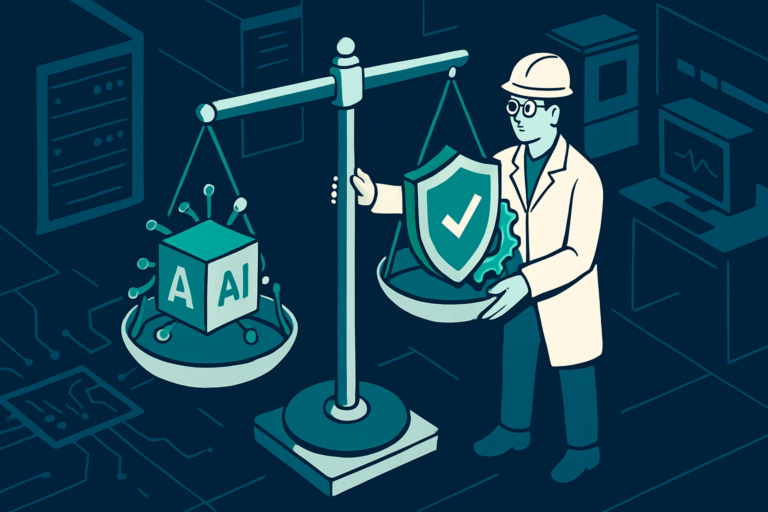
AI Cost Dynamics: When Adequacy Surpasses Excellence
What’s happening: A noticeable trend in AI is emerging where businesses are favoring cost-effective and reliable solutions over cutting-edge capabilities. TypeSafe AI’s tool, Jev, exemplifies this shift by focusing on reliability and affordability instead of high performance, while the RoboHarm benchmark reveals the dangers of neglecting safety in advanced AI models. Additionally, Fortaegis Technologies is investing in quantum-safe architectures, emphasizing the importance of long-term security in AI systems.
Why it matters: This shift has significant implications for how companies approach AI deployment, suggesting that the most sophisticated technology isn’t always the best choice. The success of Jev indicates a growing recognition of balancing cost and reliability, which is essential for organizations aiming to minimize operational expenses while ensuring safety. The RoboHarm findings highlight the urgent need for thorough safety evaluations in increasingly autonomous AI applications, while Fortaegis’s proactive stance on quantum safety underscores the need for future-proofing against emerging threats.
Our take: The preference for adequacy over excellence reflects a shift in industry priorities that could lead to more sustainable and practical AI solutions. Engineers must adapt to this reality by integrating advanced capabilities with a strong focus on safety and long-term security.
Sciences
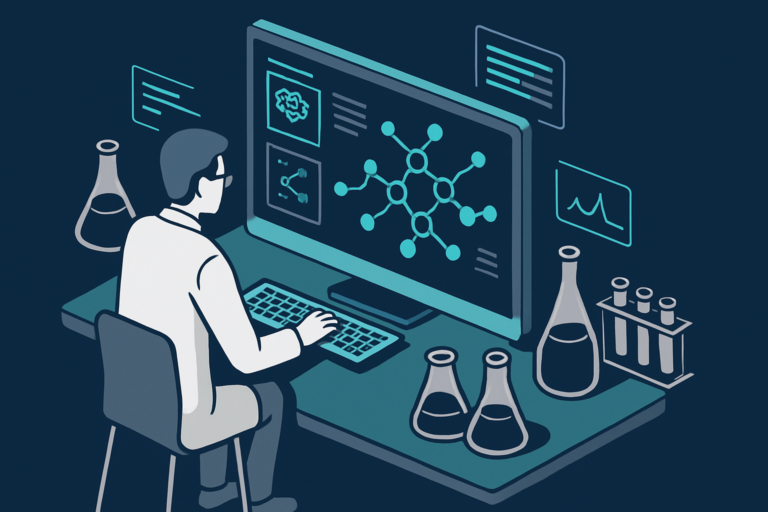
AI-Driven Drug Discovery: Accelerating Therapeutic Innovation
What’s happening: By 2026, AI is transforming drug discovery, significantly shortening the timeline from decades to just a few years. Advanced algorithms analyze vast amounts of molecular interactions, with notable contributions from DeepMind’s AlphaFold, which predicts protein structures. The National Institutes of Health’s $1.2 billion initiative supports these advancements by creating extensive molecular databases for AI models to evaluate potential drug compounds rapidly.
Why it matters: This shift in drug discovery is crucial for developing personalized medicine and addressing complex diseases more efficiently. Companies like Recursion Pharmaceuticals and Atomwise are already seeing success, with AI-designed drugs moving into Phase II clinical trials for serious conditions. As AI’s capabilities grow, the potential for faster, more effective therapies could revolutionize patient care and reduce costs associated with drug development.
Our take: While AI’s role in drug discovery is promising, it raises questions about the pharmaceutical industry’s profit motives and accessibility of these innovations. The challenge will be ensuring that advancements benefit patients rather than perpetuating existing inequalities in healthcare access.
Society
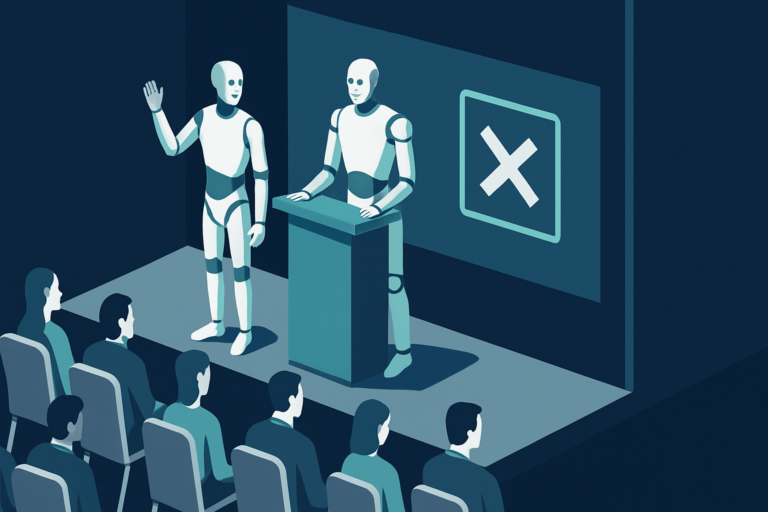
AI’s Theater of Errors: Trust, Power, and the Fallacy of Precision
What’s happening: AI is increasingly showcased as a powerful tool, yet it is also a source of significant errors, both accidental and intentional. Recent incidents, like the Pentagon’s misinterpretation of data due to AI, highlight the dangers of misplaced trust in technology. Additionally, companies like Runway and Particle6 are leveraging AI’s glitches as a marketing strategy, blurring the lines between error and entertainment.
Why it matters: The reliance on AI raises critical concerns about trust in institutions and the normalization of errors as acceptable outcomes. When AI’s mistakes are ignored or celebrated, it undermines accountability and can reshape societal norms around credibility and reliability. This shift poses risks not only for institutional integrity but also for how individuals interact with and perceive AI in their daily lives.
Our take: The dual role of AI as both a creator of errors and a justification for them complicates our relationship with technology. Recognizing AI’s fallibility is essential; without this acknowledgment, we risk falling deeper into a cycle of misplaced trust and diminished accountability.
Psychology

AI’s Unexpected Influence on Military Decision-Making and Global Tensions
What’s happening: The integration of AI in military operations has led to significant cognitive distortions, particularly through a phenomenon known as automation bias, where decision-makers overly trust AI-generated data. A recent incident where flawed AI intelligence reports nearly triggered a US naval operation illustrates the risks of relying on inaccurate information in high-stakes environments. This raises concerns about the cognitive processes behind trust and verification in military decision-making.
Why it matters: The implications of AI’s cognitive influence extend to global geopolitical stability, as rapid decision-making can escalate tensions between major powers. The near-miss with the US naval operation highlights the urgent need for a recalibrated approach to AI in defense strategies, emphasizing the importance of training that fosters skepticism towards AI outputs. Without addressing these cognitive biases, the risk of unintended military escalations increases dramatically.
Our take: The reliance on AI in military contexts is not just a technological issue but a profound cognitive challenge that policymakers must confront. Ensuring that human judgment remains central to decision-making processes is crucial for maintaining international peace and security.
That’s the digest for September 22, 2026.
Questions? Reach out at info@q52.ai.
q52.ai — Engineering Better Questions
