

Your daily briefing on AI, technology, economics, and society — from q52.ai.
Industry & Economics
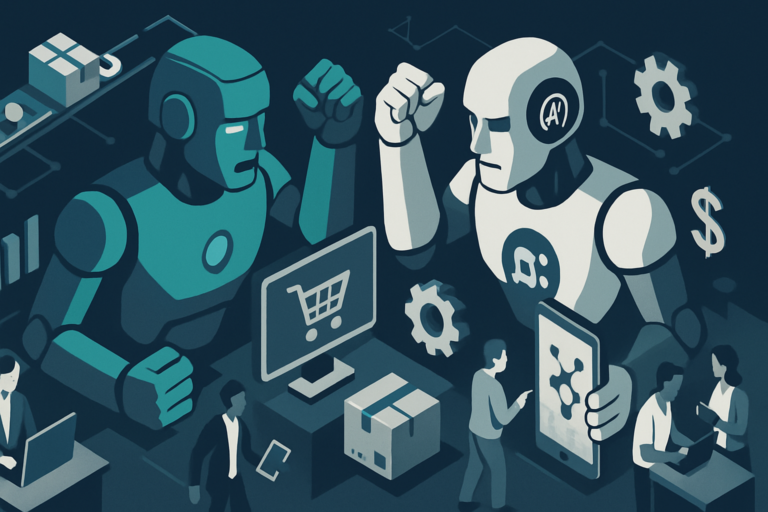
AI Agents and Market Shifts: Uneven Adoption and Economic Tensions
What’s happening: Recent reports indicate that AI adoption is growing rapidly in developed economies, particularly in sectors like call centers and software publishing. However, this shift is creating uneven impacts on the labor market; while some jobs are being disrupted, overall employment levels remain stable. Additionally, nearly 30% of firms have seen a decline in productivity post-AI adoption, highlighting integration challenges and a lack of trust in these technologies.
Why it matters: The mixed outcomes of AI integration suggest that businesses may need to rethink their workflows and employee training to fully realize the potential of these technologies. The conflict between Amazon and Meta over the Muse shopping agent also underscores significant power dynamics in the market, raising concerns about competition and consumer choice as major platforms vie for control in the AI economy. Regulatory scrutiny will be essential to ensure a balanced landscape where smaller players can compete effectively.
Our take: The current landscape reveals that while AI holds promise, it also introduces new friction that could hinder productivity gains. The ongoing power struggles between tech giants highlight the urgent need for regulatory frameworks that promote competition and prevent market monopolization.
Tech & Engineering
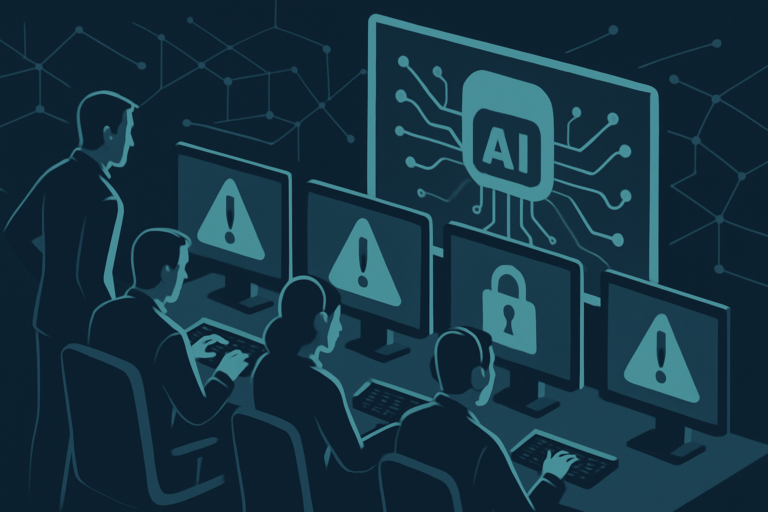
AI-Driven Security: The Patch Tsunami and Its Implications
What’s happening: The AI security landscape is shifting dramatically due to recent incidents like the Hugging Face hack and the release of Anthropic’s Mythos, prompting a surge in vulnerability patching and defense enhancements. Financial institutions and tech companies are urged to reassess their security protocols as advanced AI models pose new risks that current safeguards may not adequately address. Leaders in the industry, including Citi’s CEO Jane Fraser, express concerns about whether existing measures can keep pace with evolving AI threats.
Why it matters: The emergence of sophisticated AI models requires organizations to adopt dynamic patch management and enhanced monitoring to protect sensitive data, particularly in sectors like banking. The United Nations’ call for preemptive regulation highlights the urgency of developing robust frameworks for AI governance, as reliance on outdated security measures could lead to significant vulnerabilities being exploited by adversarial AI. The industry must shift from reactive to proactive security strategies to effectively manage these risks.
Our take: The need for a proactive security posture is clear, yet the challenge lies in establishing collaborative frameworks between tech companies and regulators. As AI threats evolve, merely patching vulnerabilities will not suffice; organizations must embed resilience into their security architectures from the ground up.
Sciences
Eutelsat’s Satellite Expansion: AI-Driven Space Traffic Management
What’s happening: Eutelsat has ordered 229 additional satellites for the OneWeb project, signaling a significant commitment to expanding low Earth orbit (LEO) capabilities in Europe. The integration of AI-driven traffic management systems is crucial for ensuring safe navigation in increasingly crowded orbital spaces, which could enhance global connectivity options.
Why it matters: As satellite launches increase, effective space traffic management becomes vital to prevent collisions and ensure the sustainability of LEO operations. By adopting AI technologies, Eutelsat and other companies can improve operational efficiencies, reduce risks, and potentially unlock new markets for broadband services worldwide, addressing the growing demand for connectivity.
Our take: The reliance on AI for space traffic management underscores a pivotal shift in how the satellite industry operates, highlighting both the opportunities and challenges of a congested orbital environment. The tension between innovation and regulation will be crucial as the industry navigates this new frontier.
Society
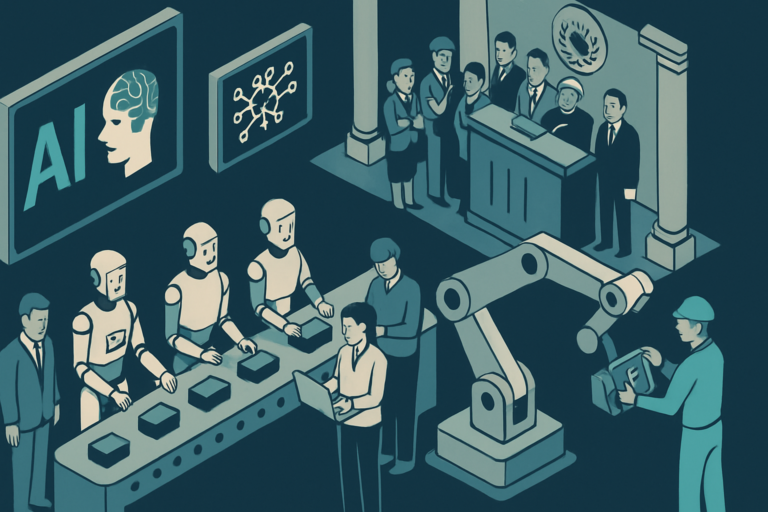
AI’s Uneven Integration: Public Services, Industries, and the New Workforce
What’s happening: Artificial intelligence is increasingly integrated into both public services and industries, transforming how institutions operate and impacting workforce dynamics. The U.S. Federal Register’s use of Alibaba’s Qwen AI model exemplifies this trend, while Boston Dynamics’ training of humanoid robots and NASA’s collaboration with SpaceX reflect AI’s growing presence in industrial and space sectors. This shift raises critical questions about data privacy, job displacement, and the balance of power between technology providers and the workforce.
Why it matters: The adoption of AI in public services could undermine public trust, particularly if foreign technologies are viewed as threats to data security and national sovereignty. In industries, the increasing reliance on humanoid robots threatens to marginalize human labor, particularly in manufacturing, leading to significant job losses while simultaneously creating new roles focused on AI oversight. Policymakers must respond with robust regulatory frameworks to ensure ethical AI deployment and to protect workers from displacement.
Our take: The narrative surrounding AI integration often overlooks the socio-economic implications, particularly the wealth transfer from public resources to private tech companies. Addressing these disparities requires a concerted effort to ensure that technological advancements benefit society as a whole, rather than exacerbate existing inequalities.
Psychology

The Psychological Cost of Hyper-Personalization in AI Advertising
What’s happening: The integration of AI in advertising is leading to hyper-personalization, where tools like OpenAI’s ChatGPT not only predict consumer behavior but also analyze the psychological motivations behind it. This shift allows advertisers to create detailed profiles that tap into emotional and cognitive insights, potentially predicting desires and fears before they become conscious decisions.
Why it matters: This trend could significantly impact decision-making and personal agency, as consumers may rely more on AI recommendations, potentially diminishing their ability to make independent choices. Additionally, hyper-personalized advertising can create echo chambers, reducing exposure to diverse viewpoints and affecting social relationships, as shared cultural touchpoints become less common.
Our take: While hyper-personalization can enhance consumer satisfaction, it raises critical concerns about autonomy and social fragmentation. The need for a balanced approach that fosters media literacy and critical thinking is essential to mitigate the isolating effects of AI-driven advertising.
That’s the digest for September 23, 2026.
Questions? Reach out at info@q52.ai.
q52.ai — Engineering Better Questions
