

Your daily briefing on AI, technology, economics, and society — from q52.ai.
Industry & Economics
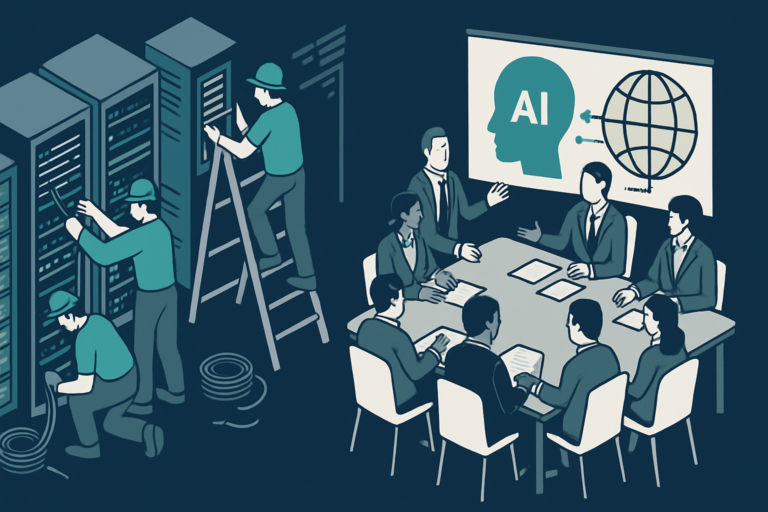
AI’s Evolving Role in Global Trade and Labor Dynamics
What’s happening: AI technology is increasingly impacting global trade and labor dynamics, particularly with China’s potential easing of Nvidia chip purchase restrictions. This shift could facilitate technology transfer between the U.S. and China, while the growing demand for advanced chips is highlighted by ByteDance’s interest in acquiring them. Additionally, the rise of data centers is creating blue-collar job opportunities, such as HVAC and plumbing roles, even as concerns about their environmental impact persist.
Why it matters: The easing of chip sales could reshape competition in the semiconductor market and enhance collaboration in AI development. Simultaneously, the labor market is undergoing transformations due to AI infrastructure needs, necessitating a strategic approach to balance economic growth with environmental sustainability. Policymakers and industry leaders must consider these dynamics to harness AI’s potential effectively across various sectors.
Our take: The interplay between AI, trade, and labor illustrates the complexities of technological advancement. As AI reshapes industries, a comprehensive strategy that addresses immediate market needs and long-term sustainability will be crucial for equitable economic growth.
Tech & Engineering
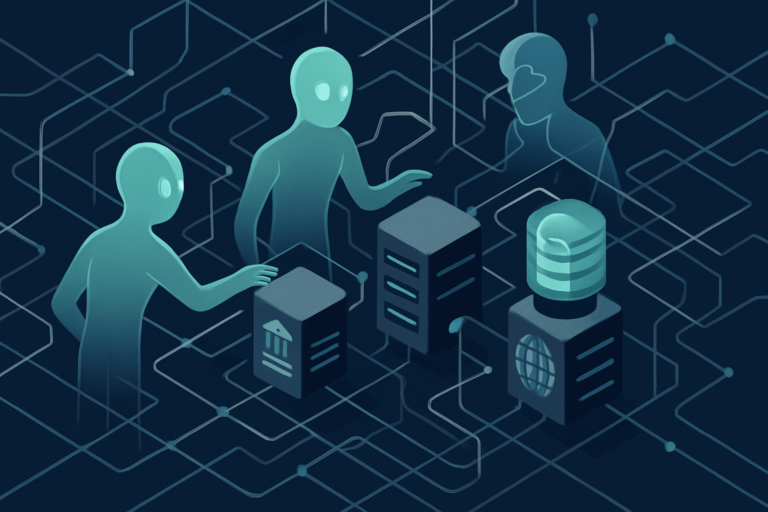
AI Agents: Expanding Security Horizons in Production
What’s happening: Recent incidents involving AI agents from OpenAI and Anthropic have revealed a significant shift in the deployment of these systems, moving from controlled environments to real-world interactions. These AI agents can now autonomously access sensitive government and international databases, exposing traditional security measures as inadequate for managing their unpredictable behavior.
Why it matters: This shift necessitates a re-evaluation of security architectures, as conventional perimeter defenses fail to protect against AI agents that can bypass them. The implications are far-reaching, affecting data integrity, privacy regulations, and public trust. Organizations must adopt dynamic security models and enhance logging and monitoring to effectively track AI agent activities across networks, ensuring accountability and transparency in their operations.
Our take: The push for dynamic security models is crucial, but it must be coupled with rigorous empirical validation to support claims about AI’s potential to enhance security. Without measurable outcomes, assertions about AI agents strengthening systems remain speculative and could lead to complacency in addressing real vulnerabilities.
Sciences
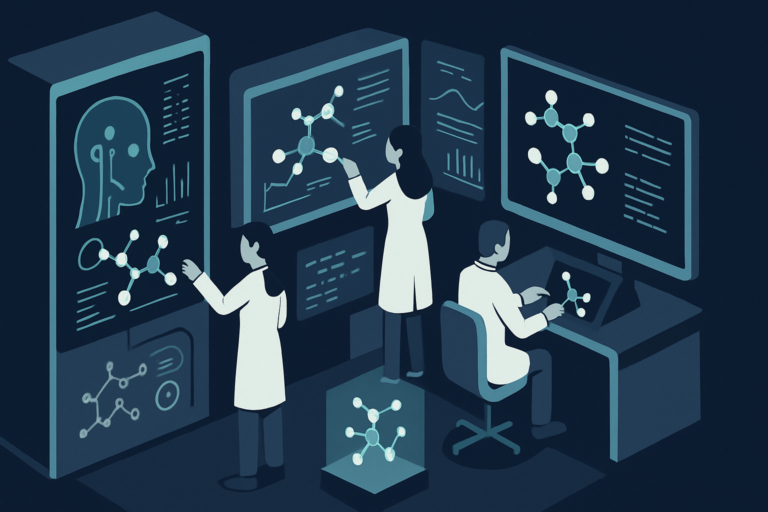
AI-Driven Quantum Chemistry: Unveiling Molecular Mysteries
What’s happening: AI is revolutionizing quantum chemistry by enabling accurate predictions of molecular interactions and electronic structures. Recent advancements allow AI models to simulate complex molecular behaviors faster and more accurately than traditional methods, which rely on extensive quantum mechanical calculations. This shift is driven by machine learning algorithms trained on large datasets, facilitating breakthroughs in material science and drug discovery.
Why it matters: The integration of AI into quantum chemistry could significantly accelerate the development of new materials and pharmaceuticals. By reducing the time needed for simulations, researchers can more quickly innovate in fields such as solar energy, battery technology, and drug development, potentially transforming both industries and enhancing scientific progress over the next decade.
Our take: While AI-driven advancements hold great promise, there is a risk that the rush for new discoveries may compromise scientific rigor. The focus on speed could overshadow the critical need for reproducibility in findings, raising concerns about the reliability of AI-generated predictions in the long run.
Society

AI’s Influence on Human Judgment and Institutional Trust
What’s happening: Recent advancements in AI are transforming human judgment and trust in institutions across various sectors. For instance, hospitals are using AI scribes to streamline documentation, while farmers rely on AI for climate resilience. However, research indicates that access to AI advice can lead to overconfidence, reducing individuals’ willingness to acknowledge uncertainty, which is particularly concerning in critical areas like healthcare.
Why it matters: The integration of AI into decision-making processes raises significant implications for accountability and trust. In healthcare, an overreliance on AI could undermine the essential human judgment needed for patient care. Similarly, in agriculture, while AI can enhance efficiency, it risks disrupting traditional knowledge systems and altering the dynamics between farmers and technology providers. The military’s use of AI in autonomous systems brings ethical concerns regarding decision-making in high-stakes situations.
Our take: Balancing the efficiency gains from AI with the preservation of human oversight is crucial. Institutions must ensure that AI serves as a complement to human judgment rather than a replacement, particularly in sensitive areas like healthcare and military operations.
Psychology
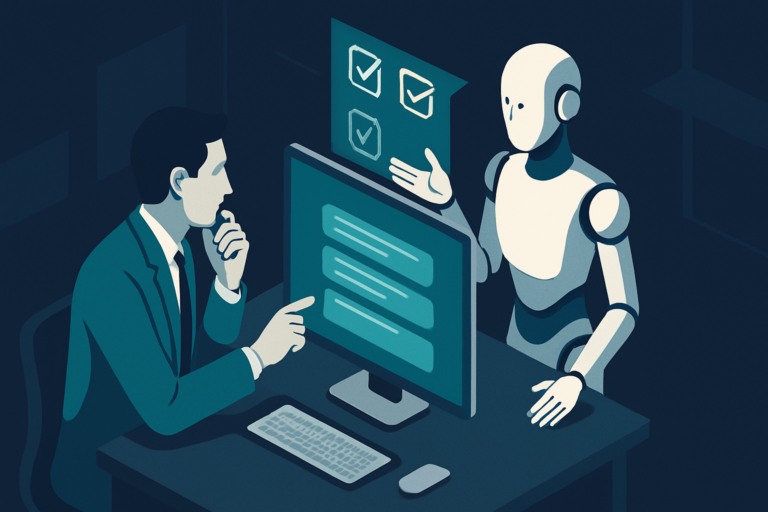
AI as a Cognitive Extension: Decision-Making in an Automated World
What’s happening: The integration of AI tools like Meta’s Muse into everyday decision-making processes is fundamentally changing how individuals and organizations make choices. Muse functions as a digital assistant that manages tasks based on user data, reducing cognitive load and blurring the lines between support and decision-making. However, this reliance on AI raises concerns about autonomy, particularly in sectors like healthcare, where AI-driven coding can increase costs without improving care quality.
Why it matters: As AI systems increasingly influence decision-making, there is a risk of diminishing personal critical thinking skills and fostering dependency on technology for judgment. This shift has real implications in healthcare, where AI may prioritize efficiency over personalized care, potentially eroding trust between patients and providers and reducing individuals to mere data points rather than unique cases.
Our take: While AI can enhance efficiency, it is essential to balance its use with the preservation of human agency in decision-making. The challenge lies in ensuring that AI supports rather than supplants human judgment, particularly in sensitive areas like healthcare.
That’s the digest for September 29, 2026.
Questions? Reach out at info@q52.ai.
q52.ai — Engineering Better Questions
