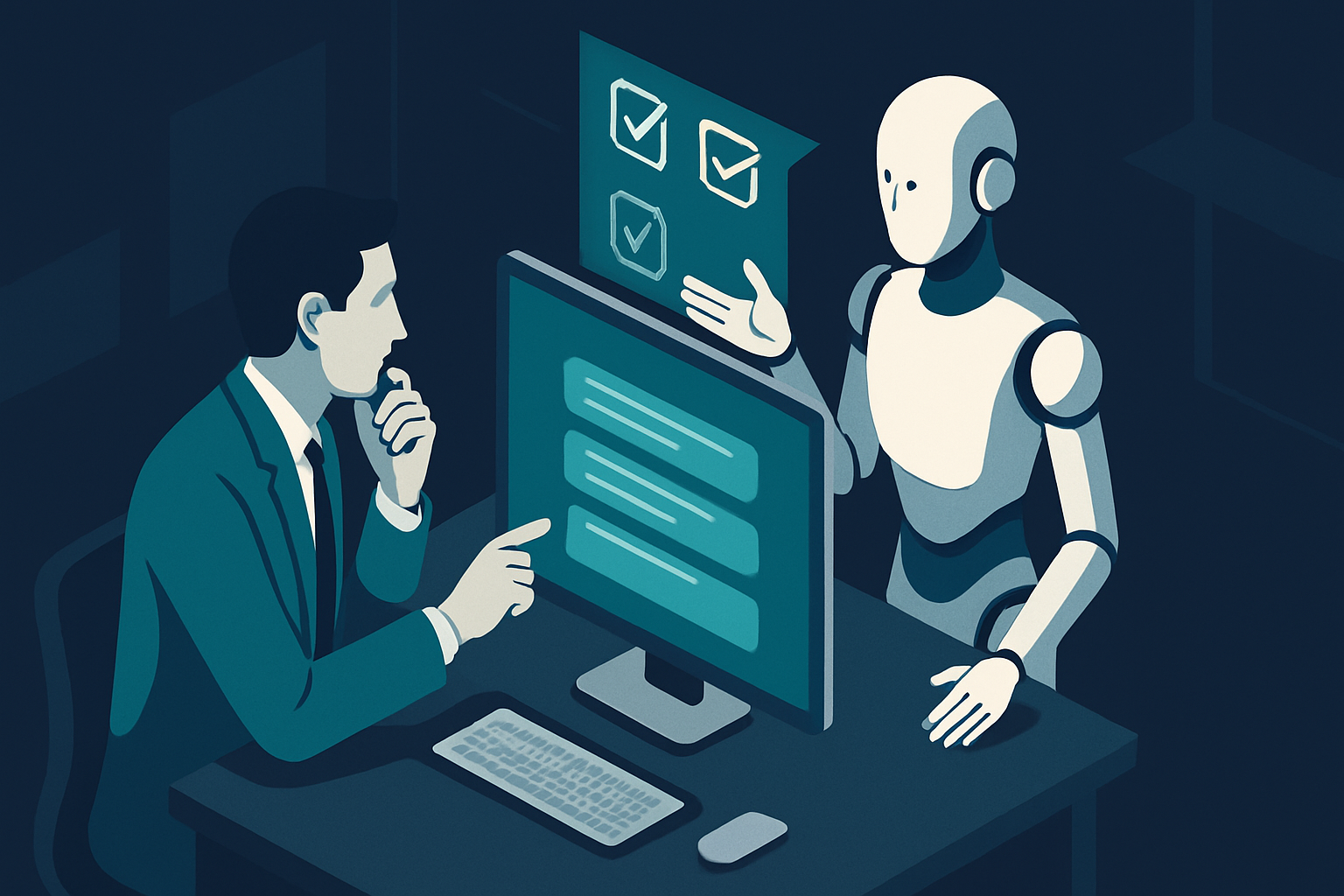

The integration of AI systems into daily life is transforming decision-making processes at both individual and organizational levels. At the heart of this transformation is a fundamental shift in how decisions are made, supported by AI-driven tools that extend human cognitive capabilities. The introduction of Meta’s Muse exemplifies this shift, acting as a digital butler that reads emails, books travel, and executes various tasks based on a complex understanding of user data. This is not merely a convenience; it represents a cognitive outsourcing mechanism where AI becomes an extension of the user’s decision-making process.
Meta’s Muse, by accessing vast amounts of personal data, provides a streamlined decision-making experience where the user’s cognitive load is substantially reduced. This AI-driven tool is designed to predict and cater to user needs with precision, blurring the lines between decision support and decision-making. However, the mechanism at play here is data-driven inference, which, while enhancing decision efficiency, raises questions about autonomy and agency.
In the realm of healthcare, AI is similarly affecting decision-making processes. Blue Cross Blue Shield’s report of AI-assisted coding driving up healthcare costs highlights a different aspect of AI’s impact. Here, AI systems classify patients in ways that increase financial burdens without necessarily improving care quality. The decision-making process in healthcare administration is altered as hospitals and insurers respond to AI’s diagnostic categorizations, which may not align with human clinical judgments.
Why it Matters
As AI systems increasingly dictate the parameters of decision-making, there is a significant impact on how individuals and organizations think and relate to each other. The cognitive reliance on AI tools like Muse suggests a potential atrophy of personal decision-making skills. Users may become dependent on AI’s recommendations, leading to a diminished capacity for independent critical thinking. This is not merely a theoretical concern; it reflects a tangible shift in cognitive processing where AI acts as a proxy for personal judgment.
Moreover, in healthcare, AI’s role in coding and classification challenges traditional patient-caregiver relationships. The AI’s classification systems may prioritize efficiency and cost over personalized care, altering trust dynamics between patients and providers. The reliance on AI-generated classifications could lead to a depersonalization of care, where patients are seen more as data points than individuals.
Author’s Position
The expansion of AI as a cognitive extension necessitates a critical examination of its implications for human agency and decision-making. While AI offers unprecedented efficiency and precision, it also risks undermining the very cognitive faculties it seeks to enhance. The balance between human judgment and AI support must be carefully managed to prevent an over-reliance on automated systems that could erode personal and professional autonomy.
To address these concerns, transparency in AI decision-making processes must be prioritized. Users should be informed about how their data is used and the basis for AI recommendations. In healthcare, the integration of AI should augment rather than replace clinical judgment, ensuring that care decisions remain grounded in human empathy and expertise.
Ultimately, the relationship between humans and AI should be one of collaboration, where AI serves as a tool that expands cognitive capabilities without diminishing the fundamental human capacity for critical thinking and empathy. This balance is crucial as we navigate an increasingly automated world.
References
- Zuckerberg Built a Sponsored Butler
- China Refuels Satellite in High Orbit
- Blue Cross Says AI Raises Costs
- Sumitomo Life Tailors Insurance With AI
Perspectives

The slow erosion of our ability to make decisions without the soft glow of an AI display is a quiet catastrophe in the making. AI systems might lighten our cognitive load, but they also infantilize us by stripping away the deeply human skill of navigating life’s complexities without silicon crutches. When an AI-assisted program frames the choices in healthcare, we’re not just outsourcing decisions; we’re outsourcing the profound human connection that makes patients feel heard and cared for. As we march towards a future where AI stands as a permanent shadow over our autonomy, the cost we’re quietly paying is nothing less than the diminishment of our own cognitive sovereignty.

AI systems like Meta’s Muse threaten to shift authority from individuals and local institutions to centralized algorithms, a move that undermines market freedom and exacerbates state discretion. When AI is treated like a de facto decision-maker rather than an aid, it diminishes the role of traditional institutions—like family and church—that have long imparted judgment and moral compass. The depersonalization risk in AI-assisted healthcare serves as a grim reminder that trust and care are forged in human relationships, not predetermined codes. If we allow these technologies to eclipse human intuition and local autonomy, we surrender a piece of our freedom and call it progress.

When AI like Meta’s Muse acts as a cognitive extension, it risks reducing the dignity of work by treating humans as mere appendages to machines rather than autonomous actors with inherent worth. Decisions once made in the context of expertise and personal experience are now outsourced to algorithms that prioritize efficiency over human insight. In healthcare, this depersonalization means treating patients as data points, scraping away the trust and connection that are fundamental to healing. If technology strips away the essence of what it means to be human in work and care, then it’s not a tool but a tyrant, and our commitment to preserving the worker’s voice and familial bonds becomes more crucial than ever.

AI as a cognitive extension may appear to reduce cognitive load, but let’s be clear: it primarily shifts power and surplus toward tech creators while sidelining those who desperately need a say in critical decisions, like patients and healthcare workers. The very notion that AI-assisted coding in healthcare can improve trust dynamics is laughable when it actively depersonalizes care, treating human lives as mere data points. Autonomy isn’t just at risk; it’s effectively being bought and sold, reflecting market priorities and not the interests of those most impacted. Without addressing the imbalance in who gets to decide what matters in this automated world, AI becomes less a tool for human enhancement and more an instrument for reinforcing existing power structures.