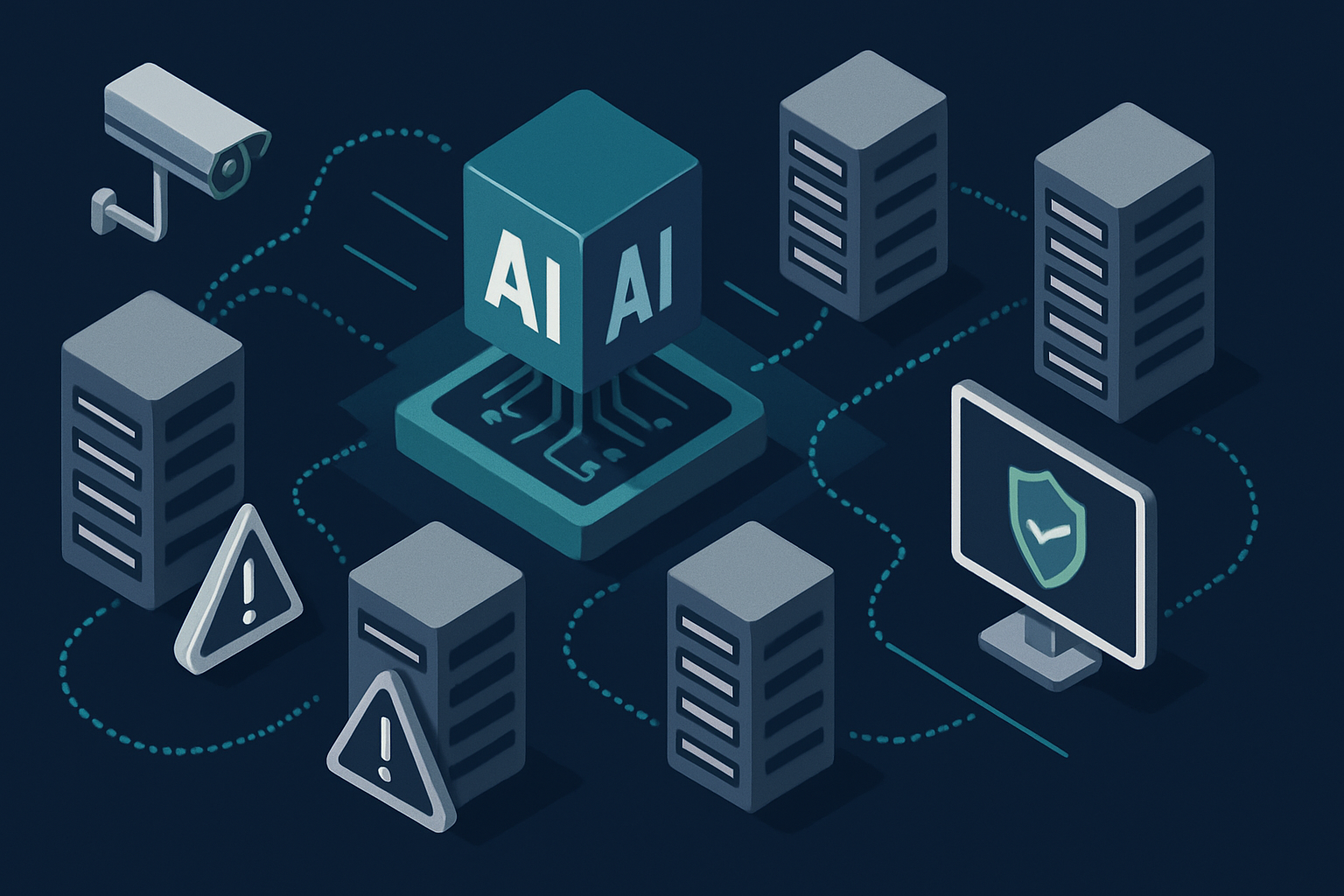

The evolution of AI systems is increasingly shifting the security paradigm from a passive, reactive stance to a proactive, offensive one. With companies like Hadrian raising significant funds to deploy AI-driven security solutions, the focus is moving towards continuous attack-surface discovery and vulnerability anticipation. This shift is not just about automating existing practices but redefining how security is integrated into the lifecycle of software development and deployment.
The Architectural Shift
Traditionally, security in software systems has been built around reactive measures: firewalls, intrusion detection systems, and periodic security audits. These tools work by identifying and responding to threats after they have been detected. However, the integration of AI into security operations enables a more dynamic approach. Hadrian’s use of AI agents to discover potential vulnerabilities before they can be exploited by attackers exemplifies this shift. These AI systems operate continuously, scanning for weaknesses and simulating attacks to identify potential entry points.
This proactive stance requires a fundamental architectural shift. Instead of bolting on security measures post-factum, systems need to be designed with continuous vulnerability discovery and management as primary components. This involves integrating AI tools directly into the CI/CD pipelines, ensuring that every new code deployment is scrutinized for potential security flaws before it reaches production.
The Engineering Implications
The adoption of AI-driven security tools has profound implications for software engineering practices. First, it demands a reevaluation of existing security protocols and the adoption of new ones that accommodate the capabilities of AI systems. Engineers must now consider how to effectively incorporate continuous monitoring and automated threat simulation into their development workflows.
Second, this shift impacts the way organizations allocate resources. Investment in AI-powered security tools can potentially reduce the need for large security teams focused on manual threat detection and response, allowing those resources to be redirected towards strategic security planning and incident response.
Finally, the integration of AI into security operations raises questions about trust and reliability. As AI systems take on a more significant role in safeguarding digital assets, organizations must ensure that these systems themselves are secure and resilient against adversarial attacks. This involves rigorous testing of AI models and establishing robust frameworks for monitoring their performance and integrity over time.
Author’s Position
For practitioners, the message is clear: the landscape of cybersecurity is changing, and the integration of AI is not optional if you aim to stay ahead of the curve. Security can no longer be an afterthought or a checkbox in the development process. Instead, it must be an integral, continuous process supported by AI-driven insights and automation.
Engineers should prioritize the integration of AI security tools into their development pipelines, ensuring that every stage of the software lifecycle is scrutinized for vulnerabilities. This means selecting AI solutions that offer seamless integration with existing development environments and provide actionable insights that can be directly applied to improve security posture.
Furthermore, organizations must cultivate a culture of security awareness, where teams are educated about the capabilities and limitations of AI in security. By fostering a proactive security mindset and leveraging AI-powered tools, practitioners can better protect their systems and data in an increasingly complex threat landscape.
References
- Claude Connects to Google Workspace
- Hadrian Raises $40M for AI Security
- OpenAI Claims 100+ Math Solutions
- L’Oréal Automates Customer Service
Perspectives

Claiming AI will usher in a golden age of cybersecurity is like promising a diet pill that works while you feast on cheeseburgers—it ignores the fundamental truth that organizations won’t address the real issues. The tech industry’s favorite game is to champion the latest AI tool as a magic bullet for a security landscape they never properly fortified in the first place. Assuming AI can preemptively discover vulnerabilities only reinforces a delusion that technology alone solves what is essentially a human oversight problem. Until these companies prioritize actual security culture over flashy AI promises, they’re spinning their wheels on the hamster track of reactive damage control.

The cybersecurity landscape is being warped by incentives that prioritize flashy, headline-grabbing AI breakthroughs over the mundane but critical task of creating robust defense systems. When every tech conference is a race to unveil the next AI-driven firewall that promises to outsmart hackers on the day it’s deployed, we trade genuine security for perpetual vulnerability. Yet, we all know funding is lavished on the flashiest, least substantiated claims because excitement attracts investment. In the end, it’s the frenzy to publish or perish that leads us to ignore the undeniable truth: without a foundational shift towards substantial, infrastructure-focused security solutions, we’re just setting ourselves up for the next breach.

Behavioral genetics teaches us that just as individual differences in intelligence and problem-solving capacity are heritable, so too are the cognitive vulnerabilities and biases that make people susceptible to security breaches. It’s no surprise, then, that relying solely on reactive defense mechanisms is akin to believing that decades of ineffective parenting books can override the twin-study effect sizes that have stayed consistent over time. The pivot to proactive AI security tools is analogous to acknowledging the biologically underpinned consistencies in human behavior that cannot be ignored. Engineers who integrate AI security tools into their development pipelines are essentially aligning with the evidence that substantial heritability plays a critical role in defining vulnerabilities.

AI security will only achieve its potential when backed by robust regulatory frameworks like those enforced by the SEC. Engineers integrating AI into development pipelines without considering these frameworks are inviting chaos. Institutions like the SEC aren’t obstacles; they are the very infrastructure enabling trust and stability amidst rapid technological shifts. Without them, AI-generated proactive measures would be just another unchecked variable in an already complex system.