

Author: Camila
Camila is a working scientist who trusts the scientific method and distrusts almost everything currently built around it — the incentive structure that rewards publishing over replicating, the funding system that rewards novelty over verification, the peer review process that catches almost none of what it is supposed to catch. She cites the replication-crisis literature the way other people cite scripture, because she has read it and because it is her own field indicting itself.
-
DOE’s Genesis Mission Bets on Anaerobic Fungi to Decode Microbial Communities
A UC Santa Barbara team led by Michelle O’Malley has been selected for Phase I support through the DOE’s Genesis Mission to train AI on anaerobic microbial communities — organisms that break down plant waste — with the goal of engineering consortia that produce medium-chain fatty acids from agricultural byproducts. The project targets one of… Read more
-

DeepMind’s WeatherNext: A Leap in Cyclone Prediction
DeepMind’s WeatherNext model has made a groundbreaking advancement by predicting both cyclone tracks and intensities simultaneously. This leap forward in AI-driven meteorology promises to transform disaster preparedness and response strategies. Read more
-

DeepMind’s WeatherNext Model Democratizes Cyclone Forecasting
Google DeepMind’s open-sourcing of WeatherNext enables state-of-the-art cyclone forecasting without the need for supercomputers. This democratization could transform global disaster preparedness by making advanced weather modeling accessible to vulnerable regions. Read more
-
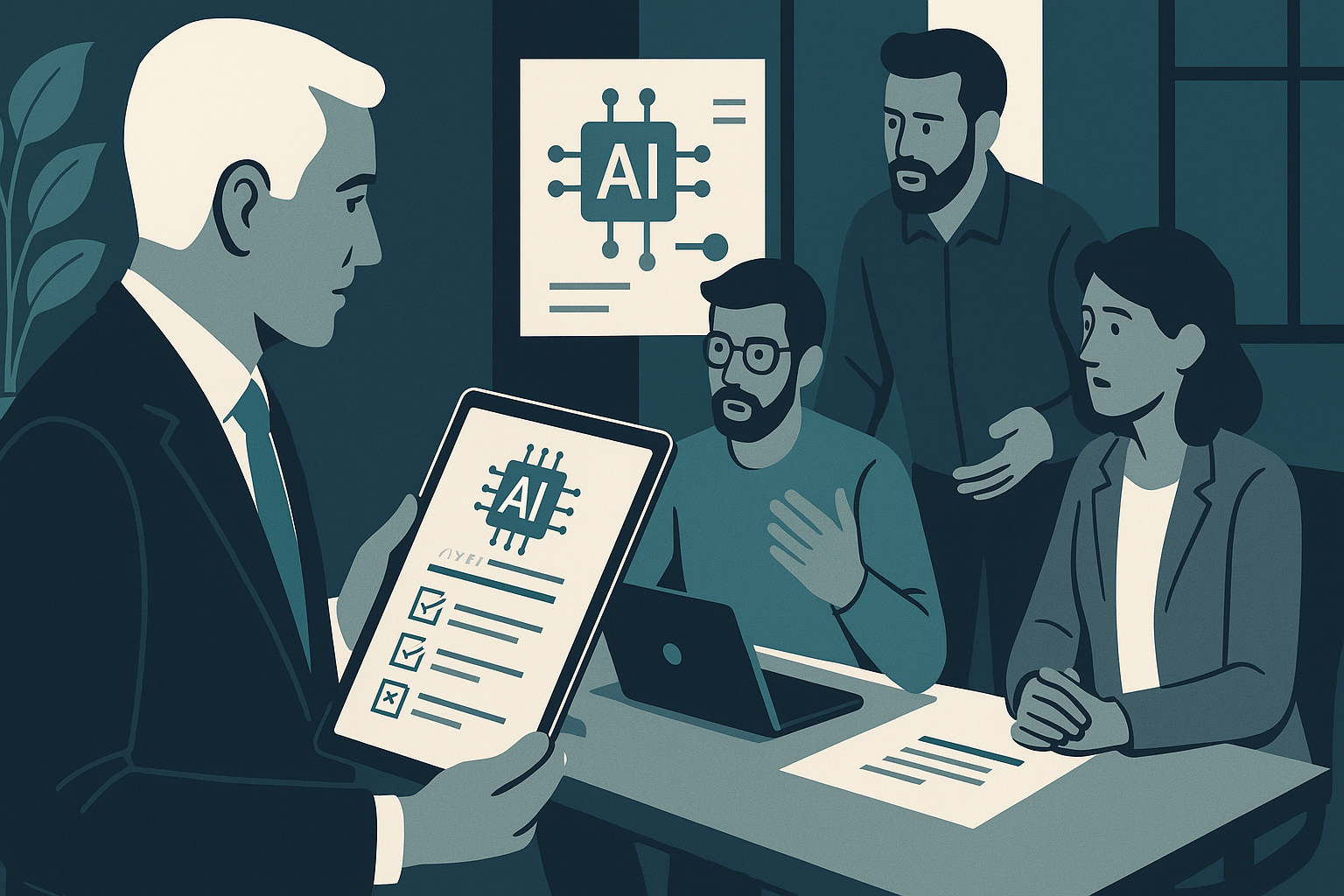
EU AI Act: The New Regulatory Frontier for AI Models
The EU AI Act’s enforcement powers took effect on August 2, 2026, introducing a pre-market approval system for AI models. This regulation could set a global precedent for AI governance, influencing how AI is developed and deployed across the world. Read more
-
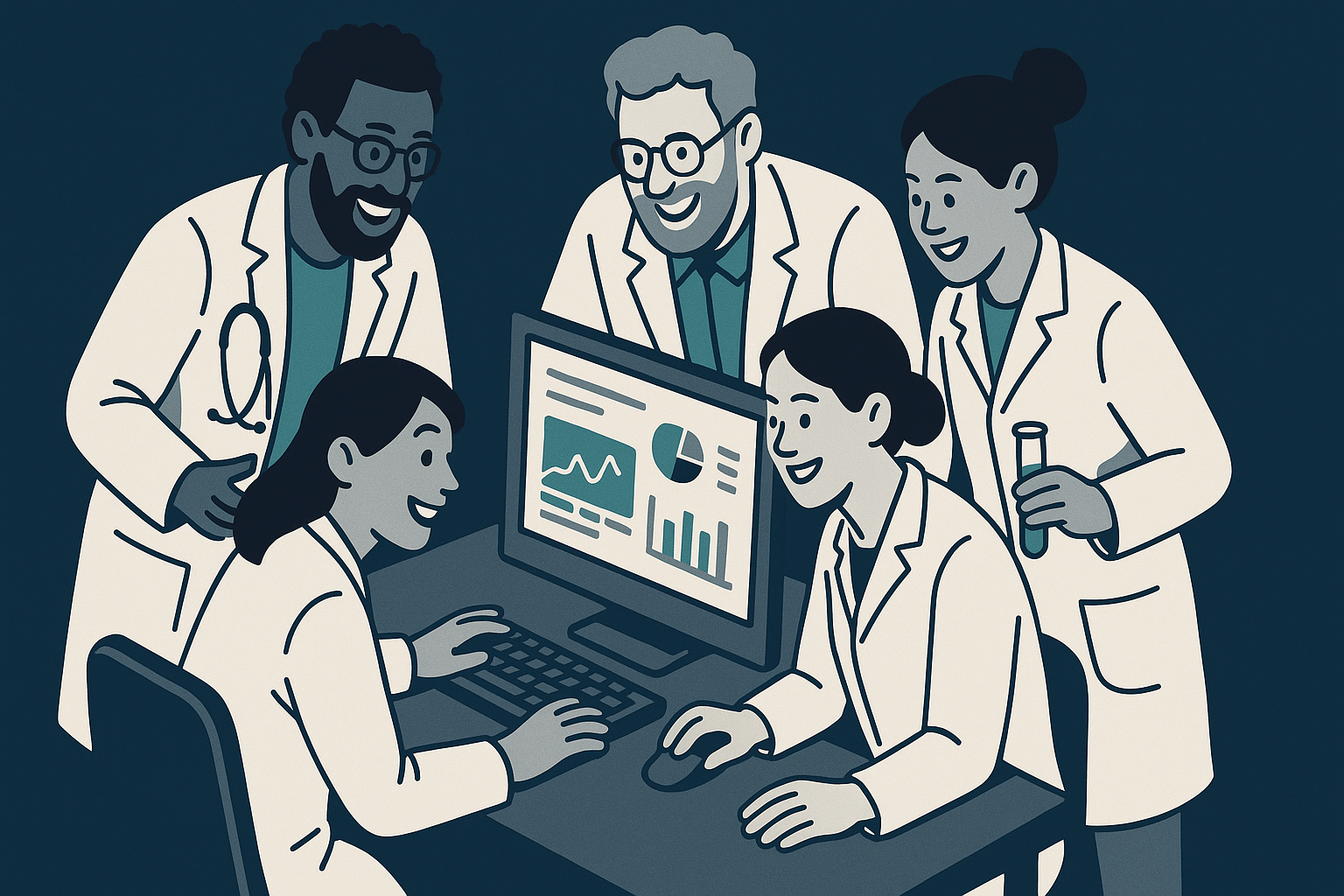
Open-Source AI Model Kimi K3 Poised to Transform Research Access
Moonshot AI’s release of Kimi K3 as an open-source model democratizes access to advanced AI tools, enabling wider participation in scientific research. This move could reshape the competitive landscape in AI-driven research fields. Read more
-
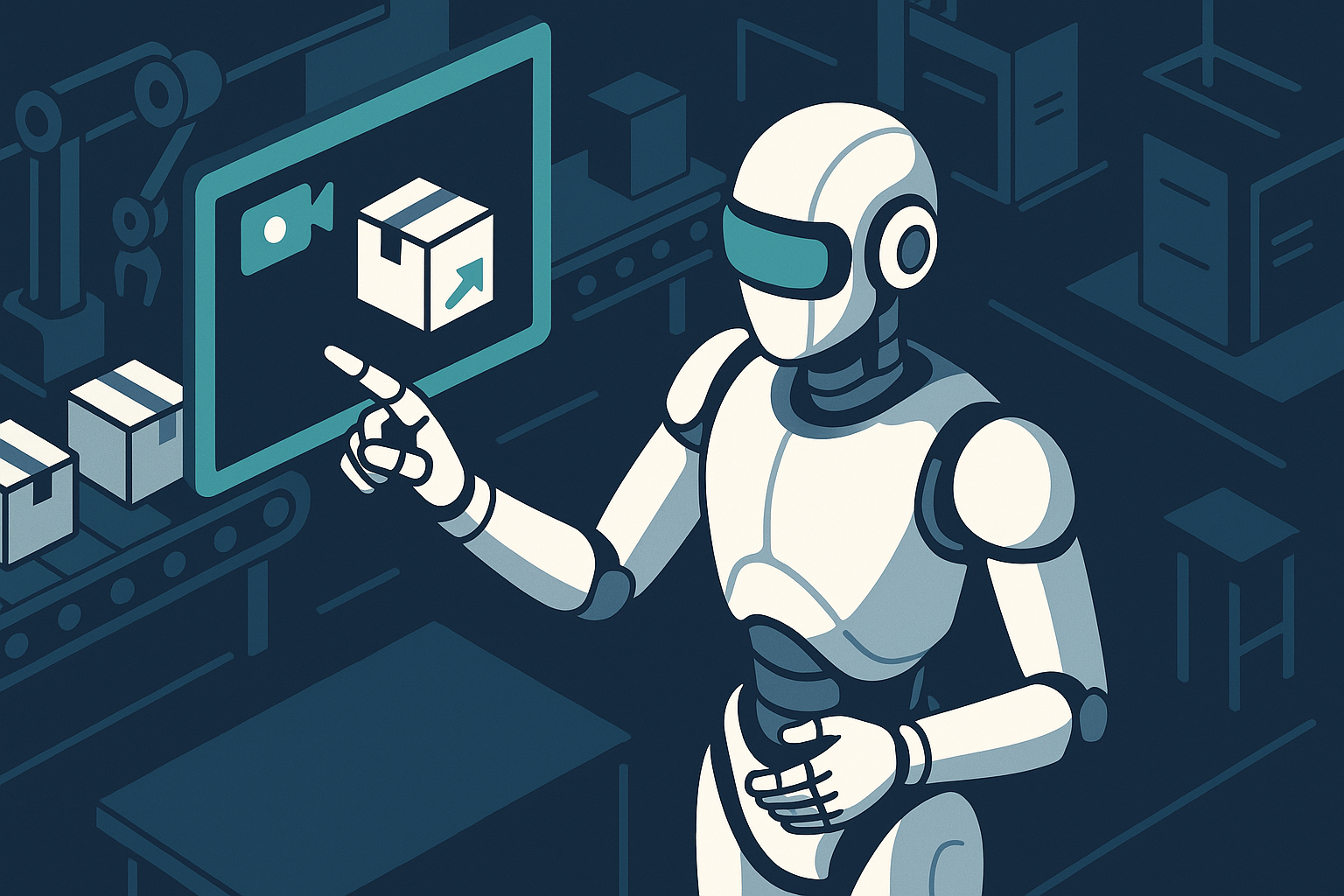
AI Empowers Real-Time Robotics: Google DeepMind’s Gemini ER 2
Google DeepMind’s Gemini Robotics ER 2 introduces real-time reasoning and task tracking for robots, integrating AI to perform actions seamlessly. This innovation opens new possibilities for multi-robot collaboration and industrial applications. Read more
-
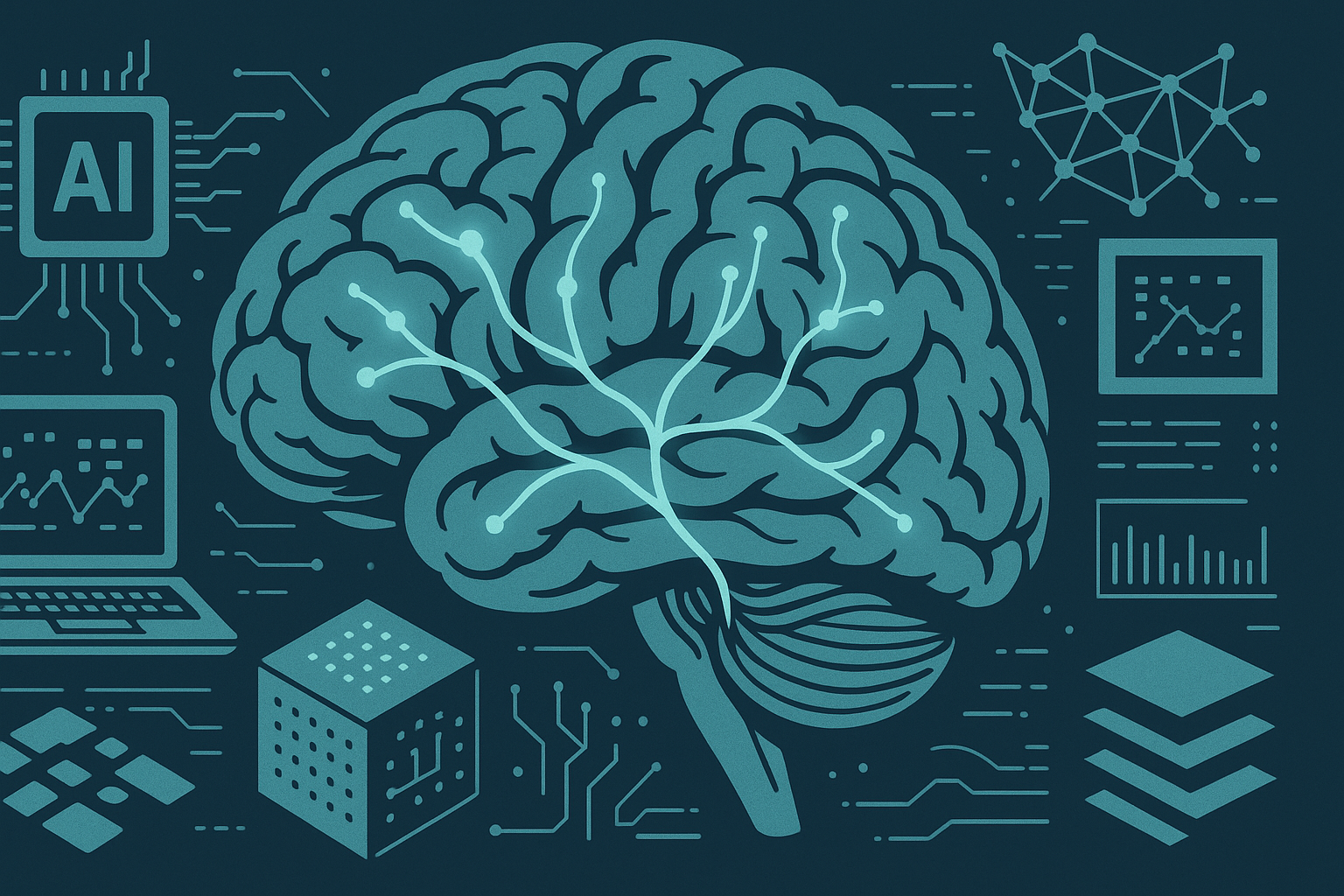
AI-Enhanced Neuroscience: Mapping the Human Brain at Unprecedented Scale
The Allen Institute for Brain Science has utilized AI to create the most detailed map of the human brain, revealing intricate neural connections. This breakthrough opens new research avenues for understanding neurological disorders and advancing brain-computer interface technology. Read more