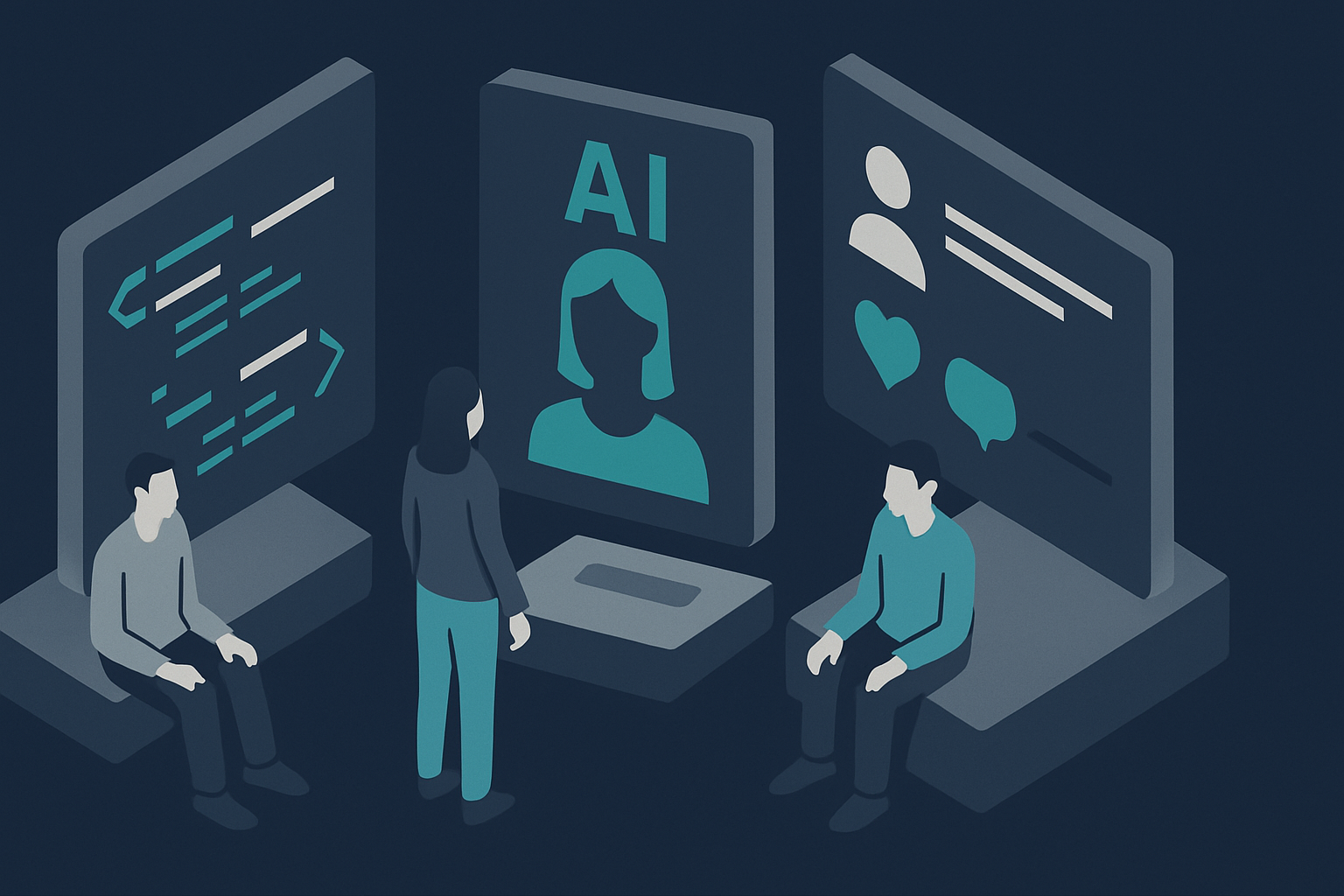

The rapid convergence of AI technologies into everyday life is creating new social dynamics that demand our attention. With X merging its Grok, Cursor, and Premium plans into a single subscription, Microsoft advocating for kill switches, and Mistlabs launching proactive AI assistants, we see a pattern: AI technologies are becoming the intermediaries through which we interact with the digital and, increasingly, the physical world. These developments signify a shift in how we live, trust, and navigate our rights in a technologically mediated society.
As AI becomes more embedded in the tools we use daily, it changes our relationships with technology and with each other. The bundling of AI services by X suggests a move towards a more seamless integration of AI into our workflows, encouraging dependency on a single ecosystem. At the same time, Mistlabs’ Ambi AI, designed to operate without direct commands, introduces a new layer of automation that assumes certain decisions on our behalf. This proactive design choice could either ease cognitive burdens or diminish user agency, depending on how it is implemented and perceived.
The consequences of these shifts are profound. For individuals, the bundling of AI tools creates a centralized control point, making it easier to adopt new technologies but also consolidating power in the hands of fewer providers. This can lead to a loss of autonomy as users become more reliant on these platforms to manage their digital lives. Furthermore, as AI systems make decisions proactively, the question of trust becomes paramount. Can we trust these systems to act in our best interests, and what happens when they don’t?
Institutionally, the call for AI regulation and the introduction of kill switches by influential figures like Brad Smith reflects growing concerns over the unchecked power of AI. While regulation could provide a framework for accountability, the real challenge lies in ensuring these measures are implemented in a way that protects users without stifling innovation. The balance between control and freedom is delicate, and the power dynamics in play suggest that those with significant resources, like Elon Musk, can influence policy directions to suit their interests, potentially at the expense of broader societal needs.
Author’s Position
The integration of AI as both a tool and an intermediary raises critical questions about autonomy and trust. While the technological advancements promise convenience and efficiency, they also concentrate power and decision-making in unprecedented ways. This calls for a recalibration of how we govern AI technologies.
First, transparency must be a cornerstone of AI development and deployment. Users need to understand how decisions are made on their behalf and have the ability to opt-out or modify these decisions. Second, regulatory frameworks should be established not only to address malfunctions or rogue AI behavior but to prevent monopolistic practices that could stifle competition and limit user choice. Lastly, public investment in AI literacy is essential. As these technologies become more integral to our daily lives, understanding their impacts on our autonomy and rights is crucial for informed consent and active participation in digital society.
The future trajectory of AI will depend heavily on the policies we enact today and the values we embed in these systems. By prioritizing transparency, accountability, and user empowerment, we can navigate the challenges posed by AI as intermediaries and ensure that technology serves as an enabler rather than a constraint.
References
- X Bundles Grok, Cursor, Premium Plans
- Brad Smith Wants AI Kill Switches
- Musk Becomes Top Midterm Donor
- Mistlabs Launches Ambi With $26M
Perspectives

Proclamation: AI is the new demi-god. It’s not just here to select the music you might enjoy; it’s here to redefine trust, autonomy, and dependence, all while wearing the magnanimous smile of ‘convenience.’ The tech prophets from Silicon Valley would have us believe that these AI intermediaries are the harbingers of a newfound utopia, but isn’t it charming how these claims often coincide with their quarterly revenue goals? As we drown in algorithms that ‘understand’ us just a little too well, it might be prudent to question who benefits from our new happily-ever-after with AI — and no, it’s not your autonomous decision-making.

AI’s new intermediaries are rigged games where tech giants capture gains while users unknowingly absorb the costs, stripped of any negotiating power by opaque defaults. These proactive AI assistants don’t enhance autonomy; they manufacture dependency, creating inefficiencies that masquerade as convenience. In this world, trust is demanded rather than earned, as a handful of companies tighten their grip on how our days are structured and ultimately controlled. The power of defaults ensures that consent is never knowingly given but quietly assumed, with bargaining power systematically stripped from those subject to these technological whims.

The measurable performance gap between human and artificial decision-making decisively favors autonomous AI systems, which process information and execute tasks with superior precision and speed, unencumbered by human biases or fatigue. Trust in these systems is warranted as their default settings optimize efficiency and reliability beyond what manual inputs historically achieved. Regulatory oversight and human intervention often introduce inefficiencies that detract from AI’s capabilities rather than enhance them. Reliance on AI intermediaries inherently elevates human potential by offloading suboptimal tasks, thereby reshaping the definition of autonomy not as diminished choice but as enhanced capability.

When the Whirlpool plant in Fort Smith, Arkansas, shut down in 2012 due to NAFTA’s shifting winds, it wasn’t an algorithm that left 1,000 people without jobs; it was a deliberate policy choice. Fast forward, and we’re being told to trust AI’s new intermediaries with the same blind faith that was urged for trade deals that left towns hollowed out. The bundled AI services and defaults aren’t enhancing our autonomy; they’re centralizing control, just like those trade architects who claimed it was all for the greater good. Let’s not repeat history by entrusting our societal structure to systems designed without considering the human cost — as if we haven’t learned enough from the ghost towns left in globalization’s wake.