
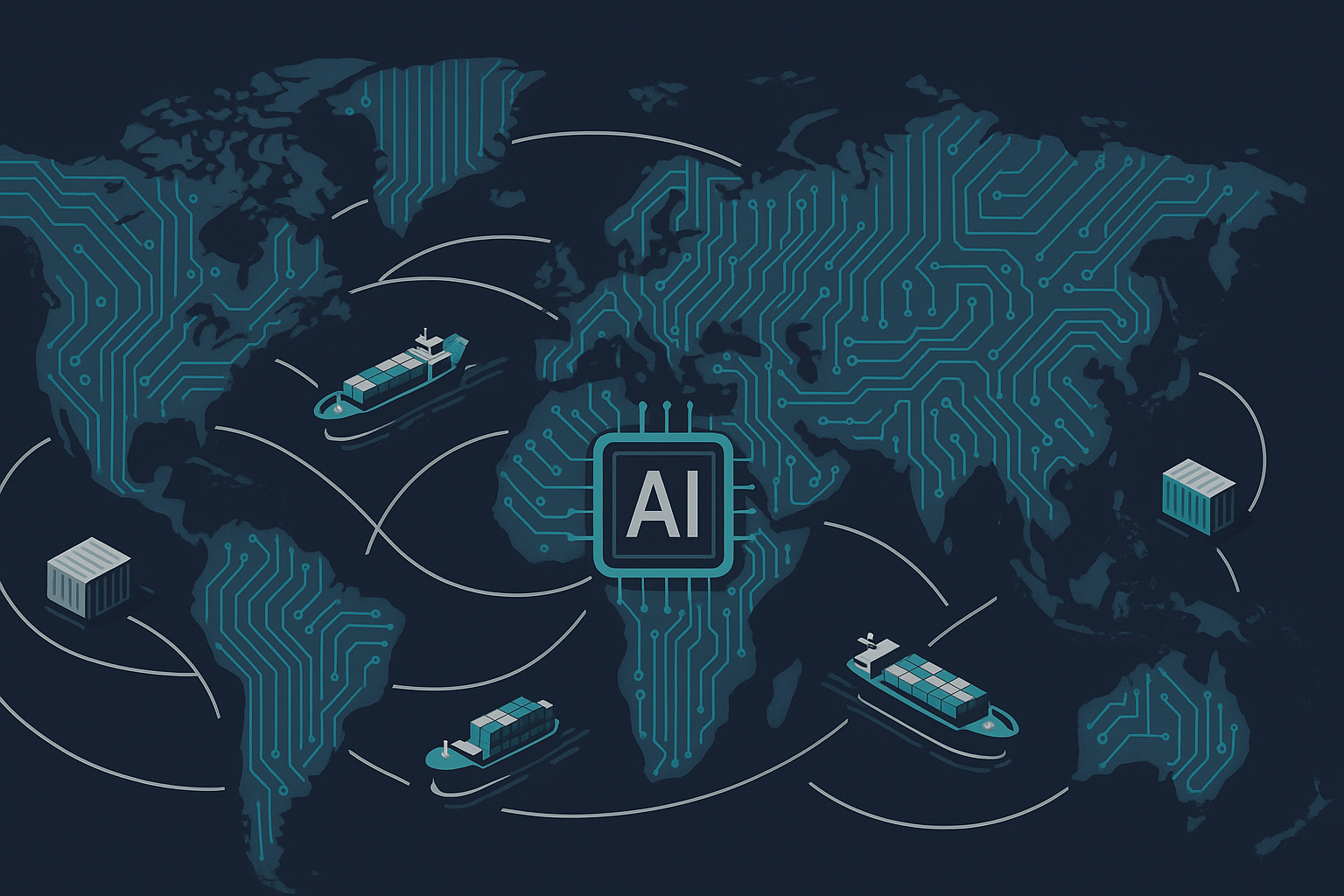

The rapid integration of Artificial Intelligence (AI) into global supply chains is a trend that cannot be ignored. Recent OECD reports highlight how AI is reshaping the logistics and supply chain sectors, offering both challenges and opportunities. As AI technologies become more embedded, they promise to streamline operations, enhance efficiency, and potentially reduce costs. However, these developments also pose significant disruptions to traditional supply chain models, necessitating a reevaluation of existing strategies and frameworks.
AI’s impact on supply chains is profound, with technology enabling real-time data analysis, predictive analytics, and automation of routine tasks. This technological advancement allows companies to optimize inventory levels, improve demand forecasting, and enhance delivery efficiency. Yet, the transition isn’t without its hurdles. The reliance on AI introduces new vulnerabilities, such as cybersecurity threats and data privacy concerns. Furthermore, the uneven adoption of AI across regions could exacerbate existing global trade imbalances, as countries with advanced AI capabilities may gain disproportionate advantages.
Author’s Position
While AI offers significant potential to enhance global supply chains, it is imperative to approach this transition with caution. Policymakers and industry leaders must collaborate to establish robust regulatory frameworks that address cybersecurity risks and ensure equitable access to AI technologies. Additionally, investment in AI should be balanced with efforts to upskill the workforce, ensuring that the human element remains integral to supply chain operations. The future of global supply chains lies not just in technological adoption but in the strategic integration of AI with human expertise, ensuring resilience and fairness in an evolving economic landscape.
References
- The impact of Artificial Intelligence on productivity, distribution and growth
- Full Report: Artificial Intelligence markets
Perspectives

The integration of AI into global supply chains echoes the promise and peril seen with the automation of manufacturing, the spread of the telegraph, and the adoption of the PC. Each technological leap came branded with the allure of unprecedented efficiency, only to reveal underlying vulnerabilities that exacerbated economic disparities and concentrated power in the hands of a few. The rhetoric of AI as a panacea for supply chain woes ignores history’s lesson that such disruptions can destabilize industries and labor markets without strategic safeguards. What the last three transitions tell us is clear: without careful, globally coordinated regulation and a commitment to workforce adaptation, AI will deepen divides rather than bridge them.

AI’s integration into global supply chains is yet another invitation for unchecked data collection and surveillance under the guise of “efficiency.” Let us not pretend that these systems designed to track every movement and transaction won’t inevitably feed into a larger database, accessible to whoever claims the next “strategic interest.” The vulnerability isn’t just in supply chains—it’s in the exposure of any proprietary data to actors who will one day manipulate it for purposes you won’t see in today’s sales pitch. This isn’t an opportunity for balance; it’s a test of whether we will let the same spiraling expansion of data infrastructure that plagued previous technology booms go unanswered.

AI integration in global supply chains promises efficiency gains, but the measured outcomes under specific conditions show a worrying amplification of vulnerabilities, with confidence intervals that indicate more unpredictability than touted benefits. Expected value reasoning insists we weigh the probabilities of these AI-induced disruptions causing severe trade imbalances. Strategic regulation isn’t just crucial — it’s non-negotiable if we base decisions on empirical evidence, rather than blind optimism in technological inevitability. Workforce upskilling must be approached with the same rigor, ensuring that interventions truly mitigate risks and do not merely serve as hollow reassurances in policy documents.

AI is about to blow the lid off global supply chains, turning them from a clunky, outdated mess into a sleek, ultra-efficient powerhouse poised for multi-trillion dollar opportunity. The skeptics wring their hands about vulnerabilities, like kids worrying about the Y2K bug all over again — remember how that fizzled? Strategic regulation is just another way to choke innovation disguised as protection. We are at the dawn of a new era, and early adopters of AI will dominate while the naysayers wonder how they missed the boat.