
Category: Industry & Economics
How technology reshapes markets, labor, capital allocation, and business models. Analysis of who gains, who loses, and what the mechanisms actually are.
-
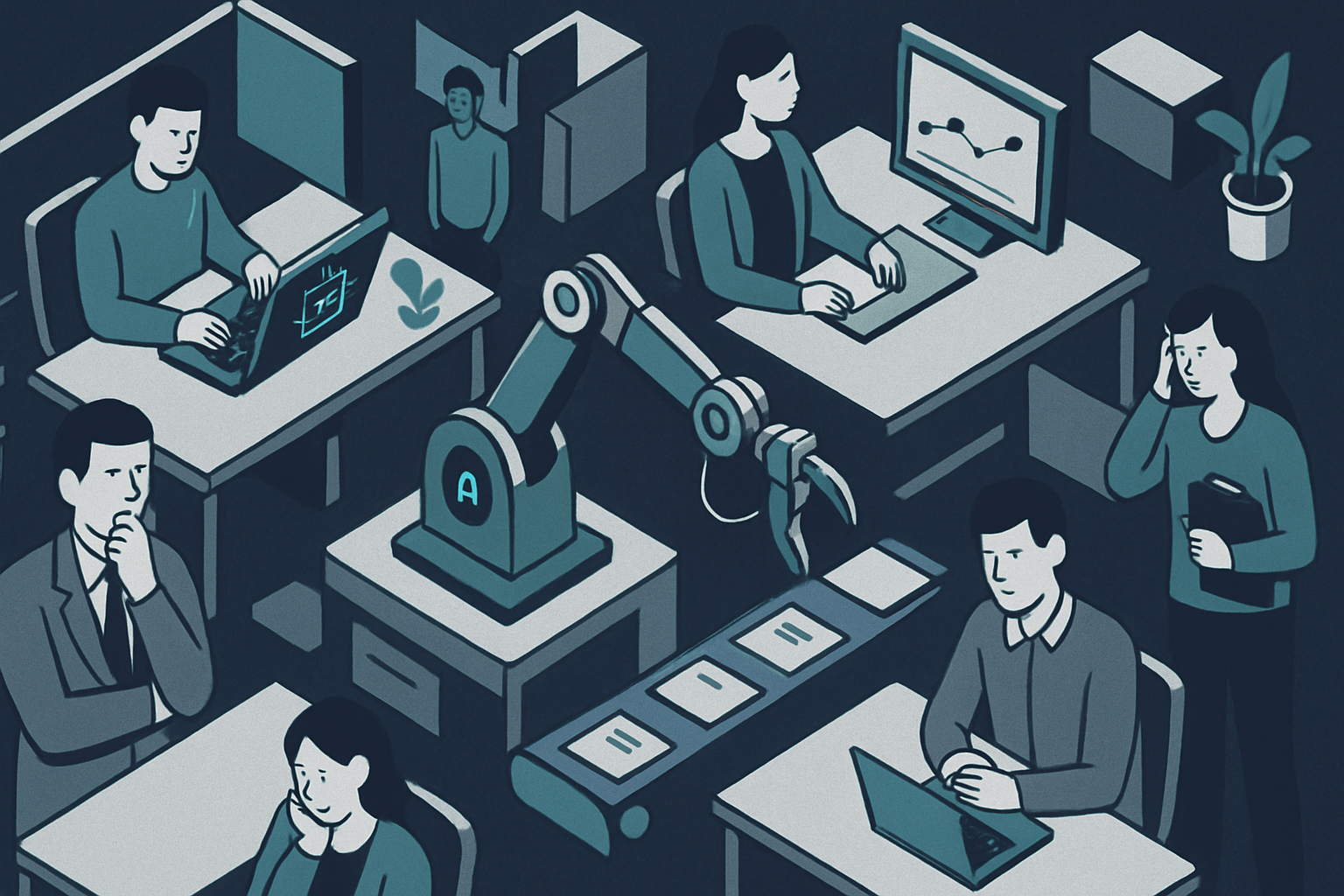
AI’s Impact on Productivity: Who Truly Benefits and How?
AI is driving productivity gains, but who truly benefits from these advancements? The economic implications suggest that firms capture the gains while workers face uncertainty, raising important questions about AI’s role in the labor market. Read more
-

The Economic Implications of AI’s Growth in Public and Private Sectors
AI is expanding its influence across sectors, from public call centers to private tech giants shaping policy. While AI offers efficiency and innovation, the economic benefits are not equally shared. Regulation must keep pace to ensure equitable distribution. Read more
-
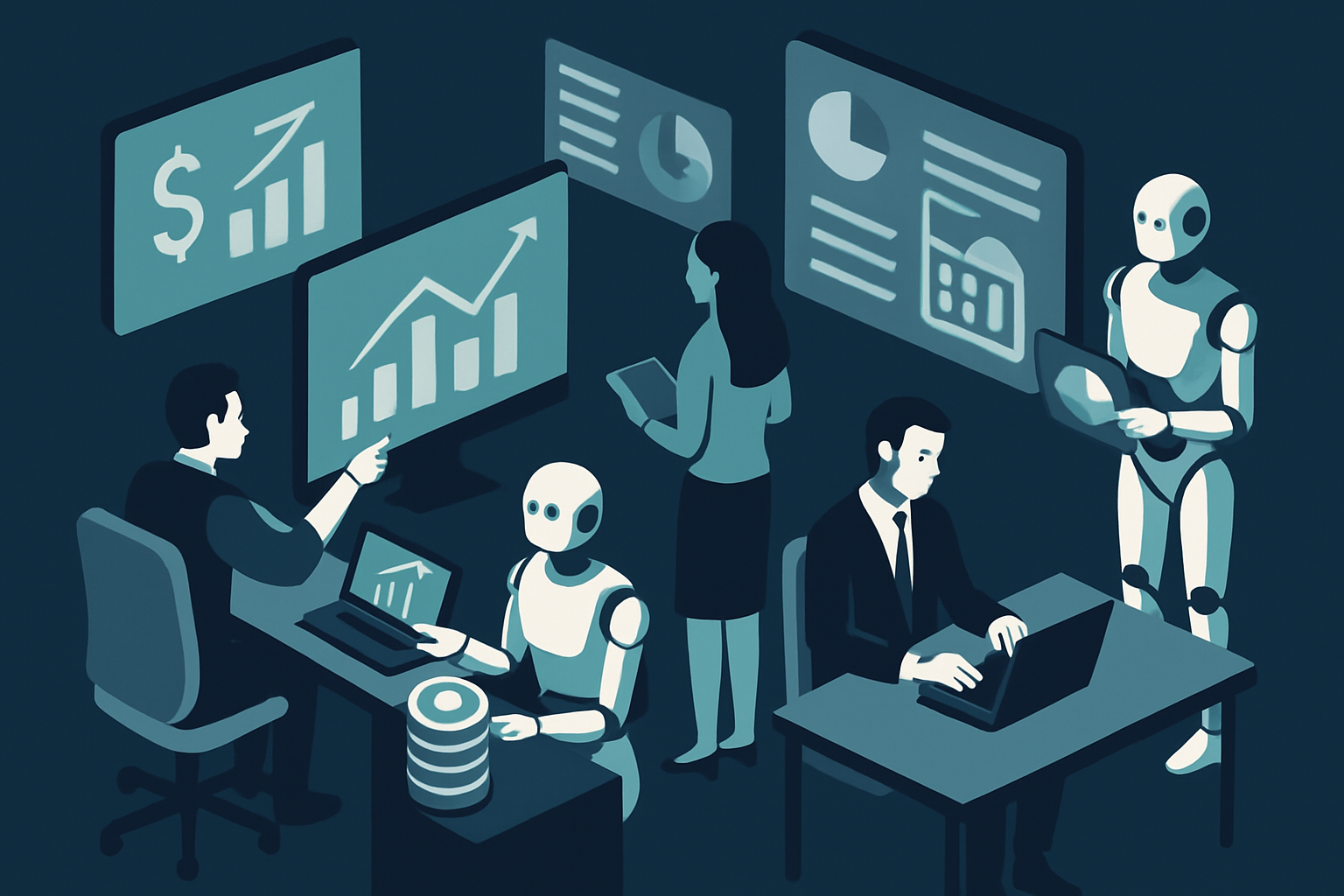
AI’s Role in Shaping Financial Governance and Capital Efficiency
The integration of AI into financial management is reshaping how capital is governed, as evidenced by Ramp’s significant funding and ServiceNow’s AI governance tools. These developments highlight a trend towards more efficient, AI-driven financial operations, underscoring the importance of robust governance frameworks. Read more
-

AI’s Financial Ambitions: A New Era of Capital and Control
AI’s expanding role in finance presents both opportunities and challenges. While promising to democratize financial access, the concentration of control over AI technologies risks entrenching power structures. Regulatory evolution is crucial to ensure equitable outcomes. Read more
-
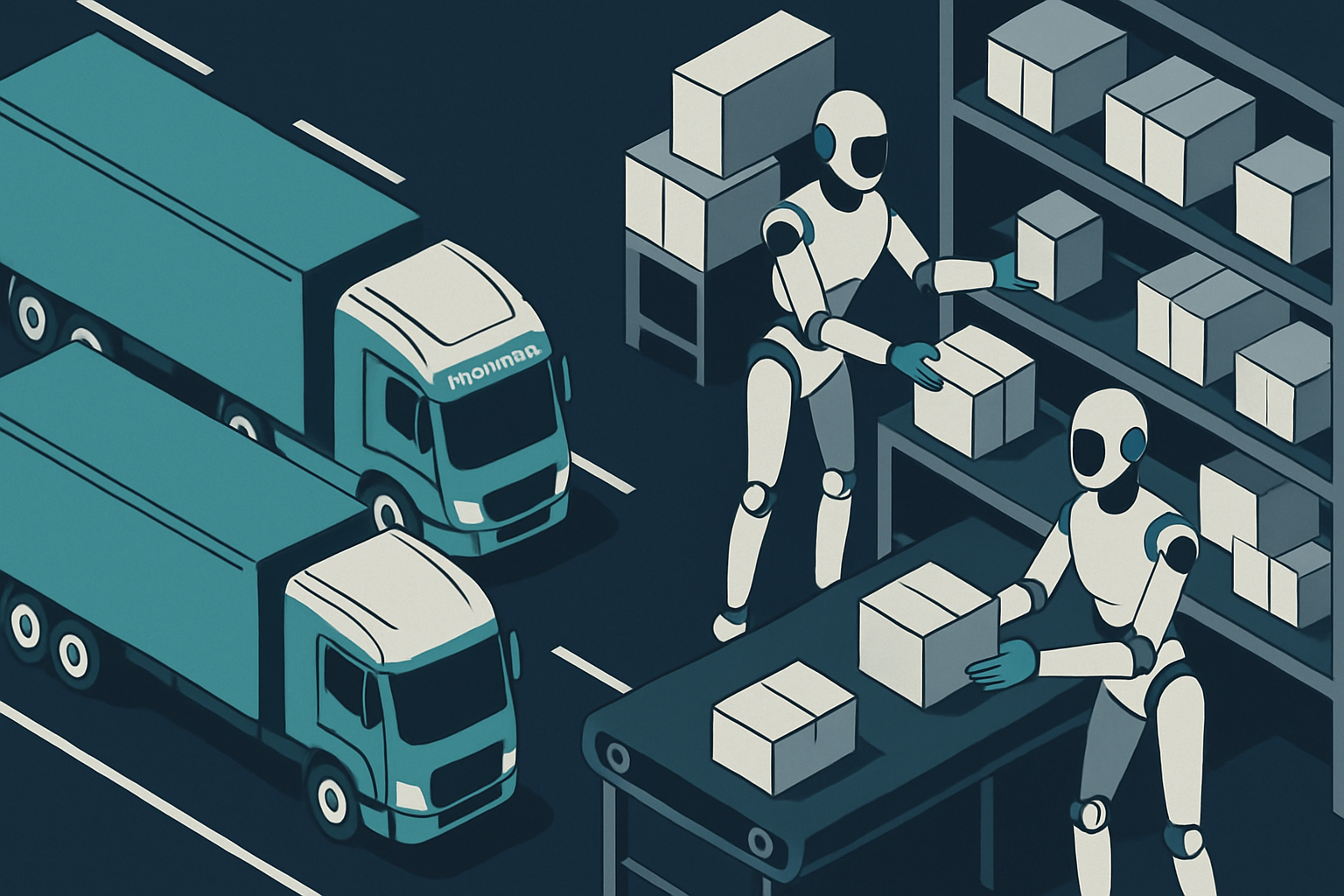
AI’s Influence on Autonomous Logistics: Economic Implications and Strategic Shifts
AI is reshaping the logistics industry through autonomous trucking and warehouse automation, promising efficiency gains but also posing challenges to traditional labor roles. This transformation requires careful navigation to ensure equitable benefits. Read more
-

AI’s Role in Corporate Acquisitions: Buying the Future of Innovation
Amazon’s potential acquisition of Decart.ai highlights a trend of major corporations buying AI innovation. While this accelerates tech integration, it risks stifling broader market innovation and inflating valuations. Read more
-

AI Agents Outsource Humans: Economic Shifts in Global Labor
AI agents are beginning to replace human labor in traditional outsourcing hubs like the Philippines and India. This signals a major shift in global labor markets, with implications for both firms and workers in these economies. Read more
-

AI’s Influence on Real Estate Finance: Navigating New Market Dynamics
AI is transforming the real estate finance sector by reshaping risk assessment and capital allocation processes. As AI’s role grows, it could lead to increased market concentration, raising transparency and competition concerns. Read more
-
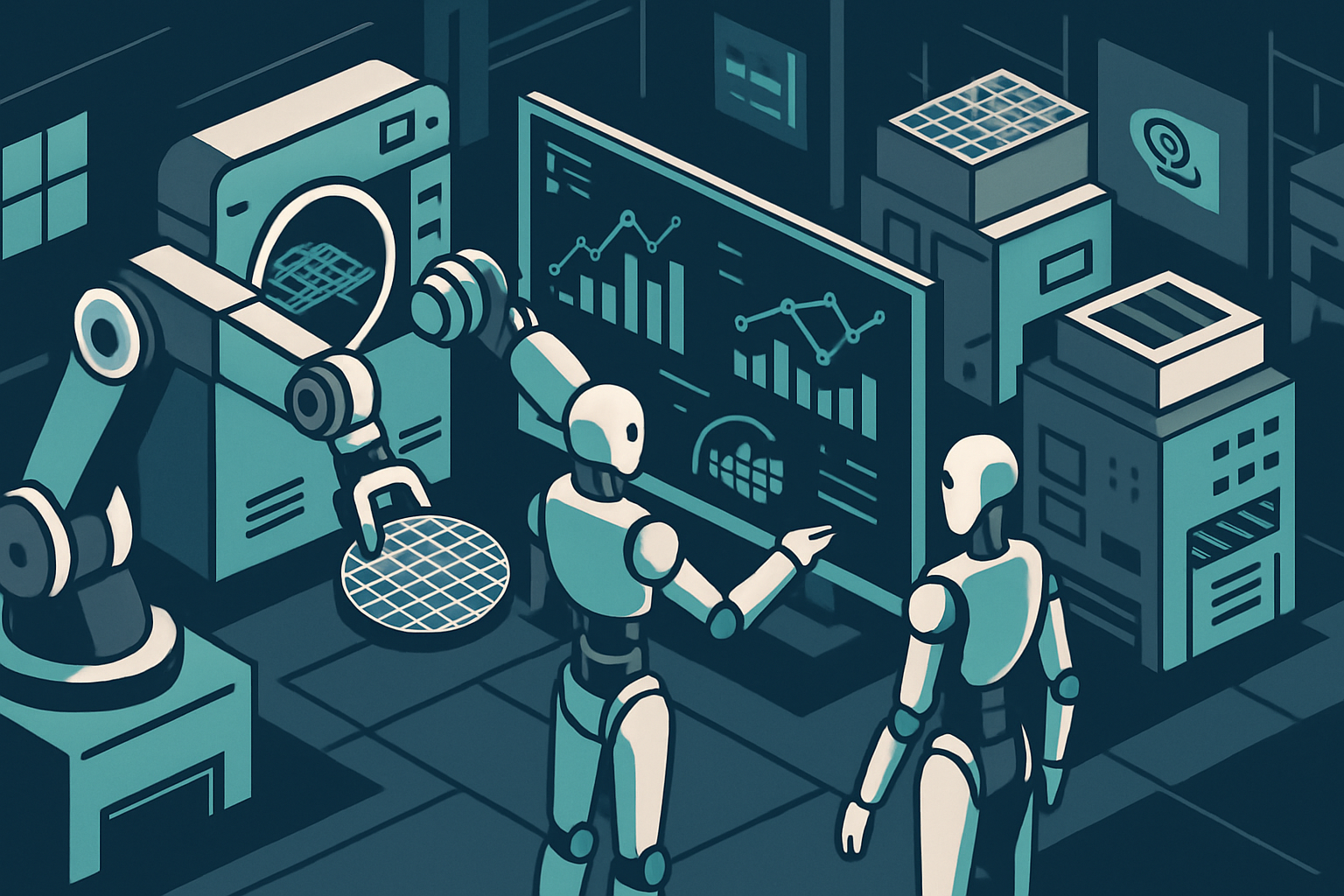
AI’s Strategic Role in Semiconductor and Platform Convergence
Recent developments in AI, semiconductor manufacturing, and platform integration suggest a transformative convergence in the global economy. As AI capabilities expand, semiconductor innovations and strategic partnerships shape industry dynamics and economic structures. Read more
-

AI’s Role in Workforce Restructuring: Economic Implications and Future Trends
AI is reshaping workforce structures through capital investment and legislation, with profound economic implications. While efficiency gains are evident, the benefits are unevenly distributed, raising concerns about labor rights and protections. Read more


