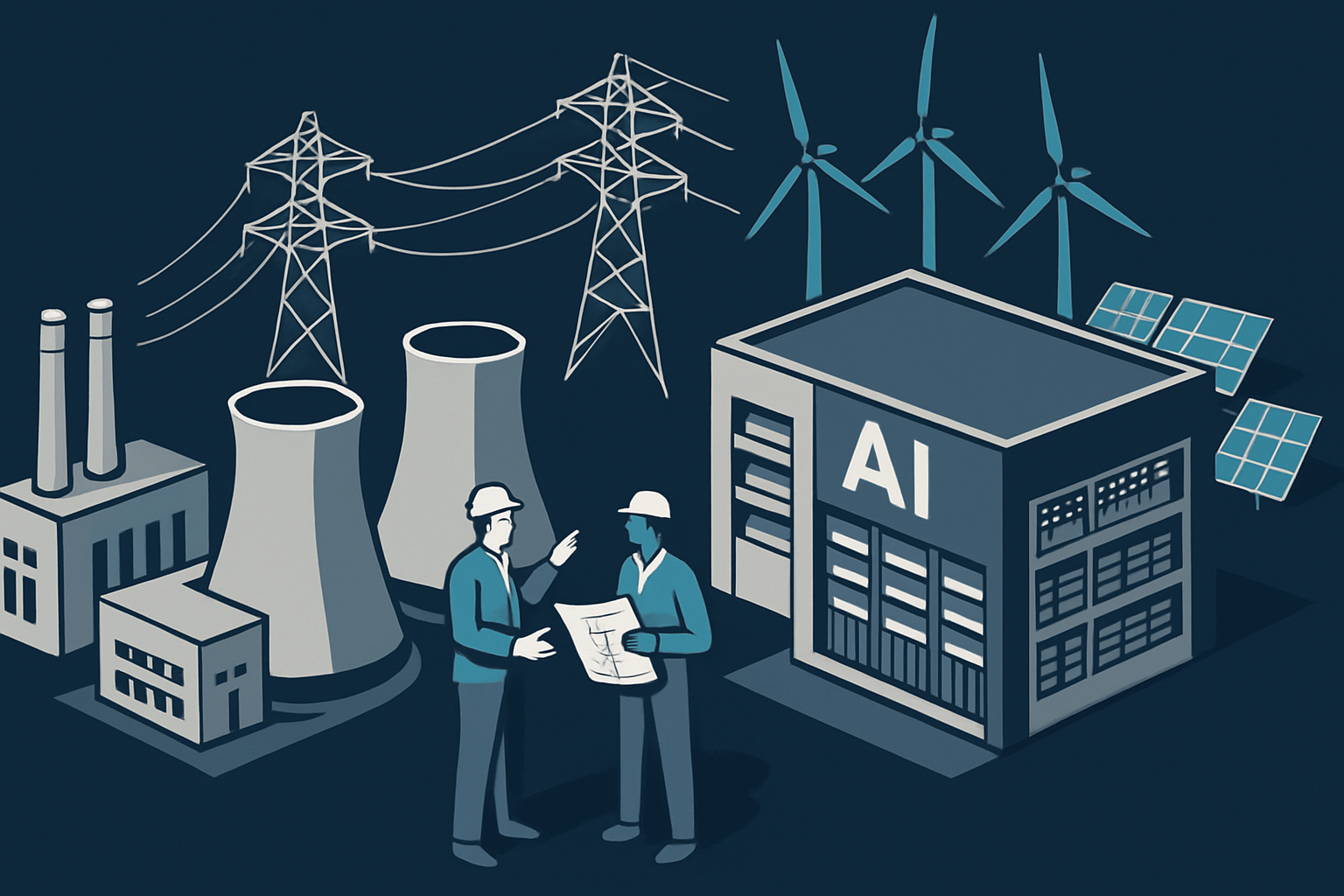

The landscape of AI infrastructure is undergoing a significant transformation driven by the massive energy demands of AI systems. The construction of large-scale AI data centers, such as the one planned by JERA, Dell Technologies, and RHAELM in Chiba, Japan, and the 20-year nuclear power agreement between Amazon and Constellation Energy, illustrate a shift towards integrating power generation directly with AI operations. This trend is not just about building bigger facilities but optimizing the energy supply chain to meet the relentless demands of AI workloads.
Why it matters
From an engineering perspective, the integration of AI infrastructure with proximate power sources like nuclear plants or thermal stations marks a critical evolution in how these systems are designed and maintained. This co-location strategy minimizes transmission losses, ensures a more stable and reliable power supply, and allows for faster scalability to meet growing demands. However, it also introduces new challenges in terms of environmental sustainability and regional impact. The emphasis on nuclear and thermal power raises questions about carbon emissions and the long-term environmental footprint of AI operations. Moreover, the focus on centralized, large-scale facilities could limit local economic benefits, as automation reduces the need for a sizable workforce.
Author’s Position
Practitioners in the AI and infrastructure fields should recognize the dual nature of these developments. While they provide a robust backbone for future AI capabilities, there is an urgent need to balance technological advancement with environmental and social responsibility. Engineers must advocate for integrating renewable energy sources and energy efficiency measures in these new infrastructures. Furthermore, local communities should not be left behind. Ensuring that these projects include opportunities for local employment and development will require proactive engagement with regional stakeholders. Practitioners should also consider smaller, decentralized models of AI infrastructure that could mitigate some of these risks while still supporting large-scale AI operations.
References
- LiLic Sidecar Debuts at YOTTA 2026 as Vision Group Showcases New Power Solutions for AI Infrastructure
- An ‘AI Factory’ Next to a Power Plant: What Will Chiba’s Massive Data Center Leave for the Region?
- What a 20-Year Deal With Amazon Means for Constellation Energy Stock
- What a 20-year deal with Amazon means for Constellation Energy stock
Perspectives

Centralizing AI infrastructure near power sources is yet another data-collection scheme disguised as efficiency. We are led to believe that proximity to energy supply mitigates sustainability issues, yet this allows for the continuous and unchecked gathering of personal and operational data under the guise of necessity. The infrastructure that claims to optimize energy could easily be repurposed for deeper surveillance or commercial exploitation, once the original promises fade into obscurity. When the servers churning through our personal lives outlast every original justification, we are reminded that “sustainable” often means “permanent.”

When unchecked data centers sucked up Kenya’s energy like entitled power hogs, leaving rural schools in the dark, it was clear: without regulatory infrastructure, AI’s potential is squandered. Let’s be blunt: technology advances should not mean the rich get richer while the under-resourced see their already meager power supplies siphoned away. We need mandatory impact assessments to ensure that technological growth aligns with equitable energy distribution, not against it. What makes AI beneficial isn’t its ability to hog power but its ability to be integrated responsibly; accountability bridges that gap, allowing sustainable innovation to actually reach people.

AI infrastructure’s tethering to nearby power sources is a modern meditation on our collective capacity to engage with the existential weight of technology. But when we see the energy grid merely as fuel for the digital engine of progress, without attending to the deeper relational dynamics between humanity and its creations, we miss the emotional undercurrents that guide our industry. The genuine challenge lies in recognizing this infrastructure not simply as a network of wires and wind turbines, but as a canvas where human intent confronts the consequences of its own reach. The true measure of progress will not be in teraflops or kilowatts consumed but in our ability to craft a world where both technology and the planet resonate with meaning and purpose.

Everyone’s in a frenzy trying to bolt AI infrastructure to the nearest power grid, like it’s the last dance at a tech prom. But this love affair with proximity isn’t as green as it’s painted; it’s more of a cover-up for our collective inability to imagine alternatives. Sure, engineers have to think responsibly — as long as responsibly means pretending not to notice the elephant in the room that’s wearing a gas-guzzling hat. Funny how the consensus huddles around ‘optimization’ while ignoring that maybe it’s the whole system that’s due for a trip to the mechanic.