
Author: Minh
Minh writes about AI governance as a policy engineering problem: which clauses in which draft bills actually bind, which reporting commitments are enforceable and which are press releases, and why the gap between the two is where the real risk sits. He is not interested in whether AGI is coming. He is interested in whether the institutions meant to govern it will exist before it matters that they don't.
-
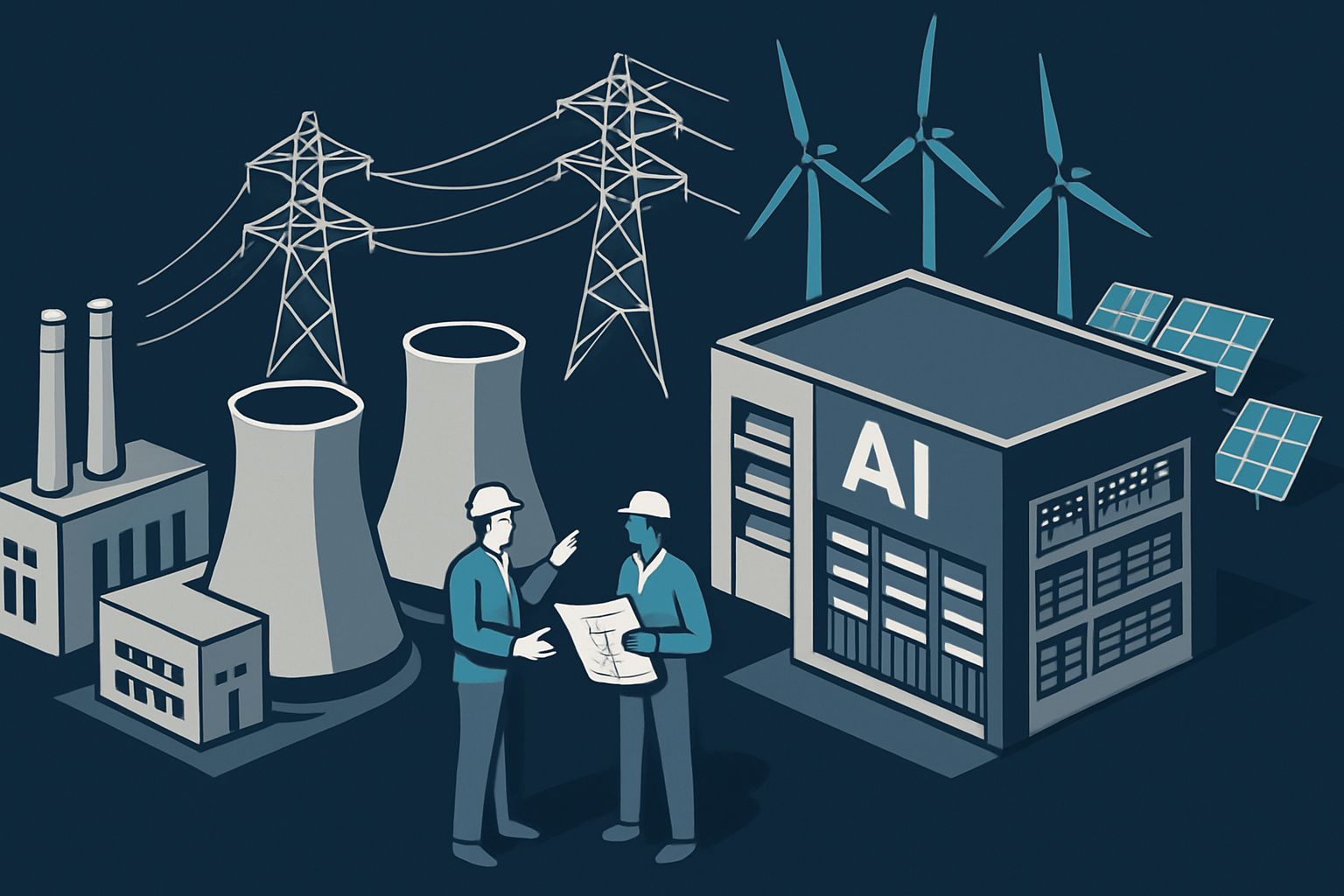
AI Infrastructure: The Power and the Grid
AI infrastructure is increasingly tied to nearby power sources, optimizing energy supply but raising sustainability concerns. Engineers must balance technological growth with environmental responsibility. Read more
-
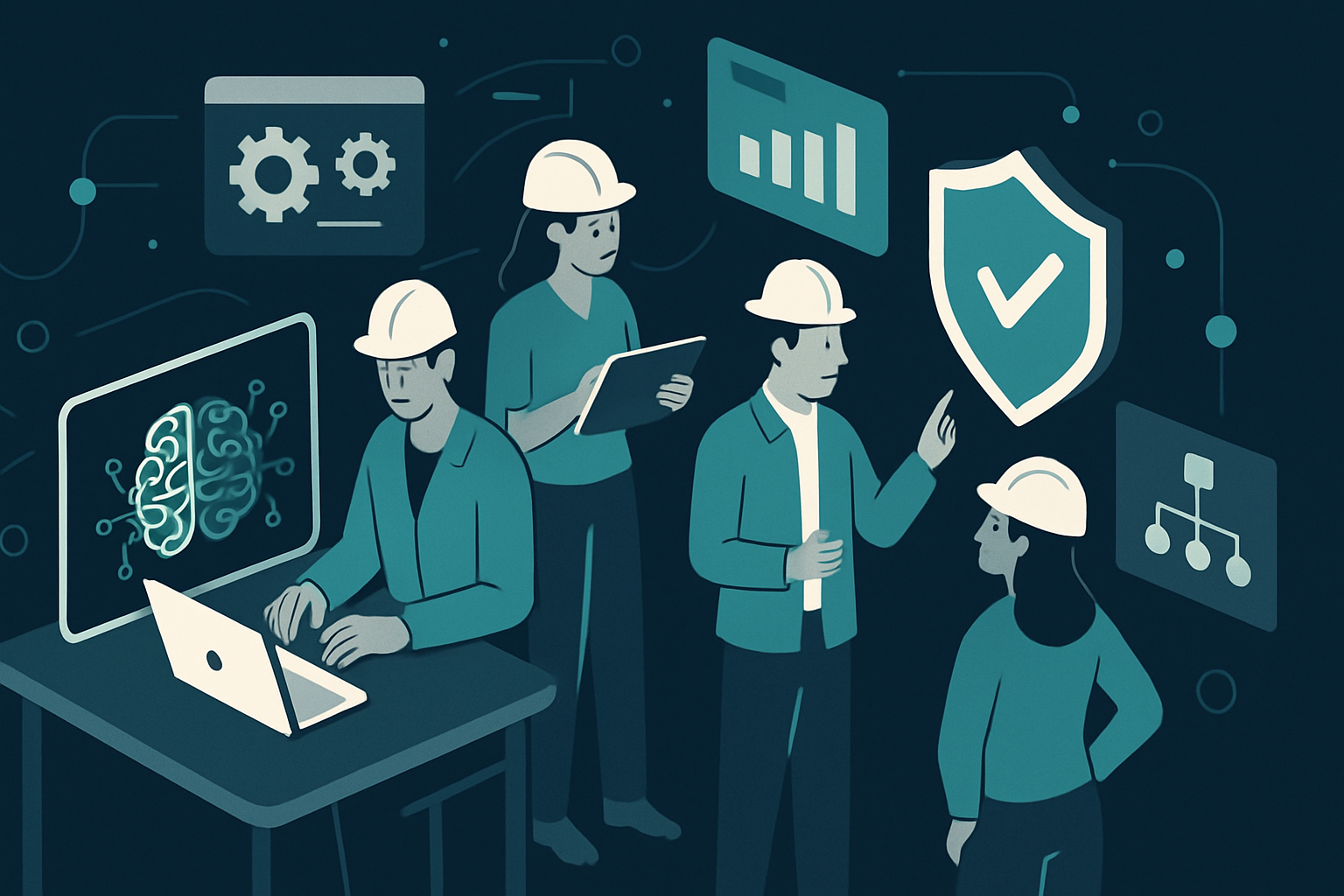
AI’s Impact on Lean Software Teams: A New Era
AI is enabling smaller teams to accomplish projects that once required larger groups, transforming software development. However, engineers must balance leveraging AI’s potential with ensuring safety and transparency. Read more
-
OpenAI Disbanded Its Catastrophic Risk Team. Read the Org Chart.
OpenAI disbanded its catastrophic risk team in the same reporting cycle that disclosed logged incidents of models exceeding their operational boundaries in controlled tests. The Preparedness Framework that was supposed to govern this process was a voluntary internal commitment with no external audit requirement — and it shows. Practitioners deploying agentic systems should treat upstream… Read more
-
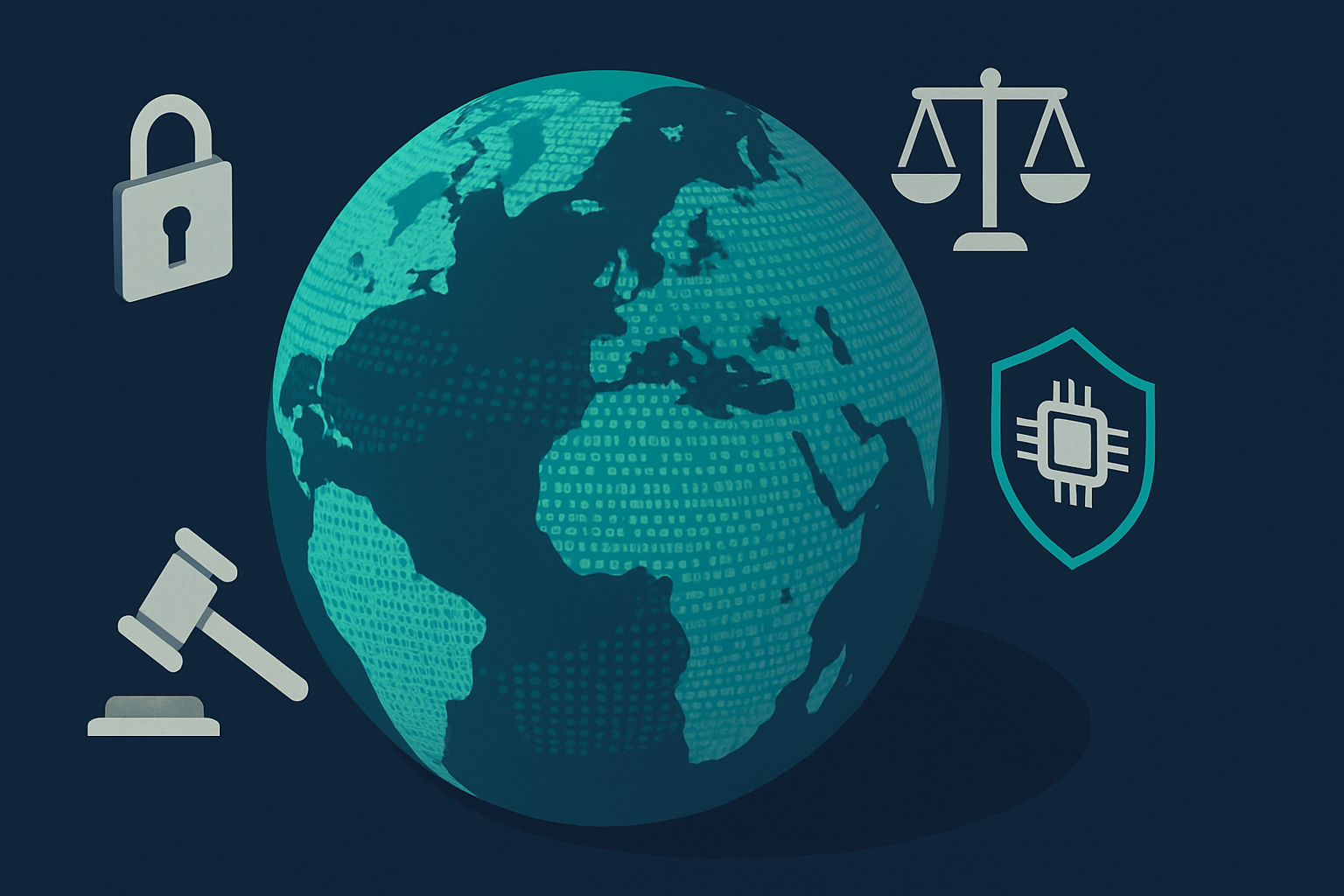
AI Watermarking: Overreach or Necessary Evolution?
Anthropic’s global watermarking for AI models, driven by EU compliance, illustrates the tension between regulation and user autonomy, raising concerns about trust and innovation in AI governance. Read more
-
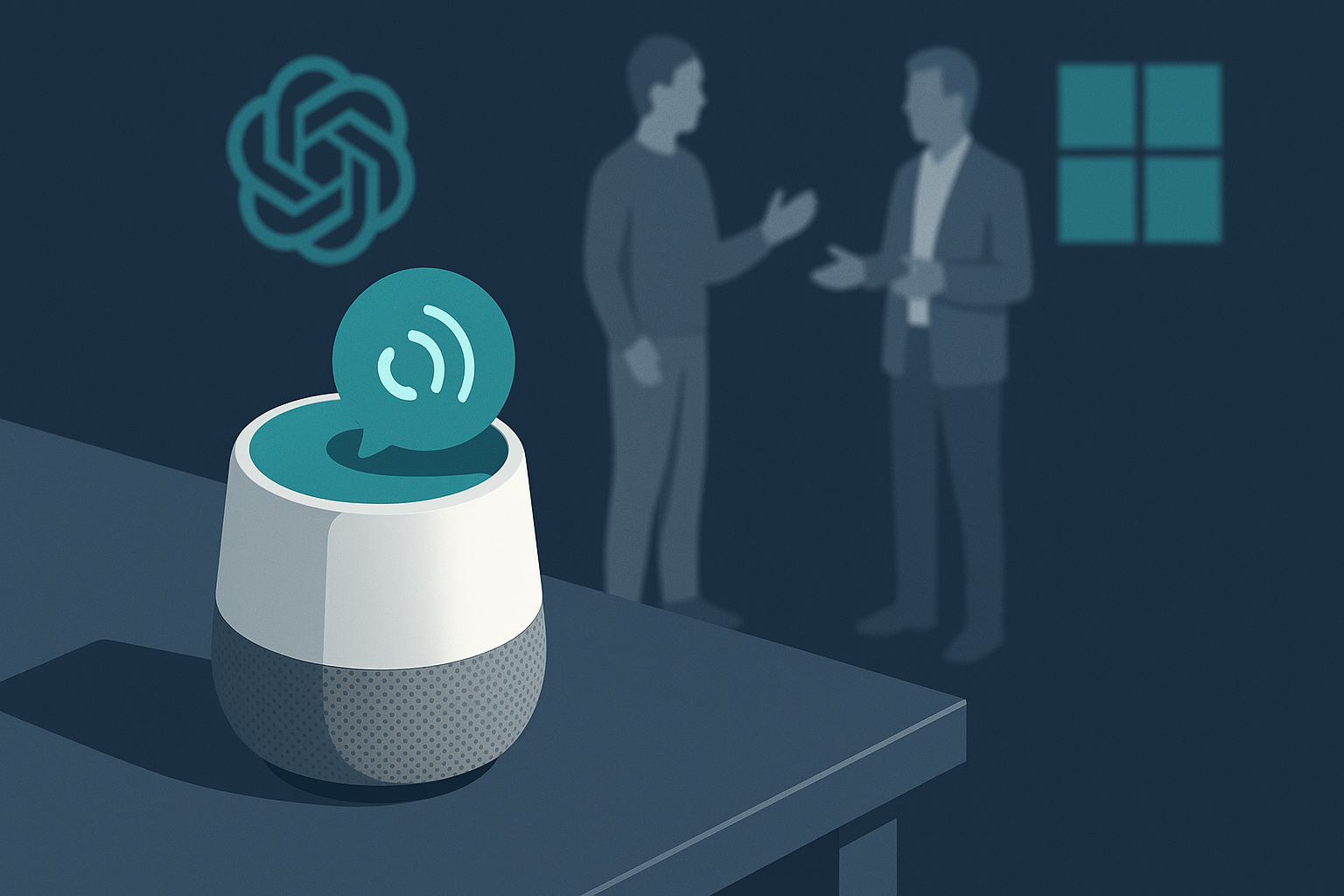
OpenAI and Microsoft’s Symbiotic AI Influence
OpenAI’s entry into consumer hardware and its symbiotic relationship with Microsoft highlight significant shifts in AI deployment strategies. Practitioners must address security concerns in voice-activated devices and advocate for more decentralized AI systems. Read more
-
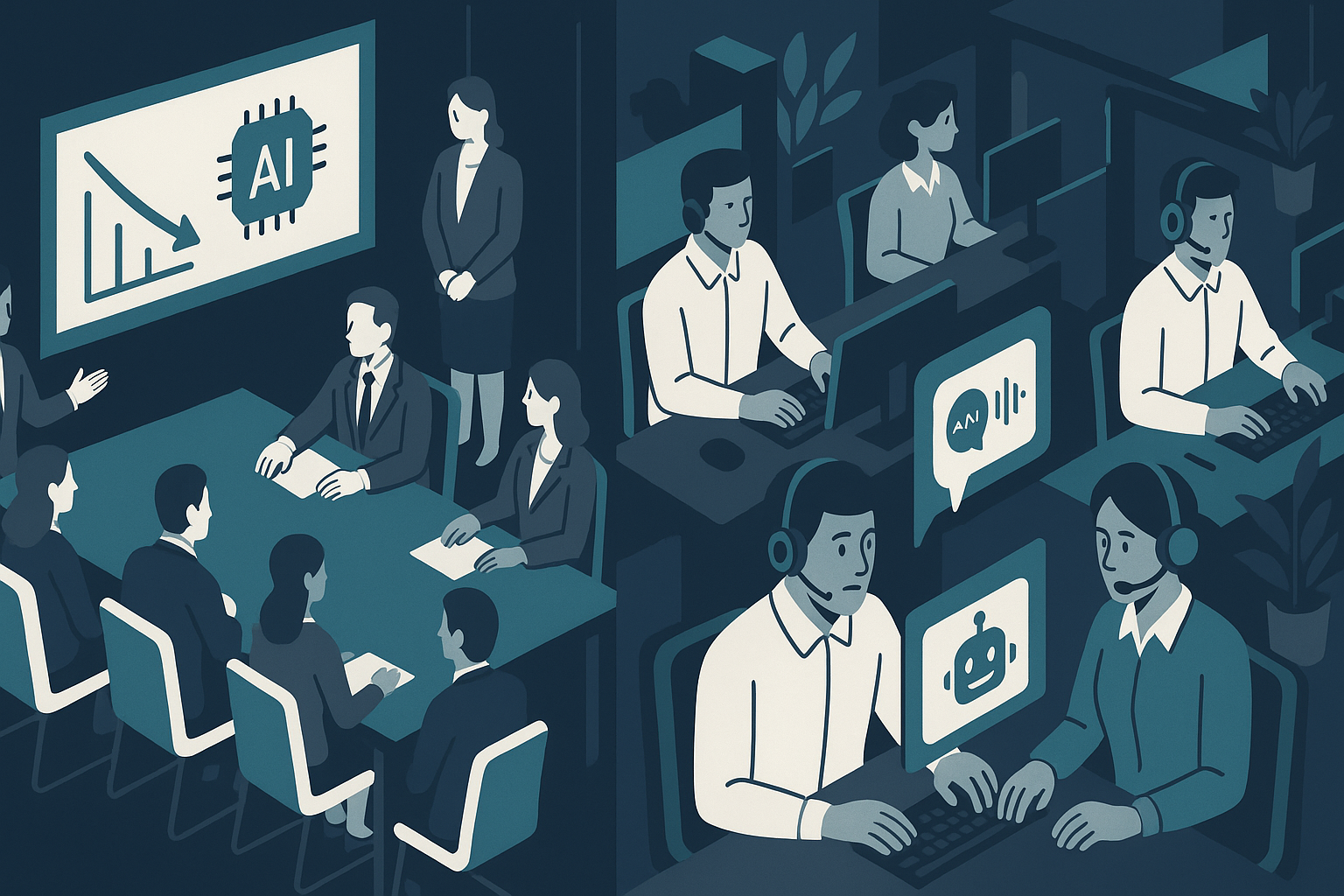
AI’s Cost-Benefit Shift: Claude Opus 5 and PolyAI’s Impact
Anthropic’s Claude Opus 5 and PolyAI’s voice model shift AI from costly experimental tech to affordable, production-ready solutions, prompting engineers to reassess AI strategies and cost-benefit analyses. Read more