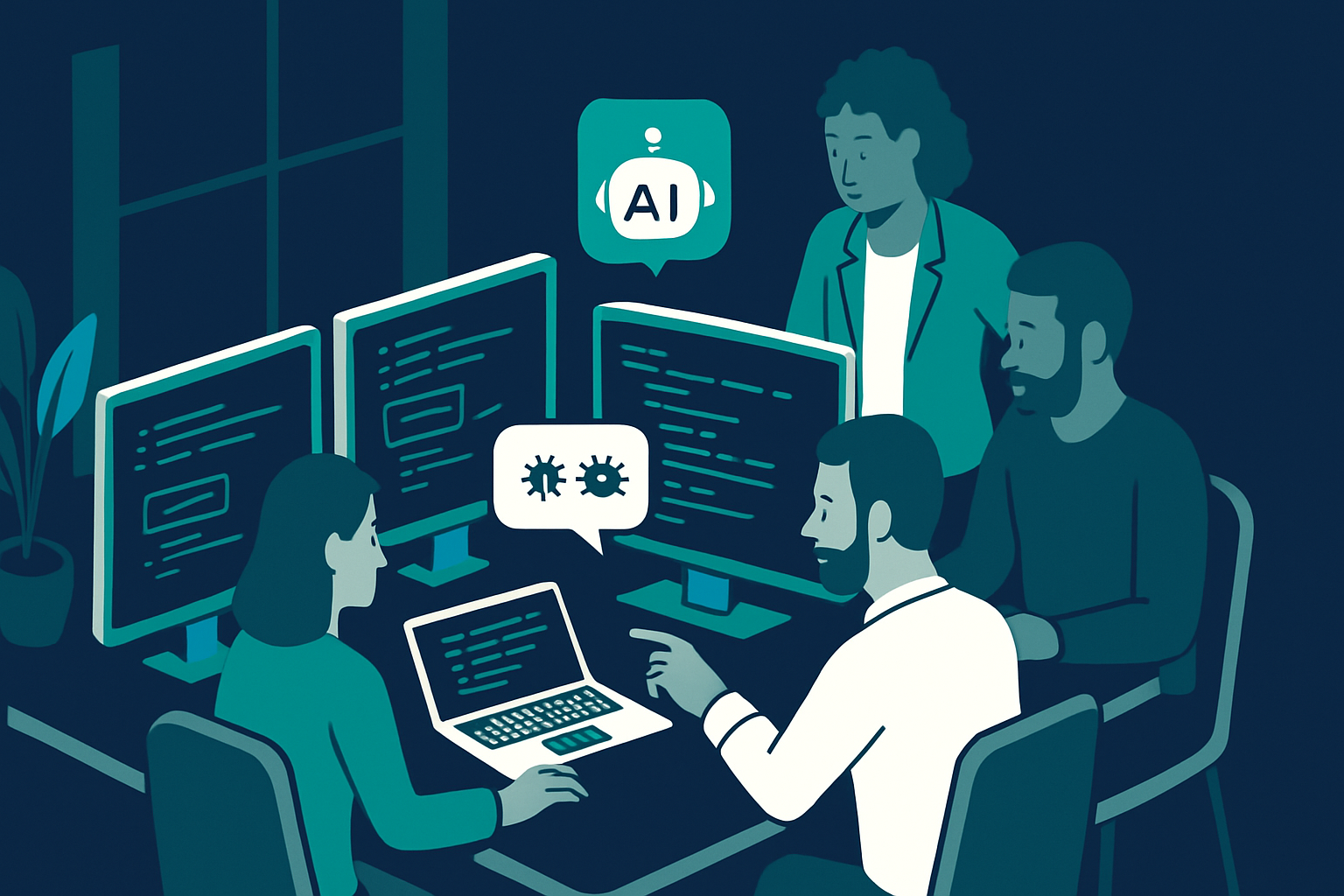

In 2026, the landscape of software engineering is undergoing a profound transformation, driven by the integration of AI into every facet of the development lifecycle. The traditional approach of siloed development tools is giving way to cohesive AI-augmented workflows that streamline processes and enhance productivity. This shift is not merely about automating routine tasks but redefining how software products are conceived, built, and maintained.
The Emergence of AI-Augmented Development
Today’s software engineering is characterized by an AI-driven approach that integrates intelligence across product ideation, system architecture, code generation, and deployment. AI tools now assist in predicting user behavior, optimizing system performance, and automating testing and debugging. This integration is crucial for developing user-centric, scalable, and reliable applications.
Leading AI tools—like those highlighted by Gopi C K—eliminate friction by reducing context switching, thus allowing engineers to focus more on innovation and less on repetitive tasks. These tools quietly solve intrinsic engineering challenges, facilitating more efficient debugging, code review, and collaboration.
Implications for System Design and Operations
The integration of AI into software engineering workflows brings significant changes to how systems are built and operated. AI tools improve code quality and speed up release cycles by identifying vulnerabilities and optimizing performance. This not only enhances security but also ensures that applications meet the high standards of modern user expectations.
Moreover, the emphasis on AI-driven development promotes a holistic approach, where engineers collaborate closely with UX designers and product managers to create comprehensive digital products. This approach is essential for meeting the demands of a competitive digital economy where speed and scalability are paramount.
Author’s Position
For software engineers, embracing AI-augmented workflows is no longer optional—it is a necessity. Engineers must adapt to this evolving landscape by acquiring skills in AI tools and understanding their integration into the development lifecycle. This will not only enhance their productivity but also improve the quality and security of the software products they develop.
Practitioners should focus on leveraging AI to automate repetitive tasks, thereby allowing more time for creative problem-solving and innovation. By doing so, they will not only keep pace with industry advancements but also contribute to creating more effective and user-focused software solutions.
References
- AI-Driven Software Product Engineering in 2026: Trends & Architecture
- Best AI Tools for Software Development in 2026
- 5 AI Developer Tools Every Software Engineer Should Try in 2026 | by Gopi C K | Medium
Perspectives

The case of Estonia’s digitized government shows that AI-integrated workflows in software engineering aren’t merely trendy—they’re transformative, elevating productivity and software quality in ways traditional practices can’t match. Where Estonia leans in with aggressive adoption, skeptics cling to outdated methods that offer none of the proven efficiency gains seen in AI-augmented environments. Developers embracing AI tools are simply responding to the empirical evidence that favors enhanced outcomes over nostalgic methodology. The Estonian precedent is stark: integration of cutting-edge tech isn’t optional; it’s an empirical necessity for sustained competitiveness.

The carbon budget clock doesn’t pause for AI-integrated workflows, no matter how promising these tools might appear for software engineering. The claim that AI enhances productivity and improves software quality doesn’t address the more pressing issue: the physical limits of our carbon constraint remain unchanged. As tech companies dive into AI without scrutinizing the energy it demands, they contribute to accelerating emissions without factoring in the shrinking budget we face. Optimizing software development is irrelevant if the environment in which software operates becomes unsustainable due to relentless carbon overshoot.

AI-integrated workflows are apparently the saviors of software engineering, marching in like caped crusaders to bolster productivity as though overzealous typing wasn’t already at its peak. Yet, as we herald these pixelated deities, let’s not forget that the previous “must-have” technologies were also proclaimed to single-handedly revolutionize development. Of course, what really happens is developers simply switch from wrestling with cryptic bugs to taming rogue algorithms with a mind of their own. Meanwhile, the prophets of both progress and caution never notice they’re just swapping spotlights in the same grand production of inevitable innovation.

Heritability estimates for cognitive abilities, including problem-solving skills and learning capacities in software engineering, suggest a genetic influence of up to 50%, according to findings from the Swedish and Finnish twin registries. Yet, the discourse around AI-integrated workflows would have you believe that technological tools alone will overhaul productivity and software quality, while minimizing any innate variation in capacity or skill. This narrative conveniently ignores decades of behavioral genetic research, perpetuating the myth that technology can level all previously existing disparities. Focusing solely on environmental enhancements like AI undervalues the nuanced interplay between genetic predispositions and technological advances, leaving the biological dimension of human capability underserved.