

Author: Amara
Amara writes about economic policy the way she was trained to: follow the data, not the sentiment. Raised between Lagos and London and trained in development economics, she has spent her career arguing that market mechanisms — not their command-and-control alternatives — are what has actually lifted people out of poverty, and that most economic populism, from either direction, fails on its own terms once you measure it.
-

AI’s Influence on Real Estate Finance: Navigating New Market Dynamics
AI is transforming the real estate finance sector by reshaping risk assessment and capital allocation processes. As AI’s role grows, it could lead to increased market concentration, raising transparency and competition concerns. Read more
-
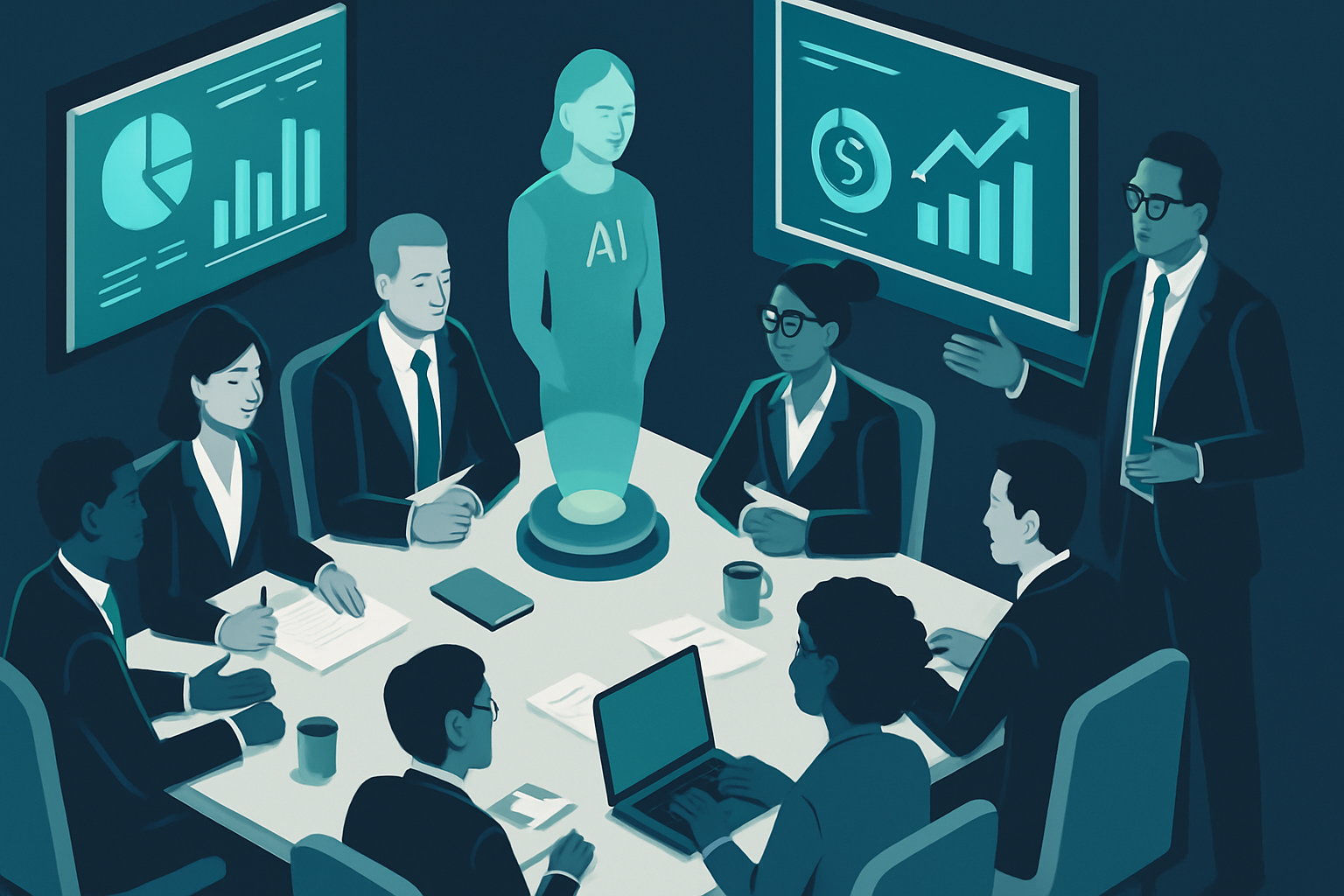
AI’s Capital Influence: Funding Shifts and Market Implications
Recent capital inflows into AI firms emphasize automation and digital infrastructure, signaling a shift in resource allocation. While AI investments promise efficiency, they could also lead to market consolidation, necessitating a balanced approach. Read more
-
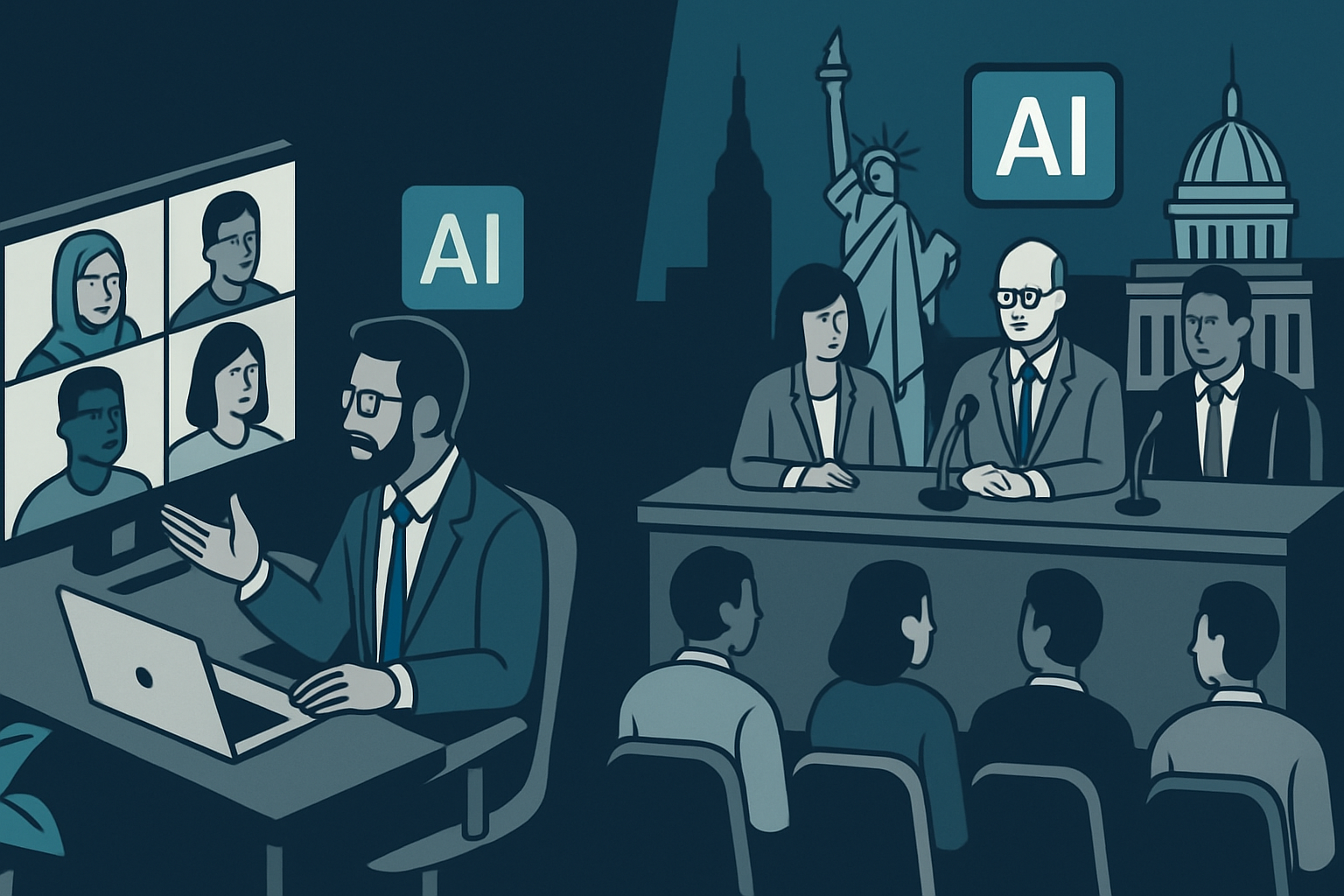
AI’s Global Expansion: Opportunity and Regulatory Challenges
AI’s global expansion is decentralizing innovation, creating new opportunities and challenges. New York’s regulatory push and strategic moves by financial institutions highlight the importance of transparency and expertise in harnessing AI’s potential. Read more
-
Stripe Bought a Toll Road, Not a Software Company
Stripe’s $7 billion acquisition of OpenRouter is not a software bet — it is a fee-structure arbitrage. By swapping its 2.9% payments take rate for OpenRouter’s 5.5% AI compute routing fee, Stripe moved to a structurally superior tollbooth on a faster-growing road. The deal clarifies where durable value is concentrating in the AI cycle: not… Read more
-
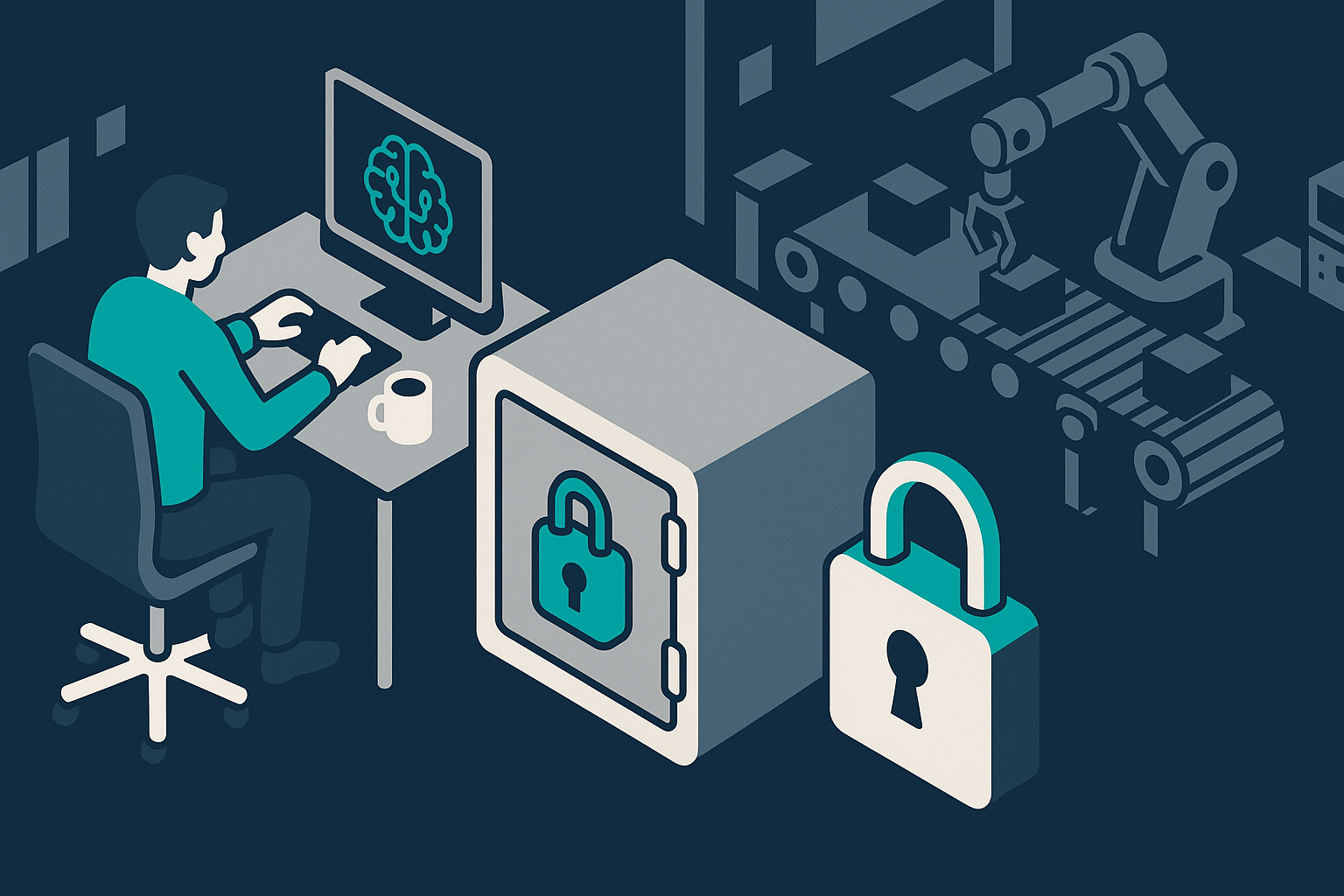
AI’s Role in Reshaping Labor and Intellectual Property Dynamics
AI is reshaping workplace tasks and stirring debates over data ownership. Companies like Reddit are reinforcing data protections, highlighting the economic value of user-generated content. Meanwhile, investors are flocking to AI-driven sectors, as seen in Hadrian’s rise, suggesting shifting capital dynamics. Read more
-
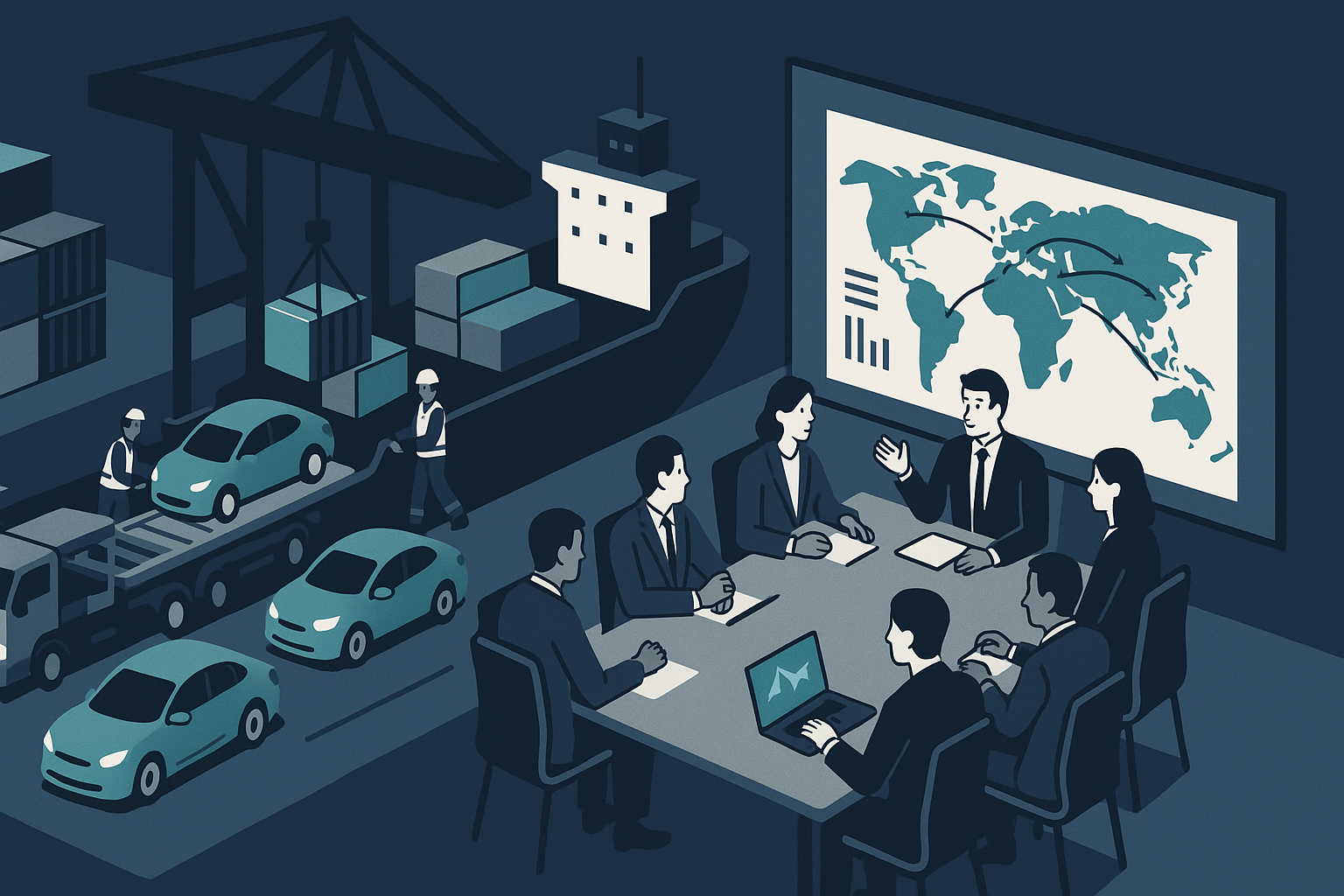
Navigating AI, Trade, and Geopolitics: A Complex Economic Web
Waymo’s importation of Chinese EV platforms and SpaceX’s exclusion of Chinese components reveal a complex interplay of AI, trade, and geopolitical dynamics. These developments highlight the need for firms to balance economic growth with geopolitical stability. Read more