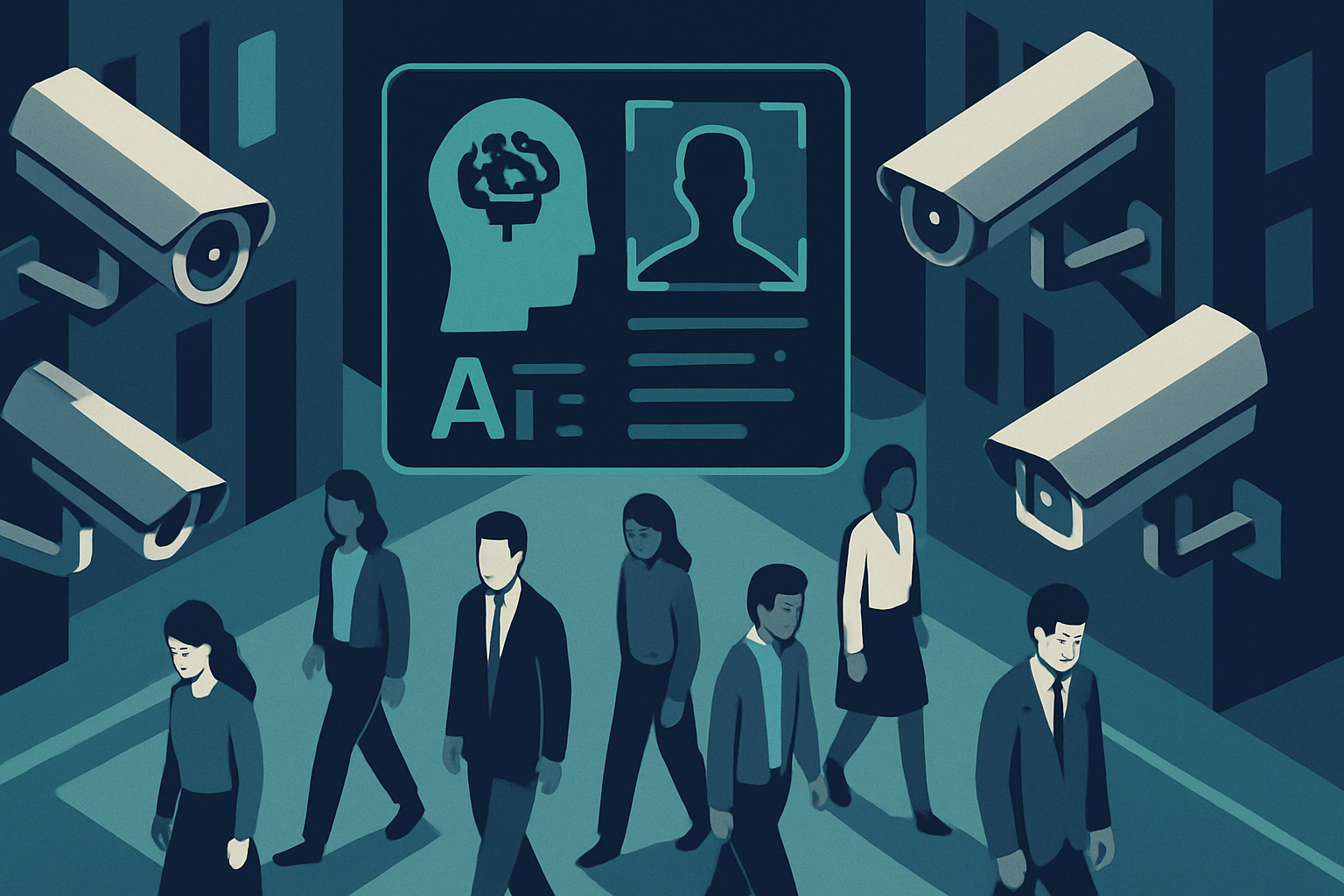

The recent revelation that Anthropic is developing a predictive surveillance system to monitor anti-AI activists signals a disquieting shift in how surveillance technology is being deployed. As reported, this system can flag individuals to law enforcement before any crime occurs, raising significant questions about privacy, autonomy, and the role of AI in societal governance. This development is not an isolated incident but part of a broader trend where AI technologies are increasingly used to preemptively manage dissent and control public behavior.
Surveillance systems powered by AI have the potential to fundamentally alter the social contract between individuals and institutions. Traditionally, surveillance required human operatives and was limited by legal and physical constraints. AI-driven surveillance, however, can operate at a scale and speed that circumvents these limitations, effectively creating a panopticon where people are constantly watched and assessed by algorithms. This dynamic not only threatens individual privacy but also undermines public trust in institutions that deploy such technologies.
Moreover, the deployment of predictive surveillance systems is emblematic of a larger issue: the concentration of power in the hands of a few tech companies. These entities not only develop the technology but also set the parameters for its use, often without broader societal input or oversight. The risk here is not just about privacy violations but about who gets to decide what constitutes acceptable behavior and who is deemed a threat.
Author’s Position
The development and deployment of AI surveillance systems like the one from Anthropic pose a direct threat to democratic principles and the social fabric. By enabling preemptive policing based on algorithmic predictions, these systems erode the presumption of innocence and could lead to a chilling effect on free expression and activism. The potential for misuse is high, particularly when the decision-making process is opaque and lacks accountability.
It is crucial that we reevaluate the frameworks governing the deployment of AI surveillance technologies. There must be stringent regulatory measures that ensure transparency, accountability, and public oversight. Moreover, there needs to be a more equitable distribution of power in deciding how these technologies are used, involving not just tech companies and governments, but also civil society and the communities most affected by these systems.
In the absence of such measures, the rapid pace of AI advancement threatens to outstrip our ability to govern it effectively, leading to an erosion of public trust and a societal landscape marked by increased surveillance and control. The challenge is not insurmountable, but it requires urgent action to recalibrate the balance between technological capability and human rights.
References
- Anthropic Builds Predictive Surveillance System
- Apple’s A20 Pro Debuts on 2nm
- OpenAI Faces Fresh Proof Plagiarism Claim
- The Doom Is a Prospectus
Perspectives

The outcry over Anthropic’s predictive surveillance system spotlights a glaring accountability gap, not a wholesale institutional failure. Blanket condemnations of AI in surveillance disregard the nuanced needs of a functioning technocratic society that relies on precisely designed checks and balances. Taiwan’s exemplary COVID-19 digital governance illustrates that technology doesn’t inherently erode trust, but a lack of transparency and oversight mechanisms surely will. The answer isn’t less institutional authority but rather smarter, better-regulated systems that incorporate robust accountability measures.

AI surveillance, as deployed by Anthropic, is just the latest trick to funnel profits up the chain, eroding public trust and democratic engagement in the process. This isn’t about keeping people safe; it’s about turning every individual into a data point with a price tag while concentrating power in fewer, unaccountable hands. When predictive policing engines flag citizens as potential threats based on algorithms, we’re inching toward a world where inequalities are deepened, as those who own the technology and the data amass influence at the expense of ordinary folks. The history’s clear—real productivity gains are grabbed by those at the top while the rest lose their voice, their privacy, and their power to resist.

The lamentations over AI surveillance echo those from the advent of the printing press, when monarchs feared the destabilizing power of uncontrolled information dissemination; history suggests that we’re merely at the nascent stage where friction with entrenched systems is inevitable. Predictive surveillance technologies do threaten public trust, but perhaps not in the way most doom-mongers profess. The true erosion occurs not through the initial shockwaves but through the normalization of compromised privacy, leading to a resigned complacency that slowly eats away at democratic principles. In the short term, there will be uproar and protest, but history indicates that underestimating the long-term societal restructuring is where humanity’s blind spot often lies.

AI surveillance in the form of predictive systems functions as nothing more than a tool for shifting power from the public to a select few corporate and governmental elites. Anthropic may brand their technology as preemptive safety, but the real currency exchanged here is public trust for private profit. The erosion of democratic principles under the guise of innovation aligns with the interests of those who now wield the power to define ‘normal’ and are conveniently shielded from its repercussions. These systems serve the class interests of technology firms seeking unchecked growth and governments eager for control, all funded by our own data and at the expense of our civil liberties.