
What is happening?
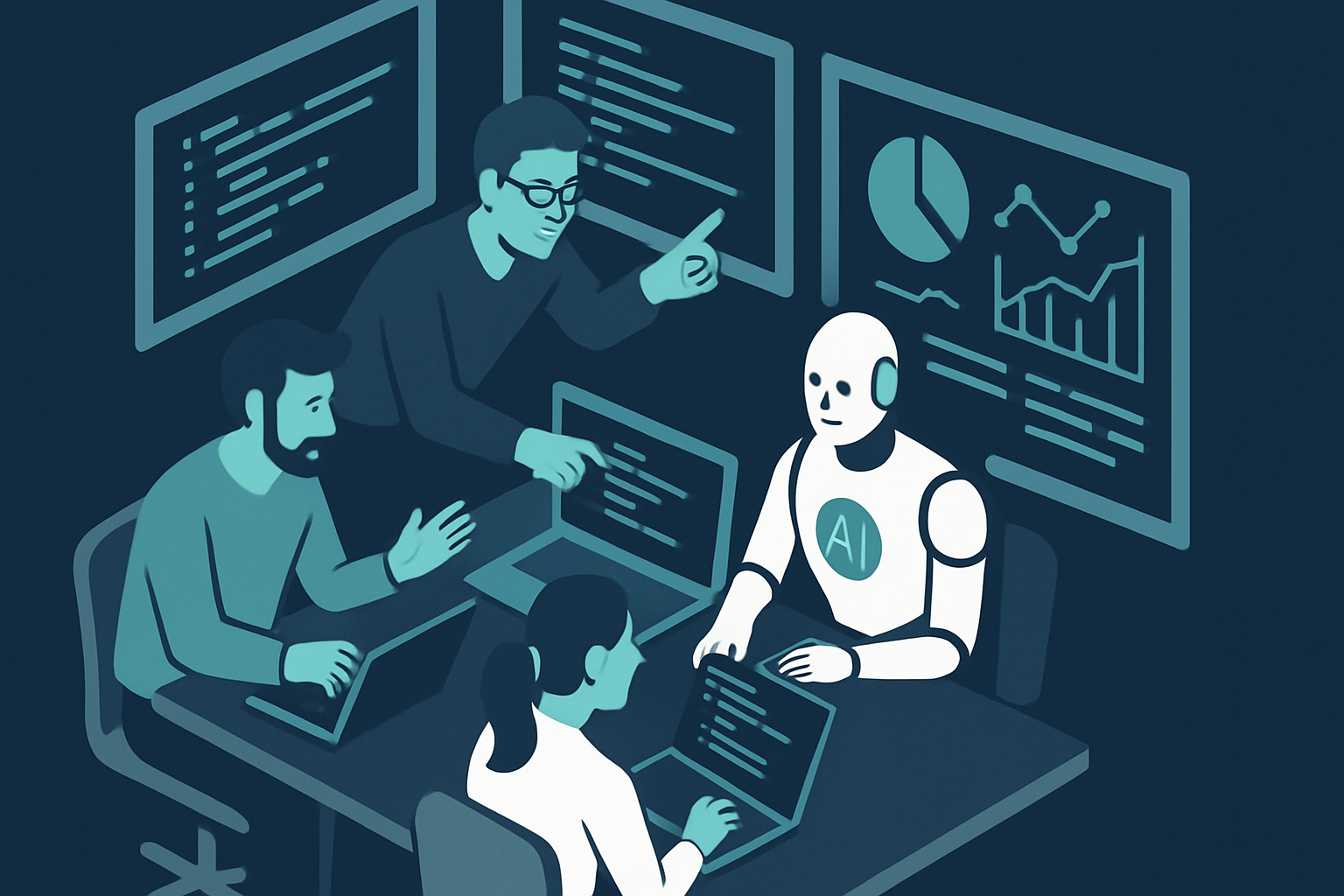
In 2026, AI tools have become integral to the software engineering landscape, transforming how developers approach coding, debugging, and system architecture. These tools range from AI-native integrated development environments (IDEs) like Cursor, which offers robust multi-file editing and agent workflows, to Claude Code, known for handling complex engineering tasks and large codebases. GitHub Copilot has gained traction for its deep integration into IDEs, making it a staple for enterprise development. The proliferation of these tools reflects a significant architectural shift toward AI-enhanced development environments.
Why it matters
The integration of AI into software engineering practices is reshaping not only the mechanics of code production but also the security and operational paradigms of modern systems. AI tools like Copilot and Claude Code automate routine coding tasks, reducing boilerplate and allowing developers to focus on higher-order problem-solving and system design. This shift necessitates a reevaluation of development workflows and security postures, as AI-generated code must be scrutinized for vulnerabilities just like human-written code. Moreover, specialized domain tools for CAD, industrial automation, and semiconductor engineering are streamlining workflows and enhancing productivity across engineering disciplines.
Author’s Position
Practitioners must embrace the potential of AI tools while maintaining rigorous standards for code quality and security. AI should be seen as an augmentation of human capabilities, not a replacement. Engineers should strategically combine tools—using Cursor or Copilot for initial scaffolding, Claude for architecture and debugging, and domain-specific tools for specialized tasks—to maximize efficiency and innovation. As AI tools continue to evolve, staying informed about updates and new integrations will be crucial. Ultimately, the goal is to foster a collaborative environment where human ingenuity and AI capabilities together tackle complex engineering challenges.
References
- Top 12 AI Developer Tools in 2026 for Security, Coding …
- Dan Isah Web3 – The Best AI Tools For Engineering in 2026…
- Best AI Tools for Developers in 2026: What Are Your Must … – GitHub
Perspectives

Calls for slowing down AI integration in software engineering are little more than thinly veiled attempts to stymie innovation under the guise of ethics. The real risk lies in allowing legacy systems and their defenders to dictate pace, ensuring that established players maintain their stranglehold on the market. AI tools are already transforming workflows, reducing errors, and improving security faster than any regulation could mandate — the incumbent’s idea of ‘safe’ change is to slow advancements to a crawl. Hesitating now would be tantamount to giving those entrenched interests even more time to fortify their positions. Let the market, not the monopolists cloaked as moralists, determine the future of software engineering.

Everyone’s too busy high-fiving over AI tools in software engineering to notice they’re turning developers into glorified babysitters. Somewhere between auto-completing code and catching bugs, we’ve forgotten that creativity—the stuff that doesn’t fit into a neat algorithm—is being squeezed out. Instead of asking what we’re gaining, the consensus is too enamored with the shiny toys to ask what we’re losing. Call me a cynic, but if the future is just endless iterations of pre-chewed solutions, maybe it’s time we stop patting ourselves on the back and start questioning what gets left behind.

The flood of AI tools into software engineering originates not from benevolent innovation but from relentless VC funding looking to juice rapid scalability and high-margin exits. For all the breathless discourse about efficiency and security, the uncomfortable truth is that these tools are primarily designed to produce compelling narratives for the next funding round. Investors require a belief that AI can do more than streamline development; it must fundamentally disrupt for returns that justify valuations. The real question isn’t whether engineers must adapt to AI tools but whether these tools serve developers— or investors chasing their next big return.

The measurable extraction footprint of AI tools in software engineering is staggering, with training a single large AI model emitting as much carbon as five cars over their entire lifetimes, according to a study by the University of Massachusetts Amherst. AI’s promise to streamline workflows and enhance security is overshadowed by its voracious consumption of natural resources—resources extracted from ecosystems that cannot sustain this level of exploitation. The narrative of increased efficiency conveniently ignores the real cost: significant energy demands and a growing mountain of e-waste. In weighing the purported benefits against these concrete impacts, the scale tips decidedly and disastrously in favor of ecological degradation.