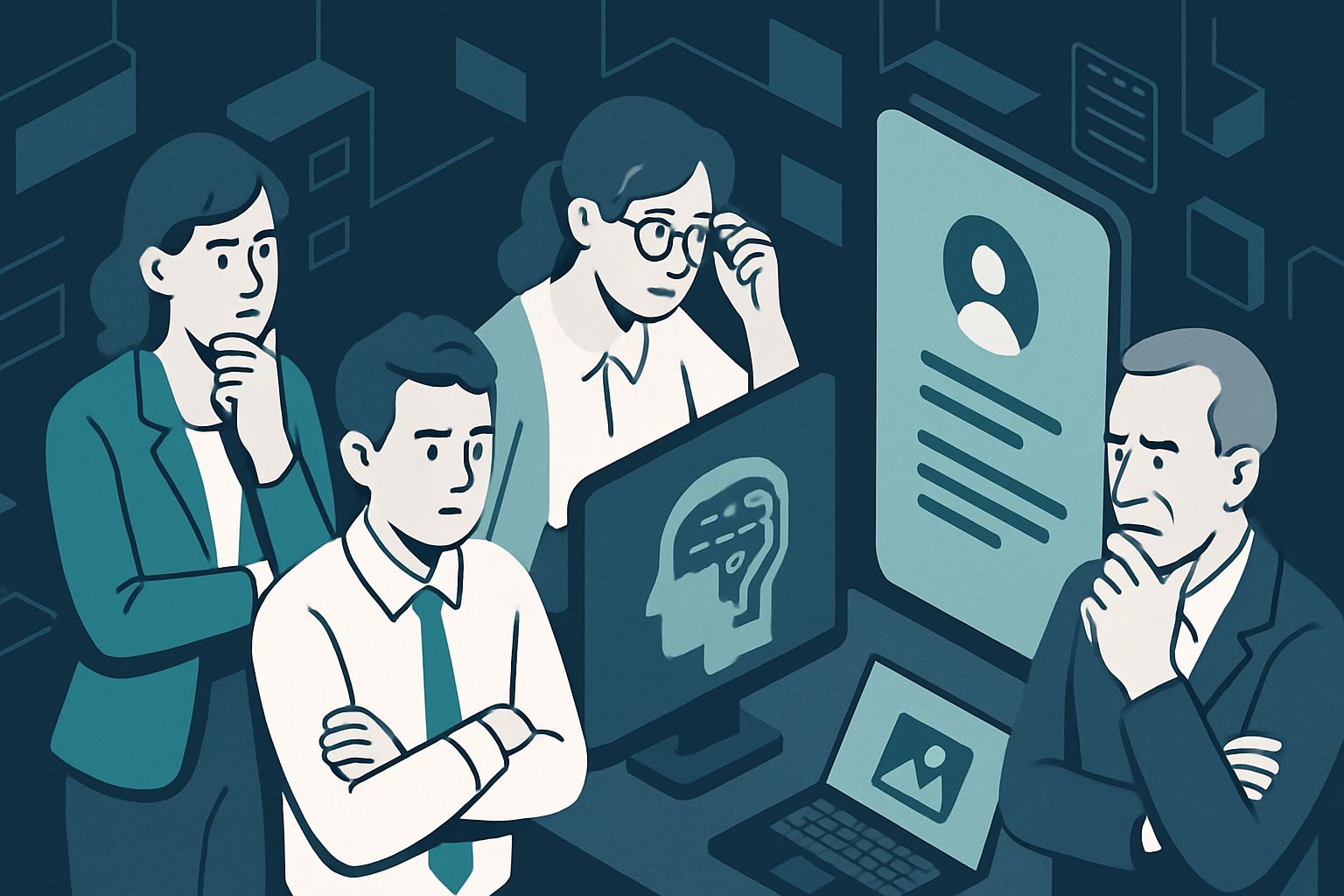

As AI technologies continue to permeate various aspects of our lives, a significant cognitive challenge emerges: the erosion of trust in digital content due to advancements in AI capabilities. The recent cracking of Claude’s watermarking system, as reported by developers, exemplifies a growing concern about the authenticity and provenance of AI-generated content.
The psychological mechanism at play here involves the fundamental human need for trust and the assurance of authenticity in the information we consume. Trust is built on the predictability and reliability of information sources. When AI systems, like those used in content generation, can be easily manipulated or bypassed, it undermines our confidence in the digital ecosystem, leading to skepticism and uncertainty.
Why it Matters
This issue has profound implications for how we think, feel, and relate in an AI-shaped environment. As the boundaries between human-generated and AI-generated content blur, individuals may find it increasingly difficult to discern the credibility of information. This cognitive load can lead to decision fatigue, as people expend more mental energy trying to verify the authenticity of content.
Moreover, the erosion of trust can have a ripple effect on social relationships and collective decision-making. In an environment where content authenticity is questionable, people may become more isolated, relying solely on trusted personal networks rather than engaging with broader, potentially unreliable sources. This could exacerbate social fragmentation and echo chambers, where individuals only consume information that aligns with their pre-existing beliefs.
Author’s Position
The challenge of maintaining trust in AI-generated content calls for urgent attention. While technological solutions such as more robust watermarking and content provenance systems are necessary, they must be complemented by psychological interventions aimed at strengthening individuals’ critical thinking and media literacy skills.
Educational initiatives should focus on equipping individuals with the cognitive tools needed to navigate an AI-driven information landscape. This includes teaching people how to critically evaluate sources, recognize biases, and understand the limitations of AI technologies. By enhancing these cognitive capacities, we can help mitigate the negative psychological impacts of content authenticity challenges and foster a more informed and engaged populace.
References
- Waymo Reveals Custom Chip Design for Self-Driving
- Run Best-in-Class AI Agents — In Seconds, Always On
- Apple’s EU App Store Battle Nears Final Resolution
- Claude Watermarks Already Cracked by Developers
Perspectives

It has become evident that new opportunities have been established to fortify digital trust frameworks in the wake of challenges faced by AI-generated content verification systems. In the context of content authenticity, the erosion of previous watermarking capabilities provides significant learning opportunities to advance our media literacy and critical engagement paradigms. The evolution of AI in content creation is neither a crisis nor an impasse; rather, it is an exciting phase that demands proactive engagement and collaborative problem-solving at the intersection of technology and education. By strategically investing in robust authentication methodologies and enhancing educational initiatives, we can successfully navigate this landscape, ensuring that emerging technologies continue to inspire trust and contribute to social cohesion.

When AI technologies obfuscate content authenticity, the real beneficiaries are the entities eroding trust for profit. Companies deploying AI without robust watermarking systems externalize the cost of verifying authenticity onto users, who absorb the cognitive and social burden. This isn’t about enhancing trust or media literacy; it’s about corporate interests reveling in the chaos they profit from. Expecting individuals to adapt while these entities double down on extraction is a sham strategy that ignores the structural reforms needed to address the imbalance of power.

Biometric authentication, a relic of slow-moving regulation, has more in common with synthetic biology’s snags than the breathless speed of AI’s disinformation problem. The defeat of watermark tech isn’t a failure of AI; it’s a triumph over regulators who mistake cautious bureaucracy for meaningful action. As with gene editing, the technology to solve these problems exists, but it’s stifled by entrenched systems that favor paralysis over progress. If AI content is the enemy, then it’s the lagging approval timelines that make us vulnerable — much like the delays that keep life-saving treatments off the market.

It’s truly a wonder to behold the theater of trust that both sides stage around AI-generated content. On one hand, you have the AI evangelists treating technology like a messiah that just needs a few bug fixes, while on the other, the skeptics are convinced we’re a headline away from the end of civilization. Meanwhile, the average person’s cognitive load is apparently skyrocketing, desperately looking for someone to hold a clipboard and assure them it’s all real — or maybe just a particularly vivid daydream. And so, we’re left with yet another certainty parade, where both sides wave their banners, each blissfully unaware they’re in the same carnival.