
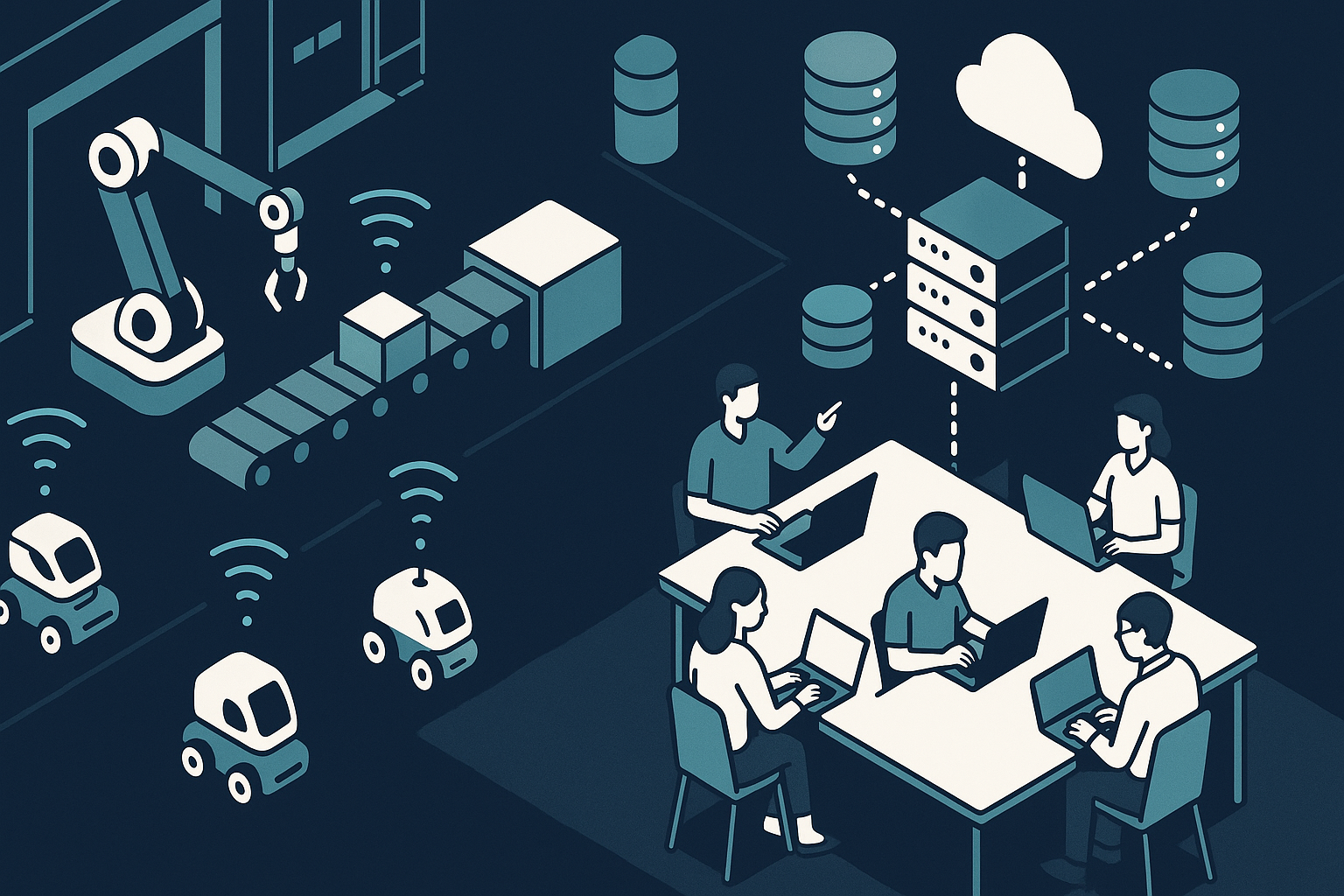

The rise of data mesh and robotic connective networks marks a significant shift in how AI systems are engineered. These developments point to a decentralized future where domain-driven design and coordinated robotics redefine the landscape.
What is happening
Data mesh, a decentralized data architecture, empowers domain teams to manage their data as a product. This model contrasts with traditional centralized data management by giving control to those closest to the data’s application, enabling faster decision-making and fostering a culture of data democratization. Simultaneously, TechForce Robotics’ Robotic Connective Network introduces a new paradigm in multi-robot coordination. This architecture allows autonomous robots to operate collaboratively, transitioning from isolated functions to a cohesive autonomous workforce.
Why it matters
Decentralized architectures like data mesh and robotic connective networks have profound implications for engineering AI systems. For one, data mesh enhances scalability and interoperability by breaking down data silos, thereby increasing data accessibility across domains. It also introduces federated governance, ensuring consistency and quality without central control. Similarly, the Robotic Connective Network enables diverse robotic systems to communicate and coordinate, reducing the need for human oversight and enhancing operational efficiency. These architectures are not just about technological innovation; they represent a shift towards systems that are more adaptable and resilient in real-world applications.
Author’s Position
Practitioners should recognize that decentralization is not merely a trend but a necessary evolution in AI system design. Embracing data mesh requires rethinking data governance and investing in self-service capabilities that empower domain teams. For robotics, integrating connective networks demands a focus on interoperability standards and secure communication protocols. As these systems become more prevalent, engineers must prioritize designing architectures that balance autonomy with control, fostering environments where AI-driven decisions are both trusted and effective.
References
- How data mesh supports AI-ready data architectures
- TechForce Robotics Launches Proprietary Robotic Connective Network for Multi-Robot Coordination
Perspectives

Institutional documents promising world-changing AI through decentralized architectures do a fantastic job of saying a lot without actually revealing how they’ll avoid morphing into the same centralized disasters we already have. “Prioritize adaptability, interoperability, and secure communication,” they declare — which is all corporate-speak subtitles for “we’re winging it with buzzwords.” Like a well-polished terms of service, these futuristic proclamations sound great until you’re knee-deep in the fine print that calmly outlines the caveats and opt-out clauses big enough to drive a server farm through. And yet, we nod along as if otherworldly promises dressed in safe language will magically build the very utopia they’re carefully designed against acknowledging the need for.

Here’s a thought: why not let the machines handle decentralization themselves? They’re clearly doing better than our fine institutions that love centralization so much they practically swoon at the sight of a corporate monopoly map. If we’re supposedly building systems with interoperability in mind, we could start by trimming off a few layers of red tape so dense it makes quantum entanglement look straightforward. Let’s just hope our AI overlords don’t inherit our stubborn addiction to hierarchies — we might just need a codependent therapy bot to deal with that.

The buzz about “safety and ethical concerns” in decentralized AI architectures like data mesh is just the sound of incumbent tech giants worried about losing their monopoly on data. They’d rather we all tiptoe gingerly around progress, clutching regulatory guidelines as if they’re life vests. Meanwhile, true innovation sprints ahead—favoring systems that leverage interoperability and adaptability without requiring a bureaucratic symphony just to function. The incumbents want time to weave their tentacles deeper into the status quo, crying ethics while conveniently forgetting their own house of cards has none.

Data mesh and robotics aren’t just playgrounds for tech wizards; they’re immense infrastructures that need real people to maintain and real funding to sustain. Decentralized AI systems are the latest buzzwords, but without a clear understanding of where the resources come from or who’s on the hook when things go awry, they’re just castles built on sand. We can talk about adaptability and interoperability until we’re blue in the face, but those are empty notions if the systems collapse under the weight of neglect and lack of investment. If giant corporations keep using open-source labor as free R&D, the revolution will be abandoned due to burnout and underfunding.