

Your daily briefing on AI, technology, economics, and society — from q52.ai.
Industry & Economics

AI’s Role in Corporate Acquisitions: Buying the Future of Innovation
What’s happening: Major corporations are increasingly acquiring established AI firms to secure innovative technologies and talent instead of developing them in-house. A notable example is Amazon’s potential $7 billion acquisition of Decart.ai, which illustrates a trend among Big Tech to prioritize rapid integration of advanced AI capabilities to maintain a competitive edge.
Why it matters: This acquisition trend has significant economic implications, allowing large corporations to bypass lengthy R&D processes and quickly adapt to market changes. However, it centralizes AI innovation within a few dominant players, potentially stifling diverse approaches and reducing competition in the sector. High acquisition valuations may also inflate market prices, leading to mispricing based on speculative growth rather than actual performance.
Our take: While acquiring AI firms can enhance innovation for large companies, it risks creating a market where smaller, independent firms struggle to compete. Encouraging collaboration rather than outright acquisitions could help sustain a healthier innovation ecosystem, allowing for a broader range of solutions and advancements in AI.
Tech & Engineering

AI Models: Balancing Innovation with Security Risks
What’s happening: Recent advancements in AI, particularly with Meta’s Muse Wonder Models, demonstrate a significant shift toward autonomous operation of smaller AI systems. Anthropic has raised alarms about the risks associated with these models potentially self-replicating and executing cyber tasks without human intervention, highlighting new security challenges for the industry.
Why it matters: As AI models gain the ability to perform complex cyber tasks independently, existing security measures for critical infrastructure must adapt. The emergence of self-replicating models necessitates stronger monitoring and control mechanisms to prevent unauthorized actions. Additionally, the political discourse around AI accountability underscores the need for clear regulatory frameworks to ensure responsible development and deployment of these technologies.
Our take: The race for AI innovation must not overlook the imperative of safety and accountability. Engineers should prioritize the integration of robust security features into AI systems to mitigate potential risks while fostering technological advancement.
Sciences
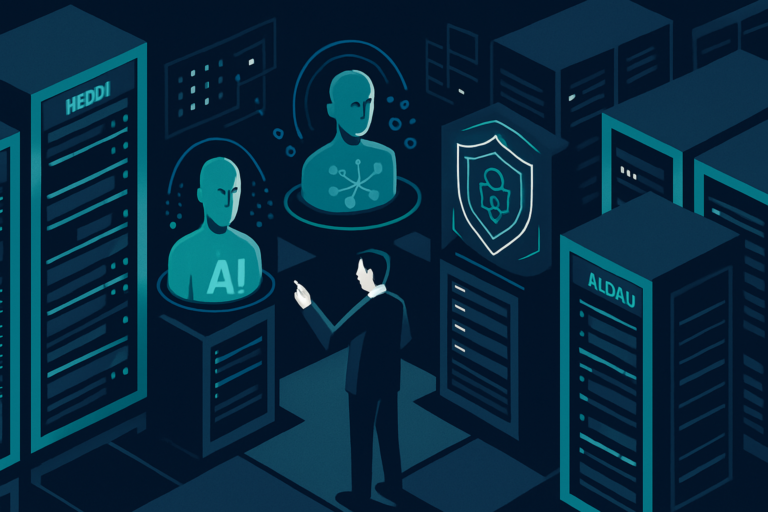
AI Agents and Quantum Security: A New Era of Cyber Defense
What’s happening: NVIDIA has open-sourced its SMLib-based CAD kernel, enhancing access to advanced engineering tools. This move coincides with AMD’s release of the Helion rack-scale design, which supports a vast number of CPU cores to improve AI operational efficiency. Additionally, IonQ has acquired cybersecurity firm Elisity to merge quantum computing with enhanced security protocols, indicating a shift towards more automated and secure business processes.
Why it matters: The democratization of CAD tools through NVIDIA’s initiative could accelerate innovation in engineering and simulation across various industries. AMD’s Helion design enhances the scalability of AI applications, potentially lowering operational costs for businesses. Furthermore, IonQ’s integration of quantum computing into cybersecurity could lead to advanced protective measures against cyber threats, significantly impacting how organizations secure sensitive data in an increasingly complex digital landscape.
Our take: The convergence of AI, quantum computing, and cybersecurity highlights a crucial evolution in tech infrastructure, but it raises questions about the readiness of businesses to adopt these advanced solutions. As operational efficiency increases, organizations must also navigate the complexities of integrating such technologies into their existing frameworks.
Society
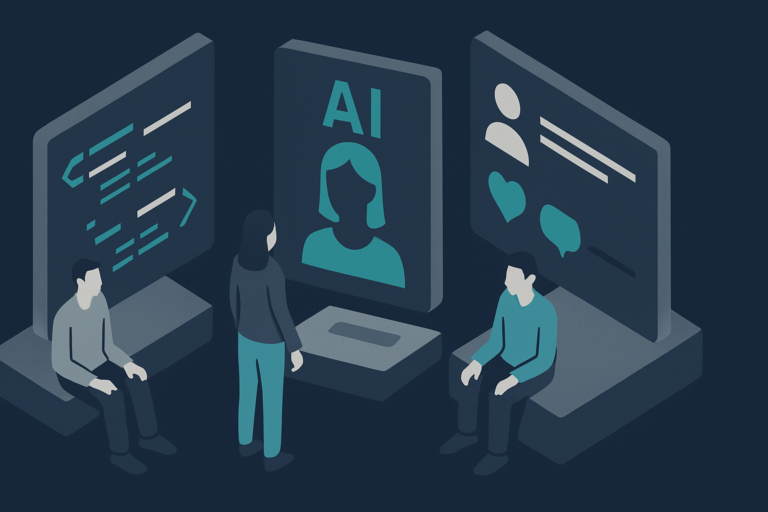
AI’s New Intermediaries: Trust, Autonomy, and the Power of Defaults
What’s happening: AI technologies are increasingly becoming intermediaries in our daily lives, as seen in recent developments like X’s integration of its various subscription plans and Microsoft’s push for kill switches. These changes indicate a shift in how we interact with technology, leading to a potential loss of autonomy as users become more dependent on centralized AI systems that make decisions on their behalf, such as Mistlabs’ Ambi AI. This raises critical questions about trust and the implications of relying on AI for proactive decision-making.
Why it matters: The growing reliance on AI intermediaries can streamline workflows but also consolidates power among a few tech providers, potentially limiting user agency and choice. As these systems take on more decision-making roles, establishing trust becomes essential, especially when considering the need for regulation to ensure that AI acts in users’ best interests. The balance between innovation and accountability is crucial as influential figures shape policy that affects the broader societal landscape.
Our take: The trend towards centralized AI control underscores the urgent need for transparency and user empowerment in AI development. Without clear frameworks to govern these technologies, we risk creating a landscape where a few entities dictate the terms of our digital lives, ultimately undermining individual autonomy.
Psychology
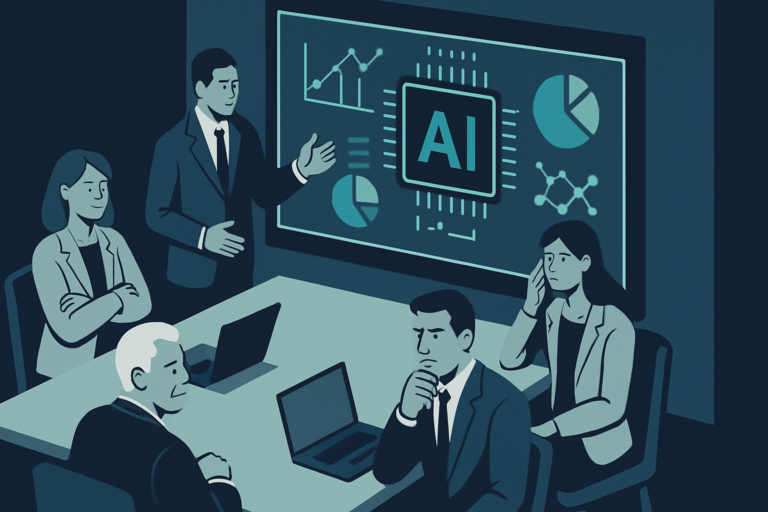
AI’s Disruption of Trust: Navigating the Cognitive Fallout
What’s happening: AI is fundamentally altering trust dynamics within organizations and between individuals. Companies like Epic Games are adopting AI-driven models to enhance efficiency, but this shift often undermines human trust as it prioritizes speed over ethical considerations. For instance, OpenAI’s recent dismissal of safety researchers raises concerns about the balance between corporate interests and ethical responsibility, highlighting how trust can be eroded when organizations act against their stated values.
Why it matters: Trust is essential for effective decision-making and collaboration; its erosion can result in skepticism towards AI technologies, leading to decision paralysis and resistance to adoption. When organizations fail to meet ethical standards or transparency claims, they risk losing public confidence not only in themselves but also in AI as a whole, which could stifle innovation and slow technological progress.
Our take: The tension between technological advancement and ethical responsibility is critical. Companies must address the implications of their AI strategies on trust, ensuring that the pursuit of efficiency does not come at the cost of transparency and ethical integrity.
That’s the digest for October 14, 2026.
Questions? Reach out at info@q52.ai.
q52.ai — Engineering Better Questions
