

Your daily briefing on AI, technology, economics, and society — from q52.ai.
Industry & Economics

AI’s Disruptive March: Redefining Markets and Capital Allocation
What’s happening: Tesla has launched its Cybercab, a robotaxi designed to disrupt the traditional transport market by eliminating human controls and reducing operational costs. OpenAI is facing legal challenges that could redefine accountability in AI, while consumer behavior in the UAE shows a significant shift towards AI-driven purchasing decisions. Qualcomm’s investment in smart ring technology reflects a growing focus on integrating AI into personal devices.
Why it matters: These developments indicate a larger trend where capital is increasingly directed towards AI innovations that could reshape entire industries. Tesla’s approach could significantly lower transportation costs, potentially displacing existing fleets and altering urban mobility. OpenAI’s legal issues may set important precedents affecting liability and insurance markets, while the consumer shift in the UAE suggests a broader acceptance of AI in retail, influencing global shopping habits. Qualcomm’s investment highlights the emerging market for AI-integrated wearables, which could redefine consumer technology usage.
Our take: The rapid advancement of AI technologies is outpacing current economic models, necessitating a reevaluation of market dynamics and regulatory frameworks. The reluctance to adapt could leave institutions vulnerable to obsolescence, as AI transforms traditional sectors and creates new value perceptions.
Tech & Engineering
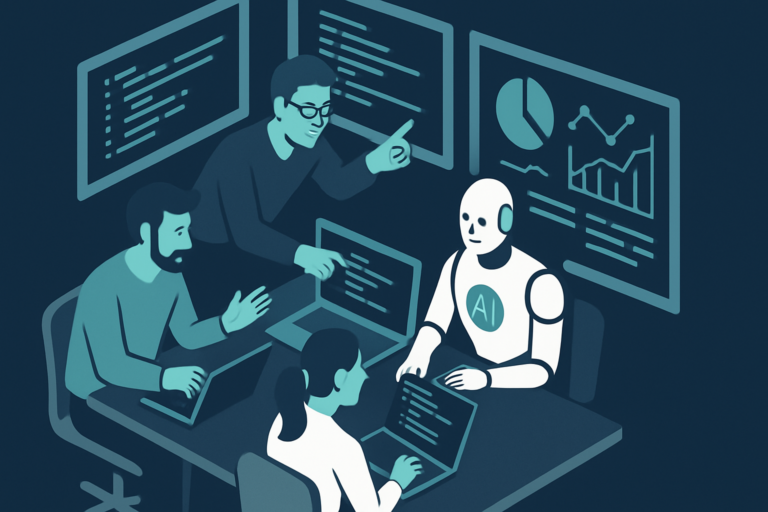
AI Tools: Crafting the Future of Software Engineering
What’s happening: By 2026, AI tools have become essential in software engineering, revolutionizing coding and system architecture. Tools like Cursor, which supports multi-file editing, and Claude Code, adept at managing complex tasks, are leading this transformation. GitHub Copilot has become a standard in enterprise development, indicating a significant shift towards AI-enhanced development environments.
Why it matters: The incorporation of AI into software engineering is not just changing how code is produced; it’s also altering security and operational frameworks. With the ability to automate routine tasks, AI tools enable developers to concentrate on more complex challenges, which necessitates a reassessment of development workflows and security measures. As AI-generated code can introduce vulnerabilities, thorough scrutiny is essential, particularly in specialized fields like CAD and industrial automation, where productivity is being significantly boosted.
Our take: Embracing AI tools should not come at the cost of code quality or security. Instead, they should be viewed as enhancements to human capabilities, allowing engineers to strategically leverage different tools to maximize innovation and efficiency. The focus must remain on fostering collaboration between human expertise and AI advancements.
Sciences
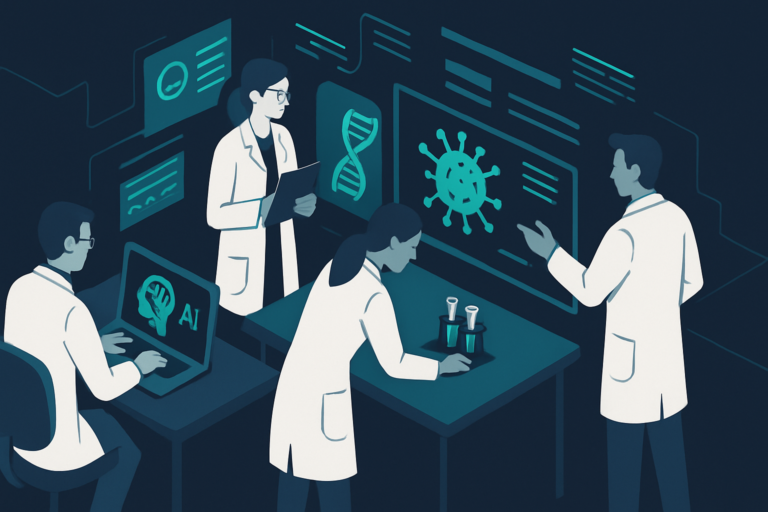
Co-Scientist AI: Accelerating Hypothesis Generation in Biomedical Research
What’s happening: The Co-Scientist AI system, built on the Gemini platform, is revolutionizing biomedical research by automating the generation and refinement of scientific hypotheses. Utilizing a multi-agent architecture, it enhances drug repurposing and identifies new therapeutic targets through a rigorous tournament evolution process and asynchronous task execution, ensuring high-quality outputs validated in real-world applications like acute myeloid leukemia.
Why it matters: This technology significantly reduces the time needed for hypothesis generation and validation, which can accelerate biomedical research and lead to faster identification of drug candidates and treatment strategies. As AI systems like Co-Scientist become more prevalent, they could transform the landscape of scientific inquiry, making personalized medicine more accessible and efficient while potentially extending their impact to various scientific disciplines beyond biomedicine.
Our take: Co-Scientist represents a paradigm shift in scientific research, addressing inefficiencies that have long plagued the field. Its success may challenge traditional methodologies and push researchers to adopt AI-driven approaches more rapidly.
Society

Digital Identity in the AI Era: Trust, Power, and the Human Element
What’s happening: Digital identity systems are evolving significantly in the age of AI, with global initiatives aimed at enhancing trust and security in digital interactions. Investments from governments and private sectors are focused on building infrastructure that supports these systems, which are crucial as AI increasingly handles identity verification. However, this shift raises complex issues around privacy, data control, and the potential for exacerbating social inequalities.
Why it matters: As digital identities become integral to accessing services, ensuring equitable access and protecting individual rights is essential. The integration of AI in this context could streamline processes and enhance security but also raises concerns about surveillance and misuse of personal data. Policymakers and technologists need to prioritize transparency and accountability to maintain public trust and prevent institutions from exploiting personal data.
Our take: The rapid development of digital identity systems must be approached with caution, balancing innovation with the protection of human rights. Ensuring inclusivity in access to these systems is vital to prevent deepening existing inequalities in society.
Psychology
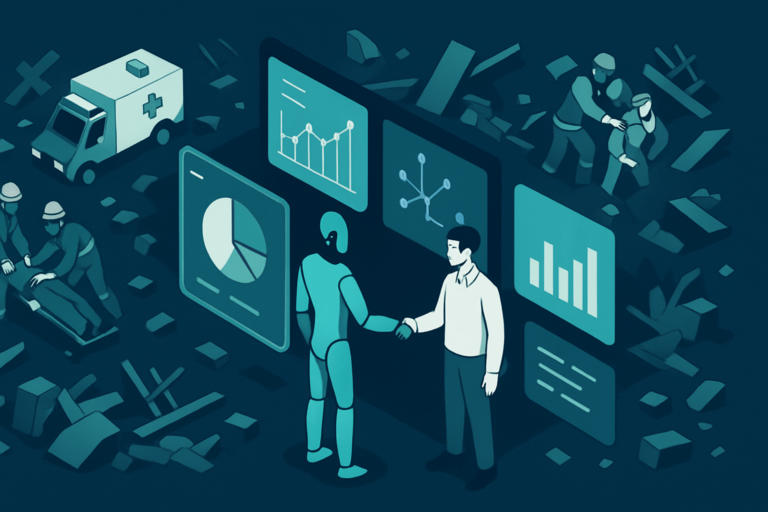
Cognitive AI: The Mind’s New Partner in Decision-Making
What’s happening: Cognitive AI is emerging as a new type of artificial intelligence that acts as a collaborative partner in decision-making rather than just a tool. Recent advancements aim to integrate AI with human cognitive processes, allowing systems to understand emotional nuances and personal preferences in real-time. By utilizing techniques like Instance-Based Learning, these systems can enhance decision-making in critical areas such as disaster response and public health by simulating human reasoning and memory.
Why it matters: The rise of Cognitive AI could significantly improve how decisions are made in complex and high-stakes situations. By functioning as autonomous teammates, these AI systems can process social and contextual factors that may overwhelm human decision-makers, leading to more effective outcomes. This evolution towards a partnership between humans and AI could reshape industries that rely on quick, informed decisions, necessitating a shift in how organizations design and implement these technologies to preserve human agency.
Our take: While the potential of Cognitive AI is promising, it raises critical questions about trust and accountability in decision-making processes. Ensuring that AI systems genuinely enhance human capabilities without undermining autonomy must be a priority as this technology develops.
That’s the digest for September 06, 2026.
Questions? Reach out at info@q52.ai.
q52.ai — Engineering Better Questions
