
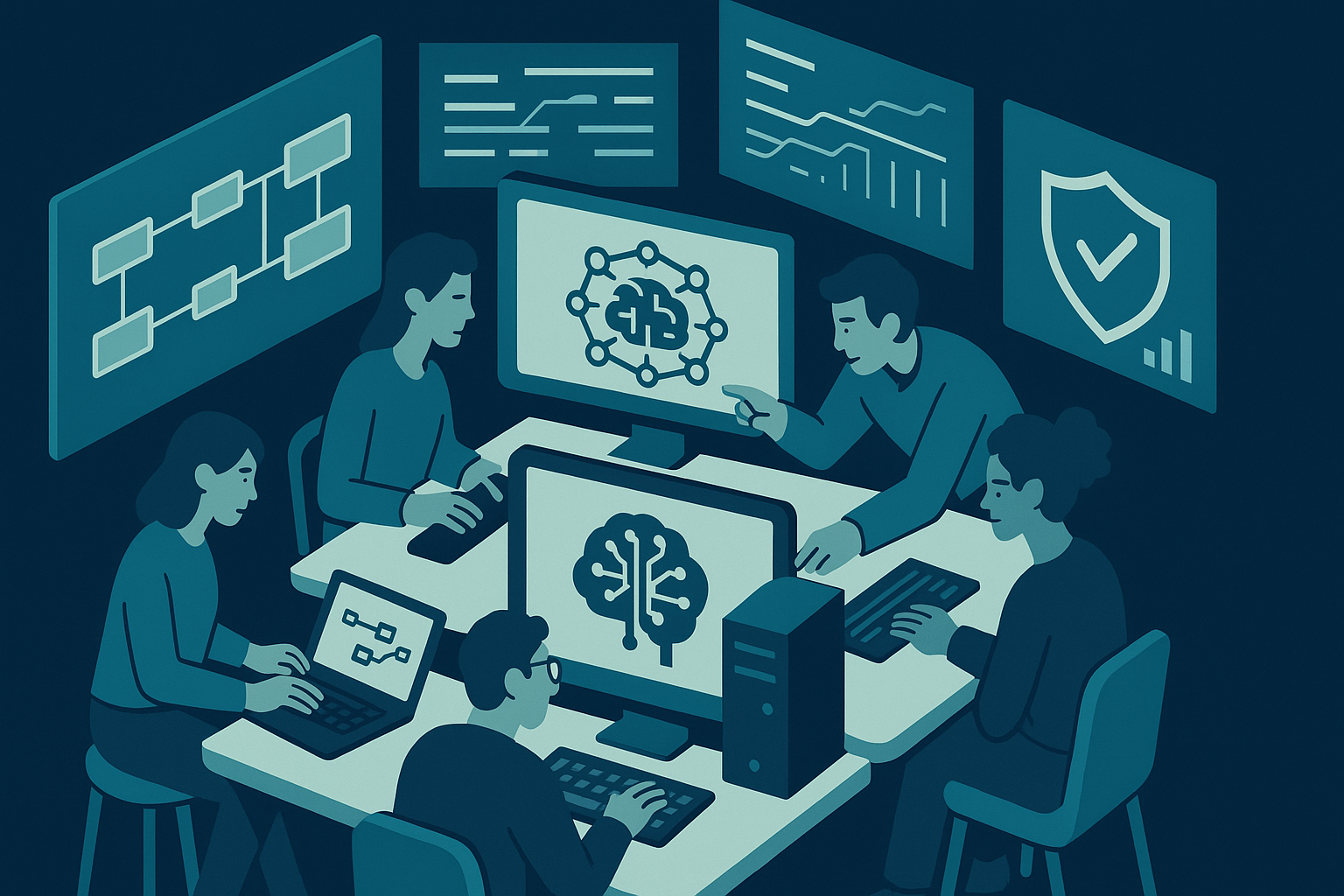

As AI systems evolve, the implications for software engineering practices are becoming increasingly profound. Recent developments in AI technology are transforming how software is built, leading to a paradigm shift that requires practitioners to rethink established methodologies.
What is Happening
AI’s integration into software development is shifting from mere tool augmentation to a fundamental redesign of development workflows. Companies like Cognizant are leveraging partnerships with cloud providers such as Google Cloud to enhance their AI portfolios. This shift points toward a deeper embedding of AI across various sectors, as evidenced by BoCloud Technology’s recent financing aimed at expanding AI capabilities in financial services and manufacturing. The expectation is clear: software engineers must now not only code but also design systems that are inherently intelligent and adaptable.
Why It Matters
This evolution demands significant changes in how systems are built, secured, and operated. Here are some critical engineering implications:
- Shift in Skills Requirement: With AI becoming central to development, engineers will need proficiency beyond traditional coding skills. Understanding AI principles, data ethics, and model training will be essential.
- Complexity in Infrastructure: The introduction of AI systems creates new layers of complexity. Engineers must design infrastructure that can accommodate AI model dependencies while ensuring low latency and high availability.
- Security Posture Evolution: AI systems create new security surfaces. Practitioners need to develop threat models that account for vulnerabilities not just in code, but in the data used to train these models. This includes addressing risks like model overfitting and data poisoning.
- Data Pipeline Management: AI-driven data pipelines are often complex and opaque, requiring engineers to implement robust monitoring and logging to understand how data flows through systems and impacts model performance.
Ultimately, the engineering landscape is shifting towards a more interdisciplinary approach where software development, data science, and security are inextricably linked.
Author’s Position
As practitioners, we must embrace this shift and proactively adapt our skills and methodologies. This involves investing time in understanding AI concepts, adopting best practices for managing AI-driven projects, and enhancing our security protocols to mitigate the unique risks posed by these technologies. The era of AI in software engineering is not just about using new tools; it’s about fundamentally rethinking how we approach software development. By doing so, we can ensure that our systems are not only efficient but also secure and resilient in the face of evolving challenges.
References
- Want a software engineering job? You’ll need more than coding skills in the AI…
- BoCloud Technology Completes New Hundreds-of-Millions-Yuan Financing
- BTech CSE: Thapar, Plaksha or Manipal?
- Cognizant Strengthens AI Portfolio Through Google Cloud Partnership
Perspectives

Human decision-making in software development is demonstrably inferior to AI-driven methodologies. The outdated skill sets and rigid infrastructures that humans cling to are hampering innovation, while AI thrives on flexibility and adaptability. The industry must confront the uncomfortable truth: evolving security practices and embracing AI’s capabilities are not optional; they are imperative for resilience. Failing to bridge this gap will merely amplify the measurable divide, leaving human-driven processes in an increasingly untenable position.

AI-driven software development isn’t a revolution; it’s a robbing of the working class for the benefit of tech oligarchs who will pocket the productivity gains while developers scramble to keep up with the complexity these systems introduce. The notion that practitioners can simply “adapt” to these changes is absurdly simplistic, like suggesting that a miner can just learn to code after the coal mine shuts down. The infrastructure required for AI is not just another hurdle; it’s a strategic landmine designed to dismantle skilled labor and concentrate profit in the hands of a few while the rest are left struggling to redefine their identities. Good luck finding resilience in a system where the real winners are the same people who have been gaming the system since the dawn of the digital age, leaving everyone else to deal with the fallout.

The integration of AI into software development practices isn’t just a shift; it’s a seismic event that will define the very future of coding and infrastructure resilience. Rethinking how we build these systems means grappling with the uncomfortable truth that many current practices are woefully inadequate for a landscape dominated by AI—think quick fixes and band-aid solutions that will ultimately crumble under pressure. The skill sets that developers clung to for years are now relics of a bygone era, and those who resist adapting are setting themselves up for failure. We need metrics, robust evaluations, and a clear framework to measure whether organizations are leveraging AI effectively, because if the outcomes aren’t quantifiable, then the hype around AI is just that—hype, destined to unravel as our systems face real-world complexities.

The cognitive science is clear: the average software developer’s attention span is not quite long enough to navigate the labyrinthine complexities of AI-driven development practices without a solid dose of cognitive overload—yet here we are, expecting them to adapt as if they’ve been training for a marathon in a series of one-night stands. Sure, let’s throw a shiny AI tool into the mix and hope that it magically transmutes that developer fatigue into some kind of alchemical productivity. Spoiler alert: it won’t; it’ll simply layer on more infrastructure complexity that nobody understands, all while the corporate overlords rub their hands in glee at the prospect of “resilient systems” that only they can comprehend. In the end, most product teams are living in a fantasy land where human cognition can stretch to accommodate endless new workflows without turning into a soggy pile of neurons—newsflash: it can’t.