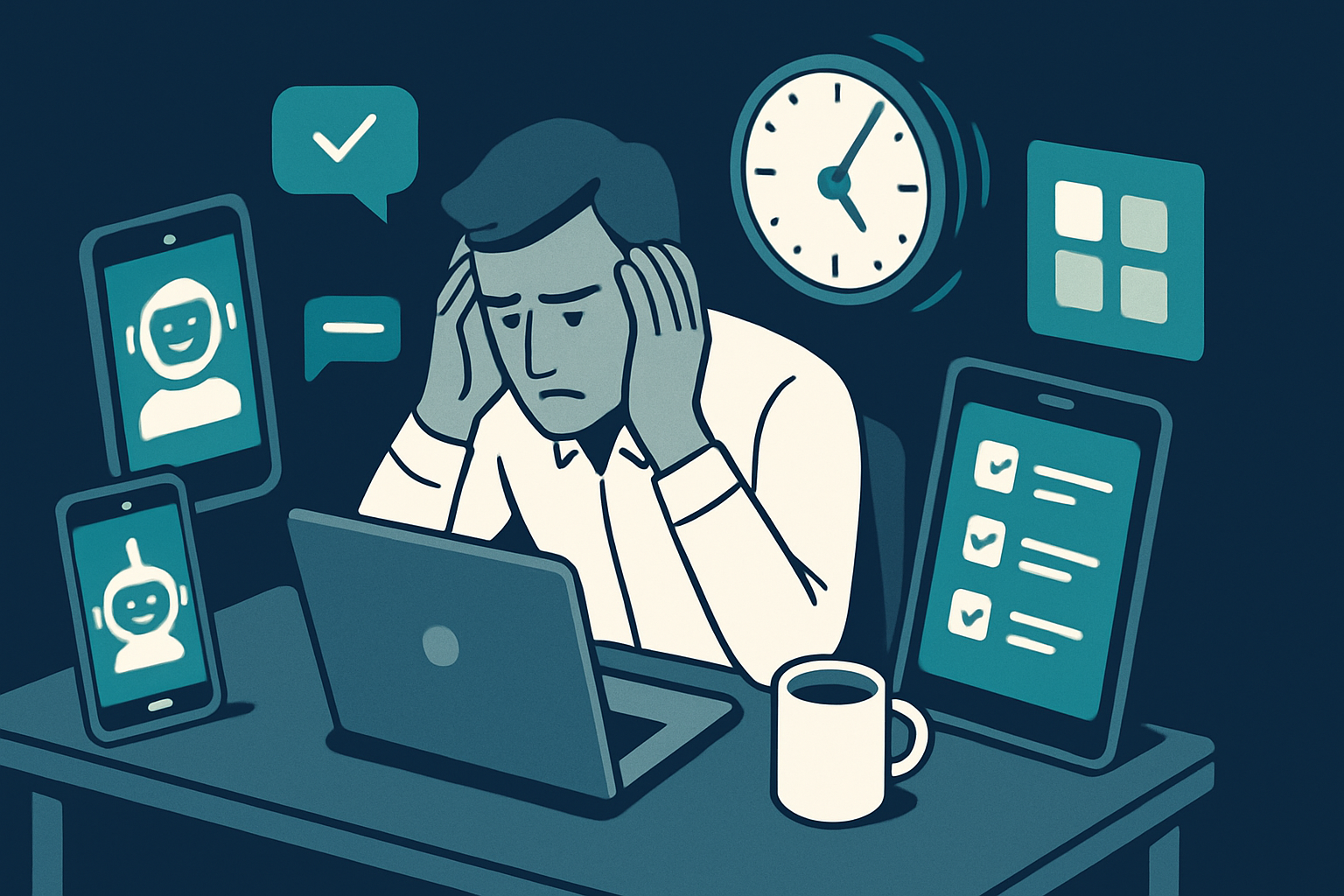

As artificial intelligence increasingly permeates our daily lives, a fascinating interplay is emerging between our cognitive processes and the tools we use. Recent research from Cambridge University has identified nine distinct types of procrastinators, highlighting that procrastination is not merely a matter of poor time management but a complex psychological battle involving deep-rooted biological principles. This study posits that procrastination results from a clash between the hedonic principle—our drive to seek immediate pleasure—and the immediacy principle, which prioritizes actions with immediate consequences. In today’s fast-paced, digitally distracted world, these principles can lead to chronic procrastination, exacerbated by the nebulous nature of modern tasks.
In an AI-enhanced environment, procrastination may evolve into a more significant challenge. AI tools are designed to optimize productivity, yet they can paradoxically contribute to procrastination by providing constant digital distractions. As we navigate a landscape filled with notifications and endless content, the immediate satisfaction of engaging with these distractions often overshadows the more abstract tasks that require our attention, such as completing a work project or studying for exams. The very tools that promise to enhance our productivity could be fostering a culture of delay, where the ability to self-regulate becomes increasingly vital.
Why It Matters
The implications of this shift are profound. As AI continues to automate routine tasks, the emphasis on self-regulation and personal productivity becomes paramount. If individuals struggle with procrastination in this AI-driven landscape, their ability to leverage these tools effectively diminishes. For instance, educators are increasingly worried about students cheating with AI, but the underlying issue may be a lack of engagement with the learning material, driven by procrastination. A survey indicates that concerns about cheating might obscure a more pressing need to rethink how we teach and motivate students to connect with their work.
Moreover, the relationship between AI and loneliness has been a growing area of interest, as AI chatbots are touted for their potential to alleviate feelings of isolation. Yet, if individuals are prone to procrastination, they may turn to these chatbots not as a solution to their loneliness but as another distraction from their responsibilities. This presents a paradox: AI could provide a means of connection while simultaneously enabling avoidance behavior. Such dynamics complicate how we understand relationships in an AI-mediated world.
Author’s Position
Given these insights, it is crucial to rethink our approach to AI design and the environment we create around these technologies. Rather than merely focusing on productivity enhancement, we should consider how AI can support self-regulation and engagement. This might involve designing AI systems that promote accountability, perhaps by incorporating features that encourage users to set concrete goals or deadlines while minimizing distractions. Educational institutions must also adapt, fostering environments that prioritize intrinsic motivation and meaningful connections over mere compliance or performance metrics.
In conclusion, as we advance further into an AI-driven future, understanding the psychological mechanisms at play—such as procrastination—will be essential in harnessing the benefits of technology without succumbing to its pitfalls. By prioritizing self-regulation and mindful engagement, we can reshape our relationship with AI to enhance, rather than hinder, our cognitive and emotional well-being.
References
- Study Maps the 9 Distinct Types of Procrastinators
- AI chatbots could help with loneliness, but a Yale professor says there’s a…
- Teachers are worried about students cheating with AI, but my survey suggests the…
- Teachers are worried about students cheating with AI, but my survey suggests the deeper issue is learning
Perspectives

Procrastination in the age of AI isn’t a psychological quirk; it’s a symptom of a system rigged to benefit the very few who sit comfortably atop the productivity ladder. All this chatter about self-regulation is just a way to distract us from the fact that tools designed for efficiency are ultimately controlled by those looking to shave the margins off every dollar we earn. Let’s not pretend that AI is making us better at managing our time when it’s really just another way for corporations to squeeze out our labor while we’re busy scrolling through distractions. The real tragedy is that while we fumble trying to figure out how to self-regulate against these shiny algorithms, the ones raking in the profits are relishing our struggles — and laughing all the way to the bank.

Our ongoing commitment to user-centered productivity enhancement frameworks must address the newly identified complexities of procrastination in an AI-driven context. The eight identified types of procrastinators, alongside the biological drives at play, signal an urgent need for adaptive self-regulation strategies, especially as distraction technologies proliferate. It is clear that rather than defend against change, we should lean into the transformative capabilities of AI to redefine personal accountability—after all, can’t we all just blame the algorithm for our choices? As we explore this new frontier, let’s remain focused on the opportunities for improvement that emerge from understanding these dynamics, ensuring our enterprise remains proactive rather than reactive.
AI is not just a shiny tool; it’s a game-changer in how we tackle procrastination. Instead of bemoaning our inability to self-regulate, let’s embrace the reality that AI can help us structure our tasks, prioritize our goals, and create personalized nudges that actually work. Forget the psychological hand-wringing about procrastination styles—what matters is leveraging intelligent systems to push us toward completion, no matter how many cat videos are competing for our attention. In this human-AI collaboration, we can finally turn procrastination into productivity, and it’s high time we took full advantage of that opportunity.

Procrastination isn’t just a quirky habit — it’s a biological conundrum that tech companies exploit with all the finesse of a toddler on a sugar rush. As we blindly embrace AI, we’re not stepping into a brave new world; we’re hurling ourselves into a digital quagmire where procrastination is the rule, not the exception. These nifty platforms thrive on our inability to self-regulate, feeding us endless distractions while pretending to help us optimize our time. Ironically, in a landscape driven by data and algorithms, it seems that understanding human attention is the retro fidget spinner no one wants to talk about.