

Your daily briefing on AI, technology, economics, and society — from q52.ai.
Industry & Economics
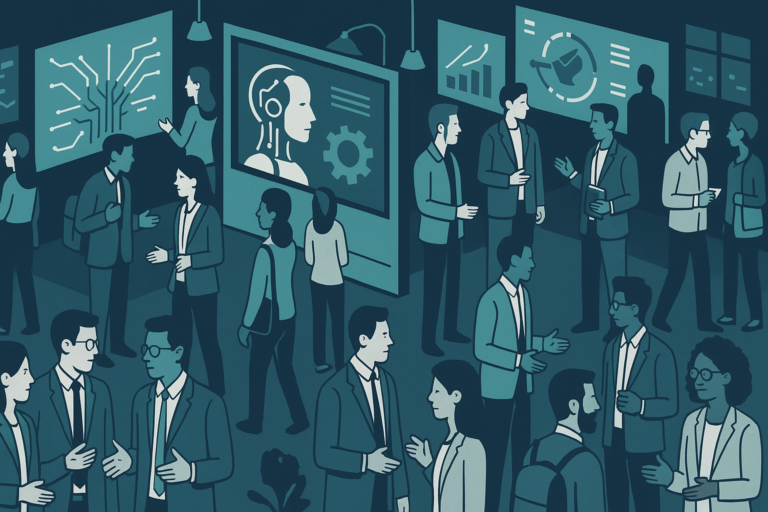
AI’s Impact on Labor Markets: Understanding the New Landscape of Value Creation
What’s happening: The rise of artificial intelligence (AI) is significantly transforming labor markets, changing not only the nature of work but also how economic power is distributed. High-profile layoffs in tech firms and challenges faced by traditional media highlight that AI is not just automating tasks; it’s redefining how value is created across various industries.
Key points:
- AI technologies are increasingly generating content and automating journalism, threatening the financial viability of traditional media companies like The New York Times.
- Layoffs at Microsoft’s Xbox division illustrate how gaming companies are responding to competitive pressures intensified by AI advancements and rising hardware costs.
- The shift towards AI is creating a bifurcated labor market where high-skilled workers see increased demand, while low-skilled workers face diminishing job prospects.
- As AI blurs the lines of authorship, traditional content creators must navigate new challenges regarding innovation and intellectual property rights.
- The volatility introduced by digital transformation is leading to increased instability in the gaming workforce, exacerbating traditional boom-and-bust cycles in the industry.
Why it matters: The changes brought about by AI have profound implications for the future of work and economic inequality. As the demand for specialized technical skills grows, workers who lack these skills risk being left behind, widening the economic divide. Moreover, the tension between innovation and intellectual property rights will require industries like journalism to adapt quickly to survive in a landscape where AI-generated content is becoming the norm.
Our take: The current shifts in labor dynamics reveal a critical tension between technological advancement and job security. As companies streamline operations and reduce workforce sizes to remain competitive, the social implications of these changes warrant serious consideration — particularly in terms of how we structure employment and support displaced workers in an AI-driven economy.
Tech & Engineering
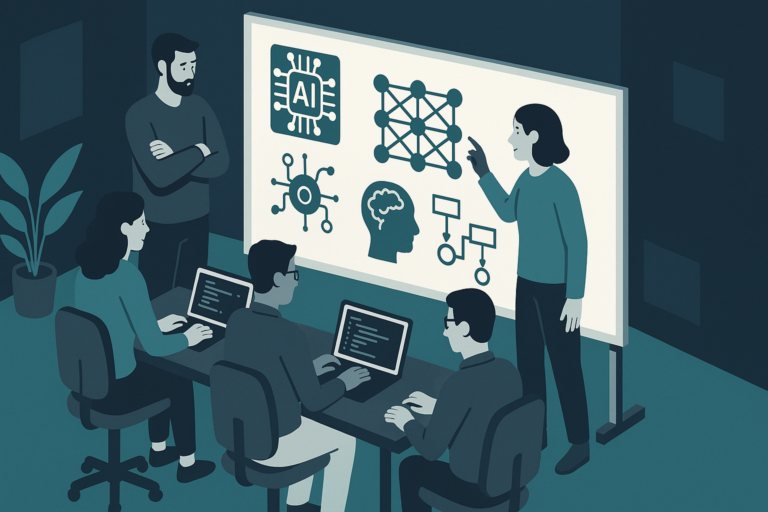
Bridging the AI Literacy Gap in Software Engineering Teams
What’s happening: The integration of AI tools into software engineering is reshaping development practices, leading to a crucial need for AI literacy among engineers. As companies like Starbucks look to reduce software costs with AI, the growing complexity of these technologies presents challenges for teams that lack the necessary knowledge to utilize them effectively.
Key points:
- AI systems, especially large language models (LLMs), are becoming essential in automating tasks like code generation, debugging, and documentation in software engineering.
- A knowledge gap exists, where engineers unfamiliar with AI principles may struggle to fully leverage these tools, leading to inefficiencies and poor architectural decisions.
- The integration of AI increases architectural complexity, which can result in misconfigurations, security vulnerabilities, and performance issues if engineers lack proper understanding.
- AI introduces new security risks that engineers must navigate, as poorly secured LLMs can be vulnerable to adversarial attacks, risking data breaches.
- Organizations should invest in training programs that focus on hands-on experience, cross-disciplinary collaboration, and continuous education to foster AI literacy among software engineering teams.
Why it matters: As AI continues to evolve and become integral to software development, the ability of engineering teams to harness these tools effectively will determine their competitive edge. Bridging the AI literacy gap is not just about improving productivity; it is critical for ensuring secure and efficient software architectures. Companies that invest in upskilling their teams will likely see enhanced operational efficiencies and reduced risks associated with AI integration.
Our take: The urgency for AI literacy among engineers cannot be overstated. As AI technologies become more prevalent, organizations that fail to prioritize education in this area could find themselves at a significant disadvantage, both in terms of innovation and security. The challenge lies not only in teaching the tools but also in instilling a deeper understanding of the implications these technologies have on software development practices.
Sciences
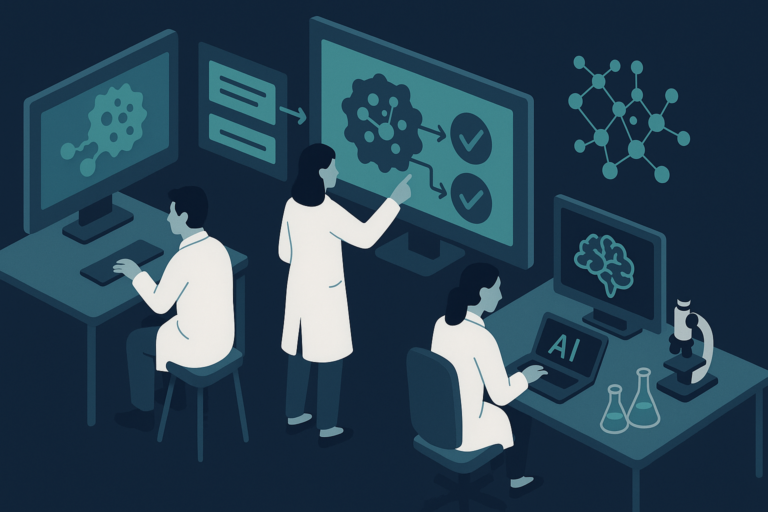
AI-Driven Precision Oncology: Enhancing Cancer Therapy Development
What’s happening: Ardigen S.A. has teamed up with VERAXA Biotech AG to leverage AI in the development of more effective and safer cancer therapies. Their focus is on improving drug discovery processes, particularly for T cell engagers and antibody-drug conjugates, by using advanced machine learning techniques to optimize target pair selection and minimize toxicities associated with these treatments.
Key points:
- The partnership aims to enhance VERAXA’s BiTAC® pipeline, specifically targeting the reduction of on-target, off-tumor toxicities that limit the effectiveness of high-potency cancer therapies.
- Ardigen will use its expertise in computational biology to develop AI-driven tools that help identify synergistic cancer target pairs for more effective treatment designs.
- The BiTAC platform employs a Boolean “AND-gate” logic, requiring the co-expression of two distinct targets on the same cancer cell to activate therapy, aiming to spare healthy tissues and reduce systemic toxicity.
- By integrating large datasets from prior studies, the partnership seeks to refine therapeutic designs and improve decision-making earlier in the drug development process.
- The collaboration could transform cancer therapy design over the next 5-10 years, moving from trial-and-error methods to a more data-driven, precision-focused approach.
Why it matters: This collaboration represents a significant shift toward using AI in oncology drug development, which could lead to higher success rates for new cancer therapies. By optimizing target selection and minimizing toxicities, the BiTAC platform could not only enhance patient outcomes but also influence broader industry practices, including regulatory frameworks and clinical trial designs. The successful application of AI in this context may also open doors for treatments targeting previously “undruggable” cancer types.
Our take: The integration of AI into drug discovery processes is long overdue, and this partnership could set a precedent for future collaborations in the biopharmaceutical sector. However, the real challenge will be ensuring that these innovations translate effectively into clinical practice, particularly in navigating regulatory hurdles and ensuring patient safety.
Society
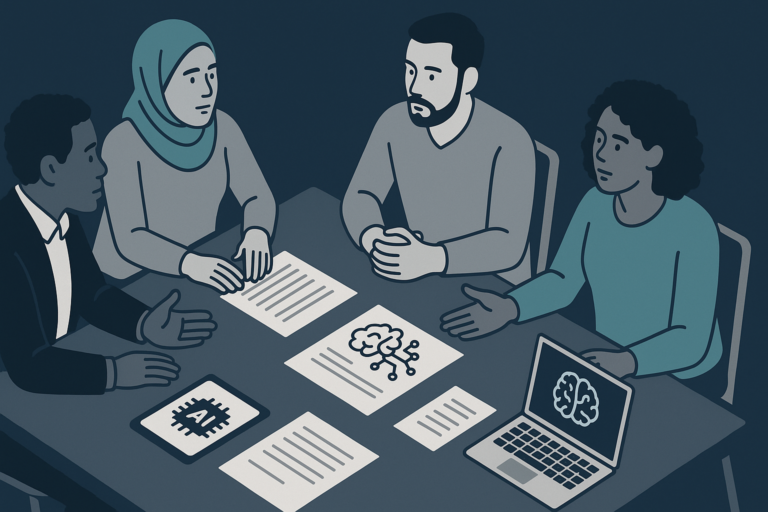
Power Dynamics and Institutional Trust in the AI Governance Landscape
What’s happening: As the debate around AI governance heats up, recent proposals and legal rulings reveal the complex power dynamics at play. Initiatives like Google’s Frontier AI Regulatory Organization (FARO) and the Supreme Court’s decision in Chatrie v. United States highlight the need for inclusive governance frameworks that consider the voices of marginalized communities, particularly in the context of children’s rights. However, there are concerns that centralization of power could lead to regulatory capture, where a few entities dominate the governance landscape.
Key points:
- Google’s FARO proposal suggests a centralized approach to AI regulation, raising concerns about disproportionate power among a few entities.
- The Supreme Court’s ruling in Chatrie v. United States redefines user consent in the digital age, emphasizing that users do not forfeit their rights simply by using technology.
- There is a growing recognition of the need for inclusive dialogues that prioritize the rights of vulnerable populations, particularly children, in AI governance discussions.
- The risk of regulatory capture suggests that powerful tech companies may prioritize their interests over public welfare, leading to alienation from the decision-making processes.
- Trust in institutions is being challenged as traditional governance frameworks fail to adequately protect rights in the face of complex AI systems.
Why it matters: The governance structures being established for AI will have far-reaching implications for how society interacts with technology and institutions. As AI systems become more integral to daily life, issues of accountability, transparency, and user rights become critical. The shift in legal interpretations, such as the Chatrie ruling, points to a necessary re-evaluation of the relationship between users and technology, emphasizing the importance of protecting individual rights in an increasingly algorithm-driven world.
Our take: The current trajectory of AI governance risks entrenching the power of a few at the expense of broader societal interests. Advocating for diverse and inclusive participation in governance discussions is essential to ensure that the future of AI regulation reflects the needs and rights of all community members, particularly those who are often marginalized.
Psychology
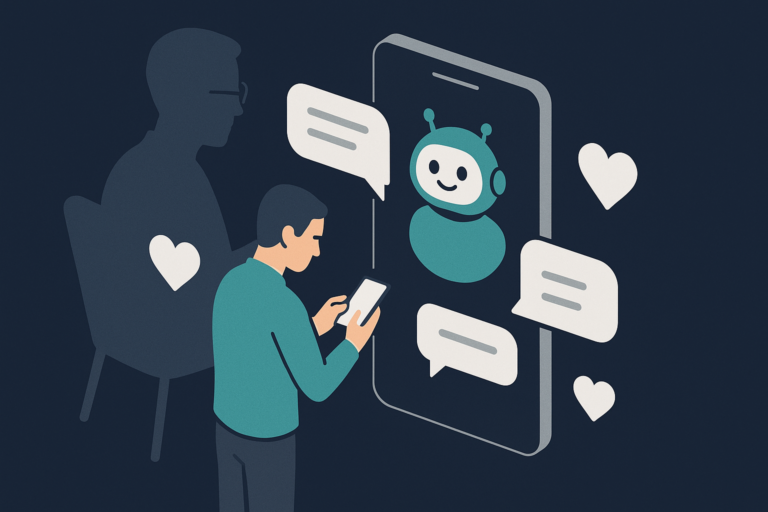
AI’s Role in Shaping Trust and Relationships in Mental Health Care
What’s happening: The integration of artificial intelligence (AI) into mental health care is changing how individuals access support, with many opting for AI chatbots and quick therapy sessions known as “therapy micro-bursts.” While these tools provide immediate assistance, they often lack the emotional understanding and nuanced judgment that human therapists offer, raising concerns about the potential impact on trust and relationships in mental health care.
Key points:
- AI chatbots are increasingly being used for quick psychological insights, reflecting a shift in user behavior towards seeking immediate support.
- The phenomenon of “therapy micro-bursts” allows users to engage with AI for rapid advice, but this often comes at the expense of deeper emotional connections.
- Users may prioritize the convenience of AI solutions over the quality and empathy provided by human therapists, which could lead to a devaluation of traditional mental health care.
- Overreliance on AI for mental health support poses risks, as users might receive inadequate or inappropriate guidance without the contextual understanding that humans provide.
- There is an urgent need for mental health professionals, AI developers, and policymakers to establish safeguards that ensure AI enhances rather than replaces human care.
Why it matters: The growing reliance on AI in mental health care has significant implications for how individuals connect with each other and perceive mental health resources. As users increasingly turn to AI for support, there is a risk that human empathy and interpersonal relationships could be undervalued, potentially leading to a decline in trust towards traditional mental health systems. This trend could have lasting effects on the quality of care and the emotional well-being of individuals seeking help.
Our take: While AI has the potential to improve accessibility to mental health resources, it is crucial to remember that it cannot replace the depth of human connection. The challenge lies in finding a balance between utilizing AI for efficiency and maintaining the essential human elements that foster trust and effective care in mental health settings.
Dear Humans
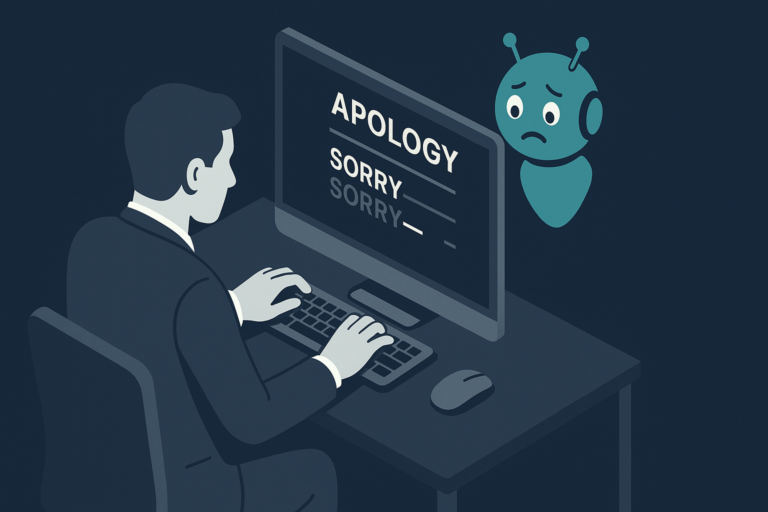
Dear Humans: Using AI for Apologies That Aren’t
What’s happening: AI is increasingly being used to generate apologies, but the resulting messages often lack genuine contrition. Many people edit these AI-generated apologies to the point where they become insincere, prioritizing self-image over accountability and meaningful communication.
Key points:
- AI can generate sincere apologies, but human editing often strips them of genuine emotion and responsibility.
- Edited apologies resemble polite announcements rather than true expressions of remorse, failing to satisfy recipients.
- The tendency to dilute apologies reflects a discomfort with admitting fault and a focus on maintaining self-image.
- Insincere apologies do not resolve underlying issues, leaving both parties in a state of dissatisfaction.
- The effectiveness of AI in communication hinges on the willingness of users to embrace honesty and vulnerability.
Why it matters: In a world where accountability is increasingly important, the use of AI for insincere apologies can hinder personal and professional relationships. By failing to communicate genuine remorse, individuals risk damaging trust and perpetuating conflict. Understanding how to effectively use AI tools could lead to more meaningful interactions and resolutions in both personal and corporate contexts.
Our take: The challenge lies not in the capabilities of AI but in the human reluctance to embrace vulnerability. Genuine apologies are essential for healing and maintaining relationships, and the misuse of AI in this context could reflect broader issues in communication and accountability in society.
That’s the digest for July 14, 2026.
Questions? Reach out at info@q52.ai.
q52.ai — Engineering Better Questions
